High-Speed Rail: How to Compare Lifecycle Costs
For high-speed rail stakeholders, comparing lifecycle costs means looking far beyond upfront spend. From civil engineering and smart grids to heavy equipment, digital twin modeling helps buyers, operators, and project leaders evaluate maintenance, energy use, safety, and long-term value. This guide shows how to assess costs with clearer benchmarks for procurement, technical review, and strategic decision-making.
When people search for how to compare lifecycle costs in high-speed rail, they usually do not want a textbook definition. They want a practical way to judge whether one rail system, technology package, contractor proposal, or operating model will cost less and perform better over 20 to 40 years. The key conclusion is simple: the lowest bid rarely equals the lowest lifecycle cost. In high-speed rail, long-term value is driven by reliability, maintainability, energy efficiency, asset life, safety performance, and the ability to avoid disruptive renewals.
For procurement teams, technical evaluators, operators, and decision-makers, the most useful approach is to compare lifecycle cost across a consistent structure: capital expenditure, operating expenditure, maintenance burden, renewal cycles, failure risk, energy use, downtime impact, residual value, and carbon-related costs. If these categories are not normalized early, comparisons between suppliers or project options become misleading.
What should you actually compare in a high-speed rail lifecycle cost analysis?
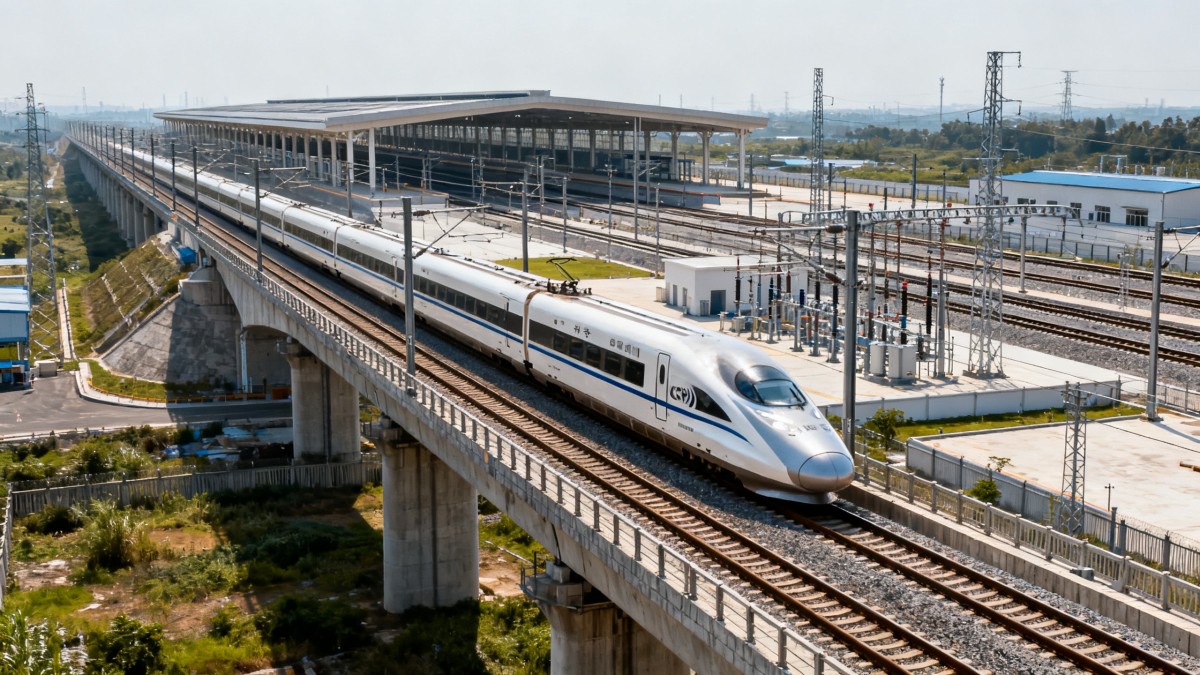
A robust high-speed rail lifecycle cost comparison should include more than train procurement or track construction alone. It should cover the full system and the interactions between subsystems. In practice, stakeholders should compare costs across five major layers.
1. Civil infrastructure
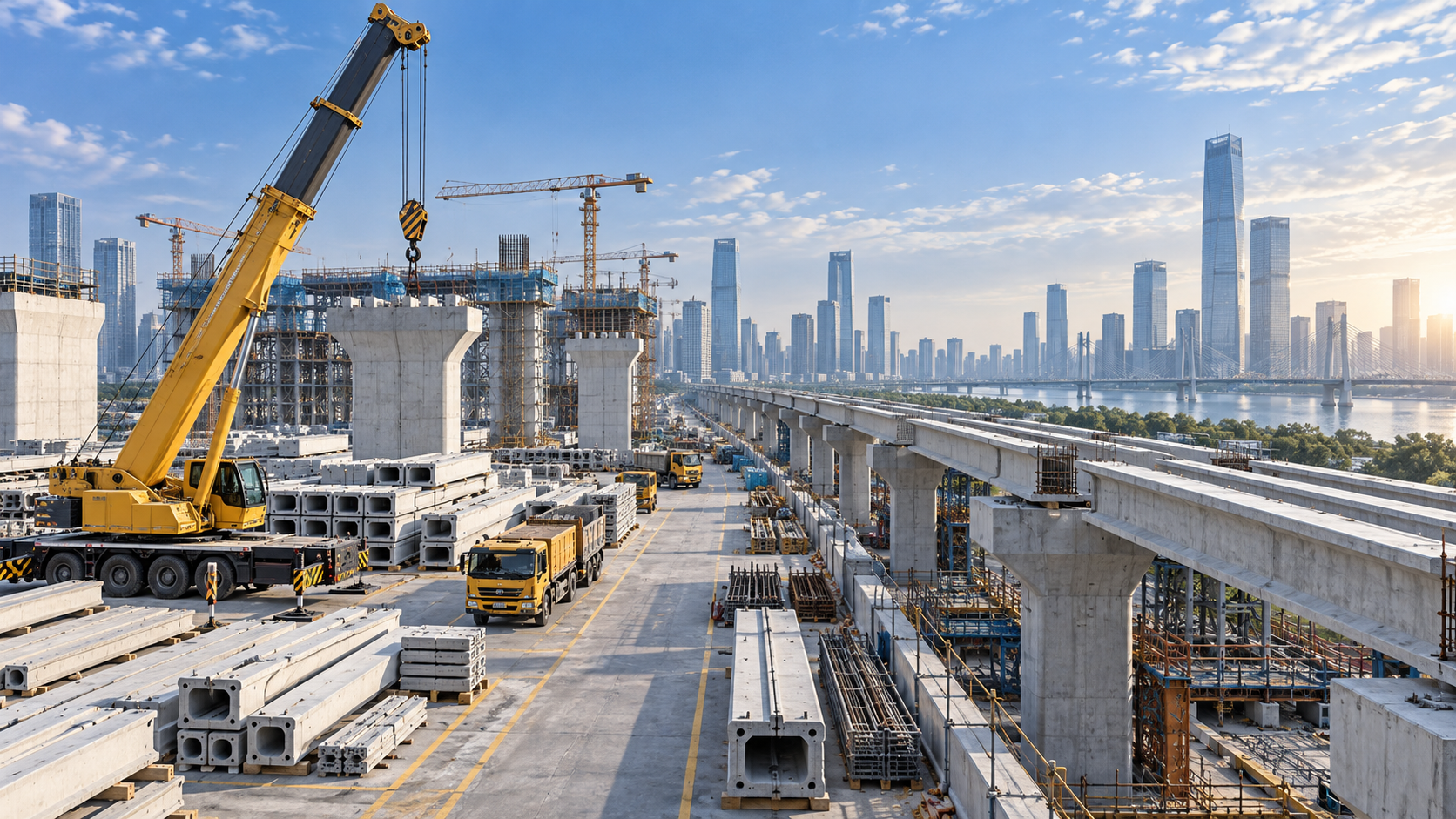
This includes earthworks, bridges, tunnels, slabs or ballast track, drainage, stations, depots, and access roads. Initial costs are high, but the real comparison point is long-term durability and renewal timing. For example, a lower-cost structure may require earlier intervention, more frequent inspection, or more difficult maintenance access.
2. Railway systems and electrification
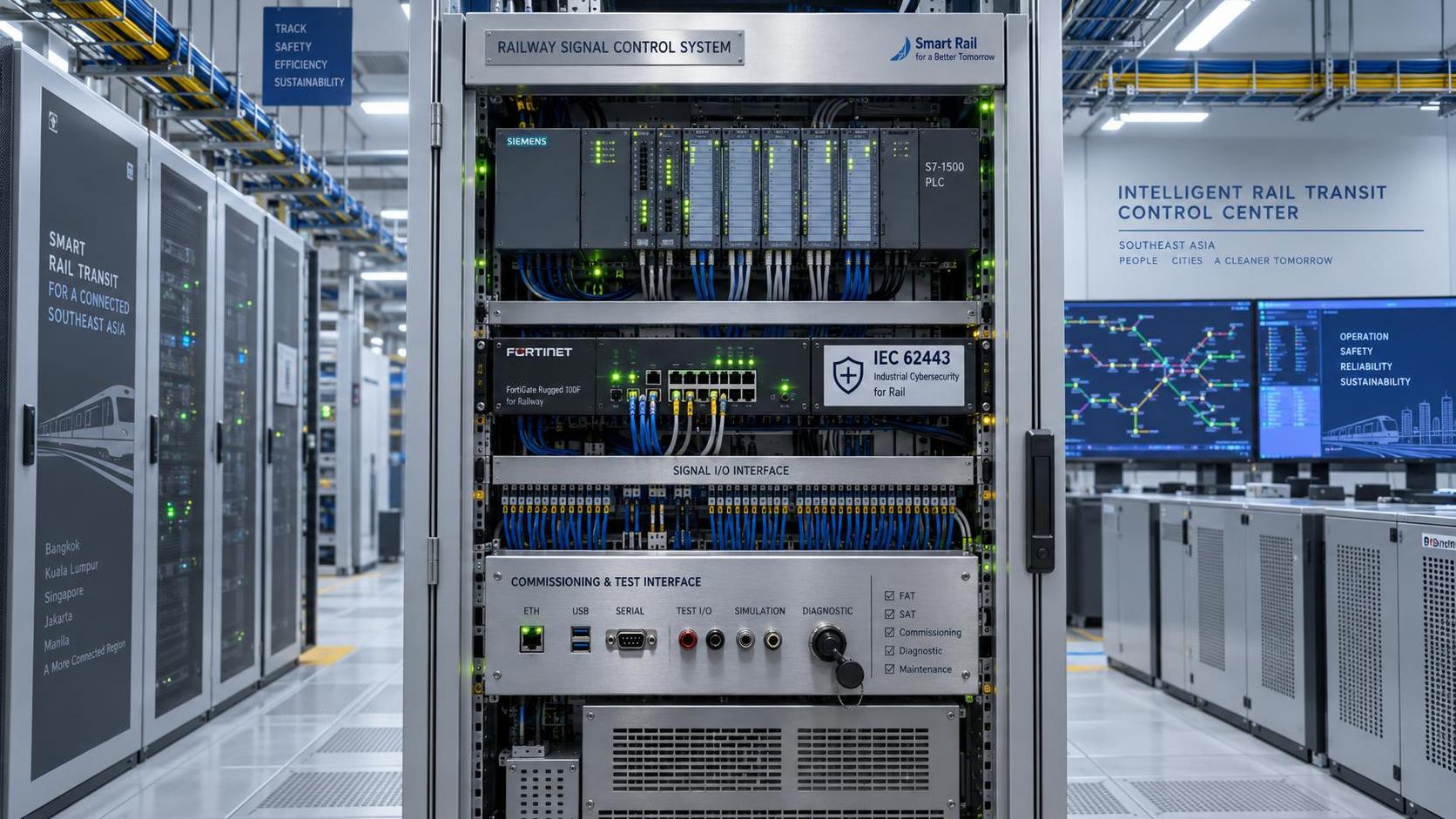
This covers traction power, substations, catenary, signaling, communications, control systems, platform systems, and smart grid integration. These assets may have lower upfront cost differences than civil works, but they often create major long-term effects through power losses, spare part complexity, software dependency, cybersecurity needs, and system obsolescence.
3. Rolling stock
Trains should be compared not only by purchase price, but also by energy consumption, axle load impact, maintainability, component replacement intervals, fleet availability, and upgrade path. A trainset with better diagnostics and modular components may deliver lower downtime and lower maintenance labor over its service life.
4. Operations and maintenance
This includes labor, predictive maintenance systems, inspection regimes, possession planning, spare inventories, wheel and rail wear, cleaning, depot workflows, and operator training. In many projects, this is where cost assumptions become too generic. Yet small differences in reliability can produce major long-term cost changes.
5. End-of-life, residual value, and transition costs
Lifecycle comparison should also capture decommissioning, disposal, recycling, major midlife refurbishment, and residual value. If one asset type can be modernized rather than replaced, its long-term economic profile may be significantly stronger.
The most important principle is consistency. Every bidder, technology option, or project scenario should be assessed using the same cost boundaries, same service life assumptions, and same operating conditions.
Why upfront CAPEX is a poor decision metric on its own
In high-speed rail, focusing too heavily on initial capital cost can lead to expensive mistakes. A cheaper system may create hidden cost through higher energy draw, lower availability, shorter maintenance intervals, or more complex track possession requirements. For project owners and enterprise decision-makers, the question is not “Which option is cheapest today?” but “Which option produces the best cost-performance profile over the asset life?”
Several common examples show why this matters:
- Track form: Ballasted track may offer lower initial construction cost, but slab track can reduce maintenance frequency in some high-intensity corridors.
- Rolling stock design: A lower-priced train may consume more electricity and create more wear on infrastructure.
- Signaling systems: A cheaper system may require earlier software migration, more proprietary support, or higher integration risk.
- Substation and power architecture: Lower-grade components may increase losses, failure events, and replacement frequency.
For procurement and business evaluation teams, this means tender scoring should not overreward CAPEX savings that later increase OPEX and renewal cost. A balanced procurement model should connect price with maintainability, service availability, and whole-life asset performance.
Which cost categories matter most over 20 to 40 years?
Although every project differs, the following categories usually have the biggest impact on high-speed rail lifecycle cost comparison:
Energy consumption
Energy is one of the most important long-term variables, especially for high-frequency service. Compare traction efficiency, regenerative braking effectiveness, substation losses, HVAC efficiency, and operational speed profiles. Even modest efficiency gains can create major savings over decades.
Maintenance frequency and labor intensity
Assets that require frequent manual inspection, night possessions, specialized equipment, or imported parts may appear acceptable on paper but become costly in real operation. Technical reviewers should ask how often interventions occur, how long they take, and what labor skill level they require.
Reliability and availability
Failure cost is not just repair cost. It includes service disruption, passenger compensation, reputational damage, operational re-planning, and network inefficiency. Mean time between failures, fleet availability, and subsystem fault recovery time should be core comparison metrics.
Renewal cycles
Different assets age at different rates. Compare expected replacement or overhaul intervals for rail, sleepers, turnout components, traction motors, transformers, converter modules, doors, braking systems, onboard electronics, and software platforms.
Spare parts and supply chain exposure
Some systems are highly proprietary. This can increase long-term procurement risk, lead times, and support costs. Buyers should assess spare strategy, local service capability, backward compatibility, and risks from vendor lock-in.
Safety, compliance, and quality risk
Non-compliance can trigger redesign, delay, retrofit, or operating restrictions. Quality and safety managers should include the likely cost of corrective action, inspection intensification, and regulatory change response.
Carbon and sustainability costs
As carbon pricing, ESG reporting, and green financing become more important, carbon-related cost can no longer be ignored. Materials, energy source mix, construction methods, and recyclability may affect both direct and indirect project cost.
How to build a practical lifecycle cost comparison model
A useful model does not need to be academically complex. It needs to be transparent, comparable, and decision-ready. The best models usually follow a structured sequence.
Step 1: Define the comparison boundary
Decide what is included: infrastructure only, rolling stock only, or the entire rail system. Clarify whether stations, depots, signaling integration, land acquisition, and financing cost are included. Poor boundary definition is one of the biggest reasons lifecycle comparisons fail.
Step 2: Set the analysis period
For high-speed rail, a 20-, 30-, or 40-year horizon is common. The period should reflect the main investment decision and expected service life of critical assets.
Step 3: Forecast the operating scenario
Model train frequency, annual mileage, speed profile, axle loads, passenger demand, climate conditions, and maintenance windows. An option that looks economical at low utilization may perform badly on a heavily used corridor.
Step 4: Estimate all major cost streams
Include CAPEX, preventive maintenance, corrective maintenance, major overhaul, energy, labor, spares, software support, inspections, renewals, disposal, and residual value. For each cost stream, document assumptions clearly.
Step 5: Apply time value of money
Discount future costs to present value. This makes options with different renewal timing easier to compare. Net present cost is often more useful than raw accumulated cost.
Step 6: Test sensitivity
High-speed rail projects carry uncertainty. Test how results change if energy price rises, ridership changes, maintenance intervals shorten, or renewal occurs earlier than planned. Decision-makers should never rely on a single-base-case result.
Step 7: Add risk weighting where appropriate
Some options are less mature, less standardized, or harder to maintain locally. Include scenario-based risk cost for technology immaturity, supply chain fragility, and regulatory uncertainty.
What technical evaluators and project managers should ask suppliers
Supplier claims often look similar at headline level. The difference appears in the evidence. To compare lifecycle cost properly, ask targeted questions such as:
- What is the proven service life of each critical subsystem under comparable operating conditions?
- What are the preventive maintenance intervals, and what labor hours do they require?
- What are the expected major overhaul points and associated downtime?
- How is condition monitoring built into the system?
- What spare parts are proprietary, and what is the guaranteed supply period?
- What is the historical energy consumption per seat-kilometer or train-kilometer?
- What is the demonstrated availability rate in similar deployments?
- How easily can software, signaling interfaces, or traction systems be upgraded?
- What is the expected residual value or recyclability of major assets?
For engineering teams, it is also important to request failure mode data, maintenance manuals, access design details, and digital monitoring capabilities. Lifecycle cost is strongly linked to how easy the asset is to inspect, repair, isolate, and return to service.
How digital twin tools improve lifecycle cost decisions
Digital twin modeling is increasingly important in high-speed rail cost analysis because it helps teams move from static estimates to dynamic decision support. Instead of treating cost as a fixed spreadsheet exercise, a digital twin can simulate how assets behave under actual operating conditions.
For example, digital twin tools can support:
- Predictive maintenance planning based on wear, load, and environmental conditions
- Energy modeling across rolling stock, traction power, and timetable scenarios
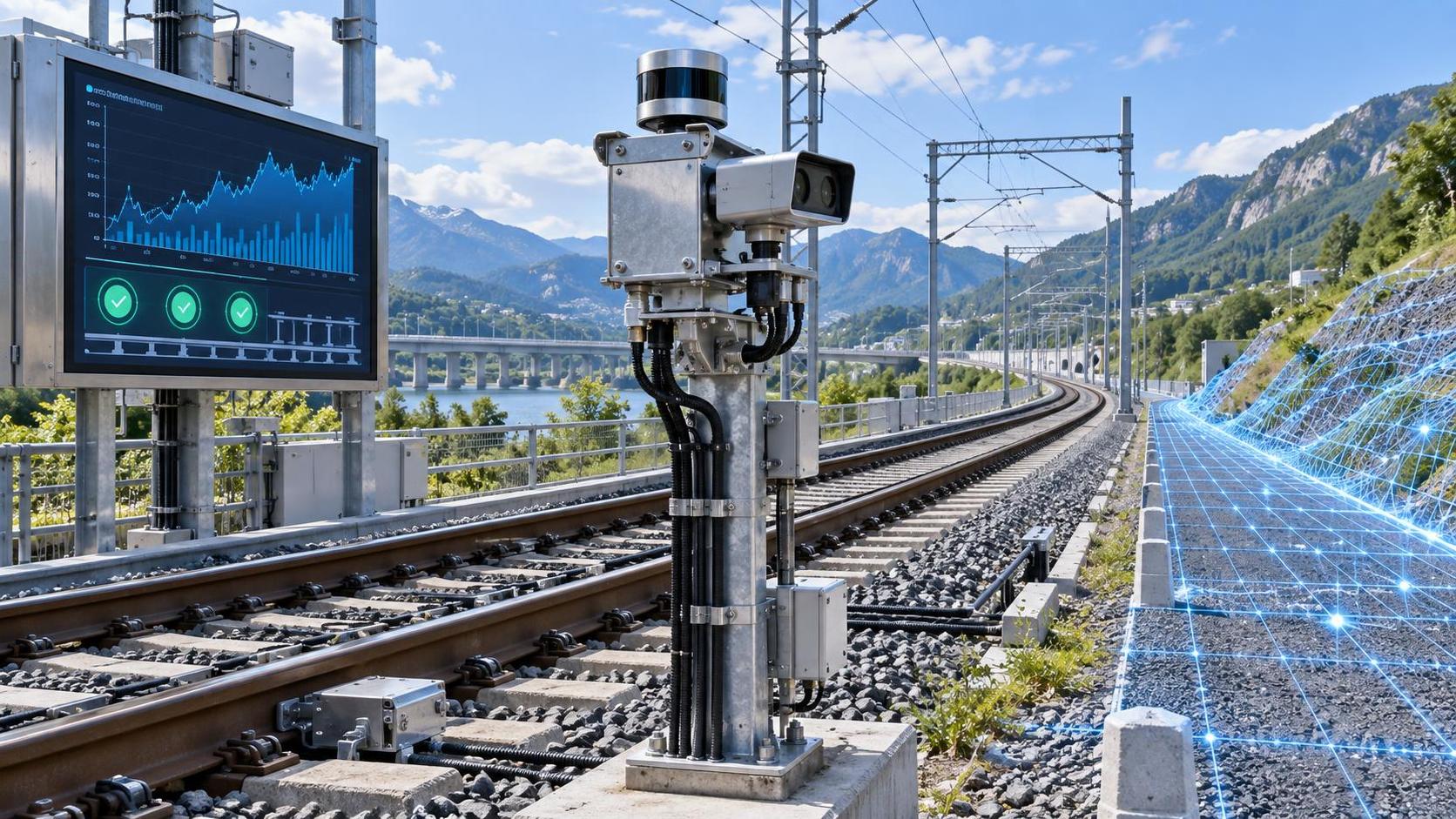
- Asset health tracking for bridges, catenary, track, and train components
- Renewal timing optimization to avoid premature replacement or late intervention
- Scenario comparison for ridership growth, climate exposure, or service expansion
For enterprise leaders and project owners, this matters because digital twin systems reduce uncertainty. They allow more credible forecasting of maintenance burden, downtime, and long-term asset value. In complex rail systems, better information often creates more savings than small procurement discounts.
Common mistakes that distort lifecycle cost comparisons
Many lifecycle studies look rigorous but still produce weak decisions because of flawed assumptions. The most frequent mistakes include:
- Using inconsistent operating assumptions across bidders or technical options
- Ignoring possession cost and operational disruption during maintenance
- Underestimating software and systems integration cost
- Assuming ideal maintenance execution without local labor and supply constraints
- Excluding risk and uncertainty from the comparison
- Failing to model climate, corrosion, dust, or temperature impacts
- Overlooking asset interdependency, such as how train design affects track wear
Quality control teams, safety managers, and project leaders should also be alert to supplier data that is technically correct but not operationally comparable. A claimed maintenance interval from one environment may not be valid in another corridor with different temperatures, gradients, or utilization.
How different stakeholders can use lifecycle cost results
A strong lifecycle cost analysis is useful because it helps different roles make better decisions from the same evidence base.
Procurement teams
Use lifecycle cost to design tender scoring models that reward long-term value rather than just low bid price.
Technical evaluation teams
Use it to test whether a design is maintainable, reliable, energy-efficient, and fit for local operating conditions.
Project managers
Use it to align construction choices, maintenance strategy, and phased investment planning.
Operators and maintainers
Use it to improve spare planning, depot design, staffing, inspection methods, and condition-based maintenance.
Business evaluators and executives
Use it to compare return on investment, risk exposure, financing logic, and long-term network competitiveness.
When done correctly, lifecycle cost analysis becomes more than a finance exercise. It becomes a cross-functional decision framework linking engineering, operations, procurement, and strategic planning.
What a good final decision usually looks like
A good decision is rarely the option with the lowest purchase cost. It is usually the option that performs best across four dimensions:
- Predictable long-term cost
- High operational reliability and availability
- Manageable maintenance and renewal burden
- Strong fit with local capability, growth plans, and sustainability targets
In some corridors, that may justify a higher upfront investment in slab track, advanced condition monitoring, better rolling stock efficiency, or more resilient electrification systems. In other cases, a lower initial specification may be economically sound if traffic intensity, climate exposure, and maintenance access are favorable. The right answer depends on evidence, not assumptions.
Conclusion: compare the whole system, not just the price tag
To compare lifecycle costs in high-speed rail, stakeholders need to evaluate the full asset life, not just the construction or procurement phase. The most reliable comparisons include infrastructure, railway systems, rolling stock, maintenance, energy, renewals, downtime risk, residual value, and carbon-related effects. They also test assumptions under realistic operating scenarios.
For buyers, operators, technical reviewers, and decision-makers, the practical takeaway is clear: if two options serve the same corridor, the better investment is the one that delivers lower net present cost, higher reliability, easier maintenance, and fewer long-term surprises. In high-speed rail, lifecycle cost is not a side calculation. It is one of the best tools for choosing resilient, efficient, and future-ready infrastructure.
Get weekly intelligence in your inbox.
No noise. No sponsored content. Pure intelligence.
News Recommendations
 Sep 19, 2026How an electronics application guide helps prevent component mismatchHow an electronics application guide helps prevent component mismatch
 Sep 18, 2026When a resource allocation platform improves project deliveryWhen a resource allocation platform improves project delivery
 Sep 17, 2026What to compare when evaluating mineral processing equipment manufacturersWhat to compare when evaluating mineral processing equipment manufacturers
 Sep 16, 2026How mineral separation optimization can reduce concentrate lossesHow mineral separation optimization can reduce concentrate losses
 Sep 15, 2026How to assess lifecycle costs in urban tech procurementHow to assess lifecycle costs in urban tech procurement
 Sep 14, 2026Heavy industry technology trends reshaping capital investment prioritiesHeavy industry technology trends reshaping capital investment priorities
 Sep 14, 2026Global Industrial Equipment Procurement: How Top OEMs Qualify Suppliers for Mining & Infrastructure ProjectsGlobal Industrial Equipment Procurement: How Top OEMs Qualify Suppliers for Mining & Infrastructure Projects
 Sep 14, 2026Industrial & Mining Equipment Procurement: Balancing Local Sourcing, Lead Time, and Certification RequirementsIndustrial & Mining Equipment Procurement: Balancing Local Sourcing, Lead Time, and Certification Requirements
 Sep 14, 2026Infrastructure & Equipment Upgrades: What Procurement Teams Must Verify Before Signing Off on New ContractsInfrastructure & Equipment Upgrades: What Procurement Teams Must Verify Before Signing Off on New Contracts
 Sep 14, 2026Why Infrastructure Equipment Buyers Are Shifting from Catalog-Based to Capability-Based Supplier SelectionWhy Infrastructure Equipment Buyers Are Shifting from Catalog-Based to Capability-Based Supplier Selection
 Sep 14, 2026Process Automation Project Execution: How to Align Supplier Capabilities with PLC Integration, Cybersecurity & Commissioning MilestonesProcess Automation Project Execution: How to Align Supplier Capabilities with PLC Integration, Cybersecurity & Commissioning Milestones
 Sep 14, 2026Are intelligent traffic systems worth the investment for small cities?Are intelligent traffic systems worth the investment for small cities?
 Sep 14, 2026How do intelligent traffic systems handle sensor failures?How do intelligent traffic systems handle sensor failures?
 Sep 14, 2026What should I check before accepting a smart building system?What should I check before accepting a smart building system?
 Sep 14, 2026Is a smart building system worth the maintenance cost?Is a smart building system worth the maintenance cost?
 Sep 14, 2026What data is needed for reliable resource allocation planning?What data is needed for reliable resource allocation planning?
 Sep 14, 2026How can resource allocation software reduce equipment idle time?How can resource allocation software reduce equipment idle time?
 Sep 14, 2026How should smart devices be maintained in harsh outdoor conditions?How should smart devices be maintained in harsh outdoor conditions?
 Sep 14, 2026Do smart devices improve worker safety on construction sites?Do smart devices improve worker safety on construction sites?
 Sep 14, 2026What environmental risks must be assessed before deep-sea mining?What environmental risks must be assessed before deep-sea mining?
 Sep 14, 2026Is deep-sea mining equipment commercially viable in 2026?Is deep-sea mining equipment commercially viable in 2026?
 Sep 14, 2026What Inspection Checks Should Procurement Teams Perform Before Ordering Dredging Equipment in 2026?What Inspection Checks Should Procurement Teams Perform Before Ordering Dredging Equipment in 2026?
 Sep 13, 2026How to verify an industrial product information source before specifying equipmentHow to verify an industrial product information source before specifying equipment
 Sep 12, 2026Which intelligent traffic systems hardware fits an urban intersection?Which intelligent traffic systems hardware fits an urban intersection?
 Sep 11, 2026How pump capacity affects response coverage for municipal fire fighting vehiclesHow pump capacity affects response coverage for municipal fire fighting vehicles
 Sep 10, 2026What to verify before choosing a heavy industry equipment supplierWhat to verify before choosing a heavy industry equipment supplier
 Sep 09, 2026When do adaptive urban traffic control systems reduce corridor delays?When do adaptive urban traffic control systems reduce corridor delays?