How to Compare Infrastructure Intelligence Solution Providers
Comparing infrastructure intelligence solution providers is no longer a narrow software exercise. The decision now touches asset performance, capital planning, resilience, compliance, and sustainability across the physical economy.
A polished dashboard or a low subscription fee can look attractive. Yet the stronger question is whether a provider can translate fragmented infrastructure data into decisions that improve uptime, cost control, risk visibility, and long-term investment discipline.
That matters across construction, smart buildings, transport corridors, utilities, mining operations, and heavy equipment fleets. In each setting, intelligence is valuable only when it reflects operational reality and supports action.
What infrastructure intelligence really covers

At a practical level, infrastructure intelligence combines data collection, analysis, modeling, and operational context. It helps teams understand what assets exist, how they perform, where risks are emerging, and which interventions deserve priority.
The best infrastructure intelligence solution providers do more than aggregate sensor feeds. They connect engineering data, maintenance history, geospatial layers, financial metrics, and regulatory requirements into one usable decision environment.
This is why the market now overlaps with digital twins, predictive maintenance, urban operating systems, industrial analytics, and asset lifecycle management. Different vendors emphasize different slices of that stack.
A useful comparison starts by identifying which kind of intelligence is actually needed. Network optimization, project oversight, safety monitoring, and carbon reporting do not require the same architecture or expertise.
Why vendor comparison has become more strategic
Infrastructure owners and operators are under pressure from several directions at once. Aging assets, rising capital costs, climate stress, labor shortages, and public accountability are forcing better use of operational data.
At the same time, the market has become crowded. Some providers come from enterprise software. Others originate in engineering, GIS, IoT, industrial automation, or specialized sector consulting.
That diversity creates opportunity, but also confusion. Two platforms may both claim predictive insight, while one mainly offers descriptive reporting and the other supports scenario modeling tied to asset-level interventions.
This is where a GIUT-style perspective is useful. Looking across construction, urban governance, mining, rail, and heavy machinery highlights a core truth: infrastructure intelligence must fit the physical system, not just the software category.
The first comparison point is domain fit
Not all infrastructure intelligence solution providers understand the operational logic of physical assets. Some are strong in data engineering but weak in field conditions, engineering tolerances, maintenance workflows, or public infrastructure governance.
Domain fit should be tested against real environments:
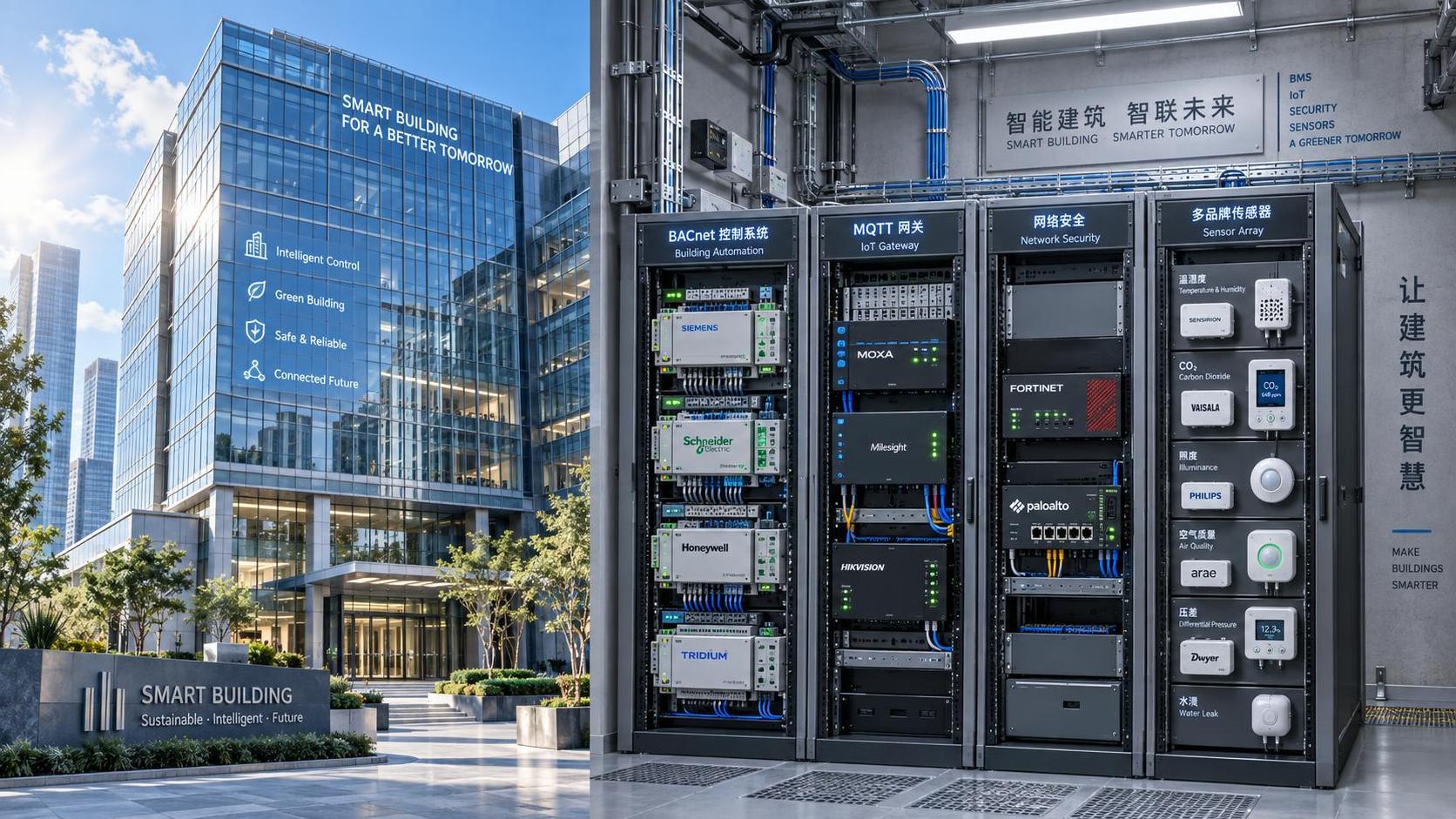
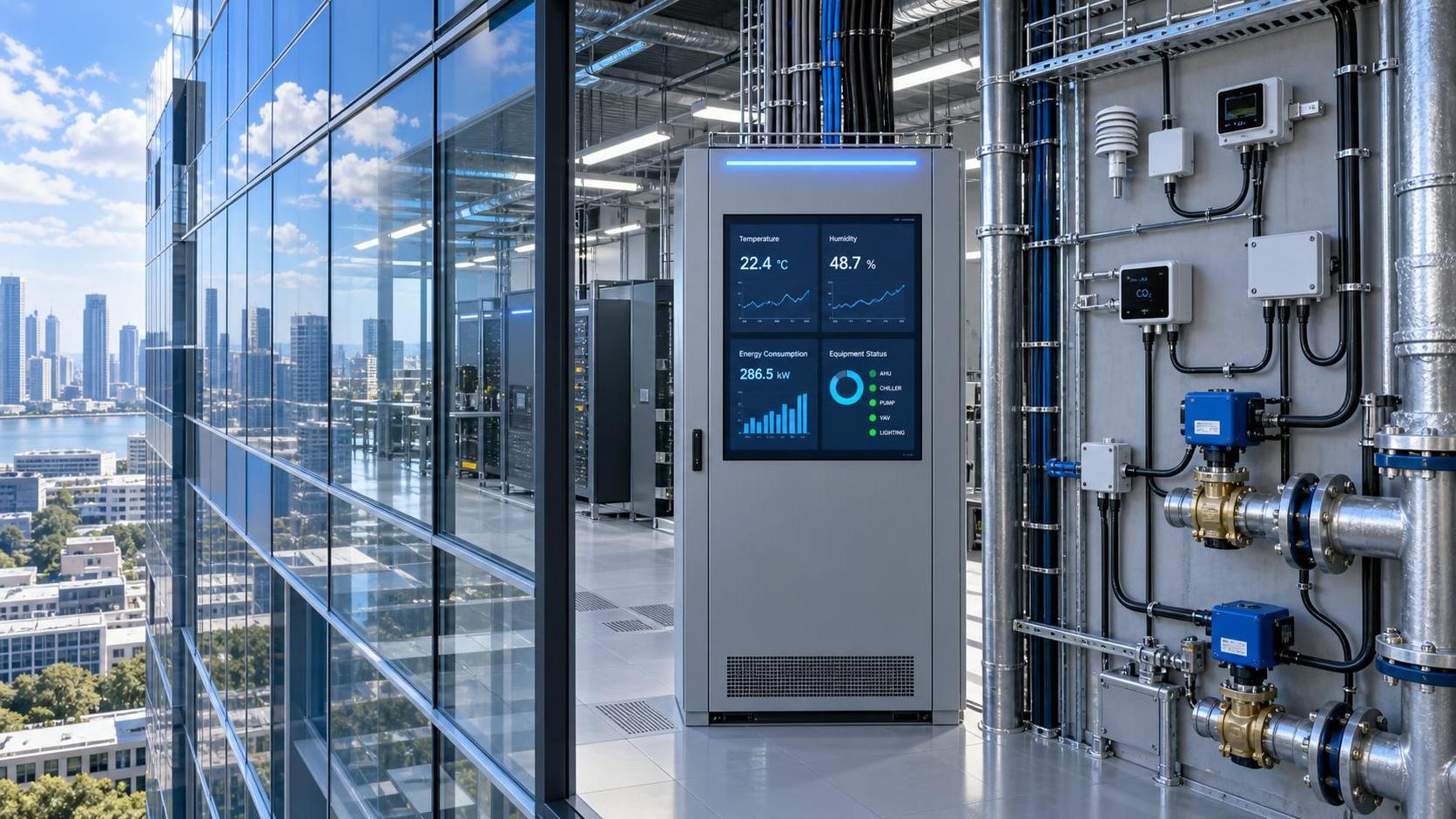
- Smart buildings with energy, occupancy, and equipment integration
- Urban systems such as traffic control, utilities, and waste automation
- Mining sites where safety, equipment health, and remote operations matter
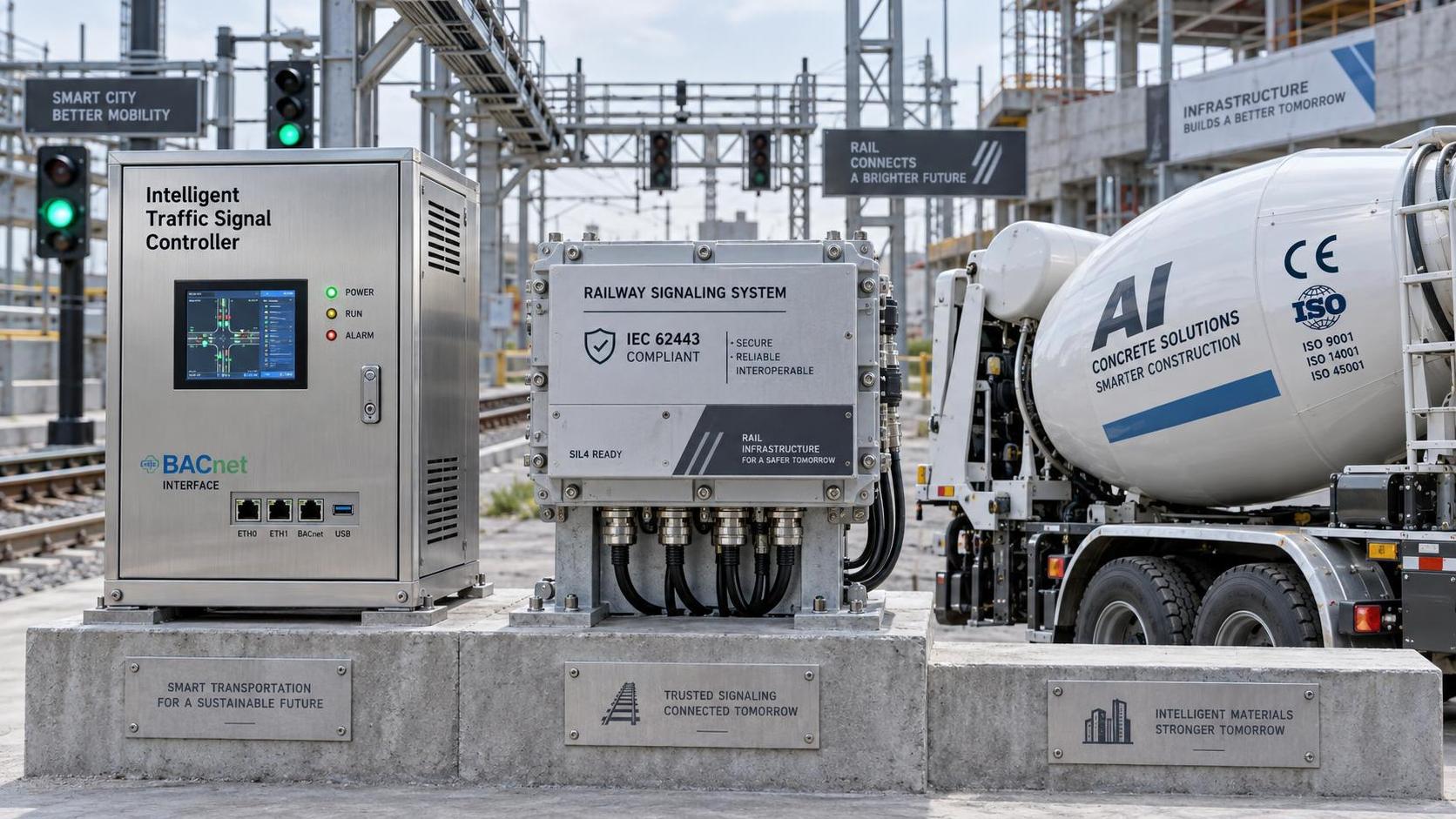
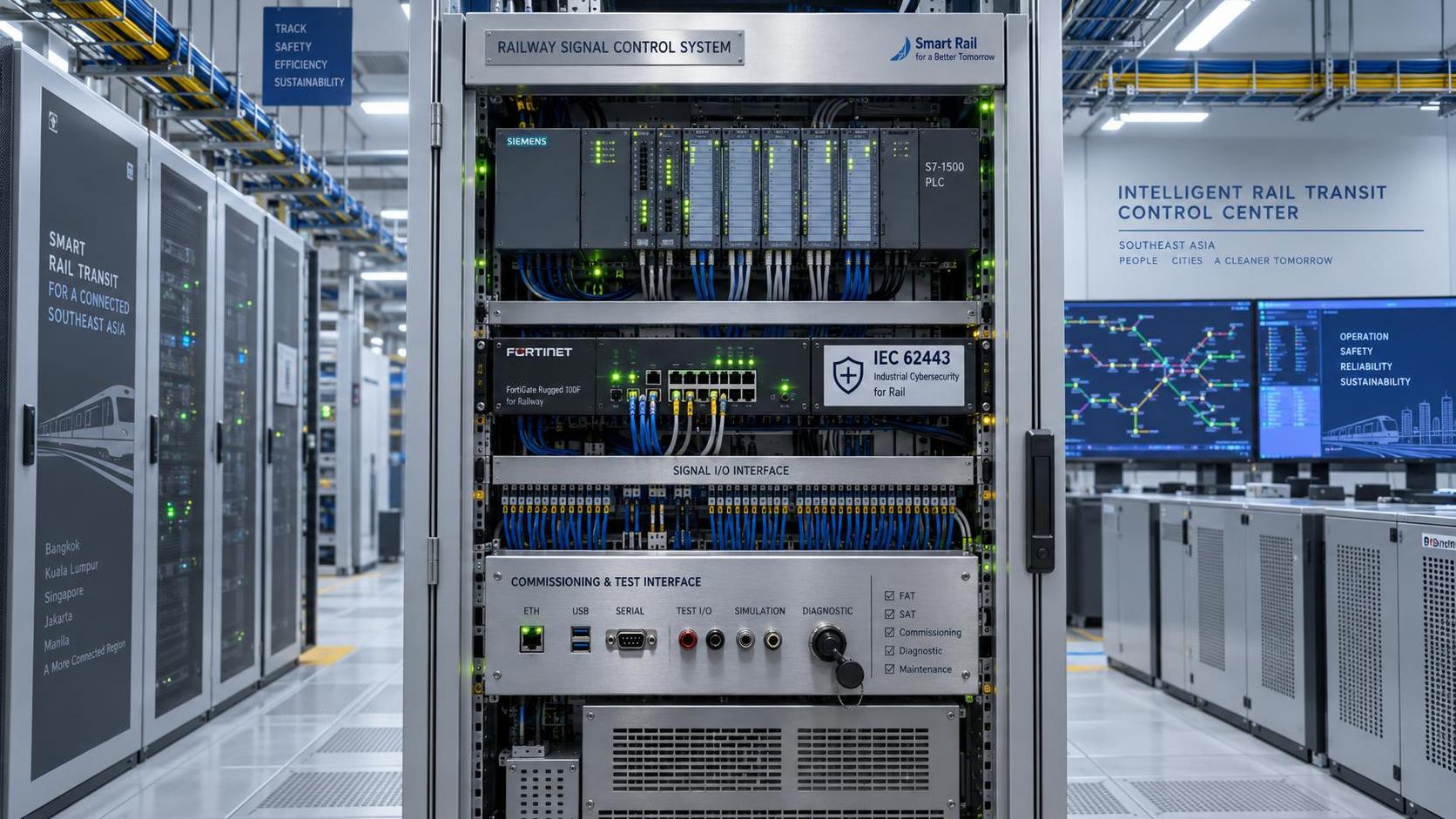
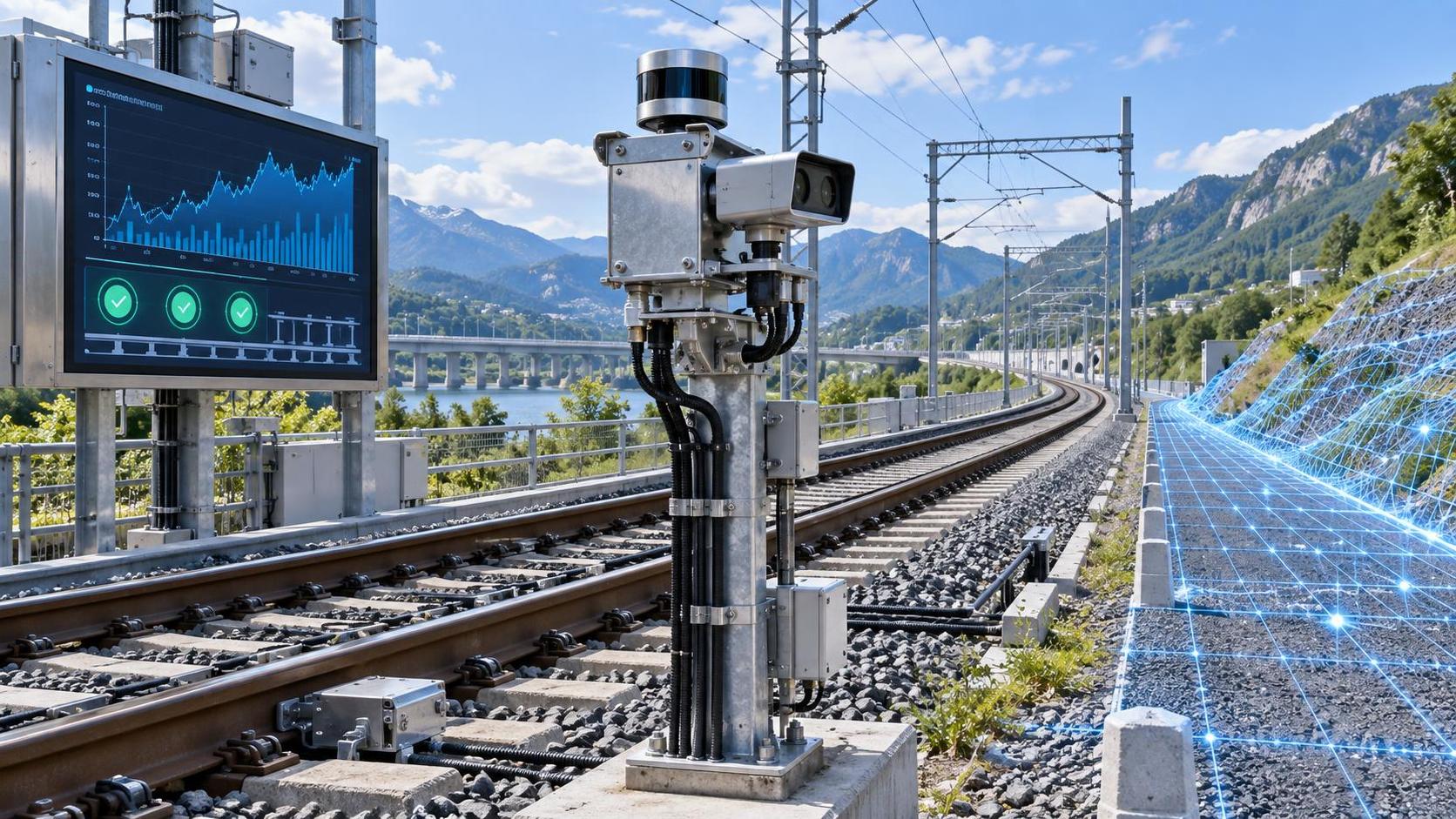
- Rail networks with signaling, track condition, and maintenance planning
- Special vehicles and heavy equipment fleets requiring utilization intelligence
A provider that has worked across related sectors often performs better than one with generic analytics claims. Physical infrastructure has constraints that cannot be abstracted away.
Core capabilities worth comparing side by side
A clear comparison matrix helps separate marketing language from operational substance. The table below focuses on capabilities that usually influence value creation and deployment success.
When comparing infrastructure intelligence solution providers, it helps to weight each category. A transit operator and a mining group may both care about predictive analytics, but their integration and governance demands are very different.
Signals of a provider that understands the real asset lifecycle
The strongest vendors show how intelligence moves from design to operations, then into maintenance, renewal, and strategic planning. That continuity is often more valuable than any single analytic feature.
Good providers usually demonstrate several traits:
- They can map data to asset hierarchies and service outcomes
- They support condition-based and risk-based maintenance logic
- They explain assumptions behind forecasts and scoring models
- They understand regulatory and environmental reporting demands
- They can show where operational insight affects capital allocation
This is especially relevant for organizations building digital twin programs. A digital twin is useful only when its data model, governance, and update process remain connected to real infrastructure conditions.
Questions that reveal practical strength
Product demos often overemphasize interfaces. A better evaluation depends on scenario-based questioning tied to real use cases and difficult edge conditions.
Ask how the system handles imperfect data
Infrastructure data is rarely clean. Sensor drift, missing inspections, conflicting drawings, and manual spreadsheets are normal. Strong infrastructure intelligence solution providers acknowledge this and show data quality controls.
Ask what decisions the platform improves
A provider should explain which decisions become faster or more accurate. Examples include outage prioritization, maintenance scheduling, spare parts planning, congestion response, or energy optimization.
Ask who maintains the model after deployment
Many projects stall after implementation because model governance is unclear. Clarify whether updates depend on vendor services, internal administrators, or automated pipelines.
Ask for proof beyond pilot results
Pilot metrics can be selective. It is more useful to see sustained results across multiple sites, varied asset classes, or changing operating conditions.
Common red flags during comparison
Several warning signs appear repeatedly when reviewing infrastructure intelligence solution providers. They do not always eliminate a vendor, but they should trigger deeper scrutiny.
- Claims of universal applicability without sector-specific references
- Heavy reliance on custom work for standard integrations
- Opaque scoring models with no engineering explanation
- No clear separation between visualization and decision logic
- Weak support for compliance, audit trails, or cybersecurity controls
- Benefits framed only in generic efficiency language
In practice, weak vendors often sell software features. Stronger vendors show operational consequences, trade-offs, and implementation discipline.
Why independent intelligence sources matter
Vendor material alone rarely gives a complete picture. Independent sector analysis helps place offerings within a wider technical and market context.
That is where platforms like GIUT add value. A cross-sector lens can reveal how a provider performs across smart buildings, rail systems, urban technology, mining operations, and specialized equipment ecosystems.
This broader view is important because infrastructure intelligence increasingly sits at the intersection of engineering, software, governance, and sustainability. A narrow procurement lens can miss that bigger operational picture.
A workable next step
A disciplined comparison usually starts with three documents: a use-case shortlist, a data source map, and a value model tied to operational or financial outcomes.
From there, compare infrastructure intelligence solution providers against real scenarios, not feature catalogs. Test domain fit, data readiness, workflow support, governance strength, and measurable impact over time.
The goal is not to find the platform with the longest checklist. It is to identify a partner that can interpret the physical world accurately and support better infrastructure decisions as systems become more connected, intelligent, and resource-sensitive.
Get weekly intelligence in your inbox.
No noise. No sponsored content. Pure intelligence.
News Recommendations
 Sep 19, 2026How an electronics application guide helps prevent component mismatchHow an electronics application guide helps prevent component mismatch
 Sep 18, 2026When a resource allocation platform improves project deliveryWhen a resource allocation platform improves project delivery
 Sep 17, 2026What to compare when evaluating mineral processing equipment manufacturersWhat to compare when evaluating mineral processing equipment manufacturers
 Sep 16, 2026How mineral separation optimization can reduce concentrate lossesHow mineral separation optimization can reduce concentrate losses
 Sep 15, 2026How to assess lifecycle costs in urban tech procurementHow to assess lifecycle costs in urban tech procurement
 Sep 14, 2026Heavy industry technology trends reshaping capital investment prioritiesHeavy industry technology trends reshaping capital investment priorities
 Sep 14, 2026Global Industrial Equipment Procurement: How Top OEMs Qualify Suppliers for Mining & Infrastructure ProjectsGlobal Industrial Equipment Procurement: How Top OEMs Qualify Suppliers for Mining & Infrastructure Projects
 Sep 14, 2026Industrial & Mining Equipment Procurement: Balancing Local Sourcing, Lead Time, and Certification RequirementsIndustrial & Mining Equipment Procurement: Balancing Local Sourcing, Lead Time, and Certification Requirements
 Sep 14, 2026Infrastructure & Equipment Upgrades: What Procurement Teams Must Verify Before Signing Off on New ContractsInfrastructure & Equipment Upgrades: What Procurement Teams Must Verify Before Signing Off on New Contracts
 Sep 14, 2026Why Infrastructure Equipment Buyers Are Shifting from Catalog-Based to Capability-Based Supplier SelectionWhy Infrastructure Equipment Buyers Are Shifting from Catalog-Based to Capability-Based Supplier Selection
 Sep 14, 2026Process Automation Project Execution: How to Align Supplier Capabilities with PLC Integration, Cybersecurity & Commissioning MilestonesProcess Automation Project Execution: How to Align Supplier Capabilities with PLC Integration, Cybersecurity & Commissioning Milestones
 Sep 14, 2026Are intelligent traffic systems worth the investment for small cities?Are intelligent traffic systems worth the investment for small cities?
 Sep 14, 2026How do intelligent traffic systems handle sensor failures?How do intelligent traffic systems handle sensor failures?
 Sep 14, 2026What should I check before accepting a smart building system?What should I check before accepting a smart building system?
 Sep 14, 2026Is a smart building system worth the maintenance cost?Is a smart building system worth the maintenance cost?
 Sep 14, 2026What data is needed for reliable resource allocation planning?What data is needed for reliable resource allocation planning?
 Sep 14, 2026How can resource allocation software reduce equipment idle time?How can resource allocation software reduce equipment idle time?
 Sep 14, 2026How should smart devices be maintained in harsh outdoor conditions?How should smart devices be maintained in harsh outdoor conditions?
 Sep 14, 2026Do smart devices improve worker safety on construction sites?Do smart devices improve worker safety on construction sites?
 Sep 14, 2026What environmental risks must be assessed before deep-sea mining?What environmental risks must be assessed before deep-sea mining?
 Sep 14, 2026Is deep-sea mining equipment commercially viable in 2026?Is deep-sea mining equipment commercially viable in 2026?
 Sep 14, 2026What Inspection Checks Should Procurement Teams Perform Before Ordering Dredging Equipment in 2026?What Inspection Checks Should Procurement Teams Perform Before Ordering Dredging Equipment in 2026?
 Sep 13, 2026How to verify an industrial product information source before specifying equipmentHow to verify an industrial product information source before specifying equipment
 Sep 12, 2026Which intelligent traffic systems hardware fits an urban intersection?Which intelligent traffic systems hardware fits an urban intersection?
 Sep 11, 2026How pump capacity affects response coverage for municipal fire fighting vehiclesHow pump capacity affects response coverage for municipal fire fighting vehicles
 Sep 10, 2026What to verify before choosing a heavy industry equipment supplierWhat to verify before choosing a heavy industry equipment supplier
 Sep 09, 2026When do adaptive urban traffic control systems reduce corridor delays?When do adaptive urban traffic control systems reduce corridor delays?