Smart Governance Solutions Cost: What Drives the Total Budget?
Smart Governance Solutions Cost: What Drives the Total Budget?
Understanding smart governance solutions cost starts with a simple fact. The software license is rarely the full number.
In most projects, the visible platform fee is only one layer of the total budget. Integration, data readiness, security, and long-term operations often change the financial picture.
That matters because procurement decisions in smart governance are usually judged over years, not quarters. A low entry quote can still produce a high ownership burden later.
From recent market shifts, the stronger signal is this: buyers now compare smart governance solutions cost against resilience, compliance, and measurable service improvement.
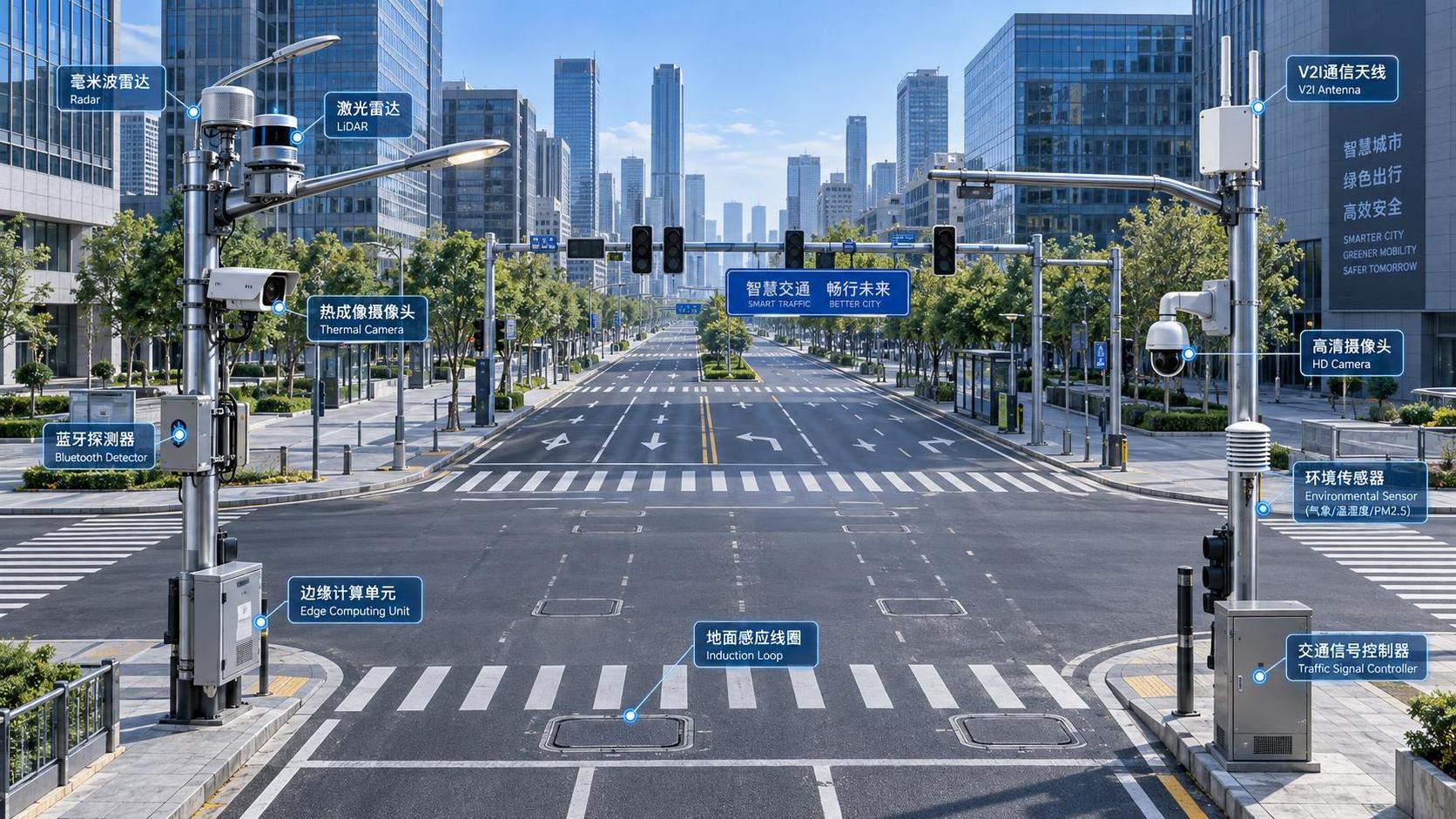
For transport control, waste systems, utilities, and public service coordination, the budget logic is similar. The total spend follows operational complexity more than product branding.
This article breaks down what actually drives smart governance solutions cost, where hidden spending usually appears, and how to assess budget proposals with more confidence.
Why Smart Governance Solutions Cost Is Broader Than Software Pricing
A smart governance platform does not operate in isolation. It sits between sensors, existing municipal systems, cloud environments, operators, and regulatory controls.
That also means budgeting should cover the full delivery model. Procurement teams that price only the application layer usually underestimate the real commitment.
In practical terms, smart governance solutions cost often includes five budget zones:
- Platform licensing or subscription fees
- System integration and API work
- Data infrastructure and device connectivity
- Cybersecurity, compliance, and governance controls
- Training, support, upgrades, and performance management
When one of these areas is missing from the proposal, the number is incomplete. That is usually where later change orders begin.
The Main Cost Drivers Behind Total Budget
The biggest drivers of smart governance solutions cost are rarely mysterious. They are just spread across technical and operational layers.
1. Scope of Use Cases
A citywide traffic coordination platform costs more than a single-district dashboard. The same is true for multi-agency governance versus one department workflow.
Every added use case introduces new rules, data sources, users, and reporting needs. Smart governance solutions cost rises with that operational breadth.
2. Legacy System Integration
Many public and infrastructure environments already run older ERP, GIS, SCADA, billing, CCTV, or dispatch systems. Connecting them is expensive but unavoidable.
If source systems lack clean APIs, integration becomes custom engineering. That usually adds time, testing effort, and long-term maintenance exposure.
3. Data Quality and Data Architecture
Poor data quality inflates smart governance solutions cost faster than many buyers expect. Duplicate records, inconsistent formats, and missing location data slow everything.
A system can only automate decisions when data is structured, governed, and trusted. Cleanup work often consumes budget before advanced functions go live.
4. Device and Network Footprint
Smart governance often relies on cameras, sensors, meters, gateways, and communication links. Hardware itself is one cost. Reliable field performance is another.
Installation conditions, power supply, edge processing, and network resilience all affect total budget. Outdoor environments especially push costs upward.
5. Security and Compliance Depth
The more sensitive the service, the higher the compliance burden. Identity management, audit logs, encryption, incident response, and data residency all have cost implications.
This is especially relevant in utilities, public safety, transport, and cross-agency data sharing. Security is not a side feature inside smart governance solutions cost.
Upfront Cost vs Long-Term Ownership Cost
A common procurement mistake is treating implementation cost as the main decision point. In reality, lifetime ownership often matters more.
A lower quote may exclude support levels, update cycles, analytics scaling, or integration maintenance. Those omissions reduce price today and increase pressure tomorrow.
A more useful budget view separates one-time spend from recurring spend:
This view helps compare proposals on a more realistic basis. It also makes smart governance solutions cost easier to defend internally.
Hidden Budget Risks That Distort Smart Governance Solutions Cost
Some costs are visible from day one. Others appear only after implementation begins. Those hidden areas deserve close review during procurement.
Customization Creep
Teams often request custom workflows once users see the platform in action. Small changes seem harmless, but they can reshape architecture and support needs.
Weak Change Management
If operators, field teams, and administrators are not aligned, adoption slows. Low adoption reduces return and forces extra training, redesign, and parallel manual work.
Vendor Dependency
Some solutions price the initial contract aggressively, then recover margin through proprietary integration, support lock-in, or paid feature activation later.
Scaling Assumptions
A pilot may run on limited data and limited users. Production deployment changes storage loads, response requirements, and service-level expectations.
In other words, smart governance solutions cost can look efficient in phase one and become much heavier at full scale.
How to Evaluate Cost Proposals More Rigorously
A good budget review goes beyond headline pricing. It tests whether the commercial model matches actual operating conditions.
When reviewing smart governance solutions cost, focus on these questions:
- Which functions are standard, and which require custom development?
- What integration work is included, and what is billed separately?
- How does pricing change with more users, more devices, or more data volume?
- What cybersecurity controls are included in the base scope?
- Who owns data models, interface logic, and reporting templates after deployment?
- What support response times and upgrade obligations are contractually defined?
These questions turn a pricing review into a budget risk review. That shift usually improves decision quality.
Practical Ways to Control Smart Governance Solutions Cost
Cost control does not mean reducing ambition. It means sequencing the investment so value appears early and technical debt stays contained.
- Prioritize two or three high-impact use cases before expanding citywide.
- Standardize data definitions before building complex analytics layers.
- Require open integration standards where possible.
- Set usage-based pricing thresholds in advance.
- Tie milestone payments to tested deliverables, not generic implementation stages.
- Budget for training and operational ownership from the beginning.
In real procurement work, this phased approach often produces a healthier outcome than forcing every function into the first contract.
A Better Decision Framework for Long-Term Value
The best decisions do not chase the lowest bid. They compare smart governance solutions cost against service reliability, scalability, and operational savings.
That means looking at labor efficiency, downtime reduction, response speed, compliance readiness, and data visibility over several years.
For GIUT readers tracking infrastructure and urban technology, the pattern is clear. The strongest investments connect physical systems with digital control in a disciplined way.
When smart governance solutions cost is reviewed through total ownership, not just purchase price, budget decisions become easier to justify and harder to regret.
Start with scope clarity, validate the integration burden, price security honestly, and model recurring costs before approval. That is usually where better outcomes begin.
Get weekly intelligence in your inbox.
No noise. No sponsored content. Pure intelligence.
News Recommendations
 Sep 19, 2026How an electronics application guide helps prevent component mismatchHow an electronics application guide helps prevent component mismatch
 Sep 18, 2026When a resource allocation platform improves project deliveryWhen a resource allocation platform improves project delivery
 Sep 17, 2026What to compare when evaluating mineral processing equipment manufacturersWhat to compare when evaluating mineral processing equipment manufacturers
 Sep 16, 2026How mineral separation optimization can reduce concentrate lossesHow mineral separation optimization can reduce concentrate losses
 Sep 15, 2026How to assess lifecycle costs in urban tech procurementHow to assess lifecycle costs in urban tech procurement
 Sep 14, 2026Heavy industry technology trends reshaping capital investment prioritiesHeavy industry technology trends reshaping capital investment priorities
 Sep 14, 2026Global Industrial Equipment Procurement: How Top OEMs Qualify Suppliers for Mining & Infrastructure ProjectsGlobal Industrial Equipment Procurement: How Top OEMs Qualify Suppliers for Mining & Infrastructure Projects
 Sep 14, 2026Industrial & Mining Equipment Procurement: Balancing Local Sourcing, Lead Time, and Certification RequirementsIndustrial & Mining Equipment Procurement: Balancing Local Sourcing, Lead Time, and Certification Requirements
 Sep 14, 2026Infrastructure & Equipment Upgrades: What Procurement Teams Must Verify Before Signing Off on New ContractsInfrastructure & Equipment Upgrades: What Procurement Teams Must Verify Before Signing Off on New Contracts
 Sep 14, 2026Why Infrastructure Equipment Buyers Are Shifting from Catalog-Based to Capability-Based Supplier SelectionWhy Infrastructure Equipment Buyers Are Shifting from Catalog-Based to Capability-Based Supplier Selection
 Sep 14, 2026Process Automation Project Execution: How to Align Supplier Capabilities with PLC Integration, Cybersecurity & Commissioning MilestonesProcess Automation Project Execution: How to Align Supplier Capabilities with PLC Integration, Cybersecurity & Commissioning Milestones
 Sep 14, 2026Are intelligent traffic systems worth the investment for small cities?Are intelligent traffic systems worth the investment for small cities?
 Sep 14, 2026How do intelligent traffic systems handle sensor failures?How do intelligent traffic systems handle sensor failures?
 Sep 14, 2026What should I check before accepting a smart building system?What should I check before accepting a smart building system?
 Sep 14, 2026Is a smart building system worth the maintenance cost?Is a smart building system worth the maintenance cost?
 Sep 14, 2026What data is needed for reliable resource allocation planning?What data is needed for reliable resource allocation planning?
 Sep 14, 2026How can resource allocation software reduce equipment idle time?How can resource allocation software reduce equipment idle time?
 Sep 14, 2026How should smart devices be maintained in harsh outdoor conditions?How should smart devices be maintained in harsh outdoor conditions?
 Sep 14, 2026Do smart devices improve worker safety on construction sites?Do smart devices improve worker safety on construction sites?
 Sep 14, 2026What environmental risks must be assessed before deep-sea mining?What environmental risks must be assessed before deep-sea mining?
 Sep 14, 2026Is deep-sea mining equipment commercially viable in 2026?Is deep-sea mining equipment commercially viable in 2026?
 Sep 14, 2026What Inspection Checks Should Procurement Teams Perform Before Ordering Dredging Equipment in 2026?What Inspection Checks Should Procurement Teams Perform Before Ordering Dredging Equipment in 2026?
 Sep 13, 2026How to verify an industrial product information source before specifying equipmentHow to verify an industrial product information source before specifying equipment
 Sep 12, 2026Which intelligent traffic systems hardware fits an urban intersection?Which intelligent traffic systems hardware fits an urban intersection?
 Sep 11, 2026How pump capacity affects response coverage for municipal fire fighting vehiclesHow pump capacity affects response coverage for municipal fire fighting vehicles
 Sep 10, 2026What to verify before choosing a heavy industry equipment supplierWhat to verify before choosing a heavy industry equipment supplier
 Sep 09, 2026When do adaptive urban traffic control systems reduce corridor delays?When do adaptive urban traffic control systems reduce corridor delays?