Smart Jobsite Monitoring: What Actually Prevents Delays
Why delays are usually a visibility problem first
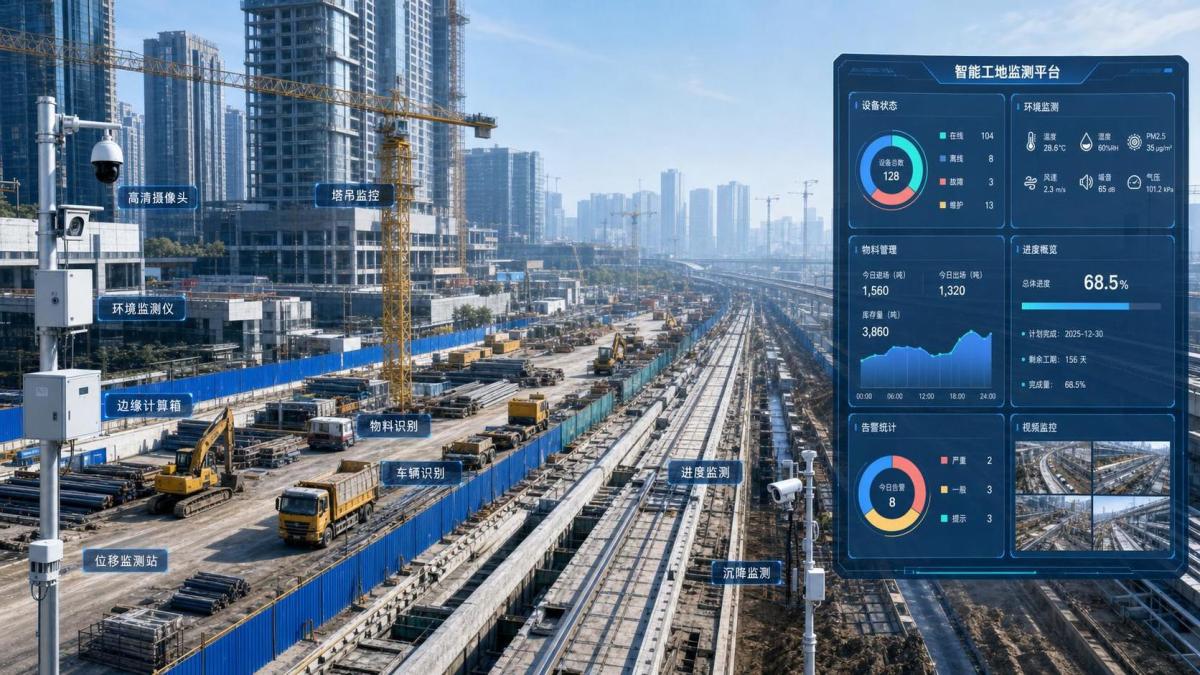
Smart jobsite monitoring matters because most schedule losses begin before anyone calls them delays.
A delivery slips by four hours, a crane waits for clearance, or rework spreads from one floor to another.
By the time these issues appear in a weekly report, recovery is already expensive.
That is why smart jobsite monitoring is becoming central across construction, rail, mining support works, and urban infrastructure projects.
The value is not in watching everything.
The value is in seeing the right signals early enough to change the outcome.
From GIUT’s heavy industry perspective, the strongest monitoring systems act like a digital twin for field reality.
They connect people flow, equipment status, material movement, safety exposure, and actual progress into one operating picture.
What actually prevents delays is not one device or dashboard.
It is the ability to detect deviation, assign responsibility quickly, and confirm whether corrective action worked.
Actual jobsite conditions change what smart jobsite monitoring should measure
Different sites lose time for different reasons, so monitoring priorities should not be treated as universal.
A high-rise project often struggles with vertical logistics, trade interference, and inspection sequencing.
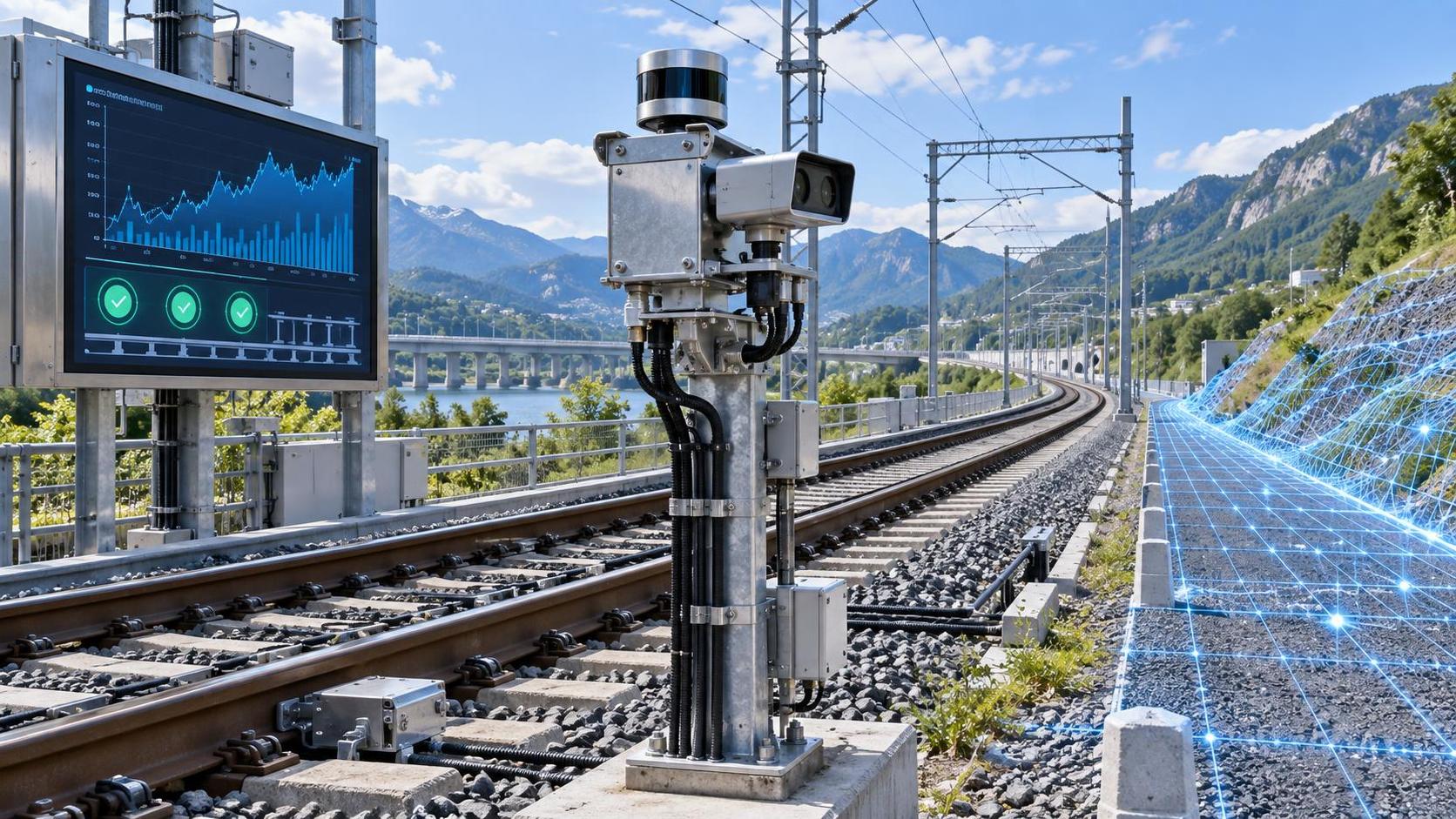
A road or rail corridor cares more about moving work fronts, asset tracking, and weather-driven productivity shifts.
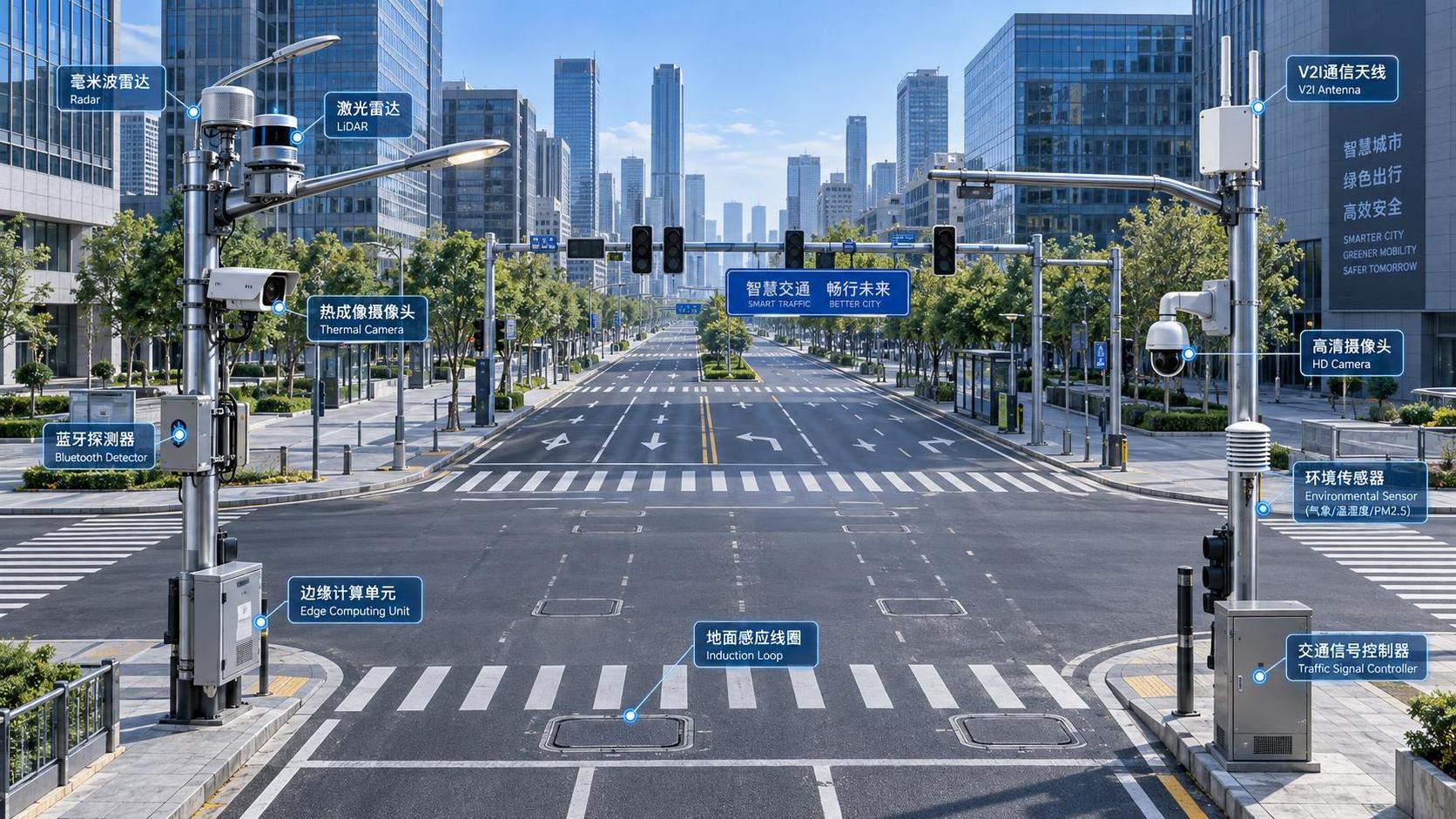
Utility upgrades inside a live city environment face permit windows, traffic constraints, and public safety exposure.
Even within one sector, the delay logic changes as a project moves from earthworks to structure, fit-out, testing, and handover.
In practice, smart jobsite monitoring should follow the activity that most often blocks the next activity.
That may be material availability, crew density, machine utilization, inspection approval, or temporary access management.
This is where many implementations become too generic.
They collect impressive data but miss the operational bottleneck that determines schedule performance.
On dense building sites, coordination failures create the first hidden delays
Dense vertical projects usually do not fail because activity is absent.
They fail because too many activities compete for the same path, lift, staging zone, or inspection slot.
Here, smart jobsite monitoring should focus on movement and sequence control.
Useful signals include worker distribution by floor, hoist turnaround time, concrete pour readiness, and area release status.
Video analytics can help, but only when linked to schedule logic.
If a system shows congestion without connecting it to delayed trade access, it remains observational rather than preventive.
A practical approach is to define a few schedule-critical zones and monitor them continuously.
That gives site teams a faster way to resolve conflicts before they spread through the day.
Linear infrastructure needs progress proof, not just site presence
Road, railway, pipeline, and transmission projects introduce a different challenge.
The site keeps moving, and distance itself becomes a coordination risk.
In these environments, smart jobsite monitoring should confirm what was completed, where it happened, and whether the next section is ready.
GPS-linked equipment tracking, drone-based quantity checks, and geofenced work packages are especially useful here.
The goal is not simply asset visibility.
The goal is progress verification that matches engineering tolerances and commercial milestones.
This matters for transport corridors and logistics arteries, where one missed handoff can idle multiple downstream crews.
A common mistake is to measure hours worked rather than work released.
Smart jobsite monitoring prevents delays better when it measures installable progress, not just attendance or machine runtime.
Live urban projects require tighter links between field data and public constraints
Urban utility and smart city projects rarely operate in controlled conditions.
Traffic diversion, nearby residents, environmental restrictions, and limited working hours all influence schedule reliability.
In this setting, smart jobsite monitoring should combine internal progress signals with external operating constraints.
Permit expiration, noise windows, spoil removal routes, and lane closure compliance may matter as much as production speed.
Projects tied to smart governance systems benefit when field monitoring also feeds city-level coordination.
That reduces the lag between incident detection and administrative response.
Without that link, the site may know the problem while the approval chain still operates blindly.
The monitoring mix should match the delay pattern
A useful way to judge smart jobsite monitoring is to map tools against recurring delay sources.
This comparison matters because no single sensor stack solves every timing problem.
The right system is the one that exposes the delay pattern early enough to change field decisions.
Where smart jobsite monitoring is often misjudged
One common misread is assuming more visibility automatically means better control.
If alerts are not linked to response rules, teams receive noise instead of guidance.
Another mistake is focusing on hardware coverage while ignoring data reliability at shift change, low connectivity zones, or subcontractor interfaces.
Some projects also overvalue real-time dashboards and undervalue historical patterns.
Yet many preventable delays repeat at the same hour, in the same zone, under the same access conditions.
Smart jobsite monitoring becomes far more useful when it identifies recurring friction, not just live exceptions.
There is also a cost-side blind spot.
Cheap deployment may look attractive, but fragmented tools often create extra reporting work and weak accountability.
A lower entry cost can lead to higher schedule risk if the system cannot support decision-making across the full project cycle.
A practical way to adapt monitoring before rollout
Before rollout, it helps to define the three delay events that hurt the program most.
Then work backward from each event to the signals that appear one shift or one day earlier.
That process usually reveals which data is essential and which is just interesting.
- Tie every monitoring point to a schedule decision, not only to a reporting need.
- Separate safety-critical alerts from production alerts so response paths stay clear.
- Test connectivity, battery life, and data handoff in the hardest operating zone first.
- Check whether equipment, workforce, and progress data can be compared on the same timeline.
- Review maintenance effort for cameras, tags, gateways, and analytics rules before scaling.
This is especially relevant in GIUT-covered sectors, where heavy assets, long project chains, and public infrastructure interfaces raise the cost of late correction.
What to confirm next before committing to smart jobsite monitoring
The strongest smart jobsite monitoring strategy starts with a site-specific question: what recurring uncertainty is actually driving delay?
Once that is clear, technology choices become more disciplined.
It becomes easier to compare progress capture methods, alert thresholds, integration limits, and field adoption effort.
For the next step, map major delay risks by phase, identify the earliest visible signal for each one, and verify who can act on that signal.
Then assess implementation difficulty, data ownership, maintenance load, and interface needs across contractors and operators.
That is usually where smart jobsite monitoring shifts from a technology purchase to a practical control system that keeps schedules intact.
Get weekly intelligence in your inbox.
No noise. No sponsored content. Pure intelligence.
News Recommendations
 Sep 19, 2026How an electronics application guide helps prevent component mismatchHow an electronics application guide helps prevent component mismatch
 Sep 18, 2026When a resource allocation platform improves project deliveryWhen a resource allocation platform improves project delivery
 Sep 17, 2026What to compare when evaluating mineral processing equipment manufacturersWhat to compare when evaluating mineral processing equipment manufacturers
 Sep 16, 2026How mineral separation optimization can reduce concentrate lossesHow mineral separation optimization can reduce concentrate losses
 Sep 15, 2026How to assess lifecycle costs in urban tech procurementHow to assess lifecycle costs in urban tech procurement
 Sep 14, 2026Heavy industry technology trends reshaping capital investment prioritiesHeavy industry technology trends reshaping capital investment priorities
 Sep 14, 2026Global Industrial Equipment Procurement: How Top OEMs Qualify Suppliers for Mining & Infrastructure ProjectsGlobal Industrial Equipment Procurement: How Top OEMs Qualify Suppliers for Mining & Infrastructure Projects
 Sep 14, 2026Industrial & Mining Equipment Procurement: Balancing Local Sourcing, Lead Time, and Certification RequirementsIndustrial & Mining Equipment Procurement: Balancing Local Sourcing, Lead Time, and Certification Requirements
 Sep 14, 2026Infrastructure & Equipment Upgrades: What Procurement Teams Must Verify Before Signing Off on New ContractsInfrastructure & Equipment Upgrades: What Procurement Teams Must Verify Before Signing Off on New Contracts
 Sep 14, 2026Why Infrastructure Equipment Buyers Are Shifting from Catalog-Based to Capability-Based Supplier SelectionWhy Infrastructure Equipment Buyers Are Shifting from Catalog-Based to Capability-Based Supplier Selection
 Sep 14, 2026Process Automation Project Execution: How to Align Supplier Capabilities with PLC Integration, Cybersecurity & Commissioning MilestonesProcess Automation Project Execution: How to Align Supplier Capabilities with PLC Integration, Cybersecurity & Commissioning Milestones
 Sep 14, 2026Are intelligent traffic systems worth the investment for small cities?Are intelligent traffic systems worth the investment for small cities?
 Sep 14, 2026How do intelligent traffic systems handle sensor failures?How do intelligent traffic systems handle sensor failures?
 Sep 14, 2026What should I check before accepting a smart building system?What should I check before accepting a smart building system?
 Sep 14, 2026Is a smart building system worth the maintenance cost?Is a smart building system worth the maintenance cost?
 Sep 14, 2026What data is needed for reliable resource allocation planning?What data is needed for reliable resource allocation planning?
 Sep 14, 2026How can resource allocation software reduce equipment idle time?How can resource allocation software reduce equipment idle time?
 Sep 14, 2026How should smart devices be maintained in harsh outdoor conditions?How should smart devices be maintained in harsh outdoor conditions?
 Sep 14, 2026Do smart devices improve worker safety on construction sites?Do smart devices improve worker safety on construction sites?
 Sep 14, 2026What environmental risks must be assessed before deep-sea mining?What environmental risks must be assessed before deep-sea mining?
 Sep 14, 2026Is deep-sea mining equipment commercially viable in 2026?Is deep-sea mining equipment commercially viable in 2026?
 Sep 14, 2026What Inspection Checks Should Procurement Teams Perform Before Ordering Dredging Equipment in 2026?What Inspection Checks Should Procurement Teams Perform Before Ordering Dredging Equipment in 2026?
 Sep 13, 2026How to verify an industrial product information source before specifying equipmentHow to verify an industrial product information source before specifying equipment
 Sep 12, 2026Which intelligent traffic systems hardware fits an urban intersection?Which intelligent traffic systems hardware fits an urban intersection?
 Sep 11, 2026How pump capacity affects response coverage for municipal fire fighting vehiclesHow pump capacity affects response coverage for municipal fire fighting vehicles
 Sep 10, 2026What to verify before choosing a heavy industry equipment supplierWhat to verify before choosing a heavy industry equipment supplier
 Sep 09, 2026When do adaptive urban traffic control systems reduce corridor delays?When do adaptive urban traffic control systems reduce corridor delays?