Urban Technology Solutions Europe: Which Systems Deliver Measurable ROI?
Urban Technology Solutions Europe: Which Systems Deliver Measurable ROI?
For financial decision-makers, investing in urban technology solutions Europe is no longer about innovation alone. It is about measurable returns, tighter control, and stronger long-term asset value.
Across Europe, cities and infrastructure operators face rising energy costs, aging assets, labor shortages, and stricter sustainability targets. That pressure is changing how technology budgets are approved.
The stronger signal is this: buyers now expect urban technology solutions Europe to prove operational savings within a realistic payback window, not just promise digital transformation.
In practice, the systems with the clearest ROI usually share three traits. They reduce recurring operating costs, improve service reliability, and generate data that supports faster management decisions.
This matters for transport agencies, municipalities, utilities, logistics hubs, and public building portfolios. The right platform can cut waste, extend asset life, and lower exposure to service disruption.
The challenge is that not every smart city investment delivers value at the same speed. Some systems show visible savings in months. Others need a longer horizon and stronger integration discipline.
Below is a practical look at which urban technology solutions Europe tend to deliver measurable ROI, where the savings come from, and how to evaluate them without relying on vague vendor claims.
Where Urban Technology Solutions Europe Usually Create the Fastest Returns
Not all systems deserve equal priority. From a procurement and cost perspective, the fastest returns usually come from technologies linked to energy, labor, maintenance, and traffic flow.
1. Smart grid and energy management platforms
Energy management remains one of the strongest ROI categories in urban technology solutions Europe. Utility volatility alone has made building and district energy optimization a budget priority.
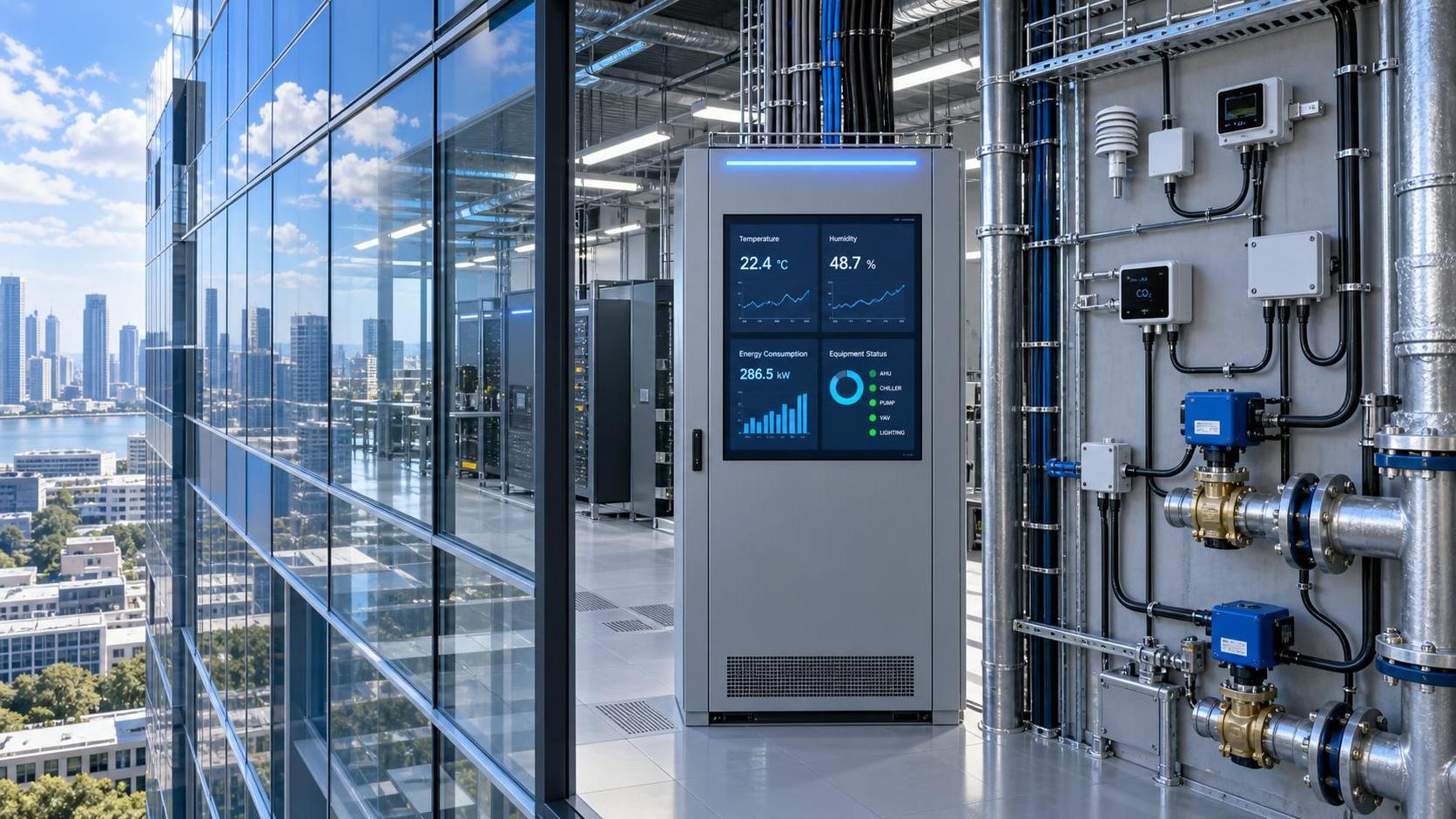
These systems improve load balancing, peak demand control, equipment scheduling, and real-time monitoring. Savings usually come from lower energy consumption, fewer penalties, and reduced manual oversight.
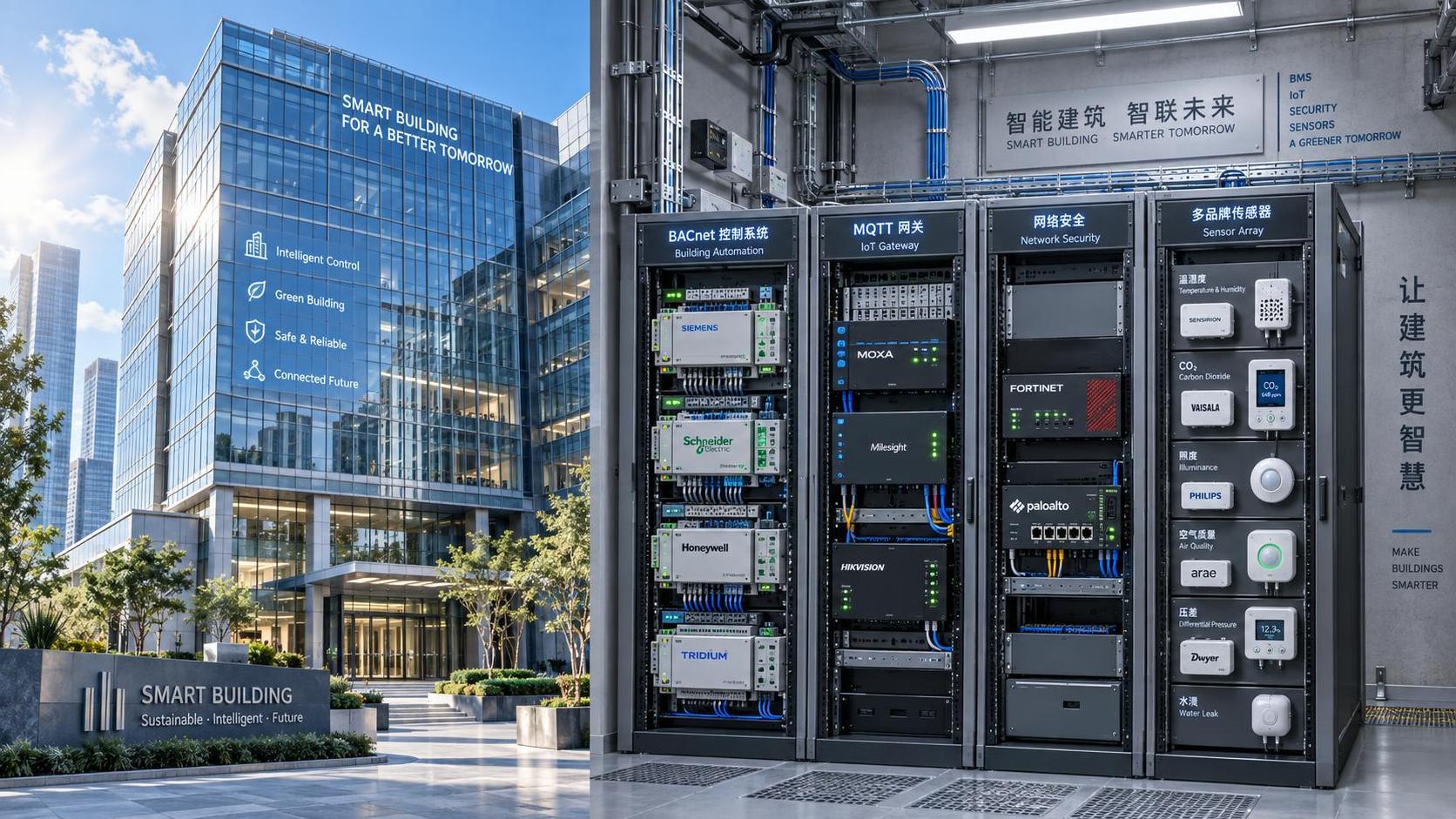
In mixed-use districts, intelligent building controls often produce quick wins. HVAC, lighting, occupancy sensors, and predictive maintenance can reduce spend without major structural change.
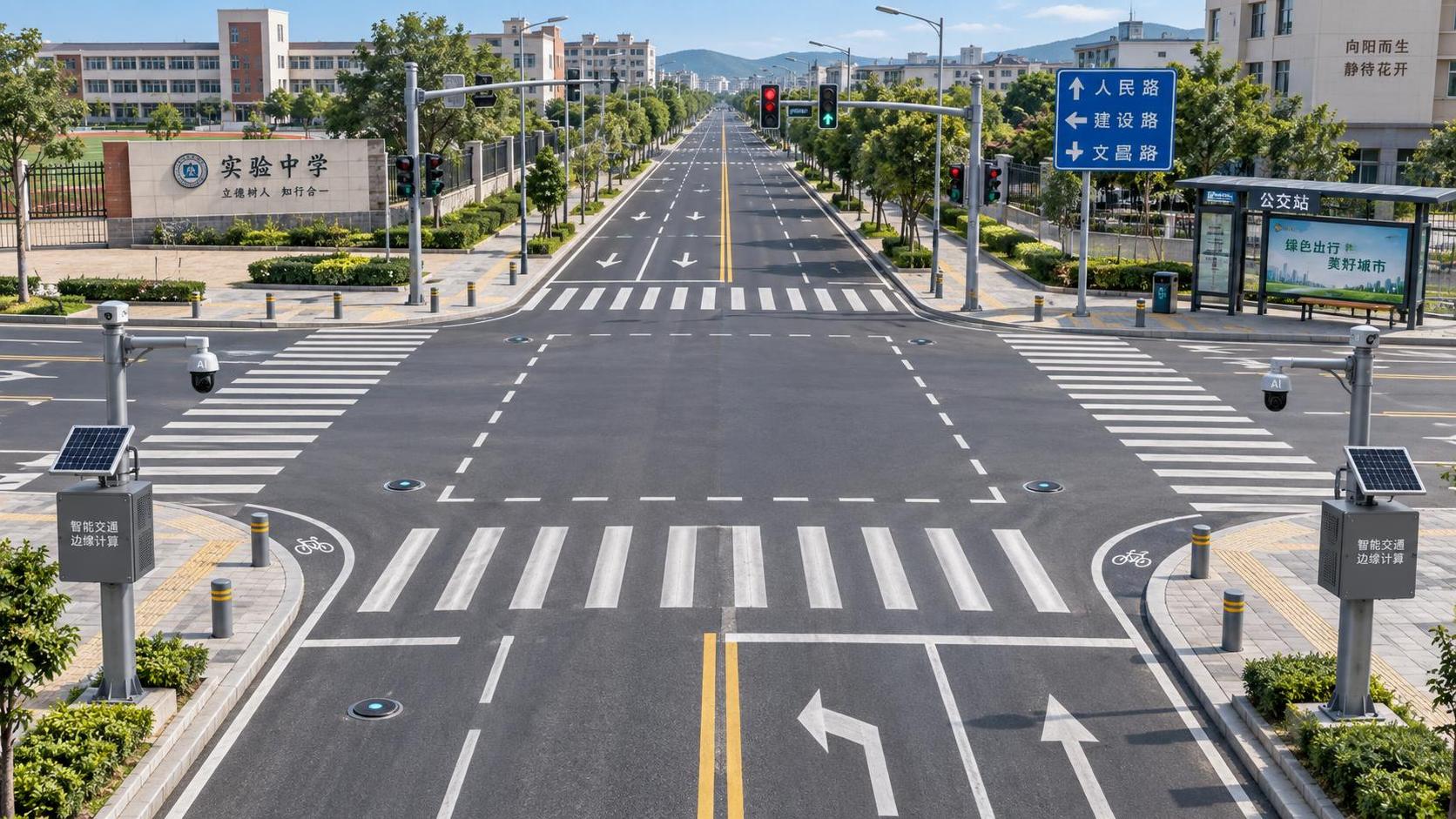
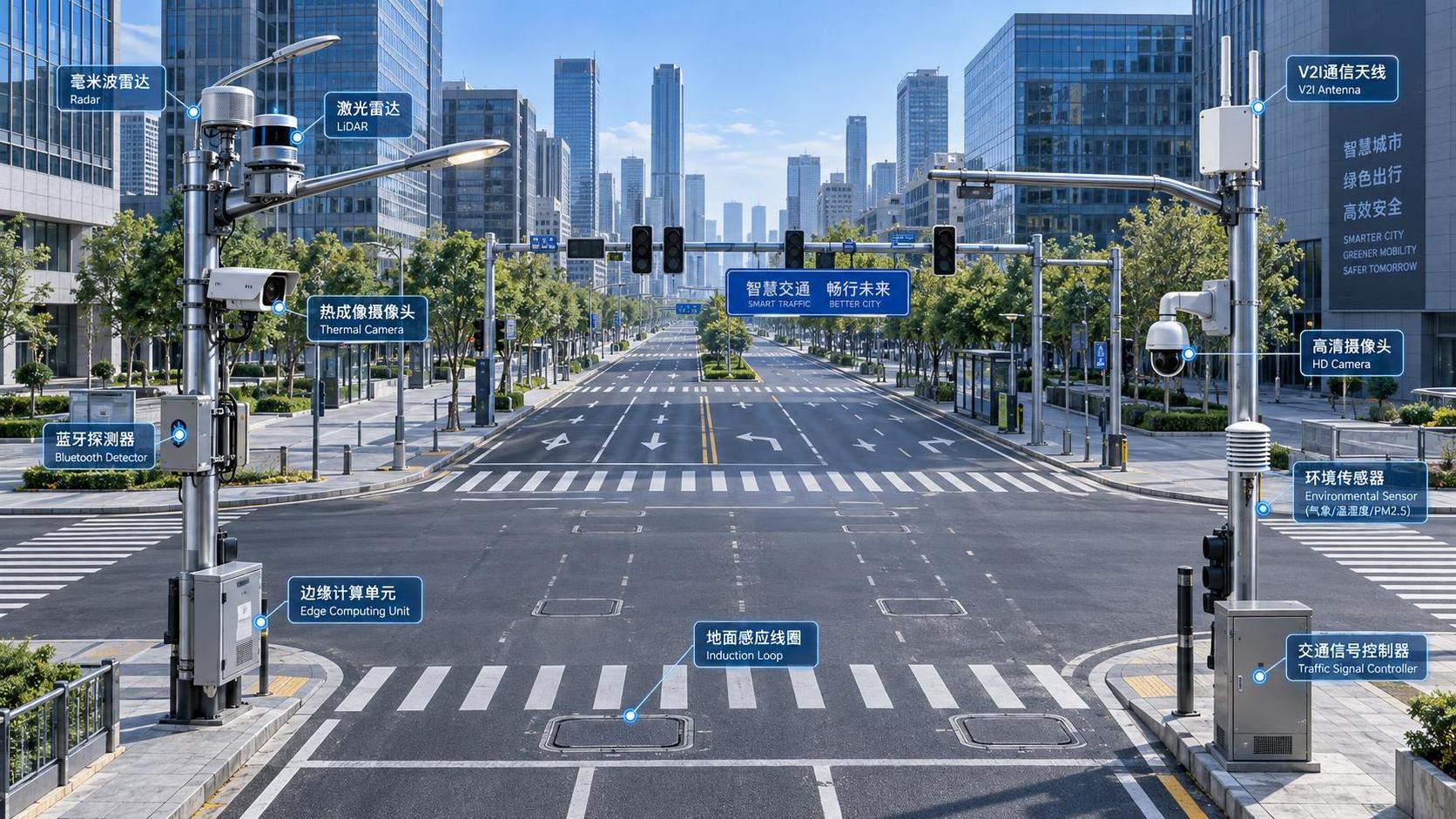
2. Intelligent traffic management systems
Traffic technology creates ROI when congestion has a direct financial impact. That includes fuel waste, delayed public transport, emergency response inefficiency, and productivity losses across logistics corridors.
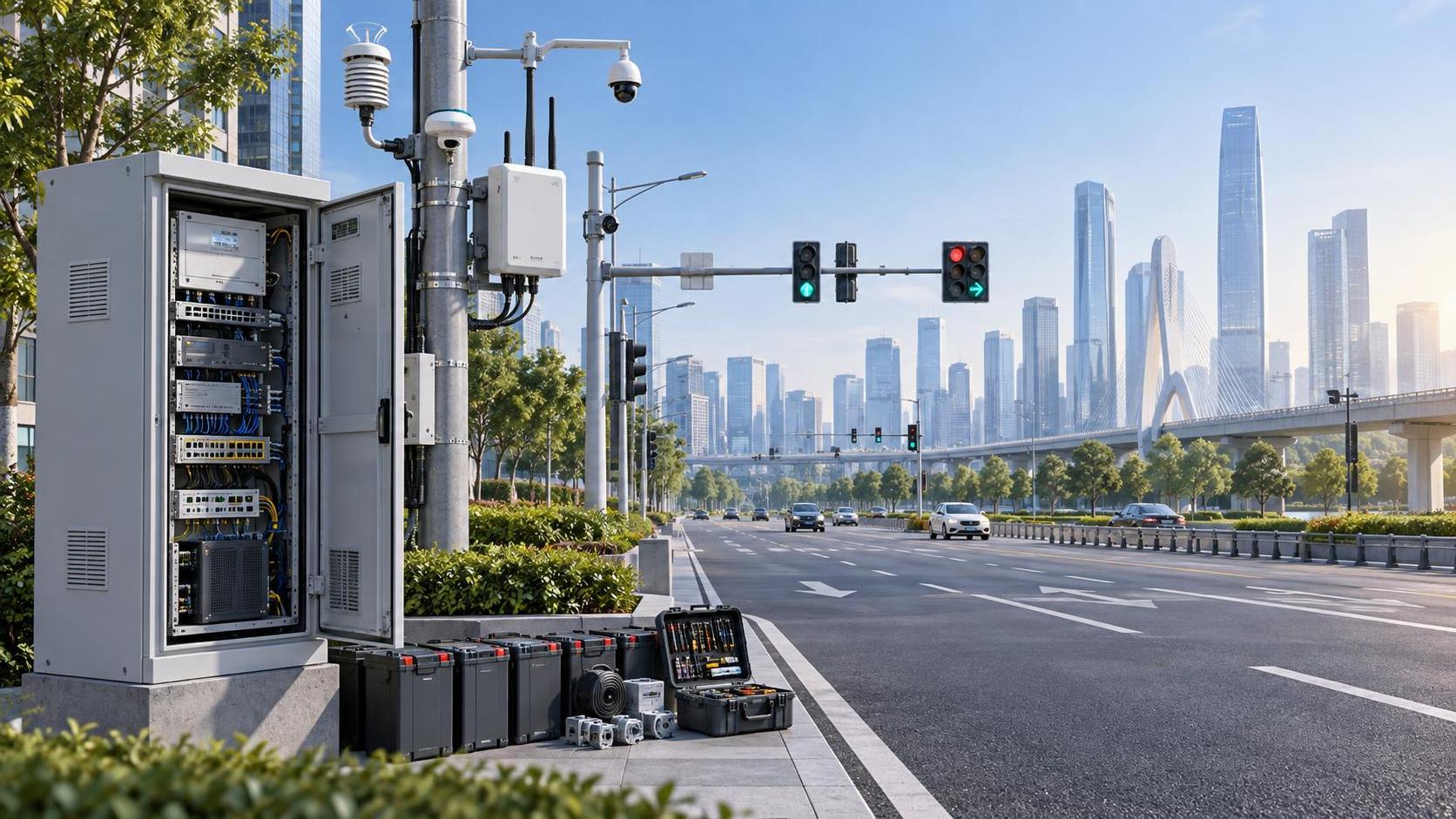
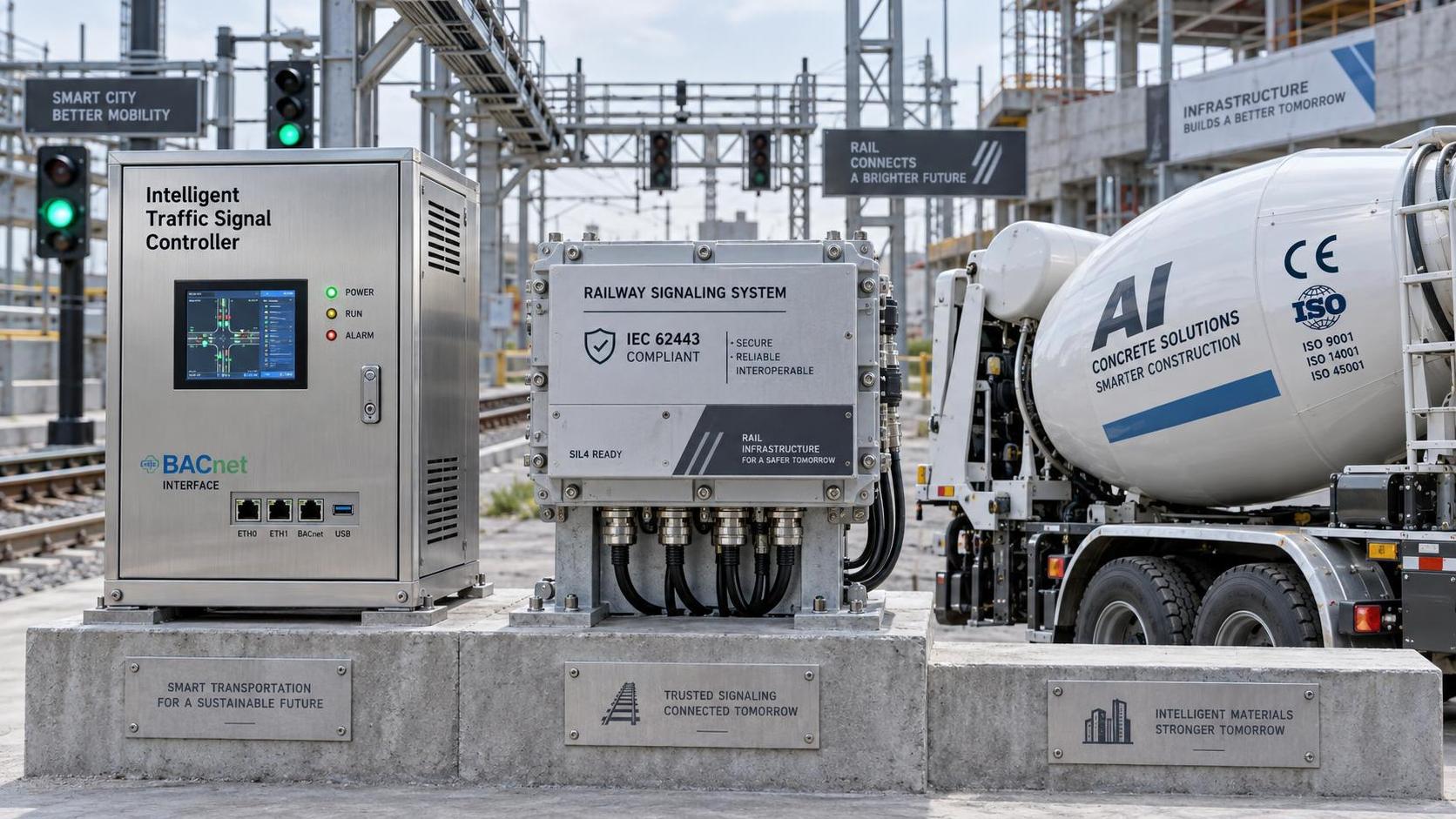
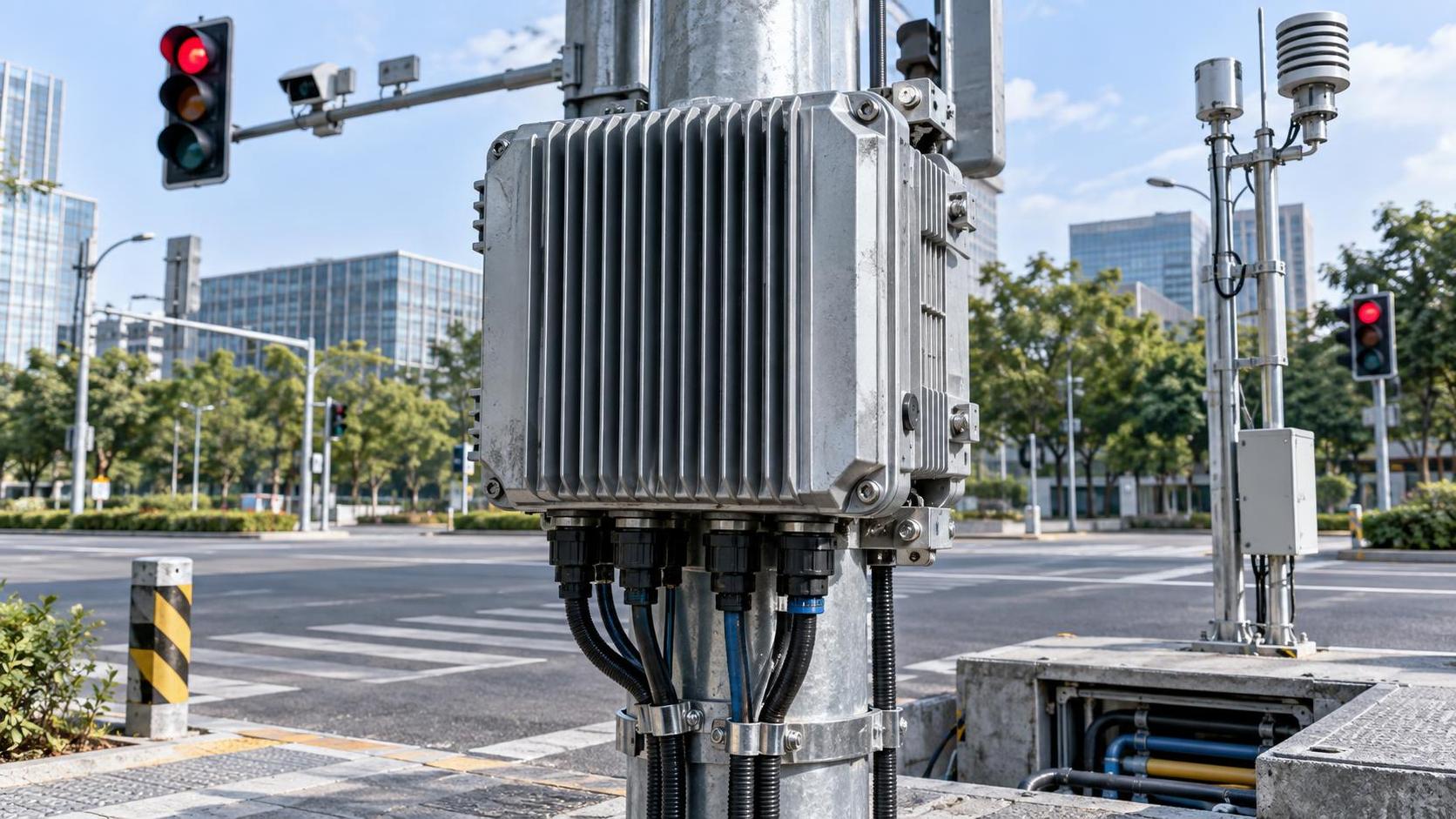
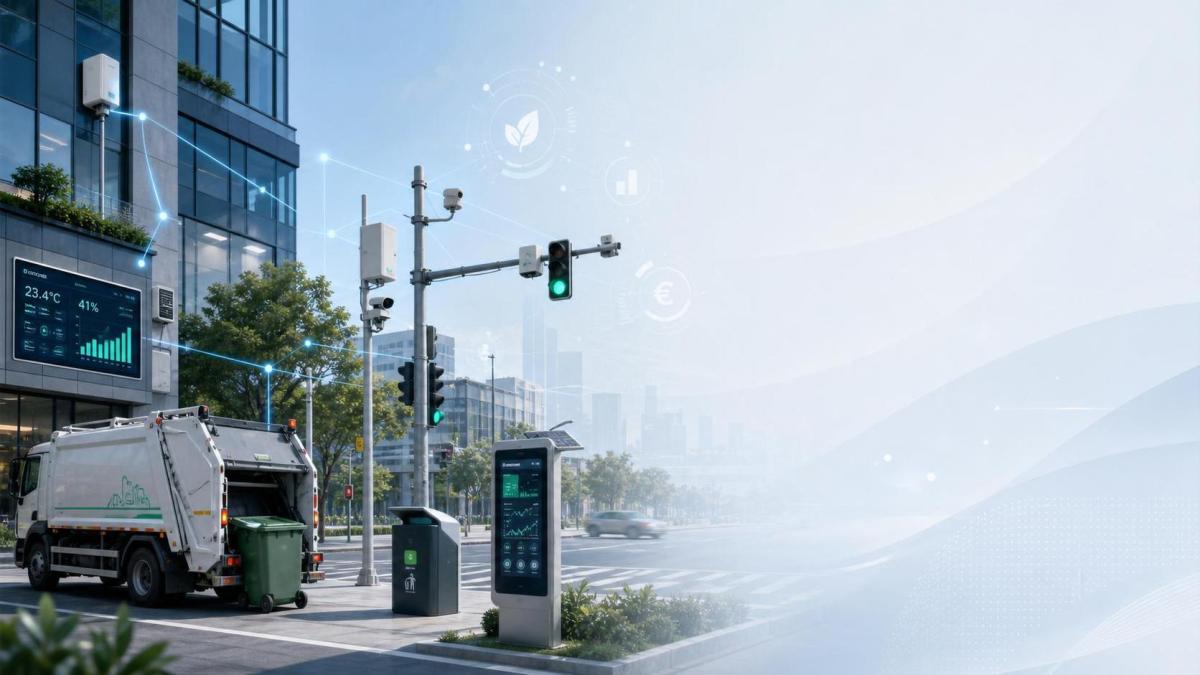
Adaptive signaling, corridor analytics, incident detection, and demand-responsive control can improve throughput using existing infrastructure. That is why many urban technology solutions Europe focus on smarter use of installed assets.
The ROI case becomes stronger when cities already have sensor coverage, camera networks, or connected intersections. In those cases, software-led improvement can outperform large capital expansion.
3. Automated waste collection and route optimization
Waste systems are less visible in public debate, yet often easier to justify financially. Sensor-based fill monitoring and route optimization reduce unnecessary trips, fuel use, vehicle wear, and overtime costs.
For dense urban areas, this category of urban technology solutions Europe also improves service quality. Overflow events drop, complaints decrease, and operations become easier to audit.
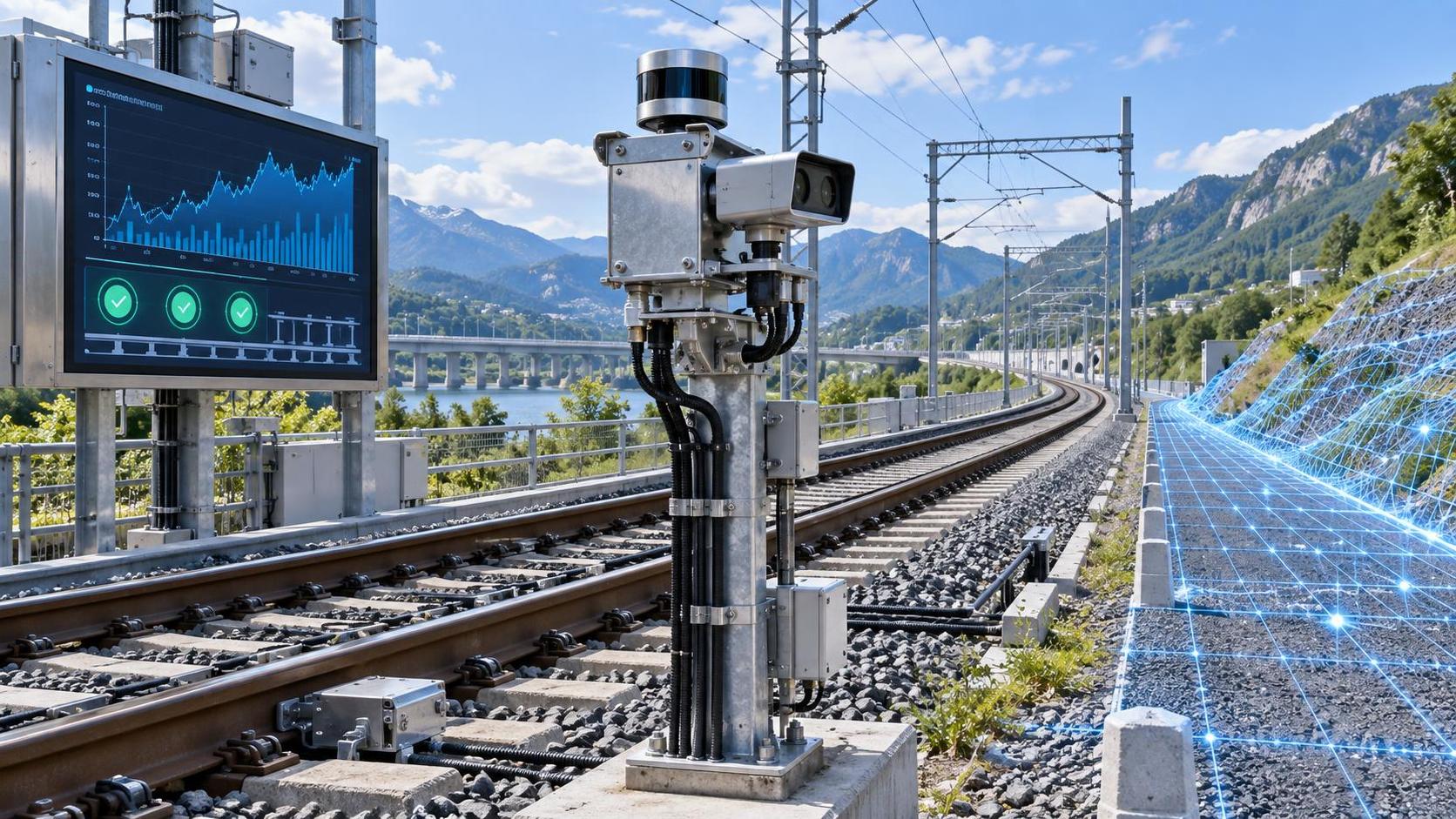
4. Asset monitoring for rail, roads, and public facilities
Condition monitoring platforms deliver value by shifting maintenance from reactive to predictive. That change reduces downtime, prevents emergency repair premiums, and helps stretch capital replacement cycles.
For Europe’s aging infrastructure, this is increasingly important. The best urban technology solutions Europe do not just collect data. They turn inspection, fault prediction, and maintenance planning into budget control tools.
How to Judge ROI Without Getting Lost in Smart City Hype
A strong business case depends less on technical complexity and more on cost clarity. In real procurement work, the best decisions come from tracing value back to specific operational drivers.
When reviewing urban technology solutions Europe, focus on measurable inputs first. That keeps the discussion grounded before strategic or branding benefits enter the approval process.
Key ROI metrics to test
- Energy cost reduction per site, district, or asset class
- Labor hours saved through automation or better scheduling
- Maintenance cost avoidance from earlier fault detection
- Vehicle, fuel, and route efficiency gains
- Downtime reduction for critical services and equipment
- Revenue protection tied to better uptime or throughput
- Compliance savings and lower exposure to penalties
It also helps to separate direct ROI from strategic ROI. Direct ROI includes hard savings. Strategic ROI includes resilience, carbon reporting quality, and better public accountability.
Both matter, but they should not be mixed carelessly. Many urban technology solutions Europe look attractive because strategic benefits are real, yet the immediate financial case remains weak.
A practical evaluation table
What Usually Undermines ROI in Urban Technology Solutions Europe
Most failed smart city investments do not fail because the technology is useless. They fail because implementation assumptions are too optimistic or the operating model is not ready.
That is why cost-conscious buyers should pressure-test the delivery model as hard as the software itself. For urban technology solutions Europe, execution risk can erase projected savings quickly.
Common ROI blockers
- Weak baseline measurement before deployment
- Heavy customization that inflates lifecycle cost
- Vendor lock-in with unclear upgrade pricing
- Disconnected data across departments and contractors
- Staff workflows that remain manual after installation
- Cybersecurity and compliance gaps that trigger extra spend
A frequent mistake is buying a broad platform before confirming a clear use case. Large suites often sound efficient, but smaller targeted deployments can produce stronger evidence and lower risk.
Another issue is underestimating data governance. Many urban technology solutions Europe rely on cross-system visibility. If ownership, quality, and access rules are unclear, reporting becomes unreliable.
There is also the procurement trap of focusing too much on initial capex. A cheaper bid can become more expensive when maintenance, integration, licensing, and service support are fully counted.
How to Build a More Defensible Investment Case
A defensible investment case for urban technology solutions Europe starts with operational pain, not technology enthusiasm. The question is simple: where is money leaking today?
The answer may be excessive energy use, unplanned outages, route inefficiency, inspection backlogs, or congestion costs. Once that is clear, solution screening becomes more disciplined.
A practical procurement sequence
- Define the cost problem in measurable terms
- Establish a twelve-month baseline using trusted data
- Limit the pilot to one corridor, district, or asset group
- Ask vendors to map savings to named operating metrics
- Test integration, training, and cybersecurity requirements early
- Review total cost of ownership over three to seven years
- Scale only after performance evidence is confirmed
This staged approach is especially useful in European public and regulated sectors. It supports accountability, reduces adoption friction, and makes future budget requests easier to defend.
GIUT’s broader industry view points in the same direction. The most valuable systems connect physical assets with actionable intelligence, but value appears only when deployment discipline is equally strong.
For that reason, the best urban technology solutions Europe are rarely the most ambitious on paper. They are the ones that fit asset realities, operating capacity, and financial control requirements.
Which Systems Deserve Priority Right Now?
If priority must be set quickly, start with systems tied to visible cost pressure and available baseline data. That usually means energy platforms, waste optimization, and targeted asset monitoring.
Traffic systems should follow where congestion has clear economic consequences and enough network data already exists. In the right setting, they can become high-impact urban technology solutions Europe.
The wider point is straightforward. Measurable ROI comes from choosing systems that solve current operating problems, not from buying the broadest smart city narrative.
Urban technology solutions Europe can absolutely deliver strong returns. The strongest candidates are those with clear savings logic, manageable integration demands, and evidence that performance can be tracked from day one.
For any upcoming investment cycle, build the shortlist around operational proof, total lifecycle cost, and implementation readiness. That is how digital infrastructure spending turns into defensible financial performance.
Get weekly intelligence in your inbox.
No noise. No sponsored content. Pure intelligence.
News Recommendations
 Sep 19, 2026How an electronics application guide helps prevent component mismatchHow an electronics application guide helps prevent component mismatch
 Sep 18, 2026When a resource allocation platform improves project deliveryWhen a resource allocation platform improves project delivery
 Sep 17, 2026What to compare when evaluating mineral processing equipment manufacturersWhat to compare when evaluating mineral processing equipment manufacturers
 Sep 16, 2026How mineral separation optimization can reduce concentrate lossesHow mineral separation optimization can reduce concentrate losses
 Sep 15, 2026How to assess lifecycle costs in urban tech procurementHow to assess lifecycle costs in urban tech procurement
 Sep 14, 2026Heavy industry technology trends reshaping capital investment prioritiesHeavy industry technology trends reshaping capital investment priorities
 Sep 14, 2026Global Industrial Equipment Procurement: How Top OEMs Qualify Suppliers for Mining & Infrastructure ProjectsGlobal Industrial Equipment Procurement: How Top OEMs Qualify Suppliers for Mining & Infrastructure Projects
 Sep 14, 2026Industrial & Mining Equipment Procurement: Balancing Local Sourcing, Lead Time, and Certification RequirementsIndustrial & Mining Equipment Procurement: Balancing Local Sourcing, Lead Time, and Certification Requirements
 Sep 14, 2026Infrastructure & Equipment Upgrades: What Procurement Teams Must Verify Before Signing Off on New ContractsInfrastructure & Equipment Upgrades: What Procurement Teams Must Verify Before Signing Off on New Contracts
 Sep 14, 2026Why Infrastructure Equipment Buyers Are Shifting from Catalog-Based to Capability-Based Supplier SelectionWhy Infrastructure Equipment Buyers Are Shifting from Catalog-Based to Capability-Based Supplier Selection
 Sep 14, 2026Process Automation Project Execution: How to Align Supplier Capabilities with PLC Integration, Cybersecurity & Commissioning MilestonesProcess Automation Project Execution: How to Align Supplier Capabilities with PLC Integration, Cybersecurity & Commissioning Milestones
 Sep 14, 2026Are intelligent traffic systems worth the investment for small cities?Are intelligent traffic systems worth the investment for small cities?
 Sep 14, 2026How do intelligent traffic systems handle sensor failures?How do intelligent traffic systems handle sensor failures?
 Sep 14, 2026What should I check before accepting a smart building system?What should I check before accepting a smart building system?
 Sep 14, 2026Is a smart building system worth the maintenance cost?Is a smart building system worth the maintenance cost?
 Sep 14, 2026What data is needed for reliable resource allocation planning?What data is needed for reliable resource allocation planning?
 Sep 14, 2026How can resource allocation software reduce equipment idle time?How can resource allocation software reduce equipment idle time?
 Sep 14, 2026How should smart devices be maintained in harsh outdoor conditions?How should smart devices be maintained in harsh outdoor conditions?
 Sep 14, 2026Do smart devices improve worker safety on construction sites?Do smart devices improve worker safety on construction sites?
 Sep 14, 2026What environmental risks must be assessed before deep-sea mining?What environmental risks must be assessed before deep-sea mining?
 Sep 14, 2026Is deep-sea mining equipment commercially viable in 2026?Is deep-sea mining equipment commercially viable in 2026?
 Sep 14, 2026What Inspection Checks Should Procurement Teams Perform Before Ordering Dredging Equipment in 2026?What Inspection Checks Should Procurement Teams Perform Before Ordering Dredging Equipment in 2026?
 Sep 13, 2026How to verify an industrial product information source before specifying equipmentHow to verify an industrial product information source before specifying equipment
 Sep 12, 2026Which intelligent traffic systems hardware fits an urban intersection?Which intelligent traffic systems hardware fits an urban intersection?
 Sep 11, 2026How pump capacity affects response coverage for municipal fire fighting vehiclesHow pump capacity affects response coverage for municipal fire fighting vehicles
 Sep 10, 2026What to verify before choosing a heavy industry equipment supplierWhat to verify before choosing a heavy industry equipment supplier
 Sep 09, 2026When do adaptive urban traffic control systems reduce corridor delays?When do adaptive urban traffic control systems reduce corridor delays?