Railway Infrastructure Equipment: What to Compare Before You Invest
Railway infrastructure equipment sits at the center of network reliability, passenger safety, freight efficiency, and long-term asset performance. Investment decisions rarely fail because one machine was expensive. They fail when equipment is compared too narrowly, without enough attention to lifecycle cost, technical fit, maintenance burden, digital compatibility, and the operational realities of the line it will support.
That is why railway infrastructure equipment now attracts wider interest across infrastructure planning, urban mobility, and heavy industry strategy. In the GIUT view of connected physical systems, rail assets are not isolated purchases. They are part of a broader backbone that links construction quality, smart governance, logistics continuity, and sustainable city development.
What falls under railway infrastructure equipment
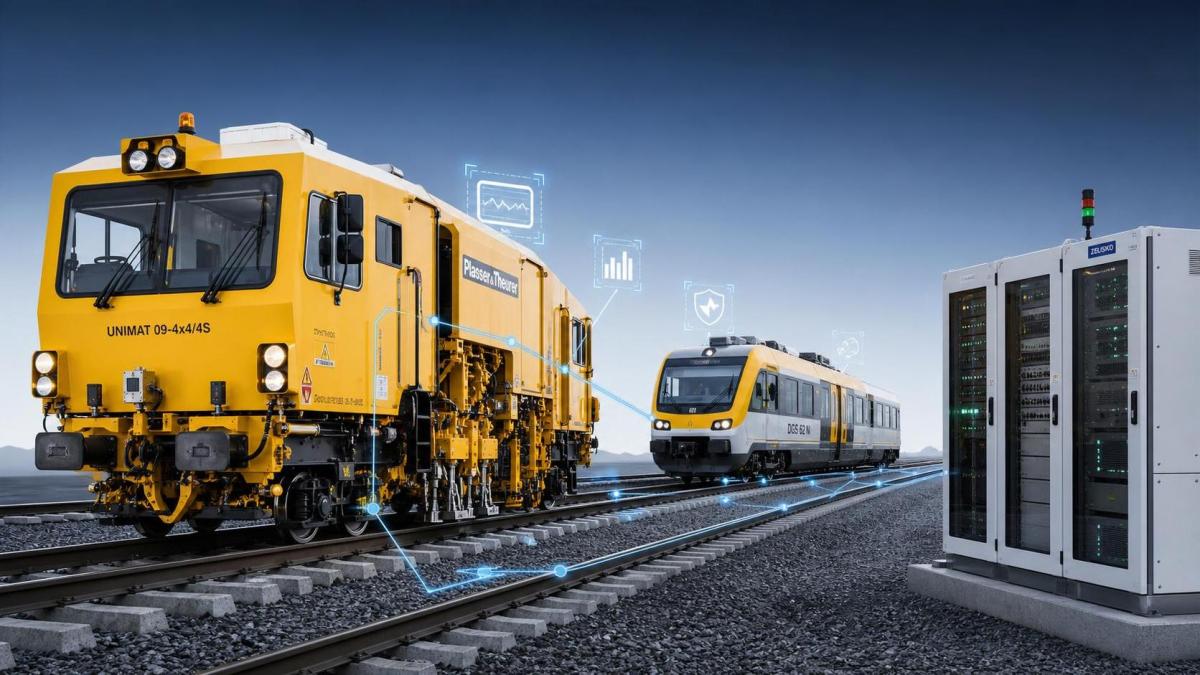
The term covers far more than track components. It includes the systems and machines that build, inspect, maintain, power, protect, and monitor railway corridors.
Typical categories include tamping machines, rail grinders, ballast regulators, track laying equipment, inspection vehicles, signaling hardware, power supply units, communication systems, and condition monitoring tools.
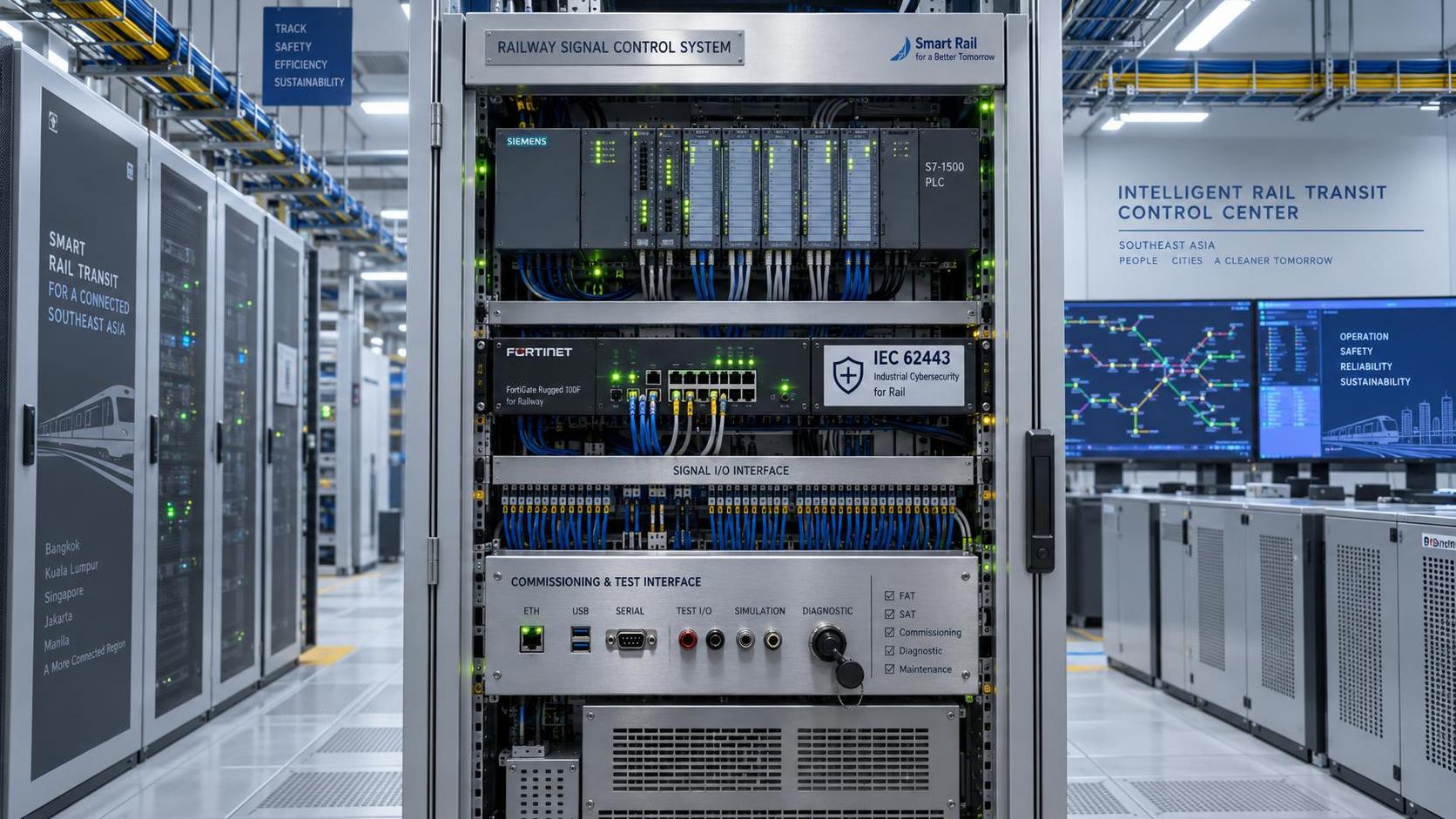
Some buyers focus on visible equipment with obvious mechanical output. Yet less visible assets, such as signaling interfaces or diagnostic platforms, often shape operational reliability just as strongly.
In practice, railway infrastructure equipment should be understood as an asset family. Each item supports a specific stage in the network lifecycle, from construction and commissioning to routine maintenance and capacity upgrades.
Why the comparison process has become more demanding
Rail networks are under pressure to do more with less downtime. Capacity expectations are rising, while budgets, labor availability, and decarbonization targets are tightening.
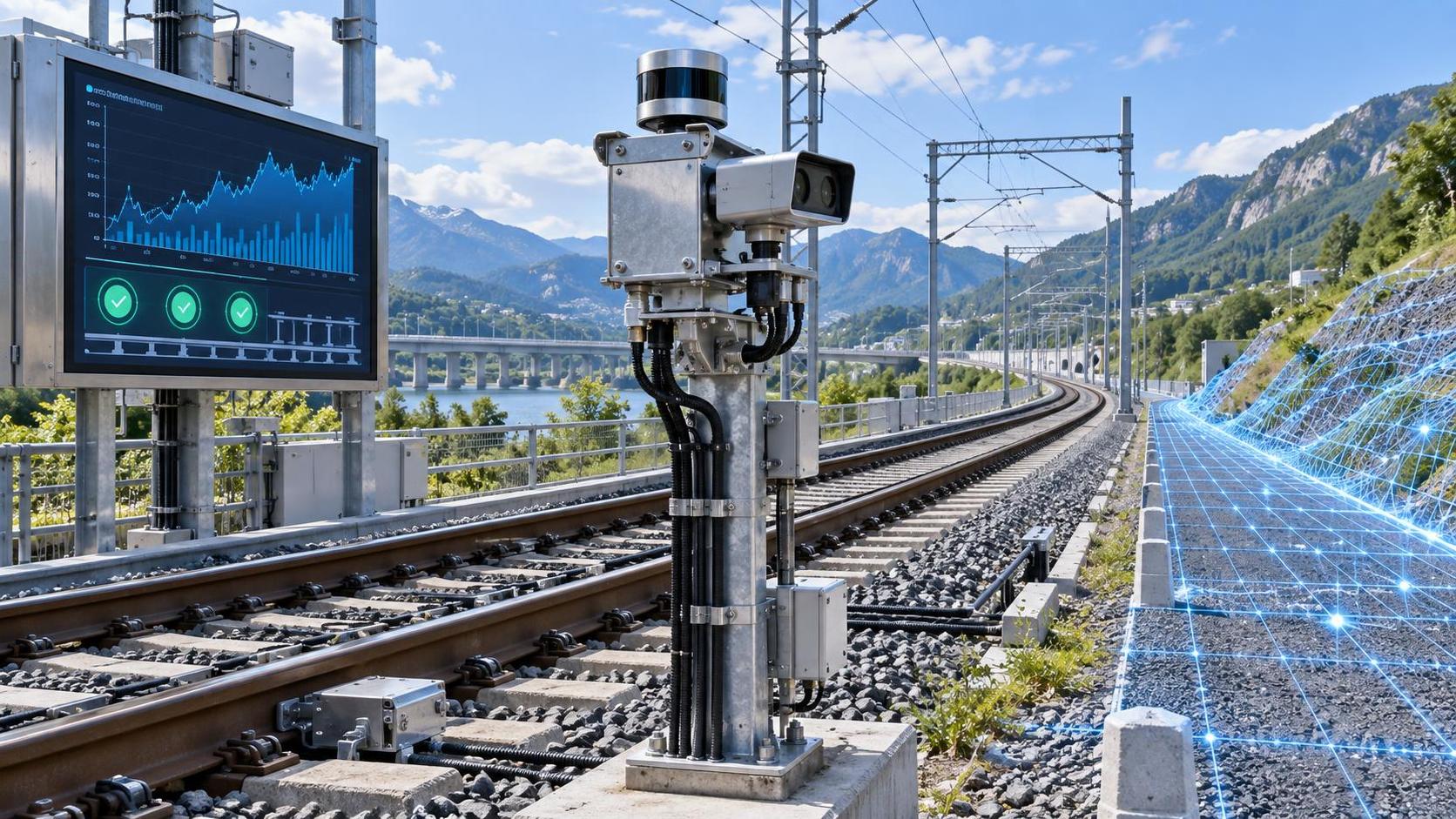
At the same time, railway infrastructure equipment is becoming more intelligent. Sensors, software, remote diagnostics, and predictive maintenance functions are now part of many specifications.
That changes the buying logic. A lower upfront quote may hide higher integration costs, limited interoperability, or expensive service dependencies later.
GIUT consistently tracks this shift across railway and logistics arteries. The market is moving away from simple hardware selection toward system-level evaluation, where equipment value depends on how well it fits a wider operating environment.
The factors worth comparing before you invest
A useful comparison starts with the line itself. High-speed corridors, metro systems, regional passenger routes, and heavy-haul freight lines place different demands on railway infrastructure equipment.
From there, several dimensions deserve close review.
Lifecycle cost, not purchase price
Capital cost matters, but it is only the visible layer. Energy use, spare parts, scheduled maintenance, operator training, software licensing, and downtime exposure can outweigh the initial price gap.
A machine with lower wear rates or faster maintenance cycles may produce better value over ten years, even when the invoice is higher on day one.
Compatibility with existing assets
Railway infrastructure equipment must fit the current network, not just a brochure specification. Track gauge, axle load, electrification type, signal architecture, and fleet interfaces all affect suitability.
Compatibility also includes data. If inspection systems cannot exchange usable information with maintenance platforms, part of the investment value disappears.
Safety and regulatory alignment
Certification is not a box-ticking exercise. Buyers should verify compliance with applicable national standards, rail authority requirements, worker safety rules, and environmental controls.
Where cross-border operations matter, standards alignment becomes even more important. Reapproval delays can disrupt deployment schedules and increase project risk.
Maintenance efficiency and service access
The best railway infrastructure equipment is not always the most advanced model. It is often the one that can be maintained quickly, supported locally, and restored without waiting weeks for a specialist visit.
Service network depth, parts availability, remote troubleshooting, and mean time to repair should all be part of the comparison.
Upgrade path and digital readiness
Rail operators increasingly need assets that can support analytics, automation, and condition-based maintenance. Equipment locked into closed systems may become a constraint later.
An upgrade path matters because infrastructure spending usually extends across decades, while software and communications environments evolve much faster.
A practical comparison framework
The most useful procurement reviews translate broad concerns into a structured comparison. A simple matrix helps separate headline claims from operational consequences.
This kind of framework is especially useful when comparing railway infrastructure equipment from vendors with different strengths. One may lead in mechanical durability, another in digital functionality, and another in support responsiveness.
Where investment mistakes usually happen
Procurement errors are often predictable. Many appear long before a contract is signed.
- Comparing only unit price without modeling maintenance and downtime cost.
- Assuming vendor specifications match local operating conditions.
- Overlooking software dependency, subscription cost, or cybersecurity exposure.
- Failing to confirm lead times for critical spare parts.
- Treating railway infrastructure equipment as a standalone purchase instead of a system asset.
In actual use, these issues can create long commissioning periods, underused features, or maintenance bottlenecks that erode expected returns.
How different scenarios change the decision
The right choice depends heavily on the network context. Not all railway infrastructure equipment should be judged by the same priorities.
Urban rail and metro systems
Short maintenance windows make reliability and rapid servicing critical. Compact equipment footprints and strong diagnostic functions often matter more than peak output.
High-speed rail corridors
Precision, vibration control, and compliance with strict safety regimes are central. Small deviations can have significant operational consequences at higher speeds.
Freight and heavy-haul routes
Durability, axle load tolerance, and maintenance resilience usually outweigh cosmetic features. Harsh conditions call for robust structures and dependable parts supply.
Expansion projects in developing networks
Training support, local service capability, and modular upgrades become more important. Equipment that performs well in mature systems may struggle where technical ecosystems are still developing.
Why broader infrastructure thinking matters
Rail investments increasingly connect with wider urban and industrial priorities. Signaling modernization affects traffic management. Maintenance efficiency affects freight resilience. Energy performance affects sustainability targets.
This is where GIUT’s integrated perspective becomes useful. Railway infrastructure equipment should be assessed not only as a technical purchase, but also as part of a larger physical-intelligent system.
A well-judged investment can strengthen network uptime, improve asset transparency, and support future smart-city coordination. A poor fit can lock an operator into fragmented data, avoidable service cost, and weak operational flexibility.
What to do before moving to supplier shortlists
Before comparing brands in detail, it helps to clarify the operating brief. That means documenting line conditions, expected utilization, maintenance philosophy, compliance needs, and digital integration requirements.
Then build a weighted evaluation model. Not every project should assign the same value to speed, service access, energy efficiency, or software openness.
The next step is disciplined evidence gathering. Ask for reference installations, service records, spare parts commitments, and data interface details, not only performance claims.
When railway infrastructure equipment is assessed through that lens, investment decisions become clearer. The goal is not to buy the most advanced option on paper. It is to select the equipment that will perform reliably, integrate cleanly, and remain valuable across the network’s real operating life.
Get weekly intelligence in your inbox.
No noise. No sponsored content. Pure intelligence.
News Recommendations
 Sep 19, 2026How an electronics application guide helps prevent component mismatchHow an electronics application guide helps prevent component mismatch
 Sep 18, 2026When a resource allocation platform improves project deliveryWhen a resource allocation platform improves project delivery
 Sep 17, 2026What to compare when evaluating mineral processing equipment manufacturersWhat to compare when evaluating mineral processing equipment manufacturers
 Sep 16, 2026How mineral separation optimization can reduce concentrate lossesHow mineral separation optimization can reduce concentrate losses
 Sep 15, 2026How to assess lifecycle costs in urban tech procurementHow to assess lifecycle costs in urban tech procurement
 Sep 14, 2026Heavy industry technology trends reshaping capital investment prioritiesHeavy industry technology trends reshaping capital investment priorities
 Sep 14, 2026Why Infrastructure Equipment Buyers Are Shifting from Catalog-Based to Capability-Based Supplier SelectionWhy Infrastructure Equipment Buyers Are Shifting from Catalog-Based to Capability-Based Supplier Selection
 Sep 14, 2026Process Automation Project Execution: How to Align Supplier Capabilities with PLC Integration, Cybersecurity & Commissioning MilestonesProcess Automation Project Execution: How to Align Supplier Capabilities with PLC Integration, Cybersecurity & Commissioning Milestones
 Sep 14, 2026Are intelligent traffic systems worth the investment for small cities?Are intelligent traffic systems worth the investment for small cities?
 Sep 14, 2026How do intelligent traffic systems handle sensor failures?How do intelligent traffic systems handle sensor failures?
 Sep 14, 2026What should I check before accepting a smart building system?What should I check before accepting a smart building system?
 Sep 14, 2026Is a smart building system worth the maintenance cost?Is a smart building system worth the maintenance cost?
 Sep 14, 2026What data is needed for reliable resource allocation planning?What data is needed for reliable resource allocation planning?
 Sep 14, 2026How can resource allocation software reduce equipment idle time?How can resource allocation software reduce equipment idle time?
 Sep 14, 2026How should smart devices be maintained in harsh outdoor conditions?How should smart devices be maintained in harsh outdoor conditions?
 Sep 14, 2026Do smart devices improve worker safety on construction sites?Do smart devices improve worker safety on construction sites?
 Sep 14, 2026What environmental risks must be assessed before deep-sea mining?What environmental risks must be assessed before deep-sea mining?
 Sep 14, 2026Is deep-sea mining equipment commercially viable in 2026?Is deep-sea mining equipment commercially viable in 2026?
 Sep 14, 2026What Inspection Checks Should Procurement Teams Perform Before Ordering Dredging Equipment in 2026?What Inspection Checks Should Procurement Teams Perform Before Ordering Dredging Equipment in 2026?
 Sep 13, 2026How to verify an industrial product information source before specifying equipmentHow to verify an industrial product information source before specifying equipment
 Sep 12, 2026Which intelligent traffic systems hardware fits an urban intersection?Which intelligent traffic systems hardware fits an urban intersection?
 Sep 11, 2026How pump capacity affects response coverage for municipal fire fighting vehiclesHow pump capacity affects response coverage for municipal fire fighting vehicles
 Sep 10, 2026What to verify before choosing a heavy industry equipment supplierWhat to verify before choosing a heavy industry equipment supplier
 Sep 09, 2026When do adaptive urban traffic control systems reduce corridor delays?When do adaptive urban traffic control systems reduce corridor delays?
 Sep 08, 2026When logistics technology solutions in North America reduce delivery delaysWhen logistics technology solutions in North America reduce delivery delays
 Sep 07, 2026How reliable are wireless mining safety systems in underground mines?How reliable are wireless mining safety systems in underground mines?
 Sep 07, 2026How to assess a smart lighting technology platform for interoperabilityHow to assess a smart lighting technology platform for interoperability