Urban Technology Solutions for Buildings in 2026
In 2026, urban technology solutions for buildings have moved from pilot programs to operating priorities. Commercial real estate, campuses, stations, logistics hubs, and mixed-use districts now rely on connected systems to control cost, carbon, and continuity.
The shift matters because buildings no longer function as isolated assets. They sit inside energy networks, transport systems, safety frameworks, and digital governance models. That wider context is reshaping how value is measured.
For GIUT, this is not a narrow building automation story. It is part of a broader infrastructure transition where physical assets gain intelligence, cities become more responsive, and investment decisions depend on verified operational insight.
Why Buildings Have Become Urban Infrastructure Nodes
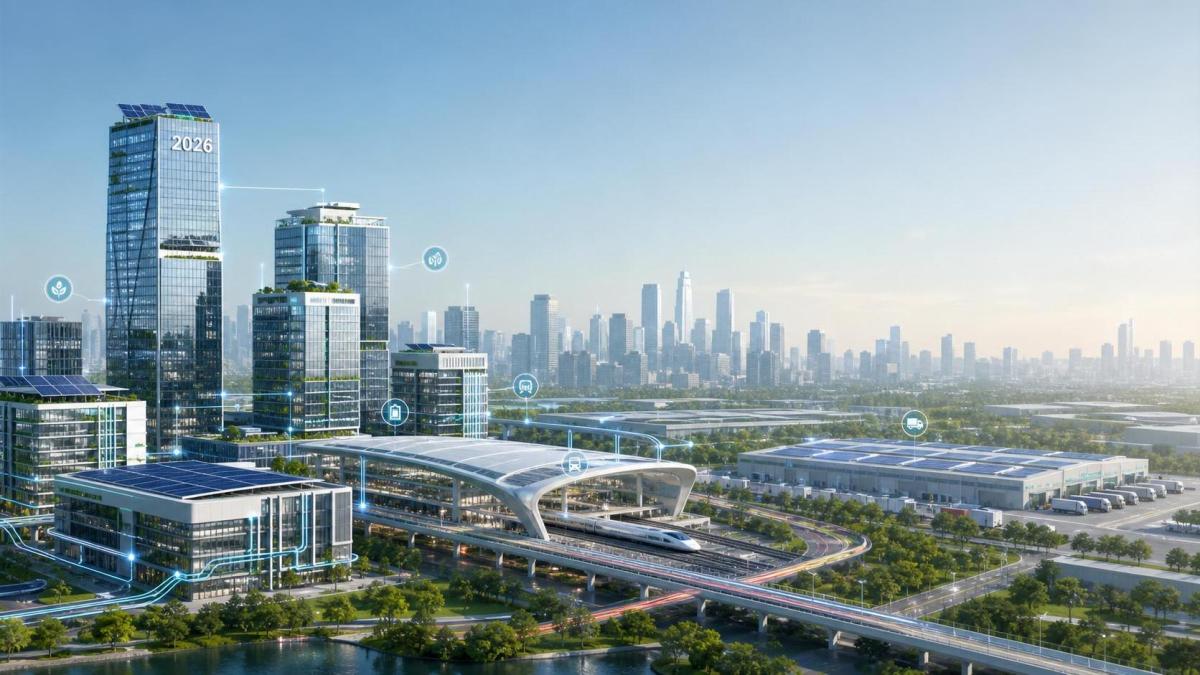
A modern building does more than shelter activity. It consumes power, exchanges data, affects mobility, influences public safety, and contributes to city emissions. In dense urban areas, each property is part of a larger system.
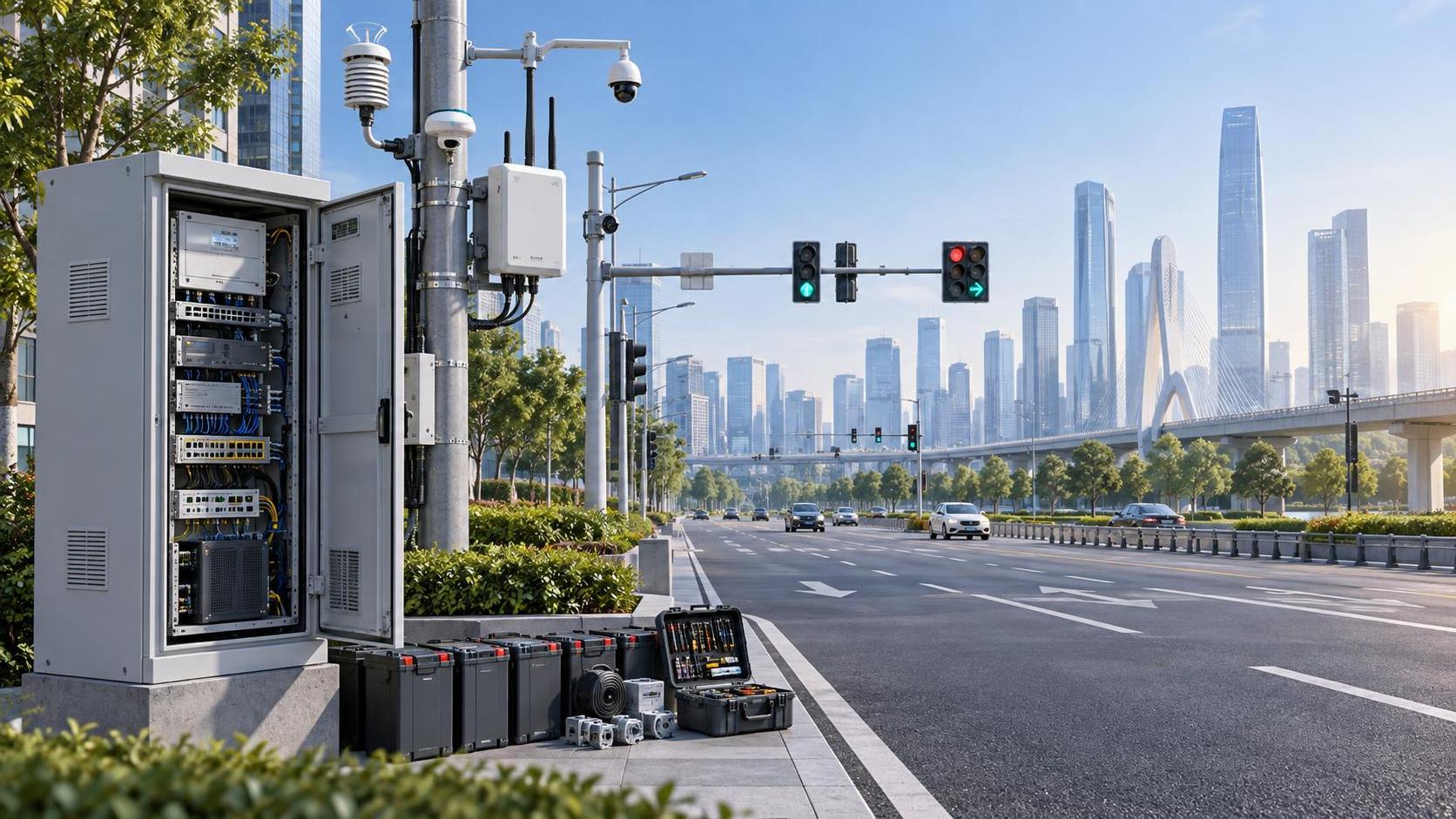
That is why urban technology solutions for buildings are gaining attention across sectors. They connect facility operations with district energy, smart grids, traffic coordination, waste systems, and emergency response protocols.
This perspective aligns with GIUT’s role as a digital twin think tank for the physical world. Buildings are no longer judged only by design quality or rental yield. They are judged by how well they perform inside urban networks.
In practical terms, that means sensor layers, interoperable control platforms, predictive maintenance tools, and data policies matter just as much as concrete, glass, and steel.
What Urban Technology Solutions for Buildings Actually Include
The phrase covers a broad set of technologies, but the core idea is straightforward. Urban technology solutions for buildings use connected hardware, software, and analytics to improve how assets operate within the city environment.
In 2026, the most relevant layers usually include:
- Smart energy management, including load balancing, storage coordination, and real-time demand control.
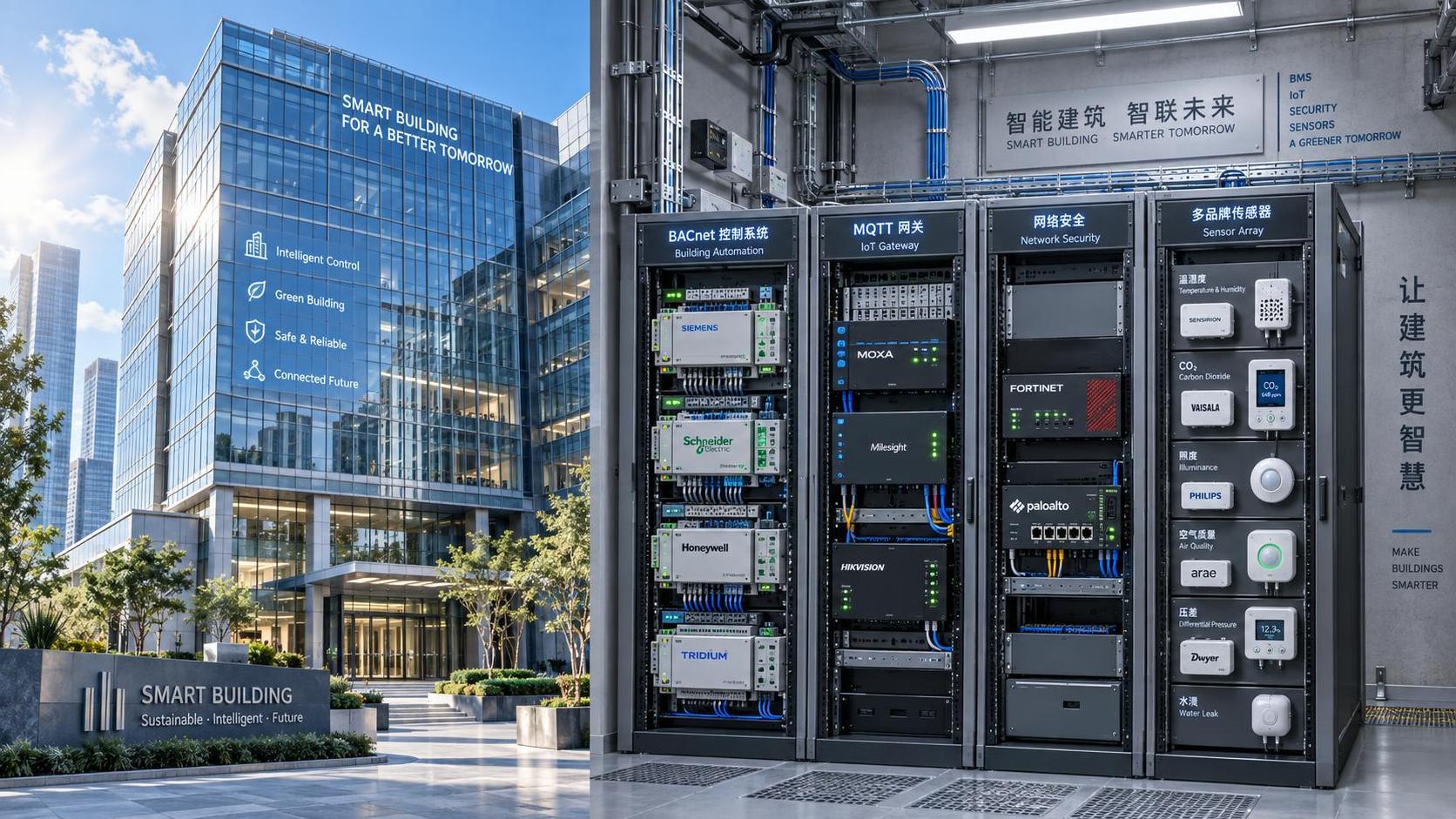
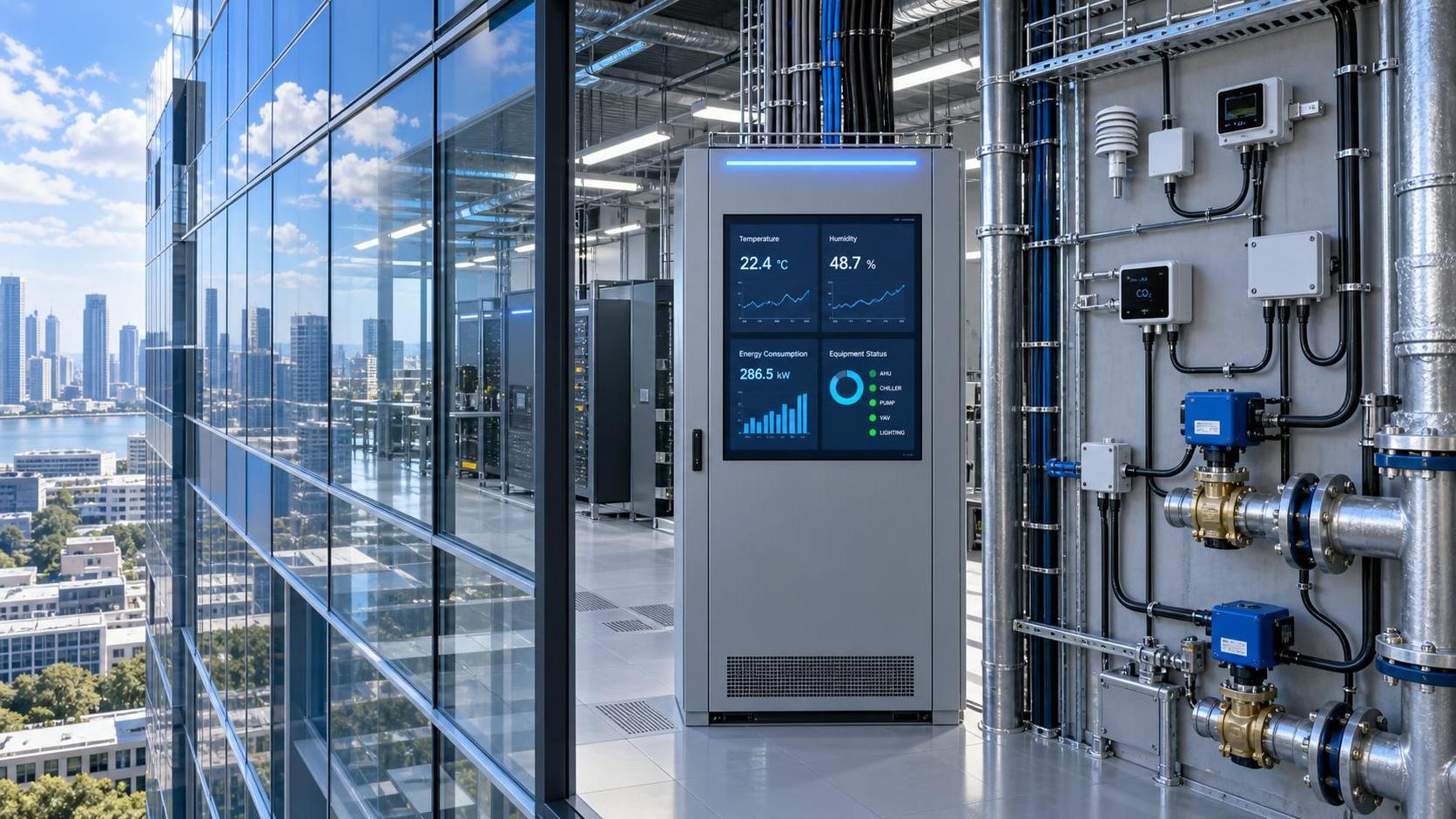
- Integrated building management systems that connect HVAC, lighting, access, fire safety, and environmental monitoring.
- Occupancy intelligence for space use, comfort optimization, and traffic flow inside complex facilities.
- Predictive maintenance tools that identify equipment risk before service disruption occurs.
- Interfaces with urban platforms such as mobility data, utility signals, and municipal compliance systems.
The difference between basic building automation and urban-ready systems lies in integration. A standalone control loop can save energy. A connected building platform can support resilience, reporting, and cross-network coordination.
What Is Driving Demand in 2026
Three pressures are shaping current investment decisions. The first is energy volatility. Buildings need more flexible control because utility pricing, grid loads, and decarbonization standards have become harder to manage manually.
The second is asset resilience. Weather events, equipment failure, cyber exposure, and supply constraints can now affect property performance faster than traditional maintenance models can respond.
The third is governance. Reporting requirements for emissions, safety, and operational performance are becoming more detailed. Reliable data is no longer optional when properties are part of regulated urban systems.
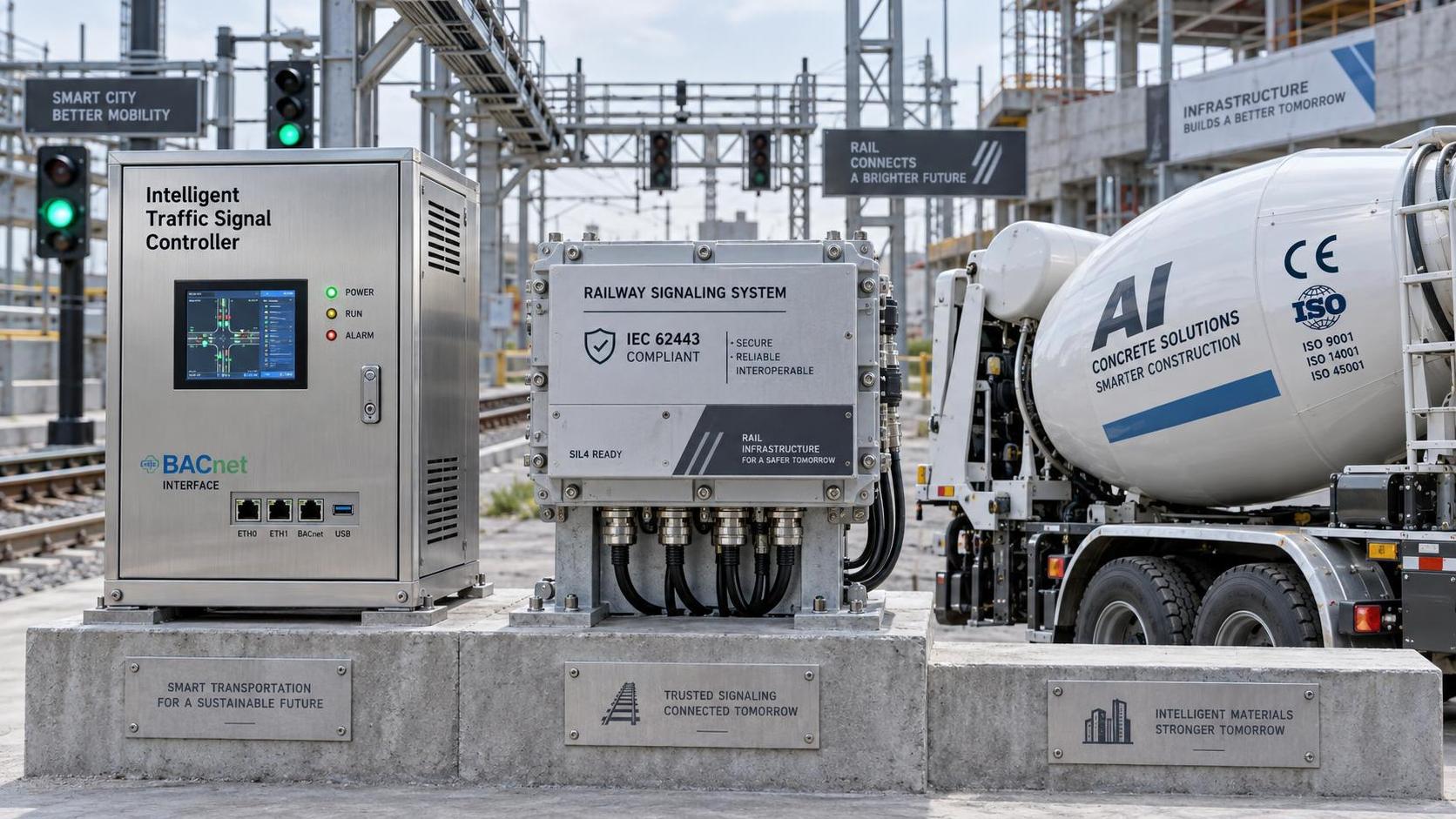
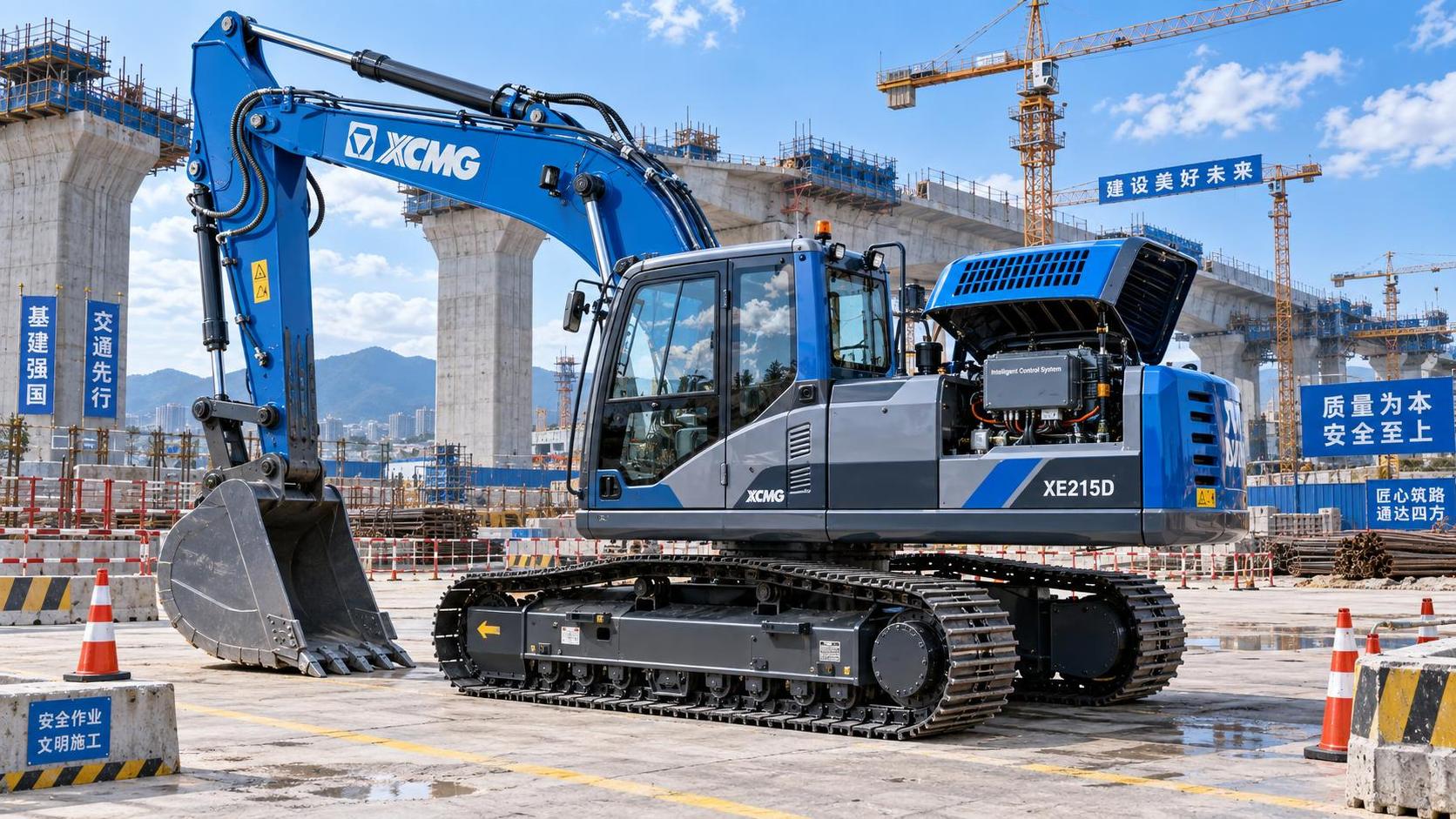
This is where GIUT’s cross-sector lens is useful. Smart buildings cannot be separated from smart grids, urban traffic logic, prefabricated construction methods, or the heavy equipment that keeps infrastructure functioning.
A wider infrastructure view
Consider a hospital, an airport terminal, or a rail-linked business district. Building performance depends on transport access, backup power, security integration, maintenance logistics, and emergency vehicle response.
Urban technology solutions for buildings create value because they help these systems exchange timely, usable information rather than operate as disconnected silos.
Where the Business Value Shows Up
The strongest business case rarely comes from one headline metric. It comes from compounding gains across cost control, service continuity, compliance, and asset planning.
Usually, the most useful gains come from better decisions rather than dramatic new hardware. Once data becomes trustworthy, operators can prioritize retrofits, redesign service contracts, and stage capital expenditure more intelligently.
Typical Building Scenarios in the Urban Stack
Not every property needs the same system depth. The right model depends on function, density, risk exposure, and network dependency.
High-occupancy commercial buildings
Office towers and mixed-use developments focus on energy flexibility, comfort control, tenant reporting, and integrated access management. The goal is stable performance under changing occupancy patterns.
Transport-linked properties
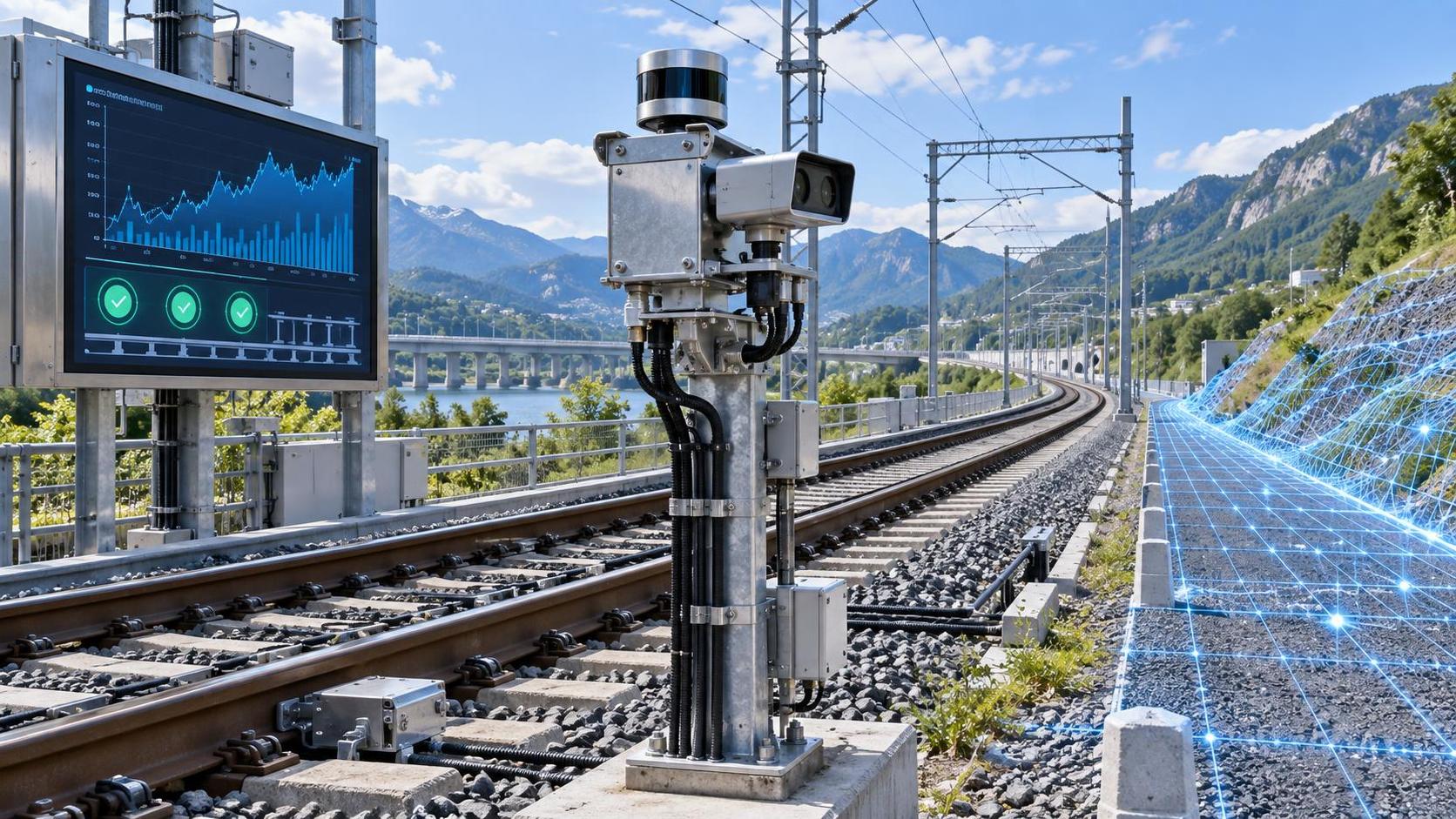
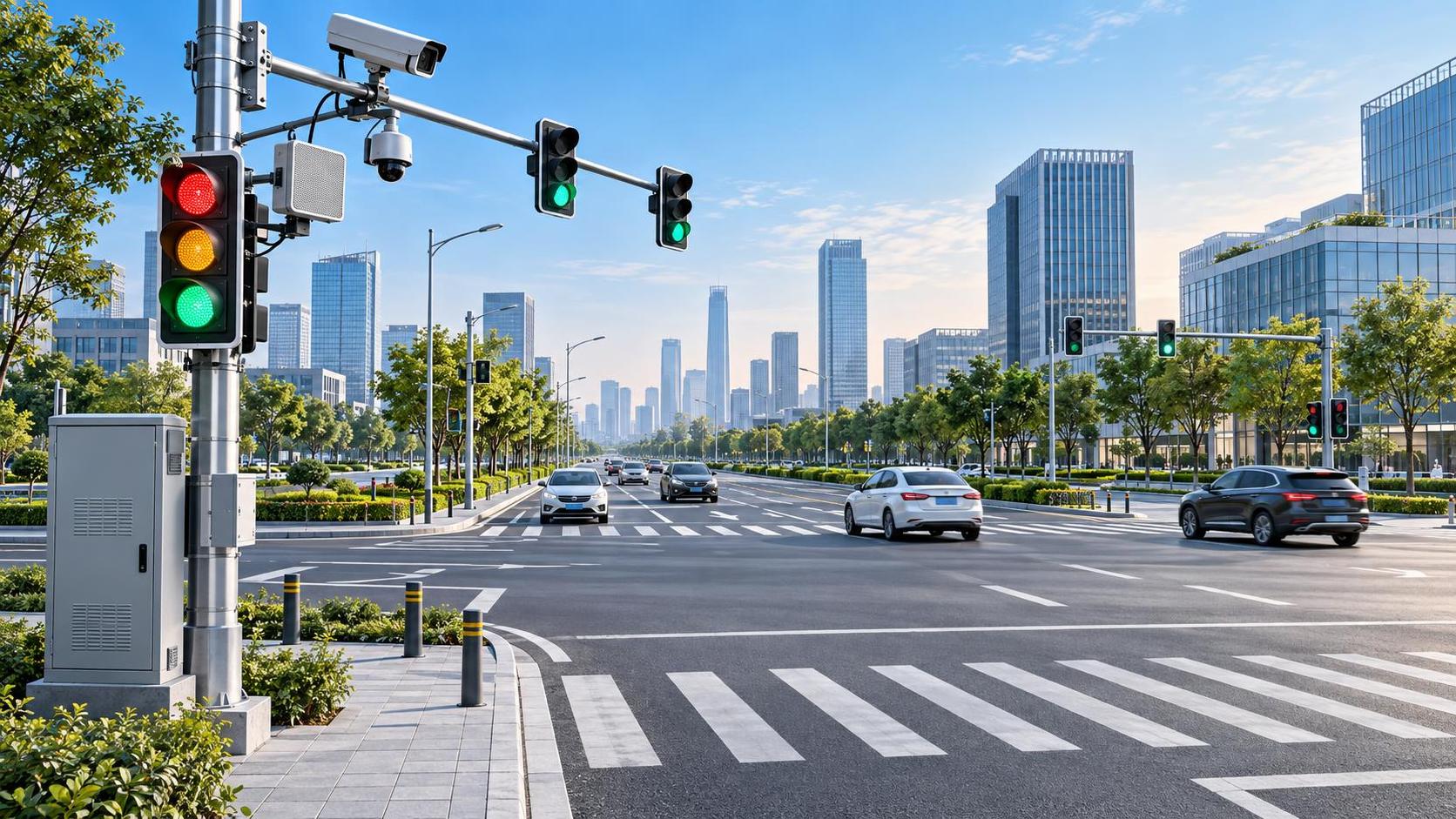
Stations, terminals, and logistics campuses need stronger coordination with traffic data, signaling environments, and public safety systems. Downtime in these assets can quickly spill into wider urban disruption.
Industrial and utility-adjacent sites
These facilities often require condition monitoring, perimeter intelligence, and energy optimization tied to production cycles. The building platform becomes part of operational continuity, not just facilities management.
Public and civic infrastructure
Hospitals, schools, and municipal campuses need strong governance, lifecycle visibility, and emergency interoperability. Here, urban technology solutions for buildings support trust as much as efficiency.
What to Evaluate Before Committing Capital
Technology selection should begin with operating realities, not vendor claims. Many underperforming projects fail because the control architecture is impressive but the data model, workflow design, or upgrade path is weak.
A practical evaluation usually includes the following questions:
- Can the platform integrate legacy systems without creating a fragile custom stack?
- Is the data useful for operations, compliance, and capital planning, not only dashboards?
- How does cybersecurity governance extend from device level to cloud level?
- Which functions can be standardized across the portfolio, and which must remain site-specific?
- Does the vendor ecosystem support future retrofits, district links, and multi-site scaling?
It also helps to separate immediate wins from structural change. Smart metering and remote monitoring can deliver fast visibility. Deeper modernization may require phased controls upgrades, digital twin modeling, or contract redesign.
Why Integration Quality Matters More Than Feature Volume
In 2026, many portfolios already own fragmented smart tools. The issue is not a total lack of technology. The issue is that systems often cannot share context, priority signals, or decision rules.
That is why mature urban technology solutions for buildings are judged by interoperability, data fidelity, and lifecycle manageability. A smaller system with clean integration often outperforms a larger stack with unclear ownership.
GIUT’s engineering-first perspective is useful here. Verified infrastructure intelligence matters because buildings sit inside long asset cycles. Poor integration decisions can create years of technical debt across operations and redevelopment plans.
What the Next Decision Cycle Should Look Like
The next step is usually not a full-scale rollout. It is a sharper decision framework. Start by mapping where building performance intersects with urban dependencies such as power, transport, compliance, and emergency readiness.
Then identify which assets have the highest exposure to energy volatility, service interruption, or reporting pressure. Those sites often reveal the clearest business case for urban technology solutions for buildings.
From there, compare options based on data usefulness, system openness, retrofit fit, and resilience outcomes. The most durable investments are usually the ones that improve both building operations and urban coordination.
In a market moving from isolated properties to intelligent urban portfolios, the real advantage comes from understanding buildings as active infrastructure. That is where 2026 strategy begins to separate short-term upgrades from long-term value.
Get weekly intelligence in your inbox.
No noise. No sponsored content. Pure intelligence.
News Recommendations
 Sep 19, 2026How an electronics application guide helps prevent component mismatchHow an electronics application guide helps prevent component mismatch
 Sep 18, 2026When a resource allocation platform improves project deliveryWhen a resource allocation platform improves project delivery
 Sep 17, 2026What to compare when evaluating mineral processing equipment manufacturersWhat to compare when evaluating mineral processing equipment manufacturers
 Sep 16, 2026How mineral separation optimization can reduce concentrate lossesHow mineral separation optimization can reduce concentrate losses
 Sep 15, 2026How to assess lifecycle costs in urban tech procurementHow to assess lifecycle costs in urban tech procurement
 Sep 14, 2026Heavy industry technology trends reshaping capital investment prioritiesHeavy industry technology trends reshaping capital investment priorities
 Sep 14, 2026Global Industrial Equipment Procurement: How Top OEMs Qualify Suppliers for Mining & Infrastructure ProjectsGlobal Industrial Equipment Procurement: How Top OEMs Qualify Suppliers for Mining & Infrastructure Projects
 Sep 14, 2026Industrial & Mining Equipment Procurement: Balancing Local Sourcing, Lead Time, and Certification RequirementsIndustrial & Mining Equipment Procurement: Balancing Local Sourcing, Lead Time, and Certification Requirements
 Sep 14, 2026Infrastructure & Equipment Upgrades: What Procurement Teams Must Verify Before Signing Off on New ContractsInfrastructure & Equipment Upgrades: What Procurement Teams Must Verify Before Signing Off on New Contracts
 Sep 14, 2026Why Infrastructure Equipment Buyers Are Shifting from Catalog-Based to Capability-Based Supplier SelectionWhy Infrastructure Equipment Buyers Are Shifting from Catalog-Based to Capability-Based Supplier Selection
 Sep 14, 2026Process Automation Project Execution: How to Align Supplier Capabilities with PLC Integration, Cybersecurity & Commissioning MilestonesProcess Automation Project Execution: How to Align Supplier Capabilities with PLC Integration, Cybersecurity & Commissioning Milestones
 Sep 14, 2026Are intelligent traffic systems worth the investment for small cities?Are intelligent traffic systems worth the investment for small cities?
 Sep 14, 2026How do intelligent traffic systems handle sensor failures?How do intelligent traffic systems handle sensor failures?
 Sep 14, 2026What should I check before accepting a smart building system?What should I check before accepting a smart building system?
 Sep 14, 2026Is a smart building system worth the maintenance cost?Is a smart building system worth the maintenance cost?
 Sep 14, 2026What data is needed for reliable resource allocation planning?What data is needed for reliable resource allocation planning?
 Sep 14, 2026How can resource allocation software reduce equipment idle time?How can resource allocation software reduce equipment idle time?
 Sep 14, 2026How should smart devices be maintained in harsh outdoor conditions?How should smart devices be maintained in harsh outdoor conditions?
 Sep 14, 2026Do smart devices improve worker safety on construction sites?Do smart devices improve worker safety on construction sites?
 Sep 14, 2026What environmental risks must be assessed before deep-sea mining?What environmental risks must be assessed before deep-sea mining?
 Sep 14, 2026Is deep-sea mining equipment commercially viable in 2026?Is deep-sea mining equipment commercially viable in 2026?
 Sep 14, 2026What Inspection Checks Should Procurement Teams Perform Before Ordering Dredging Equipment in 2026?What Inspection Checks Should Procurement Teams Perform Before Ordering Dredging Equipment in 2026?
 Sep 13, 2026How to verify an industrial product information source before specifying equipmentHow to verify an industrial product information source before specifying equipment
 Sep 12, 2026Which intelligent traffic systems hardware fits an urban intersection?Which intelligent traffic systems hardware fits an urban intersection?
 Sep 11, 2026How pump capacity affects response coverage for municipal fire fighting vehiclesHow pump capacity affects response coverage for municipal fire fighting vehicles
 Sep 10, 2026What to verify before choosing a heavy industry equipment supplierWhat to verify before choosing a heavy industry equipment supplier
 Sep 09, 2026When do adaptive urban traffic control systems reduce corridor delays?When do adaptive urban traffic control systems reduce corridor delays?