Smart Grid Systems Cost Breakdown: What Drives Total Investment
Why does smart grid systems cost vary so much from one project to another?
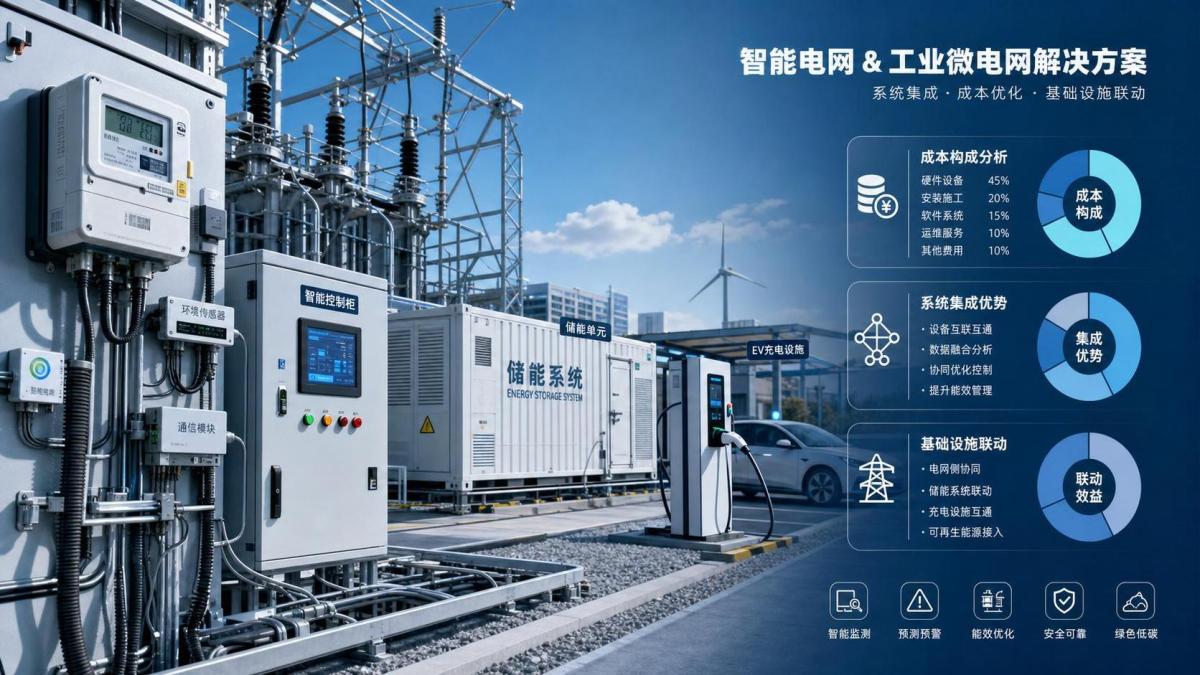
Smart grid systems cost rarely follows a simple per-site formula. The total investment depends on how digital intelligence is layered onto existing physical infrastructure.
In practical terms, a city substation upgrade, an industrial microgrid, and a regional utility modernization all carry different cost structures.
That is why early budget reviews often fail. Teams compare equipment lists, but the real budget impact comes from integration depth, data architecture, and long-term operational requirements.
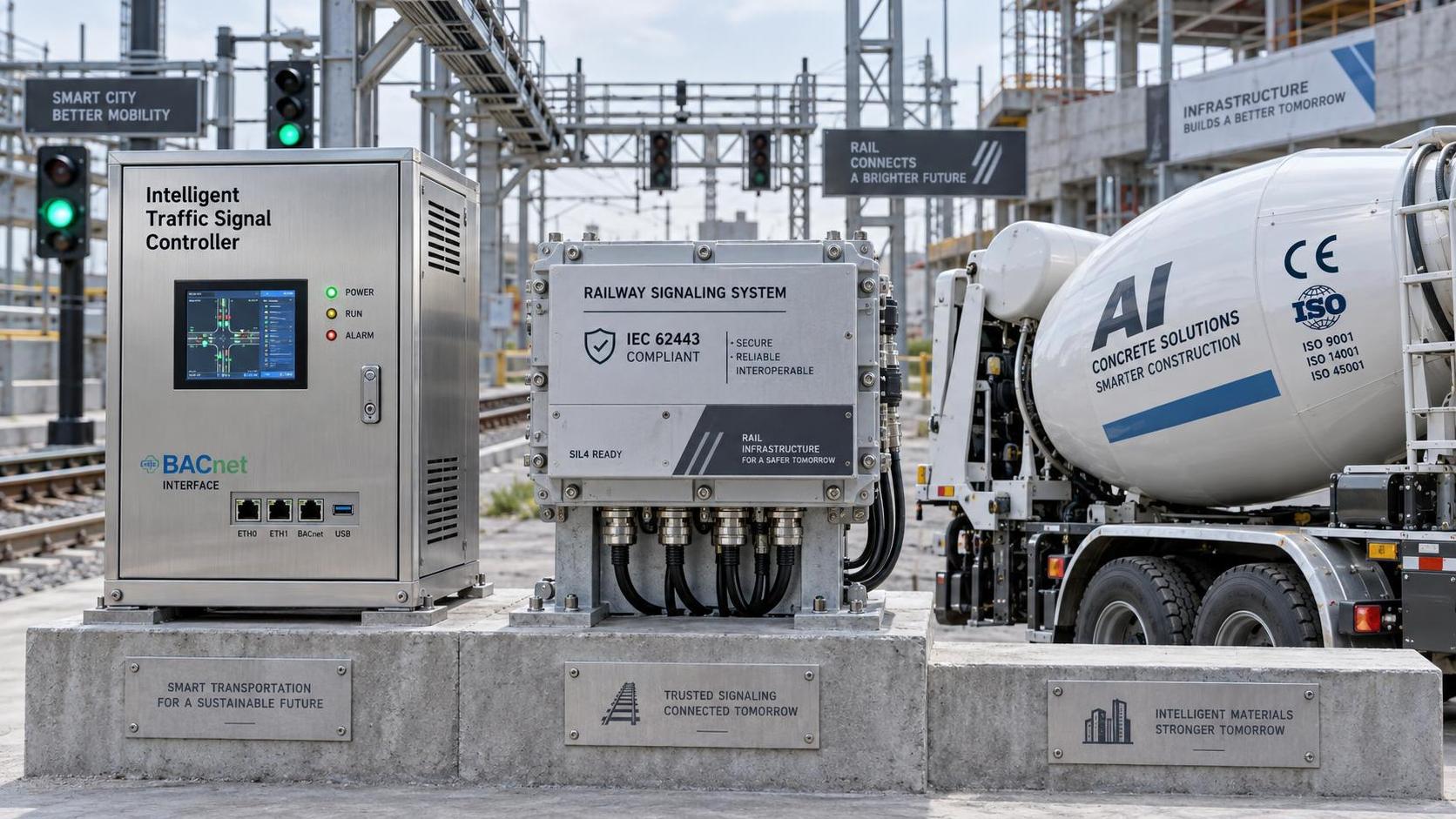
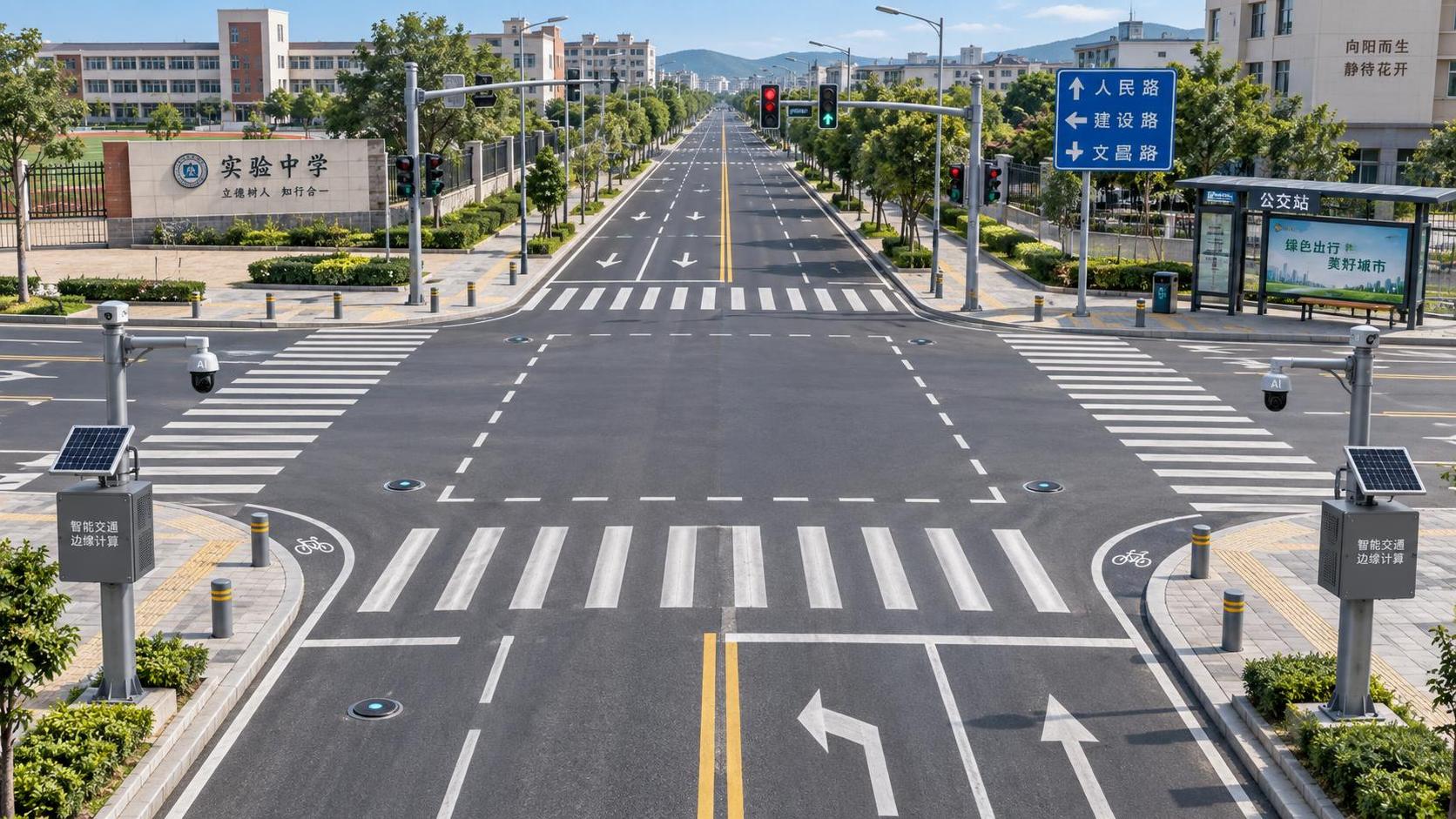
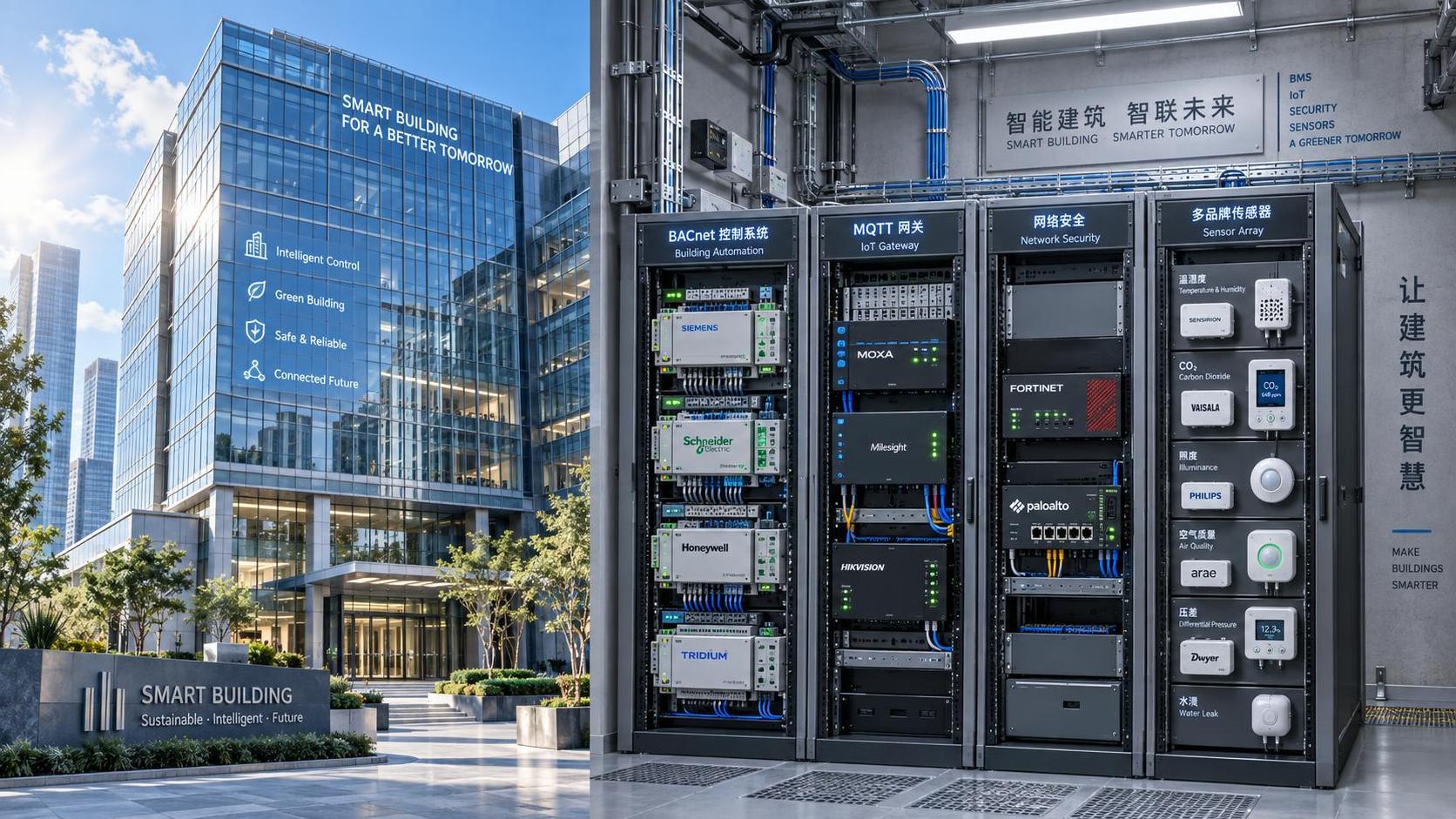
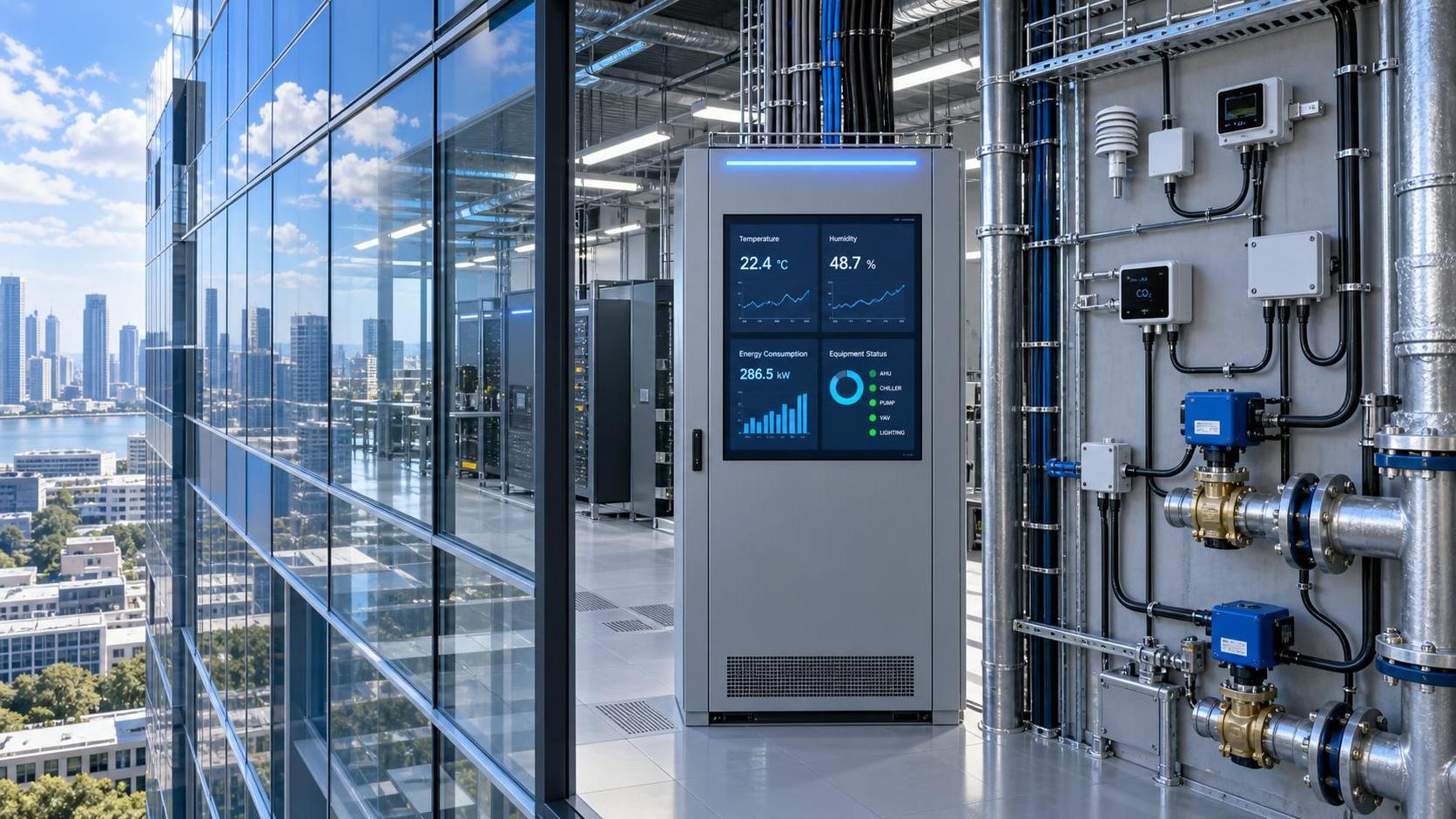
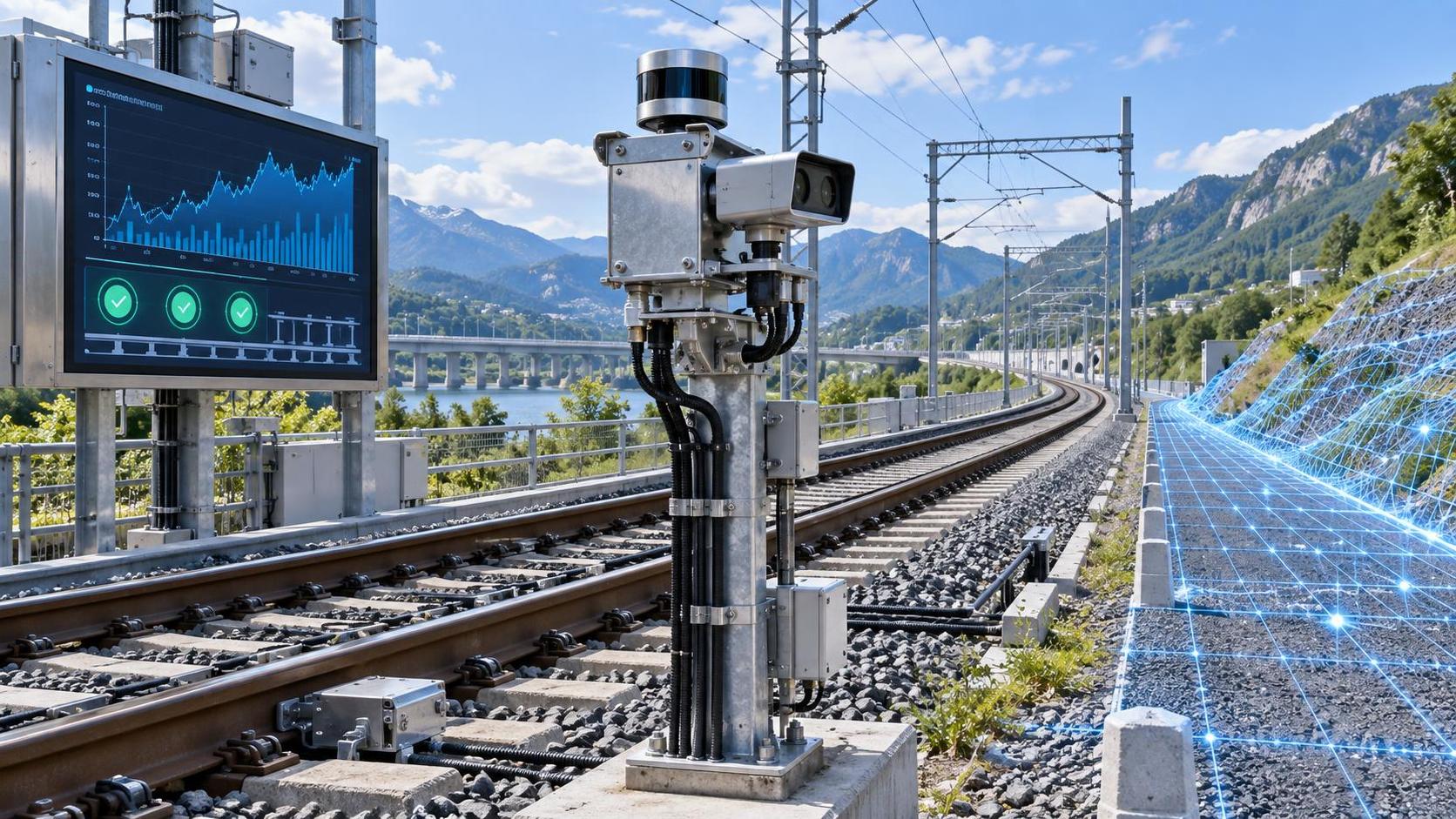
GIUT often frames this issue through a broader infrastructure lens. Smart grids are not isolated electronics projects. They sit inside the same physical backbone as buildings, rail corridors, logistics hubs, and urban control systems.
A useful starting point is to treat smart grid systems cost as a lifecycle investment, not only a procurement price. Hardware is visible, but interoperability, compliance, and support can reshape the total number.
The question is less “What does a smart grid cost?” and more “What level of grid intelligence is being purchased, and under what operating constraints?”
What usually makes up the total smart grid systems cost?
Most budgets fall into six layers. Looking at them separately makes approval discussions much clearer.
- Grid hardware: smart meters, sensors, relays, controllers, communication modules, and field gateways.
- Software platforms: SCADA extensions, analytics engines, energy management tools, digital twin models, and dashboard interfaces.
- Communications infrastructure: fiber, wireless networks, edge devices, protocol converters, and backup connectivity.
- Integration work: linking legacy substations, building systems, distributed energy resources, and external city platforms.
- Cybersecurity and compliance: identity controls, network segmentation, audit logging, and local regulatory documentation.
- Ongoing support: maintenance contracts, software updates, calibration, staff training, and spare parts planning.
When stakeholders focus only on devices, smart grid systems cost appears manageable. Once the project reaches implementation, integration and compliance often expand the budget more than expected.
This is common in brownfield infrastructure. Existing assets were not designed for modern data exchange, so retrofit complexity becomes a major hidden driver.
A compact comparison table helps clarify where cost pressure usually emerges.
Is hardware the biggest cost driver, or do software and integration matter more?
Hardware matters, but it is not always the dominant factor. In many projects, software and integration create the largest budget uncertainty.
A new-build industrial park may have predictable device costs. Yet a mature urban district with mixed substations, transport interfaces, and building automation usually faces higher integration effort.
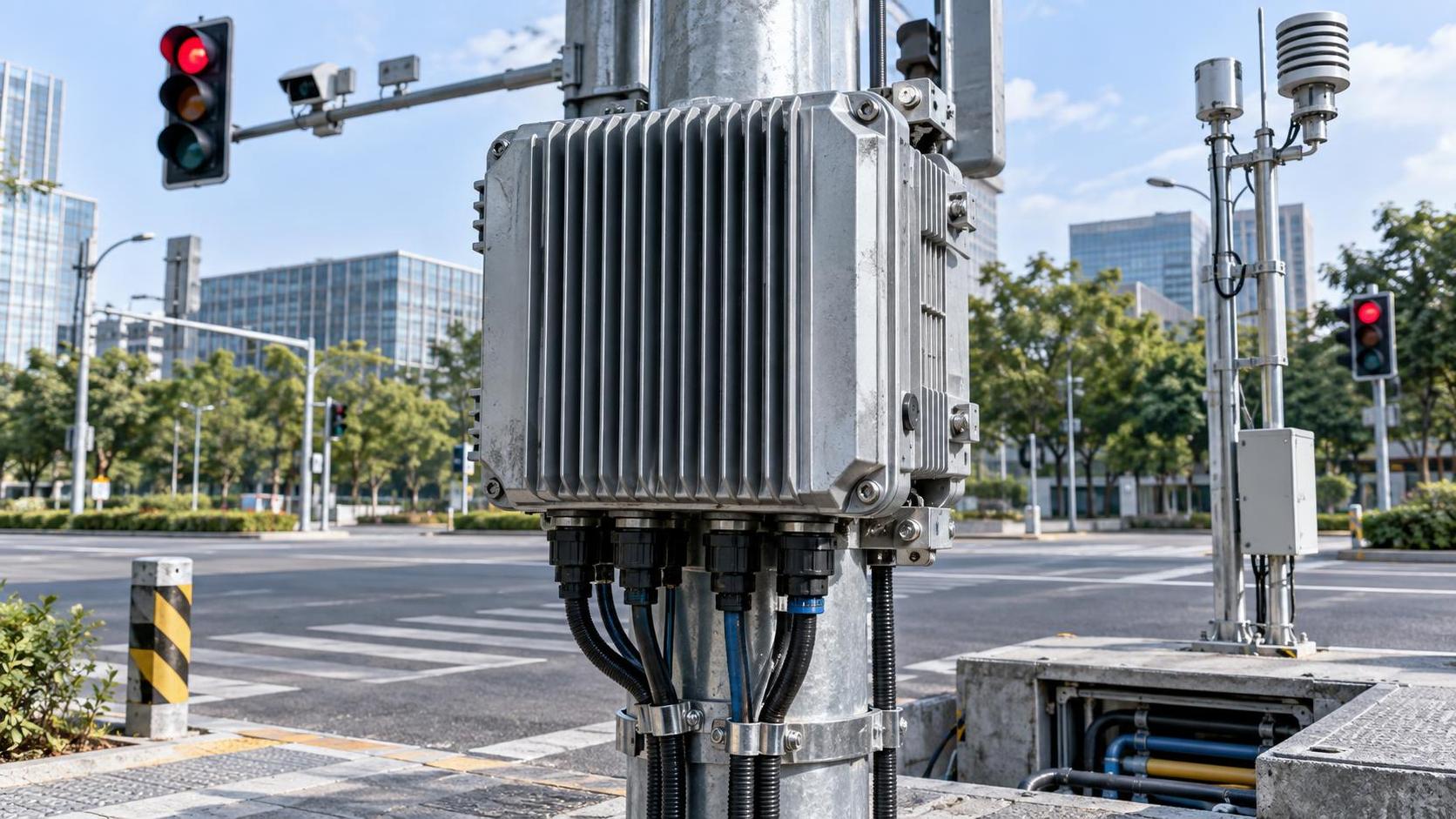
This is especially true where smart grid platforms must exchange data with traffic systems, public facilities, or district energy assets. That broader urban intelligence layer adds both value and complexity.
More specifically, software affects smart grid systems cost in three ways.
- License structure can shift spending from one-time capital to recurring operational cost.
- Advanced analytics requires stronger data quality, storage design, and model governance.
- User access, reporting, and remote control functions increase cybersecurity obligations.
A common mistake is approving a low equipment quote without checking whether the software stack includes future expansion rights, API access, or multi-site visibility.
If those items are excluded, the initial price looks attractive, but the total smart grid systems cost rises sharply during scaling.
How do grid complexity and project scope change the budget?
Scope is where cost planning becomes realistic. A smart grid serving one controlled facility is very different from a network spanning substations, distributed generation, storage, and public infrastructure.
Complexity usually increases when the project includes renewable integration, EV charging, demand response, or outage automation.
Each added function improves resilience or efficiency, but each one also adds devices, controls, data flows, and validation work.
In GIUT’s coverage of smart cities and heavy infrastructure, the most stable projects define scope in operational layers instead of broad technology labels.
That means asking practical questions. Will the system only monitor? Will it automate switching? Will it optimize energy use across buildings, logistics facilities, or transit-linked assets?
Those answers shape engineering labor, commissioning time, and contingency requirements. They also affect whether the project can be phased.
Phasing can reduce approval risk. It spreads smart grid systems cost across milestones while preserving options for later expansion.
What hidden costs are easiest to miss during approval?
The hidden costs are usually not mysterious. They are simply parked outside the first equipment proposal.
Commissioning is a frequent example. Multi-vendor testing, control validation, and field acceptance can run longer than planned, especially in live environments.
Cybersecurity hardening is another. Once the system touches critical infrastructure, baseline security is rarely enough.
Need-to-watch items usually include:
- Protocol conversion for old substations and industrial equipment
- Site surveys, civil adjustments, and enclosure upgrades
- Data cleansing before analytics can produce reliable output
- Training time for operations teams and contractors
- Regulatory filings, external audits, and resilience testing
- Vendor lock-in costs tied to proprietary interfaces
A sound review asks which items are excluded, not only what is included. That single step improves budget accuracy more than debating small hardware discounts.
How should smart grid systems cost be compared across proposals?
A low bid can still be the expensive option if it shifts risk into future integration, downtime, or restricted scalability.
The more reliable method is to compare proposals through a structured decision lens.
This comparison is more useful than headline pricing. It shows whether the proposal can support long-term infrastructure goals, not just the first installation phase.
In sectors linked to construction, logistics, mining, and smart governance, that broader view matters because grid intelligence often becomes a shared operational foundation.
What is the best next step before approving a smart grid investment?
Start by translating the project into measurable use cases. Monitoring, automated switching, renewable coordination, and resilience planning each carry different cost logic.
Then build a cost map that includes capital, integration, compliance, and five-year operations. That creates a more defensible view of total value.
It also helps to request a phased roadmap. Many successful projects begin with visibility and control, then expand toward optimization and cross-system coordination.
Smart grid systems cost becomes easier to justify when each phase is tied to a clear operational outcome, reduced risk exposure, or stronger infrastructure resilience.
In the end, the most useful question is not whether the budget is large or small. It is whether the proposed system matches the physical complexity, digital ambition, and lifecycle obligations of the asset base.
A disciplined review should now focus on scope boundaries, integration assumptions, cybersecurity coverage, and support commitments before comparing final numbers.
Get weekly intelligence in your inbox.
No noise. No sponsored content. Pure intelligence.
News Recommendations
 Sep 19, 2026How an electronics application guide helps prevent component mismatchHow an electronics application guide helps prevent component mismatch
 Sep 18, 2026When a resource allocation platform improves project deliveryWhen a resource allocation platform improves project delivery
 Sep 17, 2026What to compare when evaluating mineral processing equipment manufacturersWhat to compare when evaluating mineral processing equipment manufacturers
 Sep 16, 2026How mineral separation optimization can reduce concentrate lossesHow mineral separation optimization can reduce concentrate losses
 Sep 15, 2026How to assess lifecycle costs in urban tech procurementHow to assess lifecycle costs in urban tech procurement
 Sep 14, 2026Heavy industry technology trends reshaping capital investment prioritiesHeavy industry technology trends reshaping capital investment priorities
 Sep 14, 2026Global Industrial Equipment Procurement: How Top OEMs Qualify Suppliers for Mining & Infrastructure ProjectsGlobal Industrial Equipment Procurement: How Top OEMs Qualify Suppliers for Mining & Infrastructure Projects
 Sep 14, 2026Industrial & Mining Equipment Procurement: Balancing Local Sourcing, Lead Time, and Certification RequirementsIndustrial & Mining Equipment Procurement: Balancing Local Sourcing, Lead Time, and Certification Requirements
 Sep 14, 2026Infrastructure & Equipment Upgrades: What Procurement Teams Must Verify Before Signing Off on New ContractsInfrastructure & Equipment Upgrades: What Procurement Teams Must Verify Before Signing Off on New Contracts
 Sep 14, 2026Why Infrastructure Equipment Buyers Are Shifting from Catalog-Based to Capability-Based Supplier SelectionWhy Infrastructure Equipment Buyers Are Shifting from Catalog-Based to Capability-Based Supplier Selection
 Sep 14, 2026Process Automation Project Execution: How to Align Supplier Capabilities with PLC Integration, Cybersecurity & Commissioning MilestonesProcess Automation Project Execution: How to Align Supplier Capabilities with PLC Integration, Cybersecurity & Commissioning Milestones
 Sep 14, 2026Are intelligent traffic systems worth the investment for small cities?Are intelligent traffic systems worth the investment for small cities?
 Sep 14, 2026How do intelligent traffic systems handle sensor failures?How do intelligent traffic systems handle sensor failures?
 Sep 14, 2026What should I check before accepting a smart building system?What should I check before accepting a smart building system?
 Sep 14, 2026Is a smart building system worth the maintenance cost?Is a smart building system worth the maintenance cost?
 Sep 14, 2026What data is needed for reliable resource allocation planning?What data is needed for reliable resource allocation planning?
 Sep 14, 2026How can resource allocation software reduce equipment idle time?How can resource allocation software reduce equipment idle time?
 Sep 14, 2026How should smart devices be maintained in harsh outdoor conditions?How should smart devices be maintained in harsh outdoor conditions?
 Sep 14, 2026Do smart devices improve worker safety on construction sites?Do smart devices improve worker safety on construction sites?
 Sep 14, 2026What environmental risks must be assessed before deep-sea mining?What environmental risks must be assessed before deep-sea mining?
 Sep 14, 2026Is deep-sea mining equipment commercially viable in 2026?Is deep-sea mining equipment commercially viable in 2026?
 Sep 14, 2026What Inspection Checks Should Procurement Teams Perform Before Ordering Dredging Equipment in 2026?What Inspection Checks Should Procurement Teams Perform Before Ordering Dredging Equipment in 2026?
 Sep 13, 2026How to verify an industrial product information source before specifying equipmentHow to verify an industrial product information source before specifying equipment
 Sep 12, 2026Which intelligent traffic systems hardware fits an urban intersection?Which intelligent traffic systems hardware fits an urban intersection?
 Sep 11, 2026How pump capacity affects response coverage for municipal fire fighting vehiclesHow pump capacity affects response coverage for municipal fire fighting vehicles
 Sep 10, 2026What to verify before choosing a heavy industry equipment supplierWhat to verify before choosing a heavy industry equipment supplier
 Sep 09, 2026When do adaptive urban traffic control systems reduce corridor delays?When do adaptive urban traffic control systems reduce corridor delays?