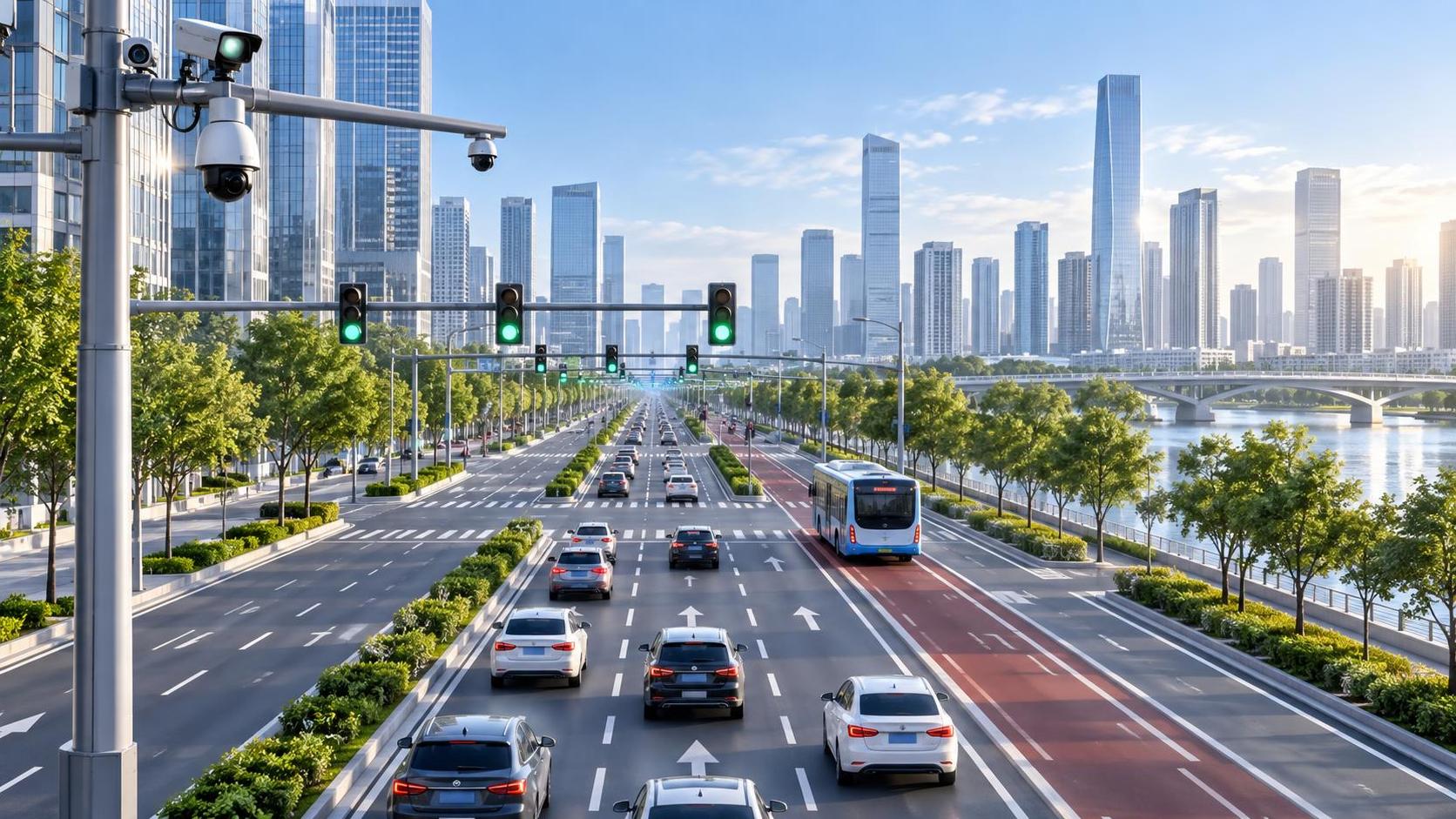
Which intelligent traffic systems hardware fits an urban intersection?
Choosing intelligent traffic systems hardware for an urban intersection is rarely a matter of picking the most feature-rich camera or the newest controller. For a project manager, the real decision sits at the meeting point of traffic engineering, civil works, communications, public safety, procurement, and future operations.
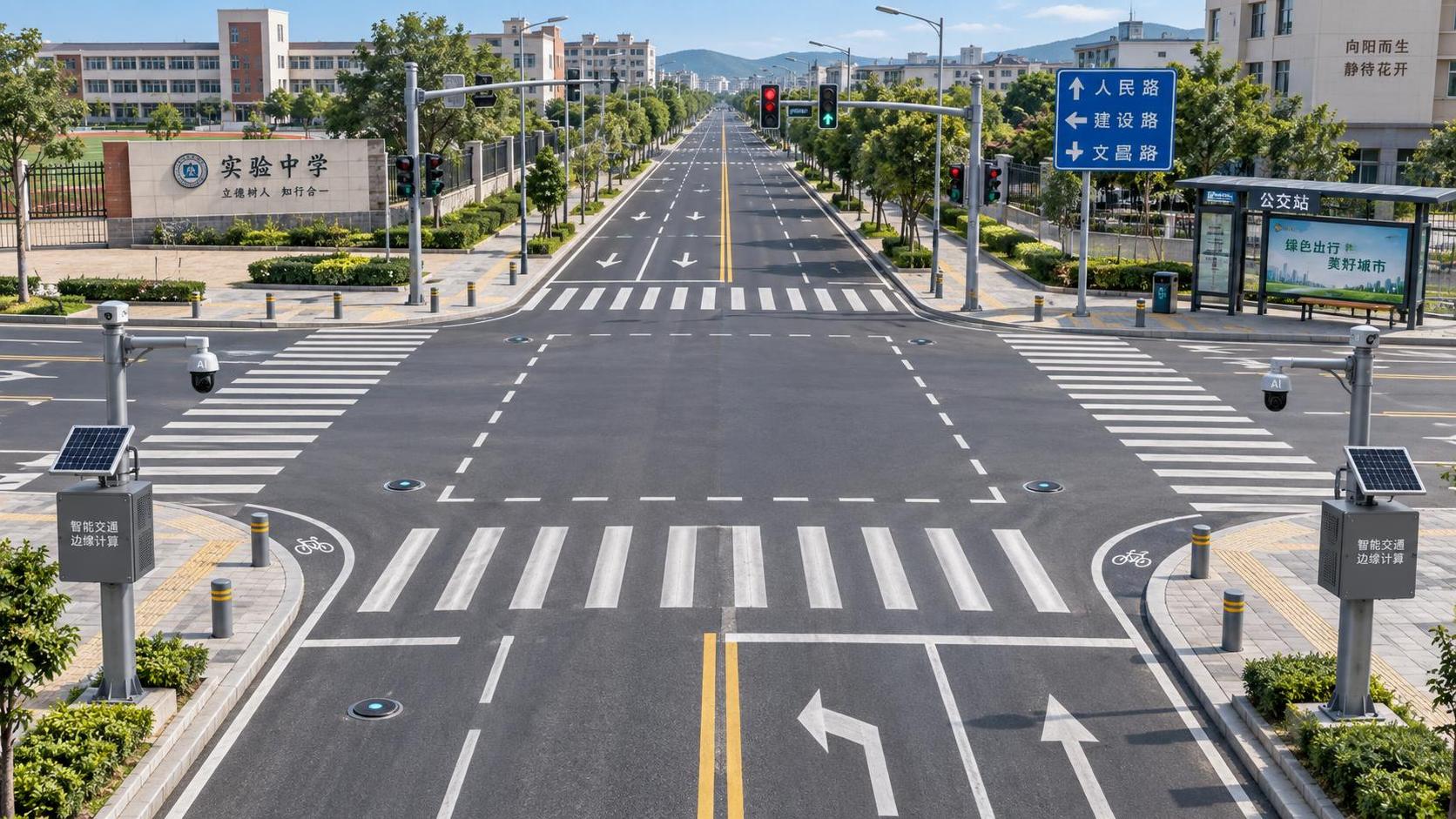
An intersection that carries school traffic in the morning, freight vehicles at midday, buses during peak periods, and pedestrians throughout the day cannot be treated as a generic equipment location. Its road geometry, signal phasing, utility availability, weather exposure, network conditions, and maintenance access all influence what hardware will work reliably after commissioning—not just what looks convincing in a technical proposal.
The most effective approach is to define the operating problem first, then assemble a hardware stack that can solve it without creating a fragile, overbuilt system. This guide helps project leaders evaluate the equipment that fits different urban intersection conditions and establish a practical basis for tendering, integration, and lifecycle planning.
Start with the intersection, not the equipment catalogue
Before reviewing suppliers, build a concise site profile for every intersection in scope. A four-leg arterial crossing, a compact downtown junction, and a transit-priority corridor may all require adaptive control, but their hardware requirements can differ substantially.
At minimum, the site profile should record approach lane counts, turning movements, pedestrian crossings, cycle facilities, posted speeds, heavy-vehicle share, public transport routes, collision history, available poles and cabinets, power supply condition, and communications backhaul. It should also identify physical constraints: heritage streetscapes, limited right-of-way, overhead utilities, tree cover, high-rise signal obstruction, or recurring flood exposure.
This early work avoids a familiar project failure: installing capable detection devices where they cannot see the relevant approach lanes, or placing network-dependent hardware at locations where fibre is years away. Intelligent traffic systems hardware should respond to an operating design, not force the city to redesign its operations around a device.
The hardware foundation: what an intelligent intersection actually needs
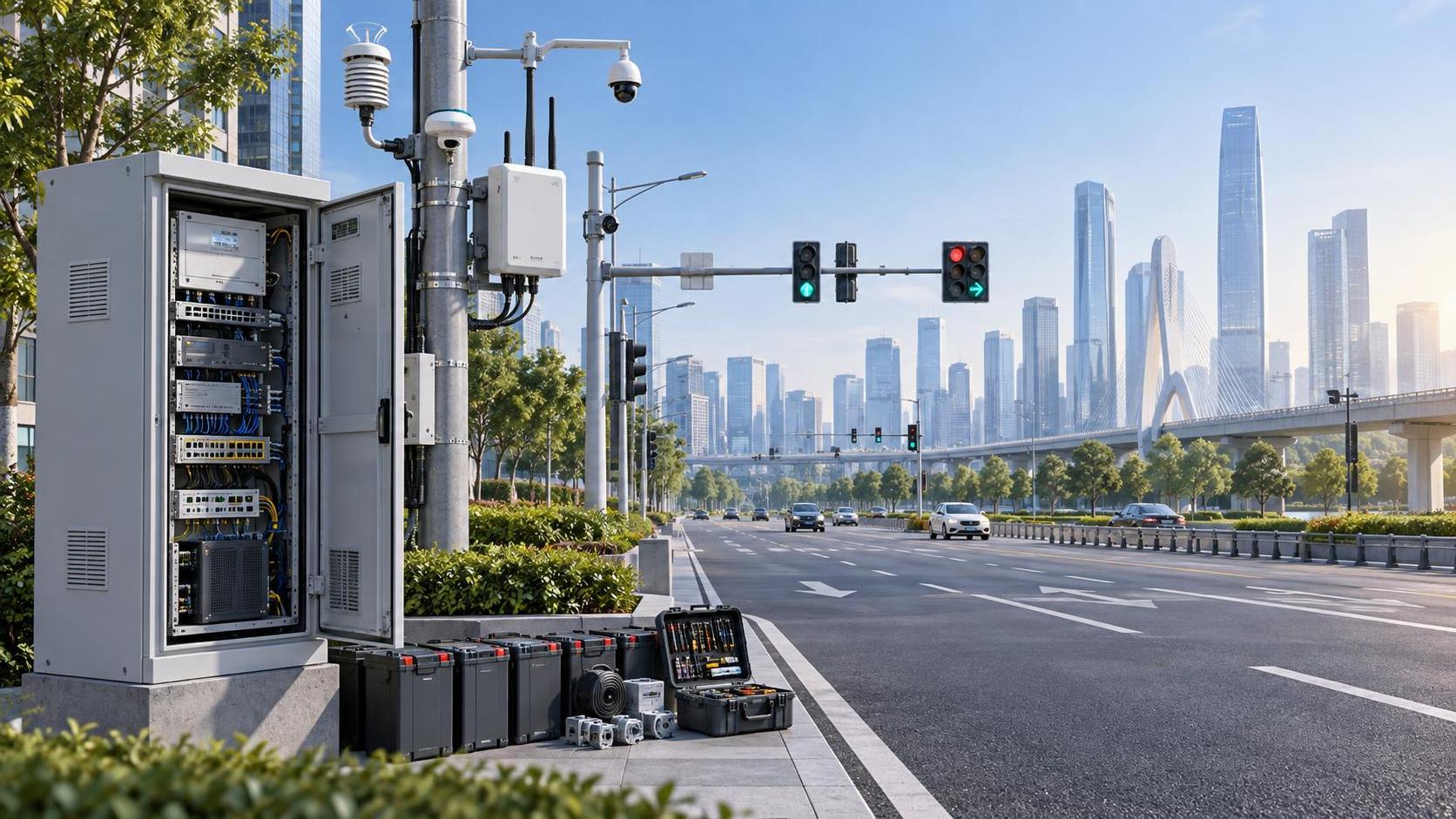
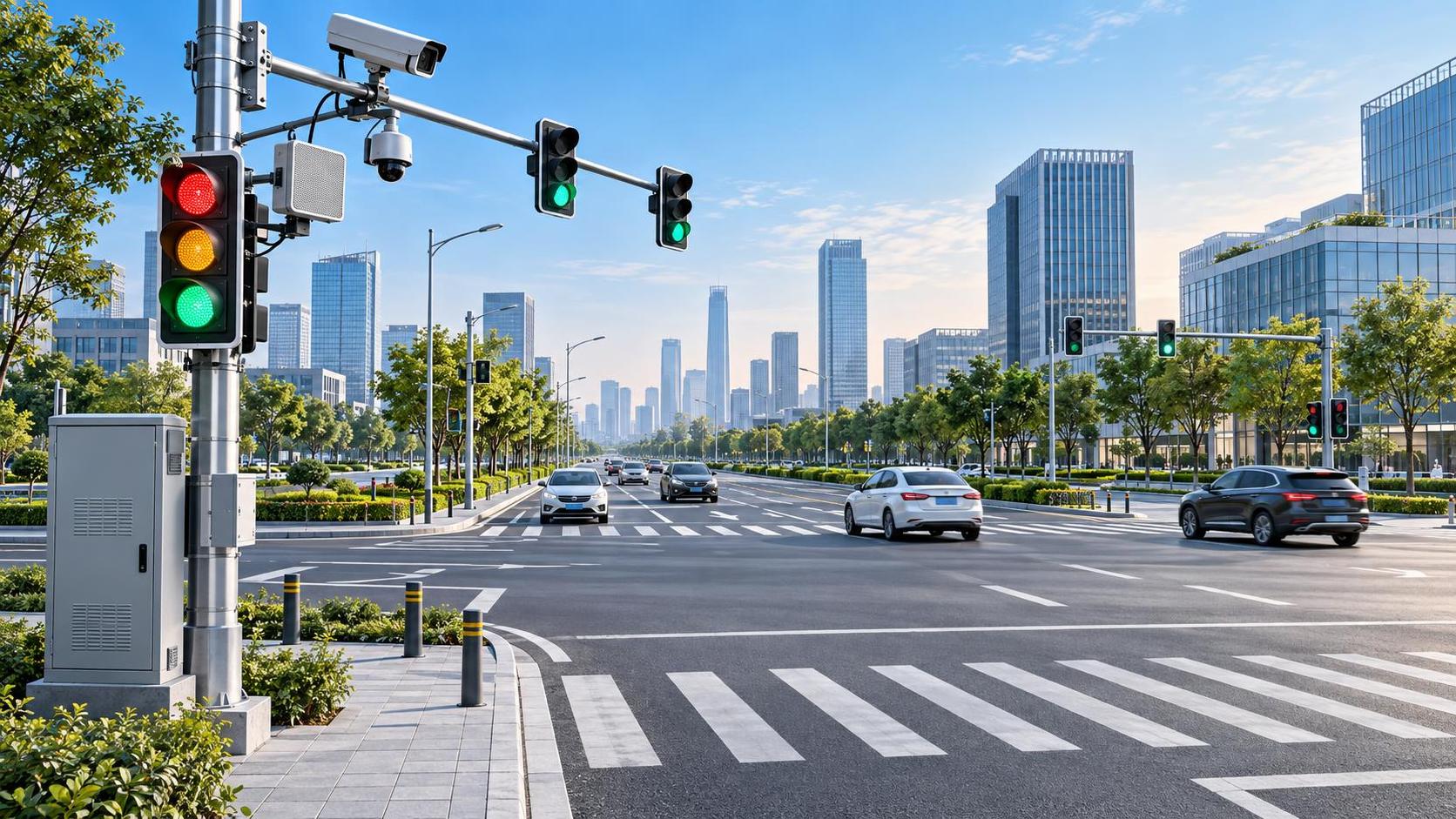
Not every intersection needs every component. However, most modern deployments combine several layers: local control, detection, communications, field indication, power protection, and a platform connection. The right configuration depends on the objectives assigned to that location.
Signal controllers: the local decision point
The signal controller remains the core field asset. It manages timing plans, phase changes, pedestrian intervals, priority requests, detector inputs, and fault states. When selecting controllers, project teams should look beyond the number of input/output channels. The important question is whether the controller can support the city’s anticipated operating model over the next decade.
For example, a fixed-time intersection may need only schedule-based coordination today. Yet if the corridor is expected to add transit signal priority, emergency pre-emption, pedestrian countdown changes, or adaptive coordination, a controller with expansion capacity and open communication interfaces is a safer investment.
Assess cabinet layout, environmental rating, service access, spare capacity, remote diagnostics, event logging, battery backup options, and compatibility with existing signal heads and conflict-monitoring arrangements. A controller that requires a proprietary software environment may be acceptable in a small, single-vendor network, but it can become a constraint when the city expands or integrates multiple corridors.
Detection hardware: choose by movement and visibility
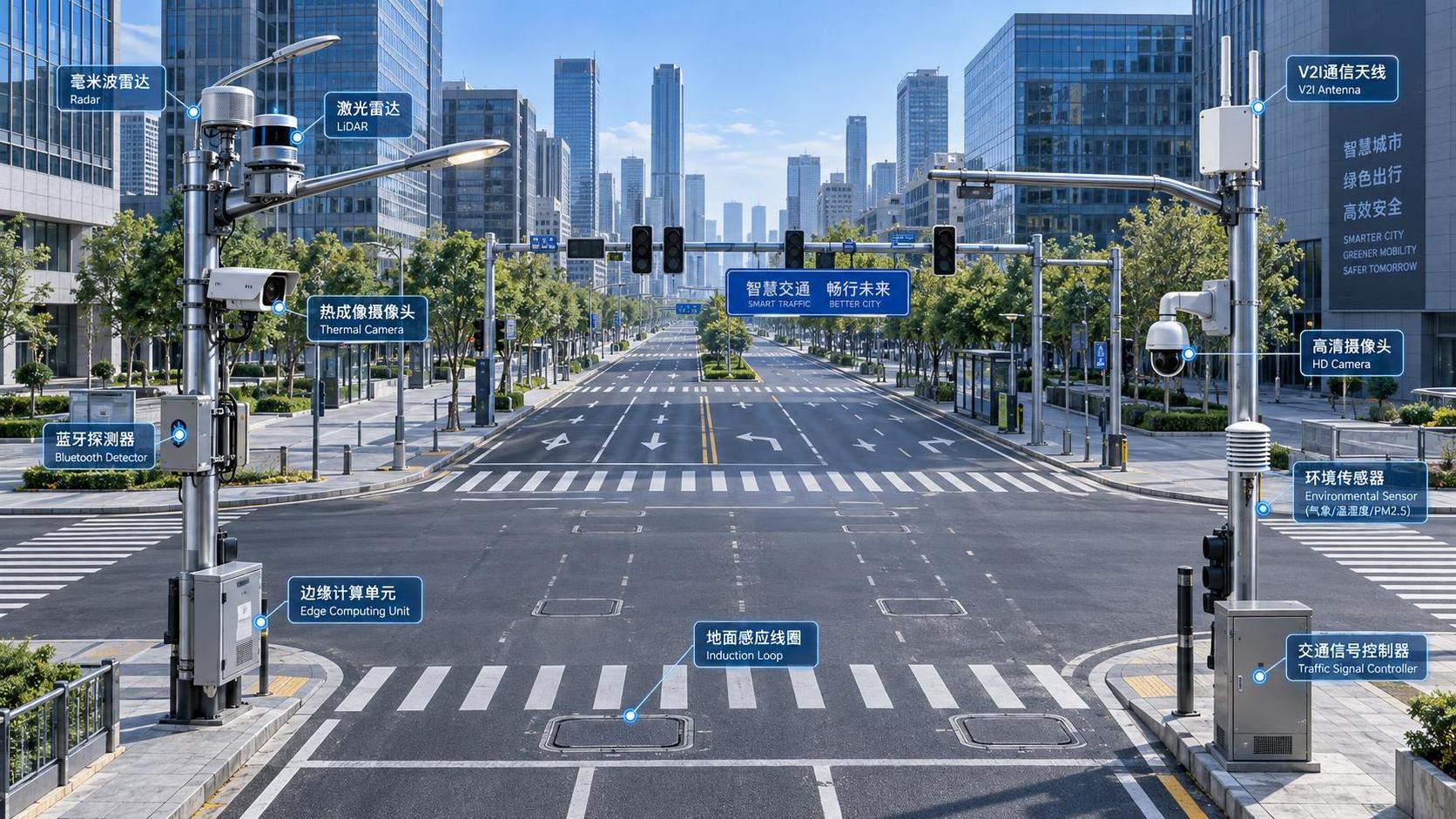
Detection is where many intersection projects become either genuinely intelligent or merely digitised. No single sensing technology is ideal for every purpose.
- Video detection cameras provide broad situational coverage and are useful for vehicle counting, queue estimation, turning-movement analysis, incident awareness, and, where permitted, vulnerable road user detection. Their performance depends heavily on mounting position, lighting, lens selection, privacy settings, and ongoing calibration.
- Radar sensors are valuable where rain, fog, dust, darkness, or glare make visual detection less dependable. They can measure presence, speed, and approach behaviour, making them especially useful on higher-speed approaches and for dilemma-zone applications.
- Thermal imaging sensors can improve detection in low-light conditions and may support pedestrian presence monitoring without relying on visible-light imagery. They still require careful field validation in dense, complex scenes.
- Inductive loops remain a practical option for reliable vehicle presence detection, particularly when roadway reconstruction is already planned. Their limitation is obvious: installation and repair affect pavement, traffic operations, and future maintenance budgets.
- Pedestrian push-buttons and accessible pedestrian signal devices are not legacy extras. At many intersections, they remain essential inputs to safe, inclusive signal operation.
A useful rule is to specify the detection outcome rather than blindly prescribing a sensor. If the objective is queue measurement across three lanes with protected turns, a single detection zone at the stop line will not provide enough information. If the objective is to call a pedestrian phase safely, a simple accessible call device may be more dependable and easier to maintain than an unnecessarily complex vision workflow.
Field devices that road users actually experience
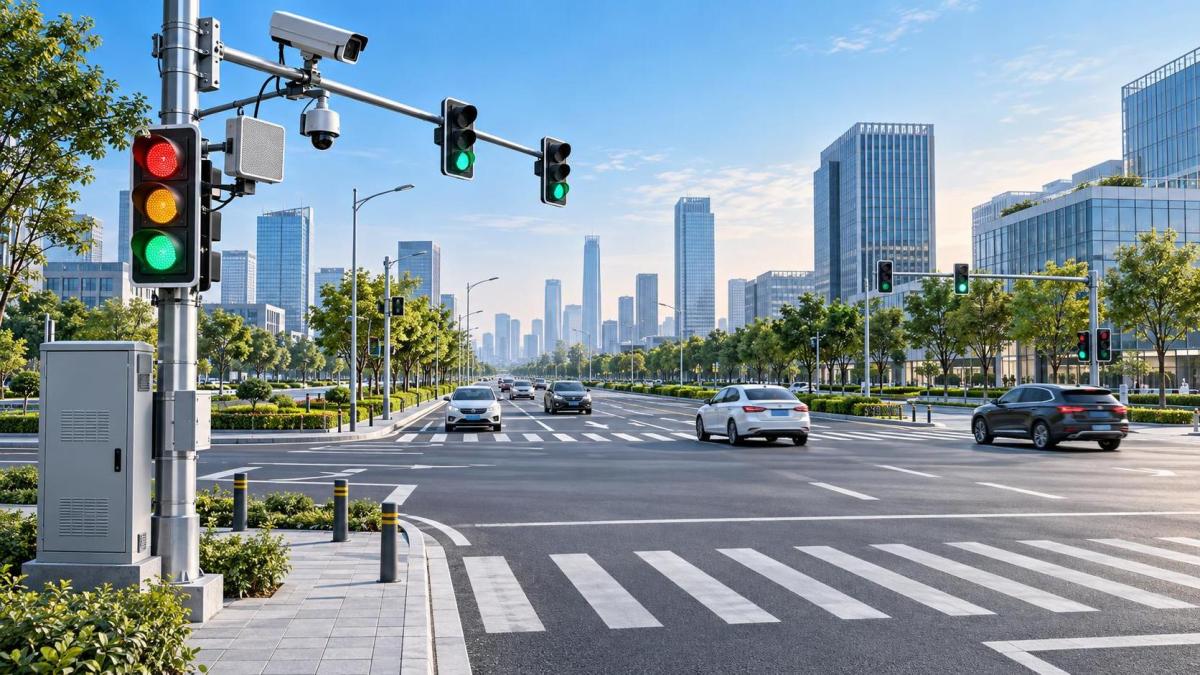
Signal heads, pedestrian indications, countdown displays, audible and vibrotactile accessibility equipment, and illuminated signs are sometimes treated as routine line items. In reality, their visibility, consistency, and fault tolerance shape public confidence in the entire system.
Check signal head alignment from each approach, especially after new lane markings, cycle tracks, or bus stops change sight lines. LED signal modules should be selected for the local climate and voltage conditions, while mounting arrangements must resist vibration and wind loading. At complex crossings, additional near-side pedestrian indicators, bicycle signals, or lane-control signs may be more valuable than adding another general-purpose camera.
Communications and edge hardware: the often underestimated layer
Modern intersection intelligence depends on reliable movement of data, commands, and health information. Fibre is typically the preferred backbone where available, offering capacity and stability for video, controller coordination, and central management. But fibre alone does not complete the design.
Each site may require managed industrial Ethernet switches, secure routers or gateways, media converters, wireless bridges, cellular failover equipment, and edge computing hardware. Edge processors can reduce bandwidth demand by analysing video or sensor data locally and transmitting only events, counts, or metadata. That can be useful where network capacity is limited or where the city seeks to minimise retention of identifiable imagery.
Connectivity decisions should be made jointly by traffic operations and the municipal IT or cybersecurity team. A controller cabinet is no longer just roadside electrical infrastructure; it is a network endpoint with operational consequences.
Match the hardware package to the intersection’s job
Instead of applying one bill of materials across an entire programme, group intersections into operating types. This creates more disciplined procurement and prevents premium hardware from being installed where simpler equipment would perform just as well.
These categories are starting points, not rigid templates. A suburban intersection beside a school may need more sophisticated pedestrian equipment than a central business district junction with low walking demand. The site’s risk profile should always override assumptions based on location alone.
Evaluate interoperability before committing to a platform
Project managers are often offered an integrated package: controller, sensors, central software, communications hardware, and maintenance tools from a single supplier. A single-source package can simplify accountability, particularly when a city needs a rapid pilot or has a small technical team. Yet integration convenience should not obscure the need for interoperability.
Ask suppliers to demonstrate how their equipment exchanges data with third-party controllers, central traffic management systems, emergency services interfaces, transit platforms, and city data environments. Review supported protocols, documented APIs, data ownership terms, export formats, user-access permissions, and the process for adding future devices.
The practical concern is not ideological opposition to proprietary technology. It is operational freedom. If a camera fails five years after deployment, can the city replace it with an equivalent approved device? If an analytics provider changes, can historical data still be accessed? If a new corridor is added, does the network require costly licence changes? These questions belong in the technical evaluation and contract schedules, not in a post-award dispute.
Reliability is designed into the cabinet, poles, and maintenance plan
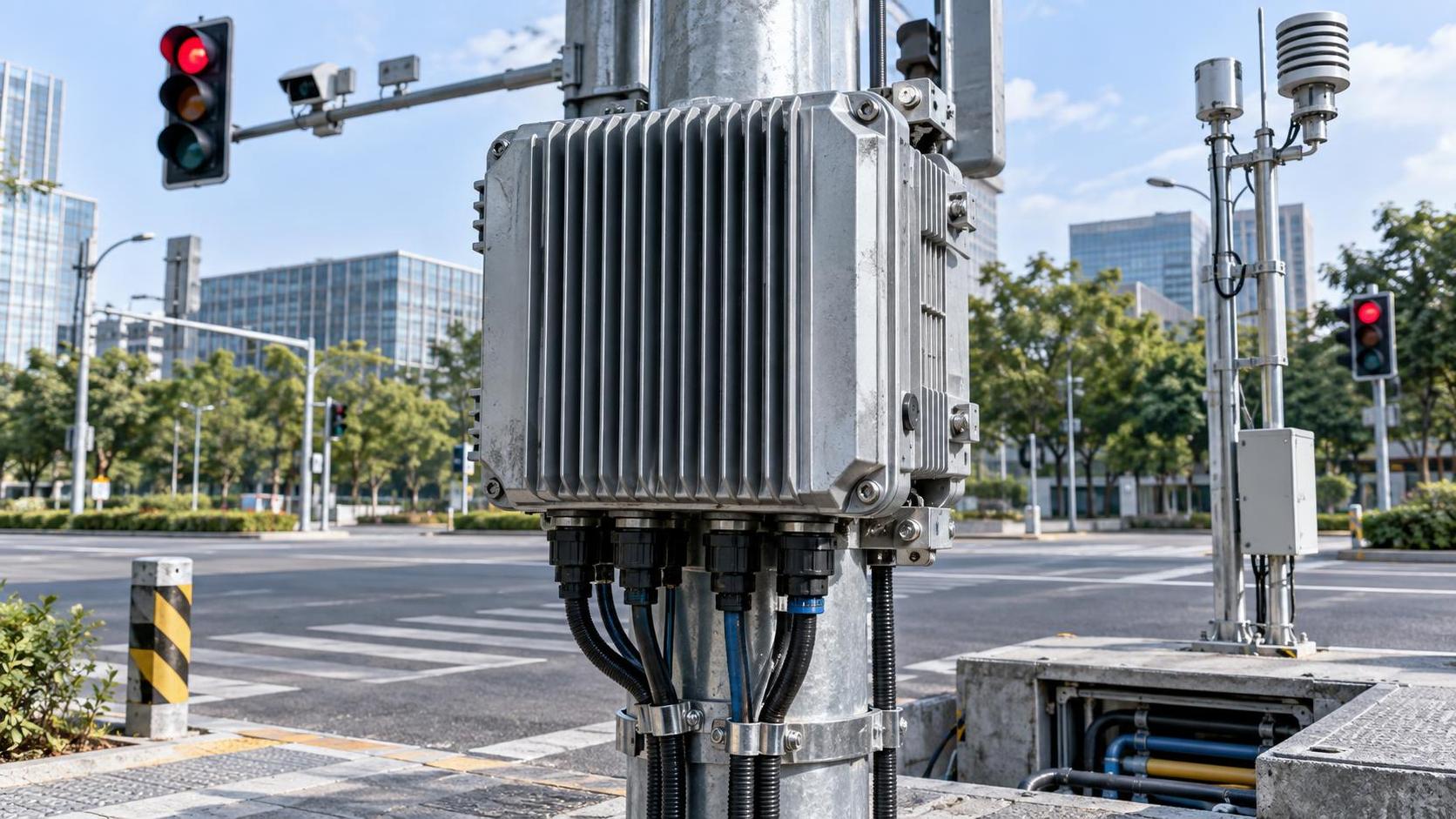
Intersection hardware works outdoors, beside moving traffic, through temperature swings, moisture, vibration, power fluctuations, and occasional vehicle strikes. Reliability therefore depends as much on installation detail as on the product specification.
Require site-specific checks for cabinet ventilation, ingress protection, corrosion exposure, grounding, surge protection, cable routing, pole loading, and safe maintenance access. In flood-prone areas, cabinet elevation and conduit sealing deserve particular attention. In coastal environments, corrosion-resistant enclosures and connectors may justify a higher initial cost. At locations with unstable power, an uninterruptible power supply or properly designed backup strategy can preserve safe signal operation and prevent avoidable equipment damage.
Maintenance teams should participate before procurement is finalised. They know which cabinets are difficult to access, which junctions suffer repeated utility interruptions, and which device types produce excessive callouts. Their experience often reveals the difference between a technically impressive specification and one that can be sustained with available staff, spares, and service windows.
Cybersecurity and privacy are field requirements, not IT add-ons
As intersections become connected, a poorly secured roadside device can create risks well beyond one junction. Hardware selection should include secure boot capability, role-based access, encryption for communications, network segmentation, audit logs, timely firmware support, credential management, and a defined vulnerability-response process.
Where cameras or vehicle-identification functions are involved, establish clear rules for what data is collected, processed at the edge, transmitted, retained, and accessed. The most responsible design collects only what is necessary for the stated traffic-management purpose. Privacy-by-design is not merely a compliance measure; it can reduce storage costs, network load, and public concern.
A procurement checklist that protects the project
Before approving an intelligent traffic systems hardware package, project leaders should be able to answer the following questions with confidence:
- What measurable traffic, safety, accessibility, or operational problem does each device address?
- Has the sensor placement been validated against road geometry, occlusion, weather, and lighting?
- Can the controller support planned priority, coordination, and future expansion functions?
- Does the communications design include resilience, cybersecurity controls, and realistic bandwidth assumptions?
- Are interfaces documented well enough to avoid unnecessary vendor lock-in?
- Have civil works, power upgrades, pole changes, lane closures, and traffic-management costs been included in the project budget?
- Can local teams maintain the equipment, access diagnostics, and obtain replacement parts within an acceptable timeframe?
- What happens in a fault condition: does the intersection fail safely, notify operators, and preserve essential operations?
It is also wise to include field acceptance testing, not just factory documentation. Test detection in real traffic, during night conditions where relevant, and across the movements that matter most. Verify communications recovery after interruption, controller behaviour during faults, accessibility device operation, and data delivery to the central system. A short but rigorous commissioning period can expose issues that drawings never reveal.
Build an intersection system that can evolve with the city
The best hardware selection is not necessarily the one with the longest feature list. It is the combination that performs reliably at a specific intersection, fits the city’s operational maturity, and leaves room for future change. A modest actuated signal with robust detection and secure remote monitoring may create more value than an overcomplicated analytics deployment that maintenance teams cannot support.
For infrastructure programmes, this means treating each junction as part of a living urban network. The controller must communicate, sensors must produce trustworthy inputs, field devices must be clear to road users, and the physical installation must survive daily exposure. When those layers are aligned, intelligent traffic systems hardware becomes more than roadside technology: it becomes a practical tool for safer crossings, smoother movement, and more responsive urban governance.
Get weekly intelligence in your inbox.
No noise. No sponsored content. Pure intelligence.
News Recommendations
 Sep 19, 2026How an electronics application guide helps prevent component mismatchHow an electronics application guide helps prevent component mismatch
 Sep 18, 2026When a resource allocation platform improves project deliveryWhen a resource allocation platform improves project delivery
 Sep 17, 2026What to compare when evaluating mineral processing equipment manufacturersWhat to compare when evaluating mineral processing equipment manufacturers
 Sep 16, 2026How mineral separation optimization can reduce concentrate lossesHow mineral separation optimization can reduce concentrate losses
 Sep 15, 2026How to assess lifecycle costs in urban tech procurementHow to assess lifecycle costs in urban tech procurement
 Sep 14, 2026Heavy industry technology trends reshaping capital investment prioritiesHeavy industry technology trends reshaping capital investment priorities
 Sep 14, 2026Why Infrastructure Equipment Buyers Are Shifting from Catalog-Based to Capability-Based Supplier SelectionWhy Infrastructure Equipment Buyers Are Shifting from Catalog-Based to Capability-Based Supplier Selection
 Sep 14, 2026Process Automation Project Execution: How to Align Supplier Capabilities with PLC Integration, Cybersecurity & Commissioning MilestonesProcess Automation Project Execution: How to Align Supplier Capabilities with PLC Integration, Cybersecurity & Commissioning Milestones
 Sep 14, 2026Are intelligent traffic systems worth the investment for small cities?Are intelligent traffic systems worth the investment for small cities?
 Sep 14, 2026How do intelligent traffic systems handle sensor failures?How do intelligent traffic systems handle sensor failures?
 Sep 14, 2026What should I check before accepting a smart building system?What should I check before accepting a smart building system?
 Sep 14, 2026Is a smart building system worth the maintenance cost?Is a smart building system worth the maintenance cost?
 Sep 14, 2026What data is needed for reliable resource allocation planning?What data is needed for reliable resource allocation planning?
 Sep 14, 2026How can resource allocation software reduce equipment idle time?How can resource allocation software reduce equipment idle time?
 Sep 14, 2026How should smart devices be maintained in harsh outdoor conditions?How should smart devices be maintained in harsh outdoor conditions?
 Sep 14, 2026Do smart devices improve worker safety on construction sites?Do smart devices improve worker safety on construction sites?
 Sep 14, 2026What environmental risks must be assessed before deep-sea mining?What environmental risks must be assessed before deep-sea mining?
 Sep 14, 2026Is deep-sea mining equipment commercially viable in 2026?Is deep-sea mining equipment commercially viable in 2026?
 Sep 14, 2026What Inspection Checks Should Procurement Teams Perform Before Ordering Dredging Equipment in 2026?What Inspection Checks Should Procurement Teams Perform Before Ordering Dredging Equipment in 2026?
 Sep 13, 2026How to verify an industrial product information source before specifying equipmentHow to verify an industrial product information source before specifying equipment
 Sep 12, 2026Which intelligent traffic systems hardware fits an urban intersection?Which intelligent traffic systems hardware fits an urban intersection?
 Sep 11, 2026How pump capacity affects response coverage for municipal fire fighting vehiclesHow pump capacity affects response coverage for municipal fire fighting vehicles
 Sep 10, 2026What to verify before choosing a heavy industry equipment supplierWhat to verify before choosing a heavy industry equipment supplier
 Sep 09, 2026When do adaptive urban traffic control systems reduce corridor delays?When do adaptive urban traffic control systems reduce corridor delays?
 Sep 08, 2026When logistics technology solutions in North America reduce delivery delaysWhen logistics technology solutions in North America reduce delivery delays
 Sep 07, 2026How reliable are wireless mining safety systems in underground mines?How reliable are wireless mining safety systems in underground mines?
 Sep 07, 2026How to assess a smart lighting technology platform for interoperabilityHow to assess a smart lighting technology platform for interoperability