How Integrated Urban Technology Solutions Reduce Infrastructure Silos
Where Infrastructure Silos Usually Start

Integrated urban technology solutions matter most when a city already has capable systems that still fail to work together.
That gap appears in transport control rooms, energy dispatch centers, building platforms, rail operations, and waste networks.
Each system may perform well alone. Delivery slows when data models, operating rules, and maintenance workflows stay isolated.
In practice, the issue is rarely technology shortage. More often, it is fragmented governance around assets, alerts, ownership, and timing.
This is why integrated urban technology solutions are now central to infrastructure planning, not an optional digital layer added later.
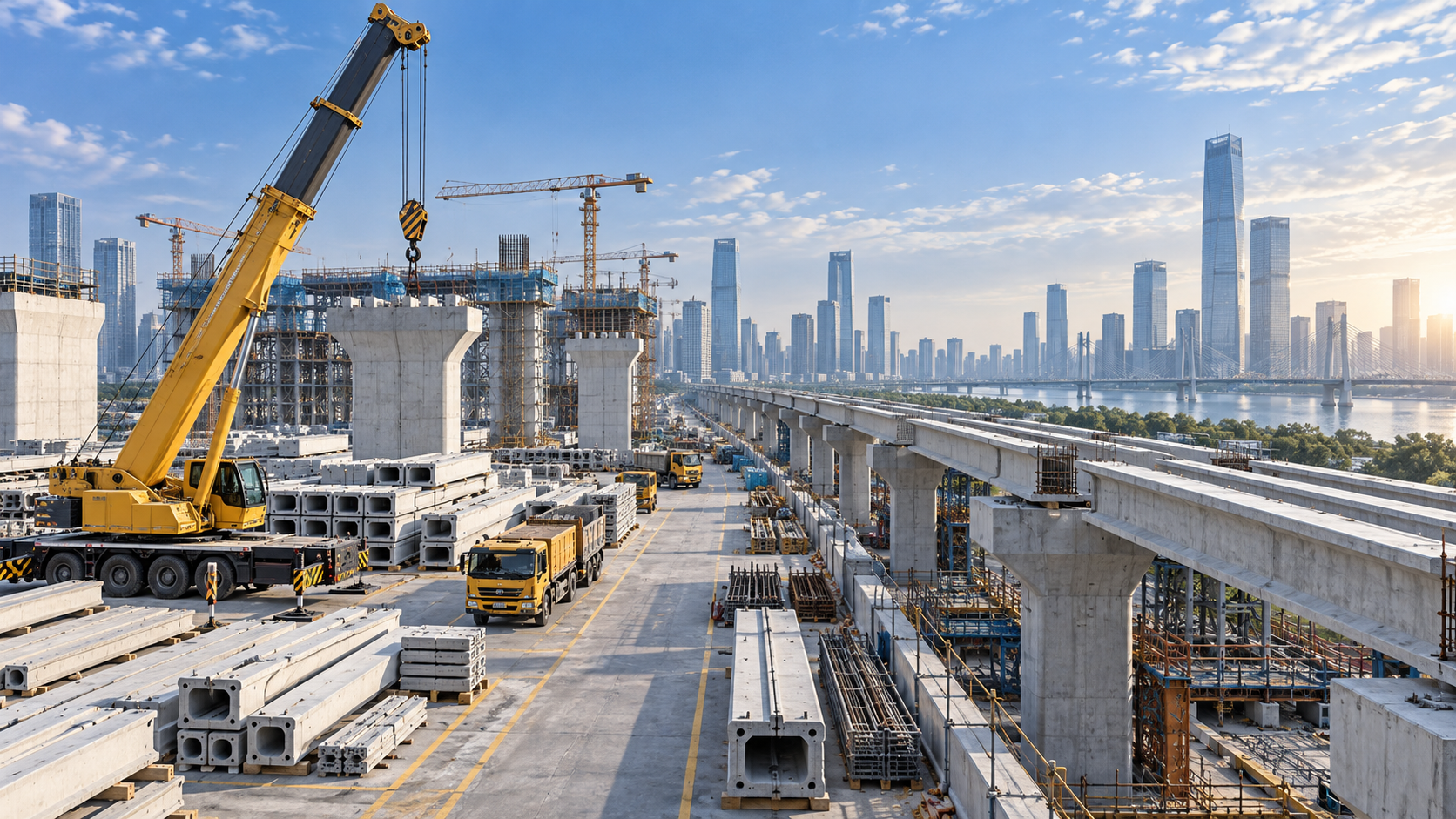
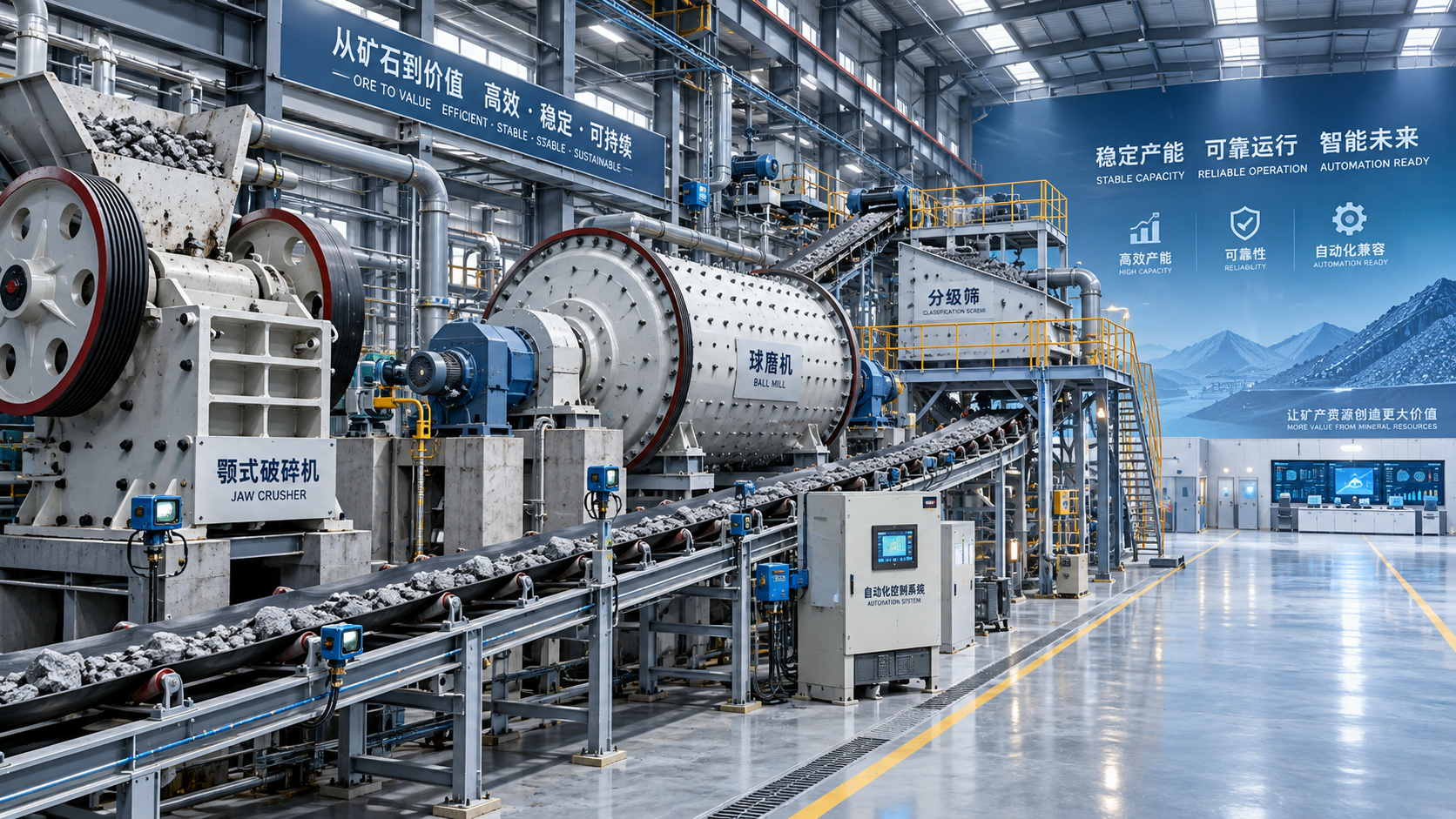
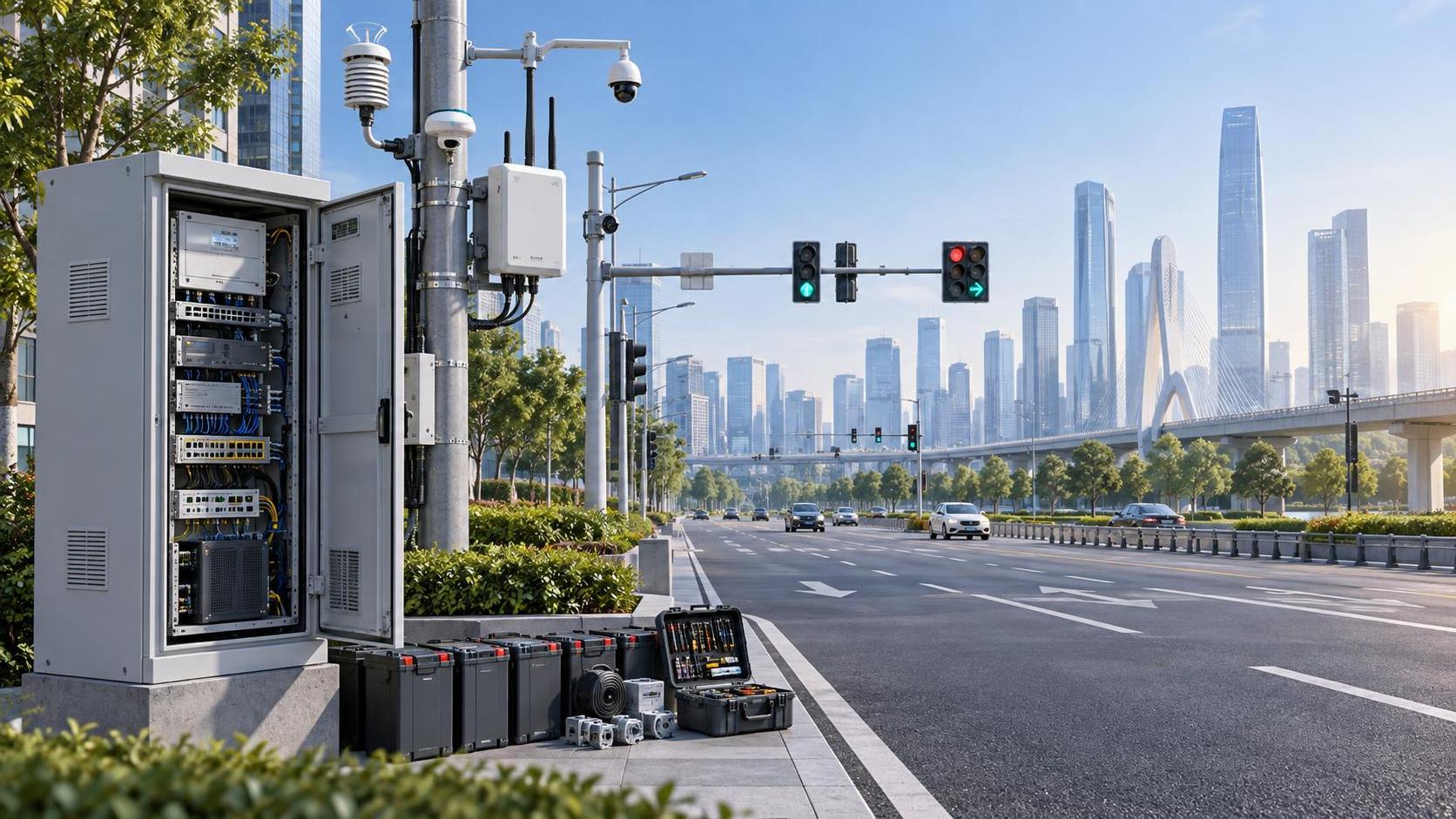
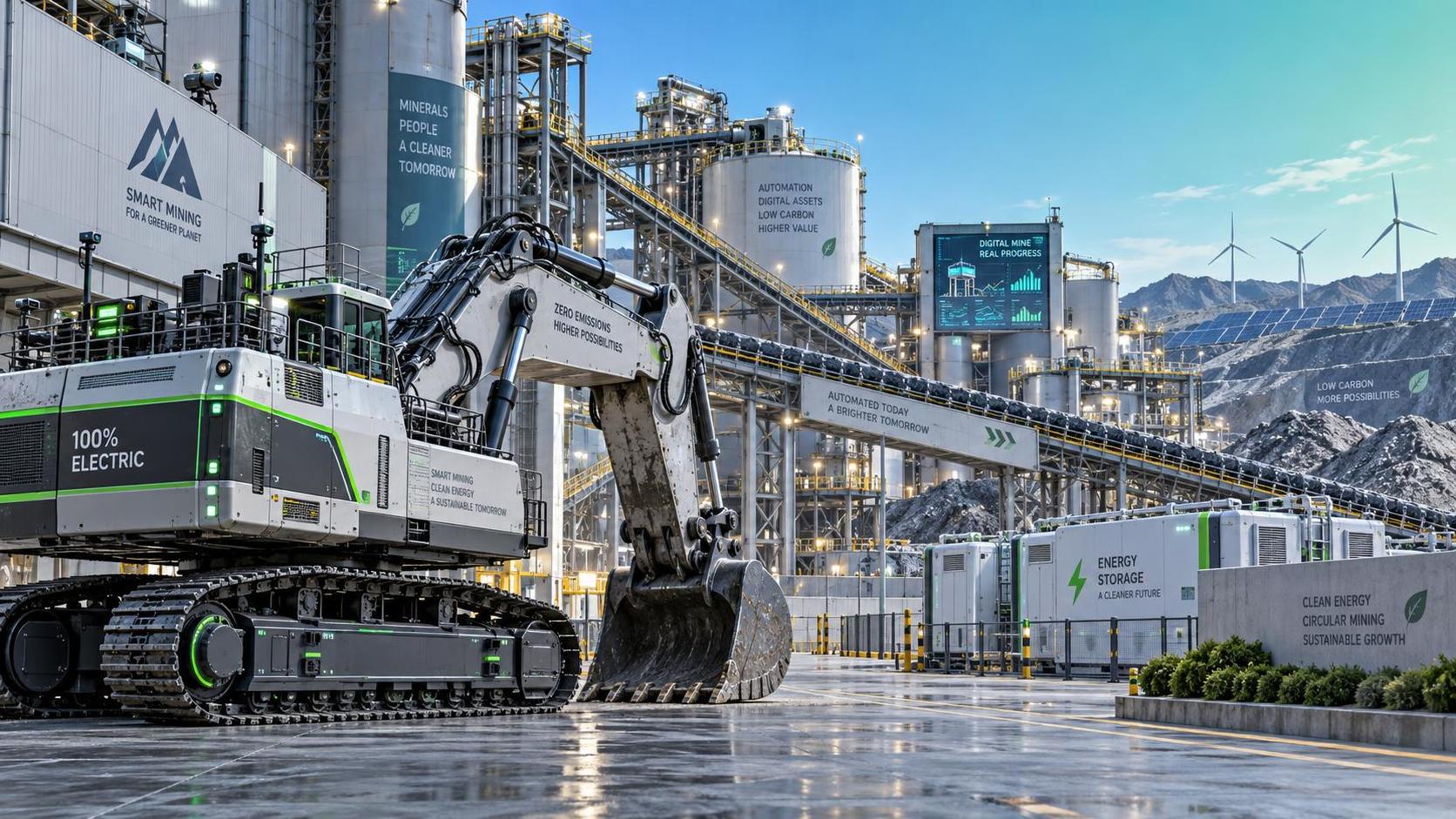
Across GIUT’s coverage of construction, smart governance, rail, mining logistics, and special equipment, one pattern keeps repeating.
Physical systems become more resilient when the digital architecture mirrors how the city actually moves, consumes, builds, and responds.
A digital twin mindset helps here. It connects field conditions, control logic, and long-term capital decisions within one operational view.
Different Urban Systems Create Different Integration Demands
Not every silo creates the same risk. The right integration depth depends on service criticality, response speed, and asset interdependence.
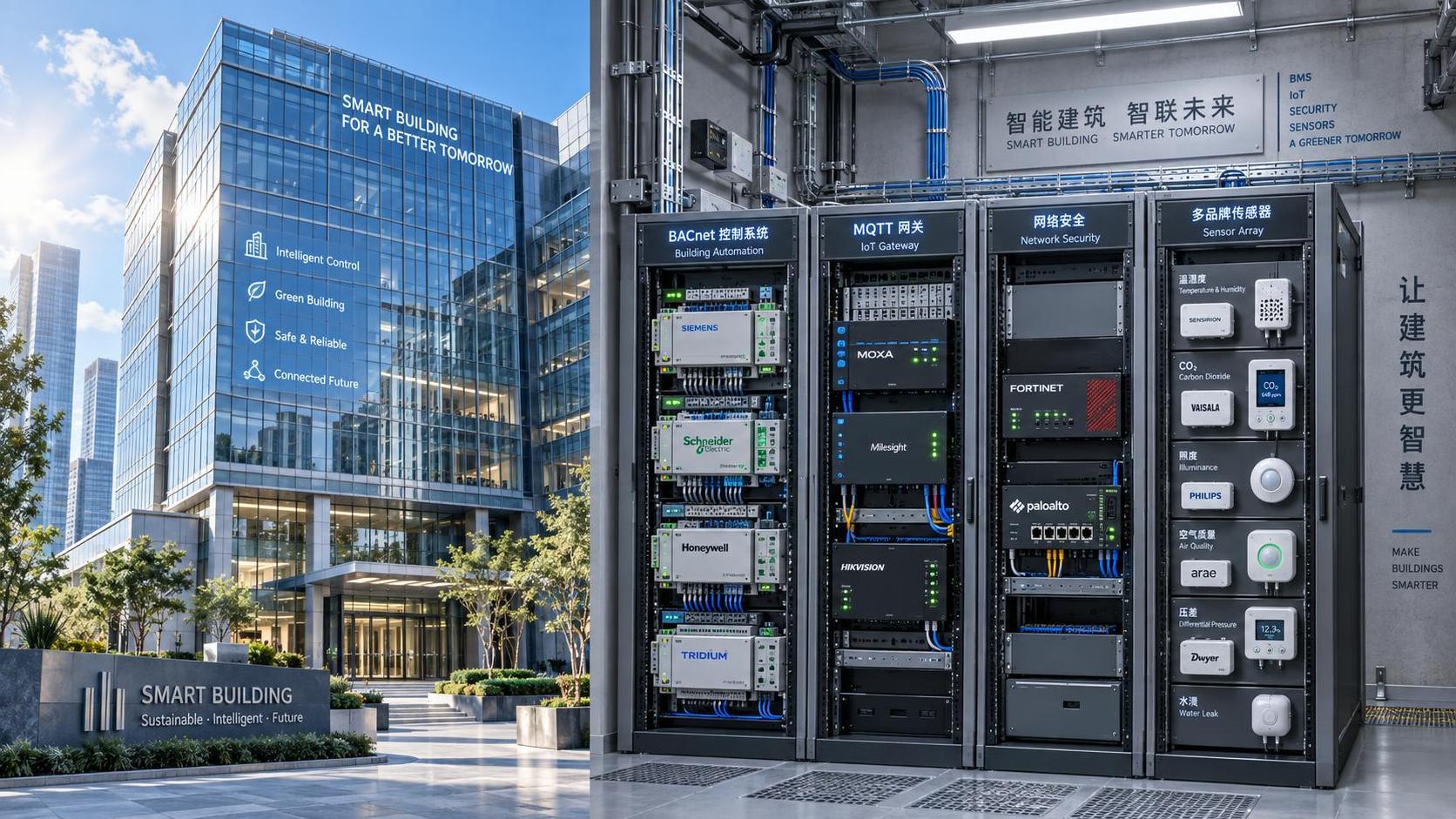
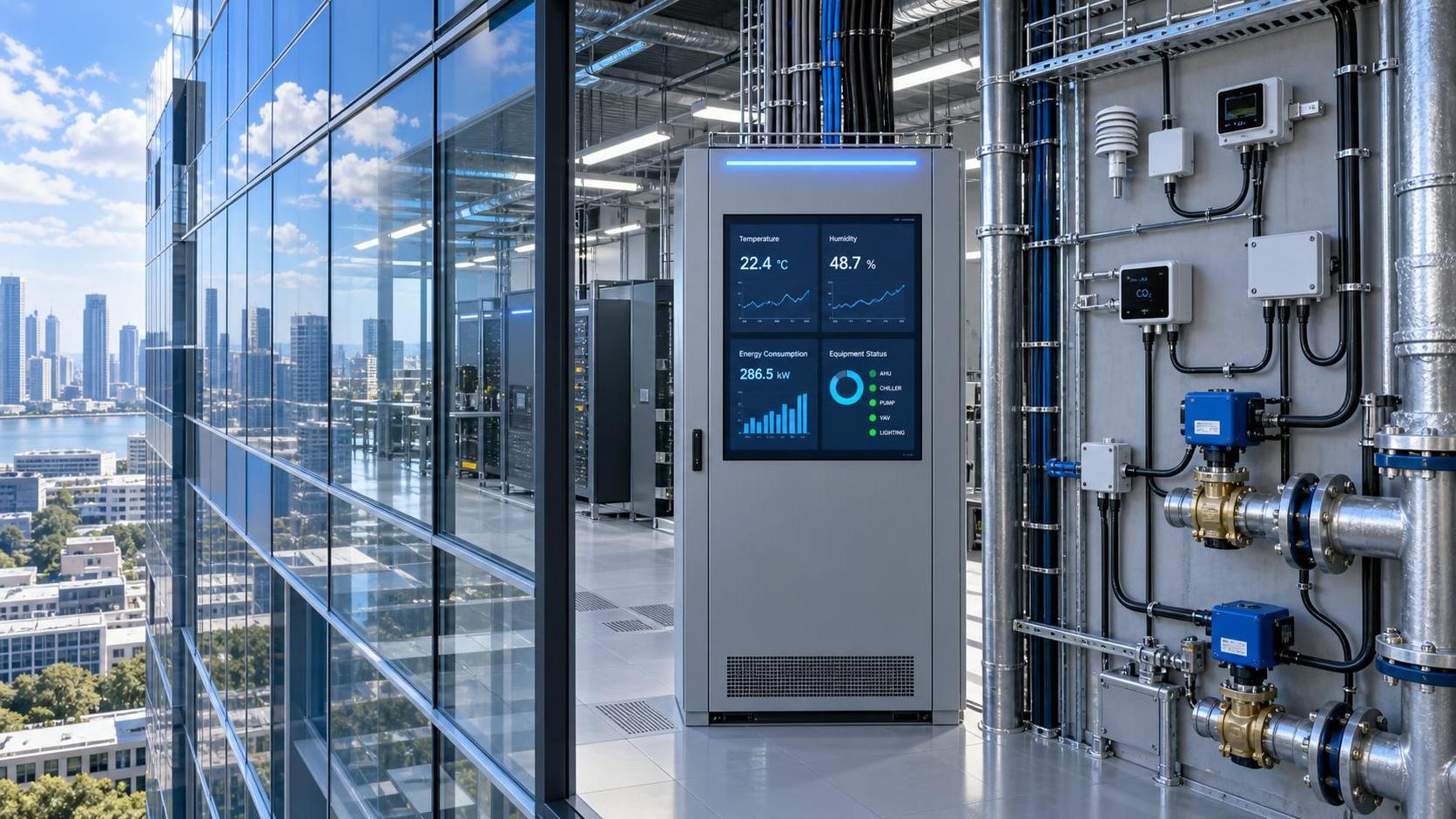
A smart building cluster usually needs occupancy, energy, and safety data to align in near real time.
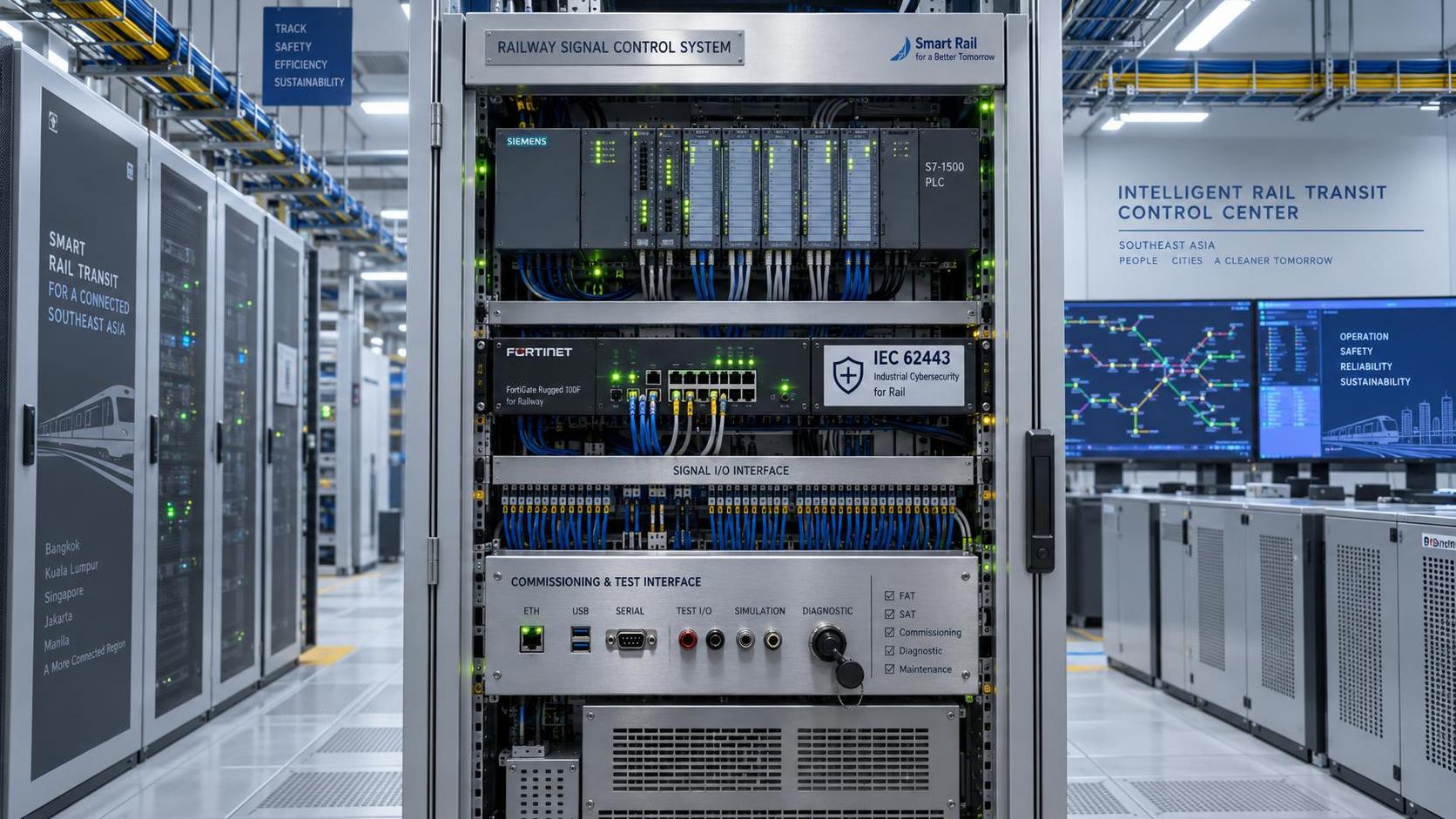
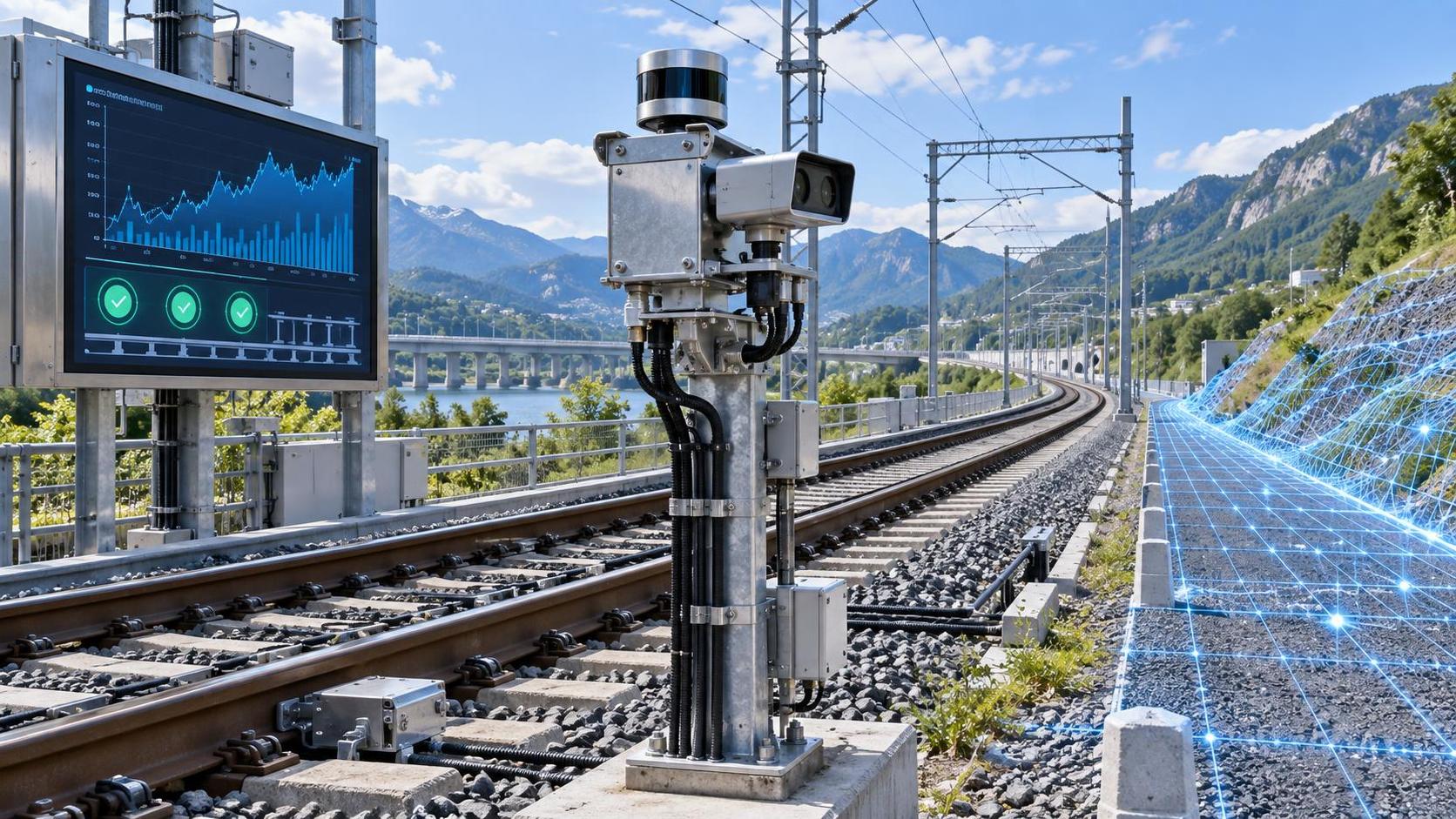
A rail corridor, by contrast, needs precise coordination between signaling, power supply, maintenance windows, and station flow.
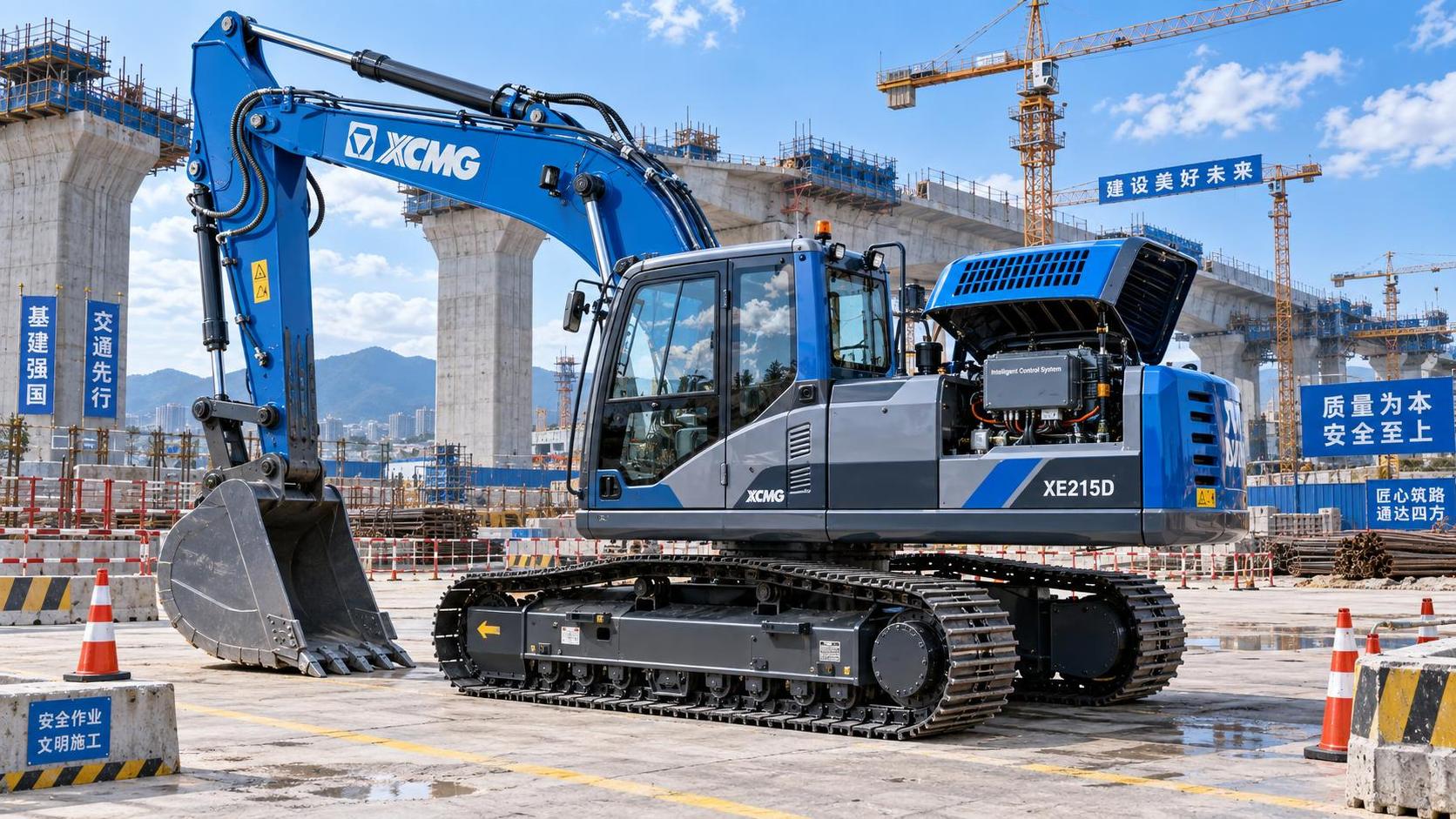
Mining-linked logistics or heavy equipment fleets add another layer, because uptime and location data directly affect urban supply continuity.
The common thread is simple. Integrated urban technology solutions work best when they reflect operational dependency, not just software compatibility.
This is where broad strategy becomes practical. Cities need different integration priorities because physical operations create different coordination pressures.
In Transport Networks, Timing Matters More Than Interface Count
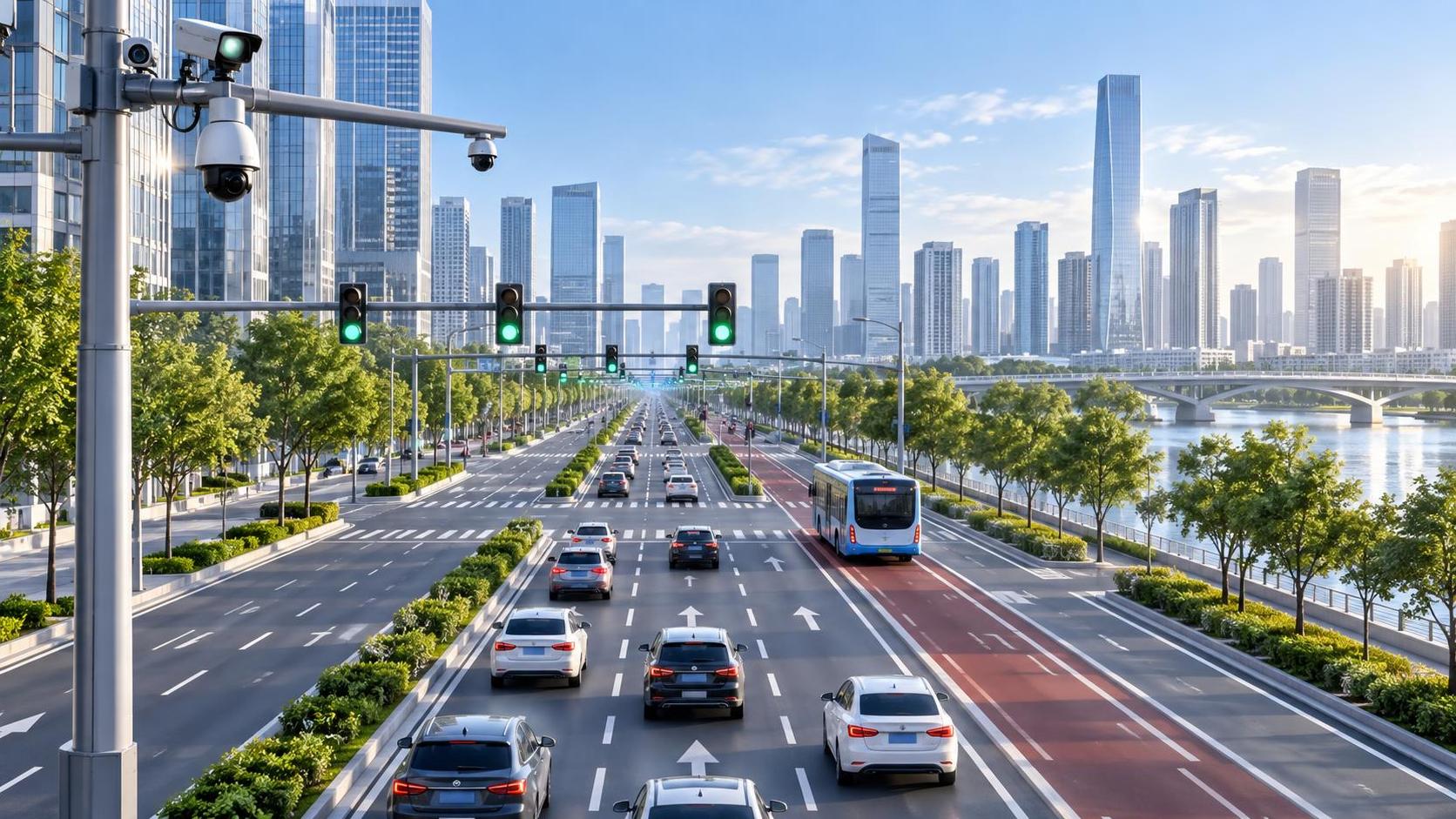
Transport often becomes the first test for integrated urban technology solutions because delays are visible and politically sensitive.
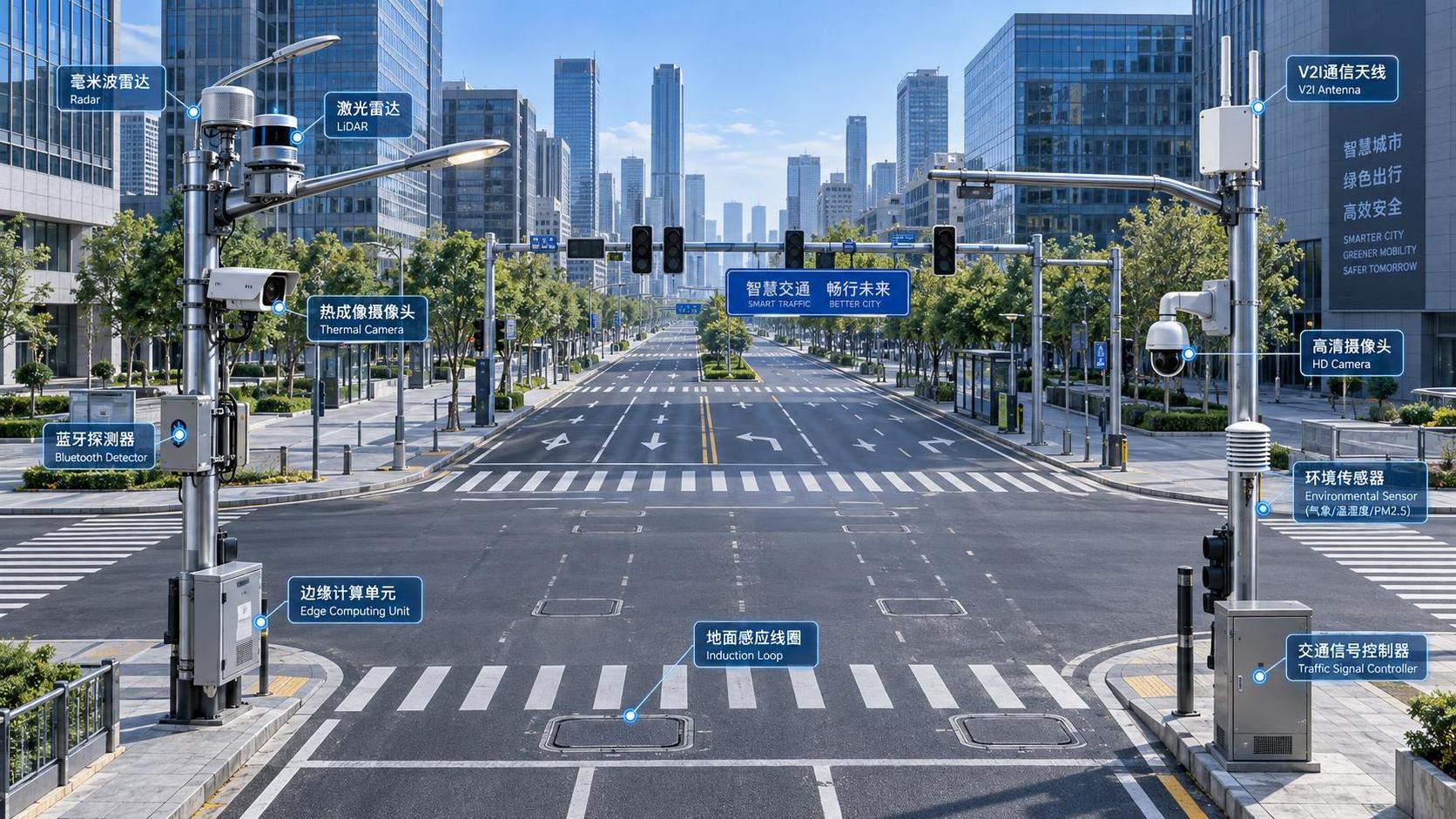
Yet the real challenge is not how many platforms are connected. It is whether signal, vehicle, station, and incident data align fast enough.
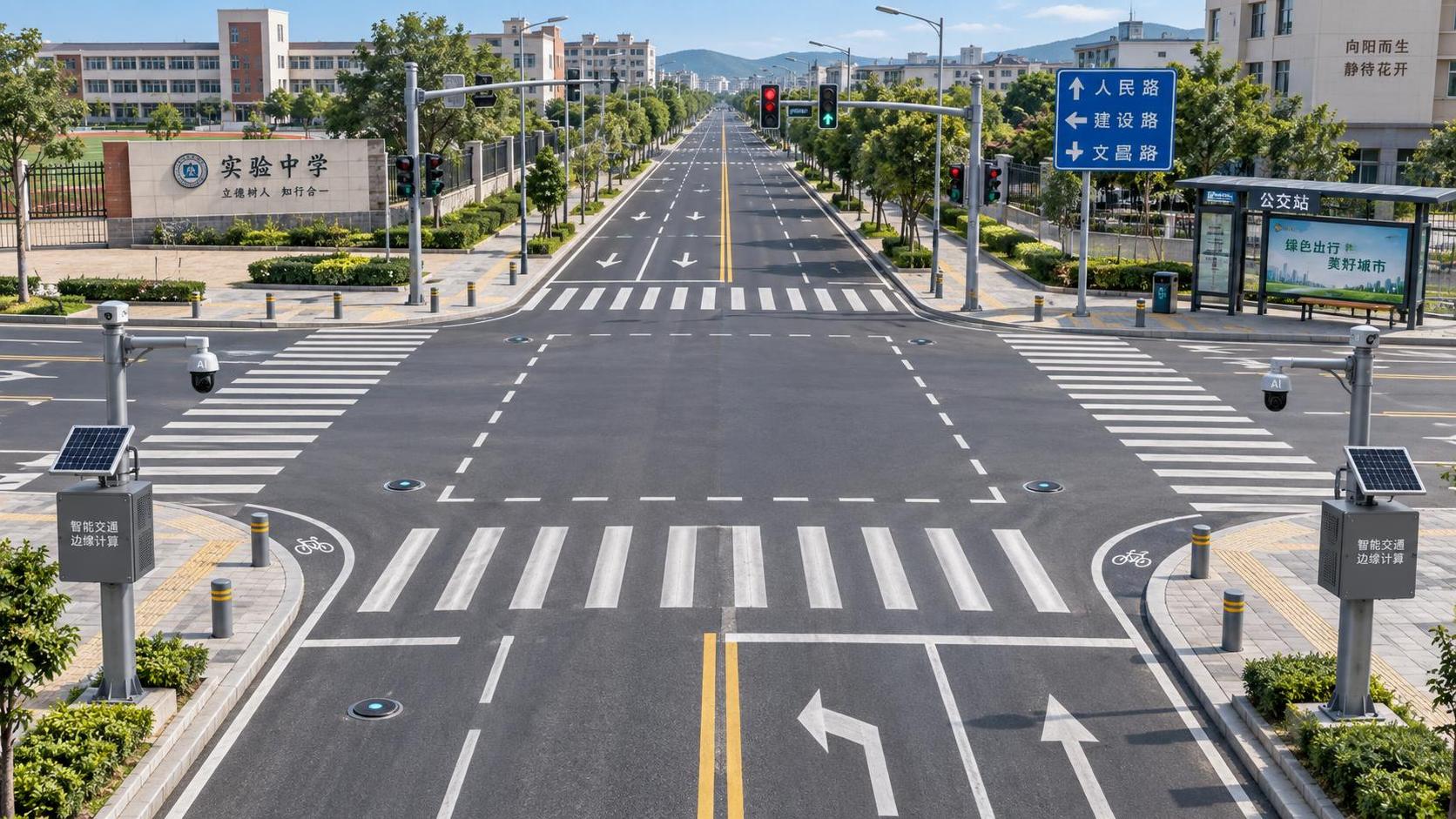
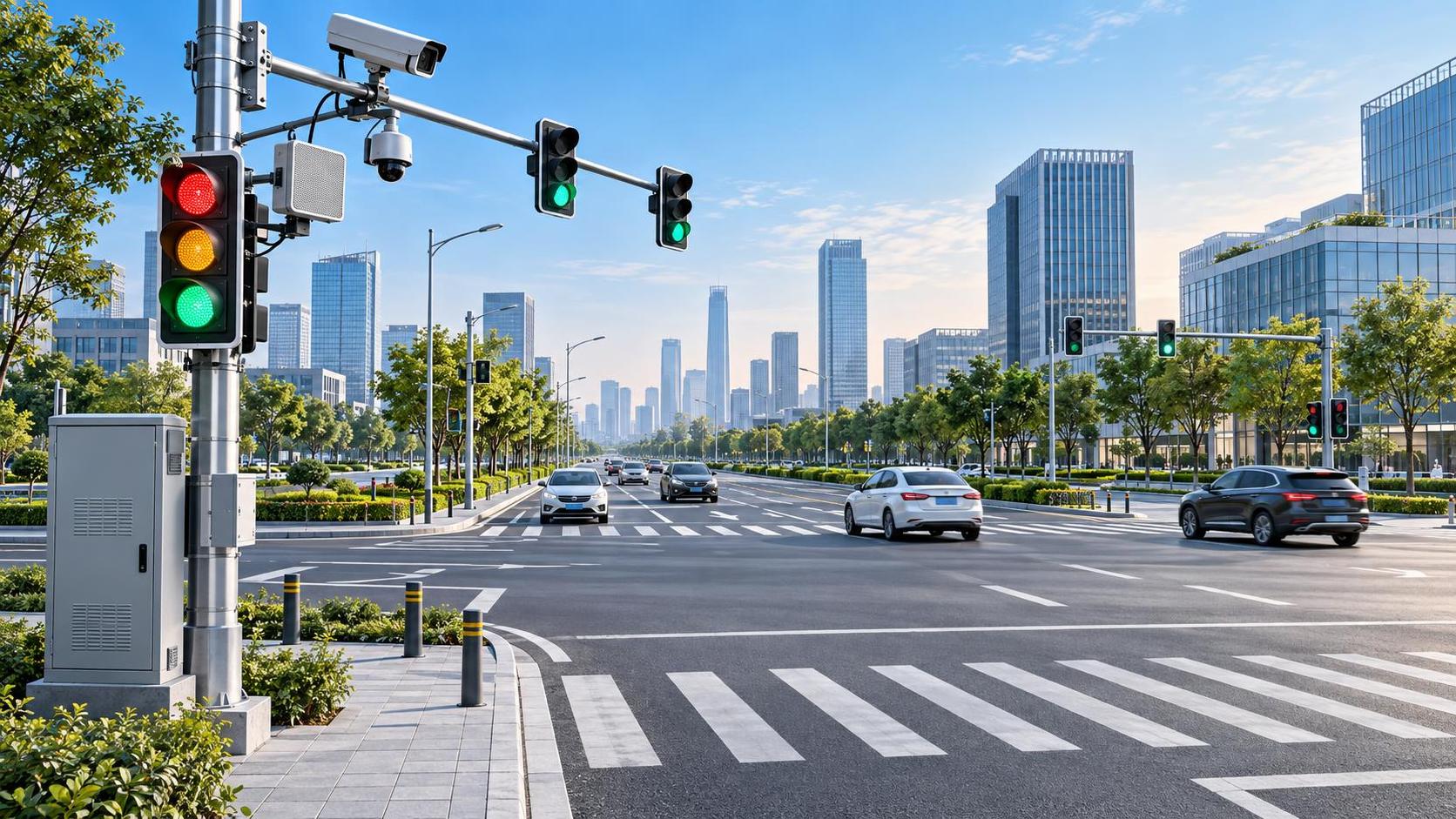
An urban traffic center may already receive feeds from cameras, loops, buses, and public alerts.
If those feeds remain separate, congestion response becomes reactive. Operators see events, but cannot coordinate decisions across agencies.
Rail systems raise the stakes further. Signaling faults, traction power changes, and maintenance possession windows affect each other immediately.
Here, integrated urban technology solutions should prioritize event correlation, common asset identity, and rule-based escalation.
A common mistake is assuming one dashboard solves fragmentation. In reality, a dashboard without shared workflows only centralizes confusion.
Buildings, Energy, and Public Services Need a Different Logic
In building portfolios and district energy systems, the integration problem usually looks quieter but runs deeper.
Separate teams may manage HVAC, access, lighting, metering, fire safety, and distributed generation with different KPIs.
That structure hides cross-effects. Occupancy shifts affect cooling loads. Grid signals affect storage dispatch. Maintenance delays affect indoor performance.
Integrated urban technology solutions reduce those blind spots when building automation connects with utility data and service response records.
The best fit is not always full platform replacement. Often, a data layer and shared operating model deliver faster value.
This matters in automated waste systems as well. Route logic, fill-level sensing, energy use, and public complaint handling should inform one another.
When those flows stay disconnected, service quality degrades gradually and capital planning becomes guesswork.
What often deserves more attention
- Whether legacy devices can expose usable operational data, not just alarms.
- Whether metering intervals match the decisions operators need to make.
- Whether service contractors follow the same asset naming and fault codes.
- Whether energy savings claims include maintenance burden and occupant impact.
Heavy Industry and Urban Operations Meet at the Edge
Cities rarely think of mining technology or special purpose vehicles as part of smart urban integration. That view is too narrow.
Resource corridors, concrete supply, emergency vehicles, and crane fleets influence construction timelines and public service continuity.
Integrated urban technology solutions become useful here when they link fleet telemetry, maintenance status, site sequencing, and municipal constraints.
A delayed mixer truck affects more than a contractor’s schedule. It can ripple into road occupancy, labor allocation, and energy-intensive rework.
Emergency vehicles present a similar case. Route priority, equipment status, and dispatch data should interact with city traffic systems.
This cross-sector view aligns with GIUT’s broader perspective. The physical world functions as one chain, even when institutions are separated.
Common Misjudgments Before Integration Moves Forward
Several integration programs stall because the wrong problem gets defined at the start.
One recurring misjudgment is focusing on procurement features before mapping operational dependencies between systems.
Another is treating similar sites as identical. A dense transit hub and a mixed-use district may share devices but not response logic.
Cost analysis also gets distorted when only software spend is measured. Integration often shifts labor, training, maintenance, and cyber risk.
There is also a governance trap. Integrated urban technology solutions fail when ownership of data and actions remains unclear.
Cities do not need perfect standardization first. They do need shared definitions for assets, alerts, accountability, and exception handling.
A Practical Way to Match the Solution to the Setting
A useful starting point is to rank where silo costs are highest: delay, outage, safety exposure, wasted energy, or maintenance duplication.
Then confirm which decisions require cross-system visibility and which can remain local.
Integrated urban technology solutions should be scoped around those decisions, not around abstract transformation targets.
In practical terms, the following checks usually improve fit:
- Map the top five workflows that cross organizational boundaries.
- Identify where data latency changes the operating outcome.
- Test one common asset model across at least two departments.
- Review fallback procedures for outages, cyber events, and manual override.
- Measure value through avoided disruption, not only through dashboard adoption.
That approach keeps integration grounded in engineering reality. It also reflects the GIUT view that intelligent infrastructure must stay tied to field conditions.
The Next Step Is Better Scenario Mapping, Not More Noise
Integrated urban technology solutions reduce infrastructure silos when they are matched to real interdependencies across transport, buildings, utilities, logistics, and equipment.
The strongest programs do not begin with a giant platform decision. They begin with scenario mapping, data discipline, and clear operational ownership.
A sensible next move is to compare a few high-friction urban workflows, define the assets and decisions involved, and check where information breaks.
From there, it becomes easier to judge implementation difficulty, lifecycle cost, and long-term resilience instead of chasing disconnected digital upgrades.
Get weekly intelligence in your inbox.
No noise. No sponsored content. Pure intelligence.
News Recommendations
 Sep 19, 2026How an electronics application guide helps prevent component mismatchHow an electronics application guide helps prevent component mismatch
 Sep 18, 2026When a resource allocation platform improves project deliveryWhen a resource allocation platform improves project delivery
 Sep 17, 2026What to compare when evaluating mineral processing equipment manufacturersWhat to compare when evaluating mineral processing equipment manufacturers
 Sep 16, 2026How mineral separation optimization can reduce concentrate lossesHow mineral separation optimization can reduce concentrate losses
 Sep 15, 2026How to assess lifecycle costs in urban tech procurementHow to assess lifecycle costs in urban tech procurement
 Sep 14, 2026Heavy industry technology trends reshaping capital investment prioritiesHeavy industry technology trends reshaping capital investment priorities
 Sep 14, 2026Global Industrial Equipment Procurement: How Top OEMs Qualify Suppliers for Mining & Infrastructure ProjectsGlobal Industrial Equipment Procurement: How Top OEMs Qualify Suppliers for Mining & Infrastructure Projects
 Sep 14, 2026Industrial & Mining Equipment Procurement: Balancing Local Sourcing, Lead Time, and Certification RequirementsIndustrial & Mining Equipment Procurement: Balancing Local Sourcing, Lead Time, and Certification Requirements
 Sep 14, 2026Infrastructure & Equipment Upgrades: What Procurement Teams Must Verify Before Signing Off on New ContractsInfrastructure & Equipment Upgrades: What Procurement Teams Must Verify Before Signing Off on New Contracts
 Sep 14, 2026Why Infrastructure Equipment Buyers Are Shifting from Catalog-Based to Capability-Based Supplier SelectionWhy Infrastructure Equipment Buyers Are Shifting from Catalog-Based to Capability-Based Supplier Selection
 Sep 14, 2026Process Automation Project Execution: How to Align Supplier Capabilities with PLC Integration, Cybersecurity & Commissioning MilestonesProcess Automation Project Execution: How to Align Supplier Capabilities with PLC Integration, Cybersecurity & Commissioning Milestones
 Sep 14, 2026Are intelligent traffic systems worth the investment for small cities?Are intelligent traffic systems worth the investment for small cities?
 Sep 14, 2026How do intelligent traffic systems handle sensor failures?How do intelligent traffic systems handle sensor failures?
 Sep 14, 2026What should I check before accepting a smart building system?What should I check before accepting a smart building system?
 Sep 14, 2026Is a smart building system worth the maintenance cost?Is a smart building system worth the maintenance cost?
 Sep 14, 2026What data is needed for reliable resource allocation planning?What data is needed for reliable resource allocation planning?
 Sep 14, 2026How can resource allocation software reduce equipment idle time?How can resource allocation software reduce equipment idle time?
 Sep 14, 2026How should smart devices be maintained in harsh outdoor conditions?How should smart devices be maintained in harsh outdoor conditions?
 Sep 14, 2026Do smart devices improve worker safety on construction sites?Do smart devices improve worker safety on construction sites?
 Sep 14, 2026What environmental risks must be assessed before deep-sea mining?What environmental risks must be assessed before deep-sea mining?
 Sep 14, 2026Is deep-sea mining equipment commercially viable in 2026?Is deep-sea mining equipment commercially viable in 2026?
 Sep 14, 2026What Inspection Checks Should Procurement Teams Perform Before Ordering Dredging Equipment in 2026?What Inspection Checks Should Procurement Teams Perform Before Ordering Dredging Equipment in 2026?
 Sep 13, 2026How to verify an industrial product information source before specifying equipmentHow to verify an industrial product information source before specifying equipment
 Sep 12, 2026Which intelligent traffic systems hardware fits an urban intersection?Which intelligent traffic systems hardware fits an urban intersection?
 Sep 11, 2026How pump capacity affects response coverage for municipal fire fighting vehiclesHow pump capacity affects response coverage for municipal fire fighting vehicles
 Sep 10, 2026What to verify before choosing a heavy industry equipment supplierWhat to verify before choosing a heavy industry equipment supplier
 Sep 09, 2026When do adaptive urban traffic control systems reduce corridor delays?When do adaptive urban traffic control systems reduce corridor delays?