Integrated Urban Technology Solutions for Smarter City Operations
Why are integrated urban technology solutions getting so much attention?
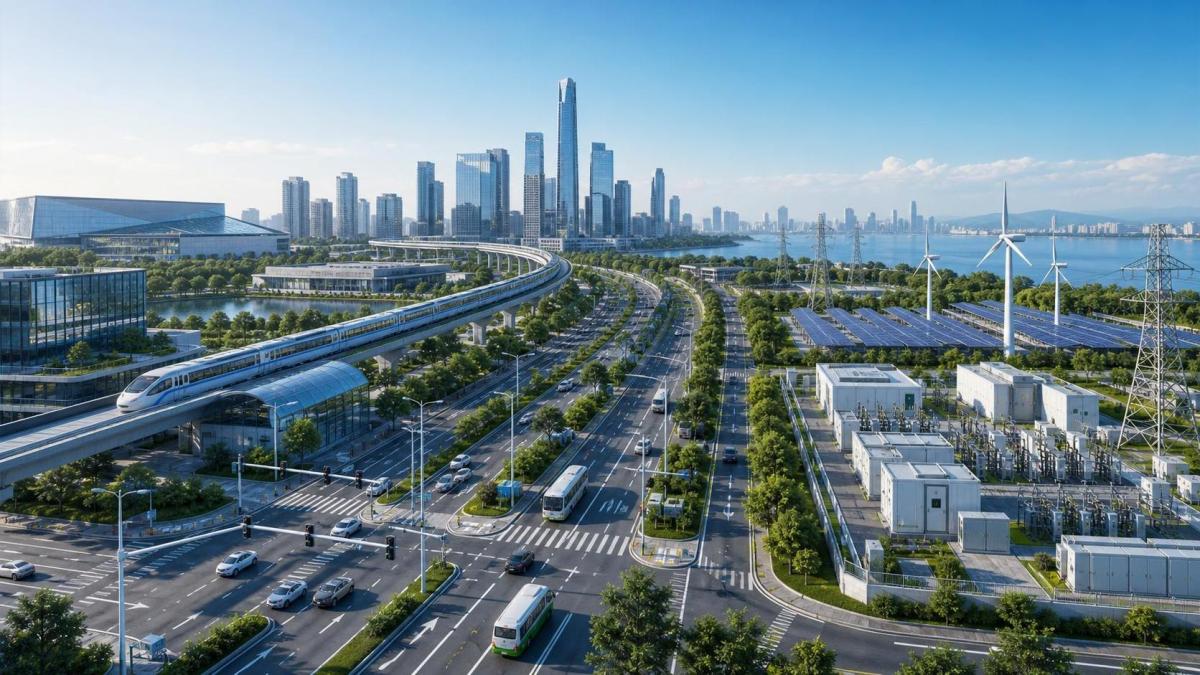
Urban operations are no longer managed through isolated systems. Power, transport, waste, buildings, logistics, and public safety now affect each other in real time.
That is why integrated urban technology solutions matter. They connect physical infrastructure with data, control systems, and decision logic.
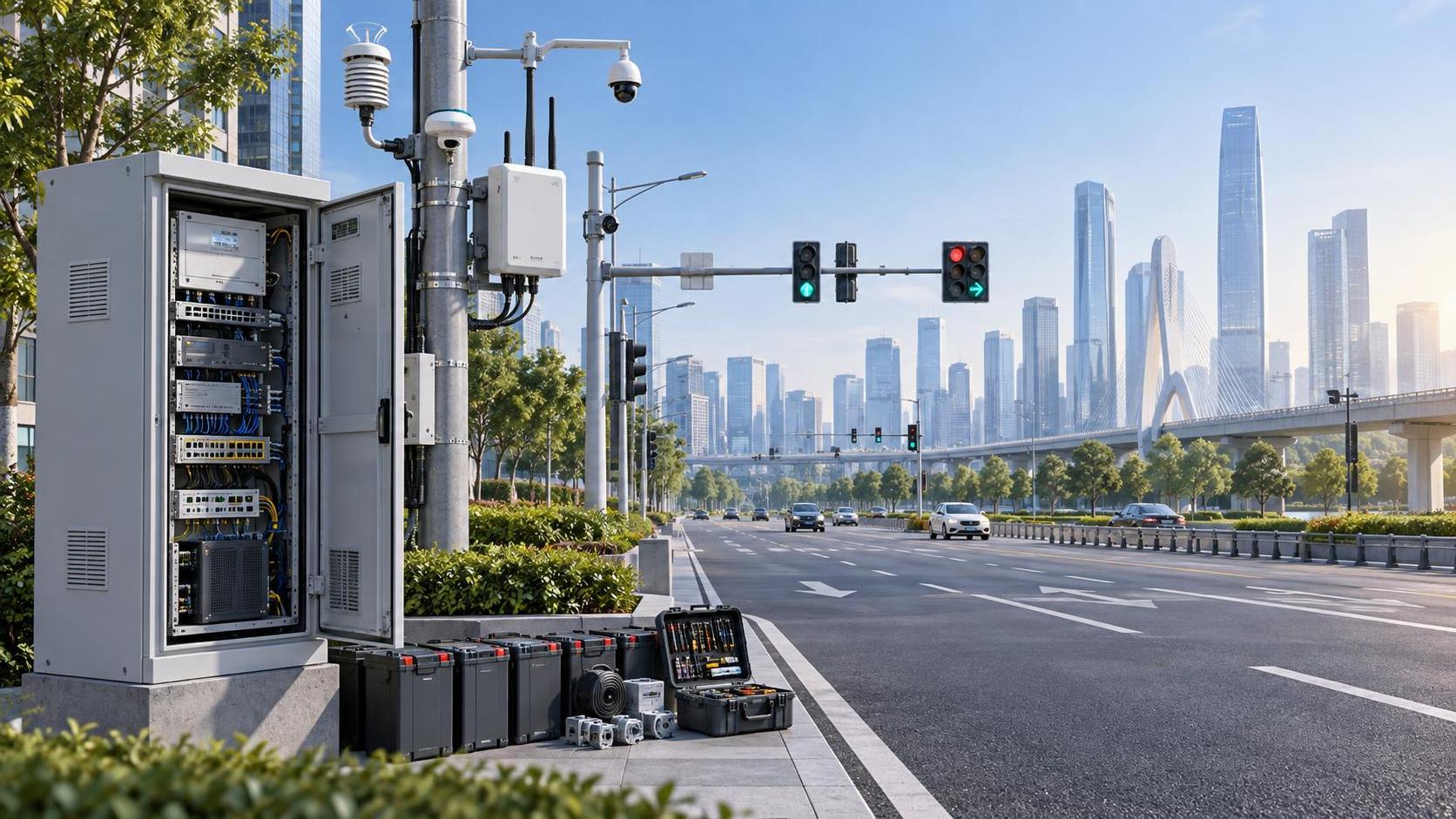
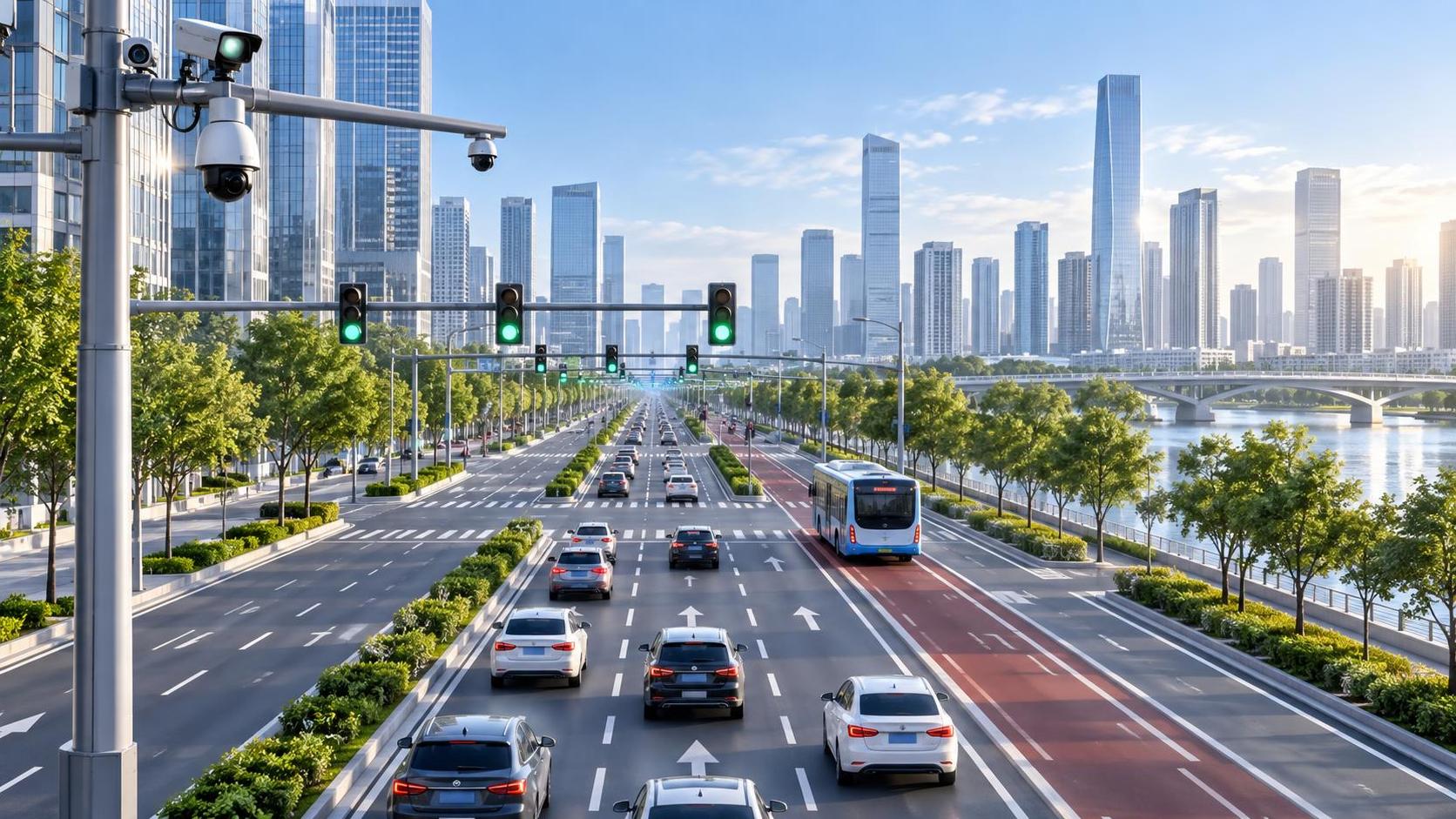
In practical terms, a city can link traffic signals with emergency routes, align smart grids with building demand, and use waste data to improve service planning.
The value is not only automation. The larger benefit is coordinated operations across assets that were previously managed in separate departments.
This is also where GIUT’s perspective becomes useful. Its cross-sector focus connects smart governance with construction, rail systems, heavy equipment, and resource technology.
A bridge, a smart building, a logistics corridor, and a command platform should not be evaluated as disconnected investments. They form one operating environment.
For cities under pressure to improve resilience and sustainability, integrated urban technology solutions provide a clearer path than isolated digital upgrades.
What does an integrated urban technology solution actually include?
Many people hear the phrase and think only of dashboards. In reality, the stack is broader and closer to core infrastructure.
A working model usually combines sensing, communications, analytics, operational software, and field equipment that can respond to changing conditions.
Common components include:
- Traffic control systems tied to congestion data and incident response
- Smart grid monitoring for demand balancing and outage visibility
- Automated waste collection planning based on fill levels and route efficiency
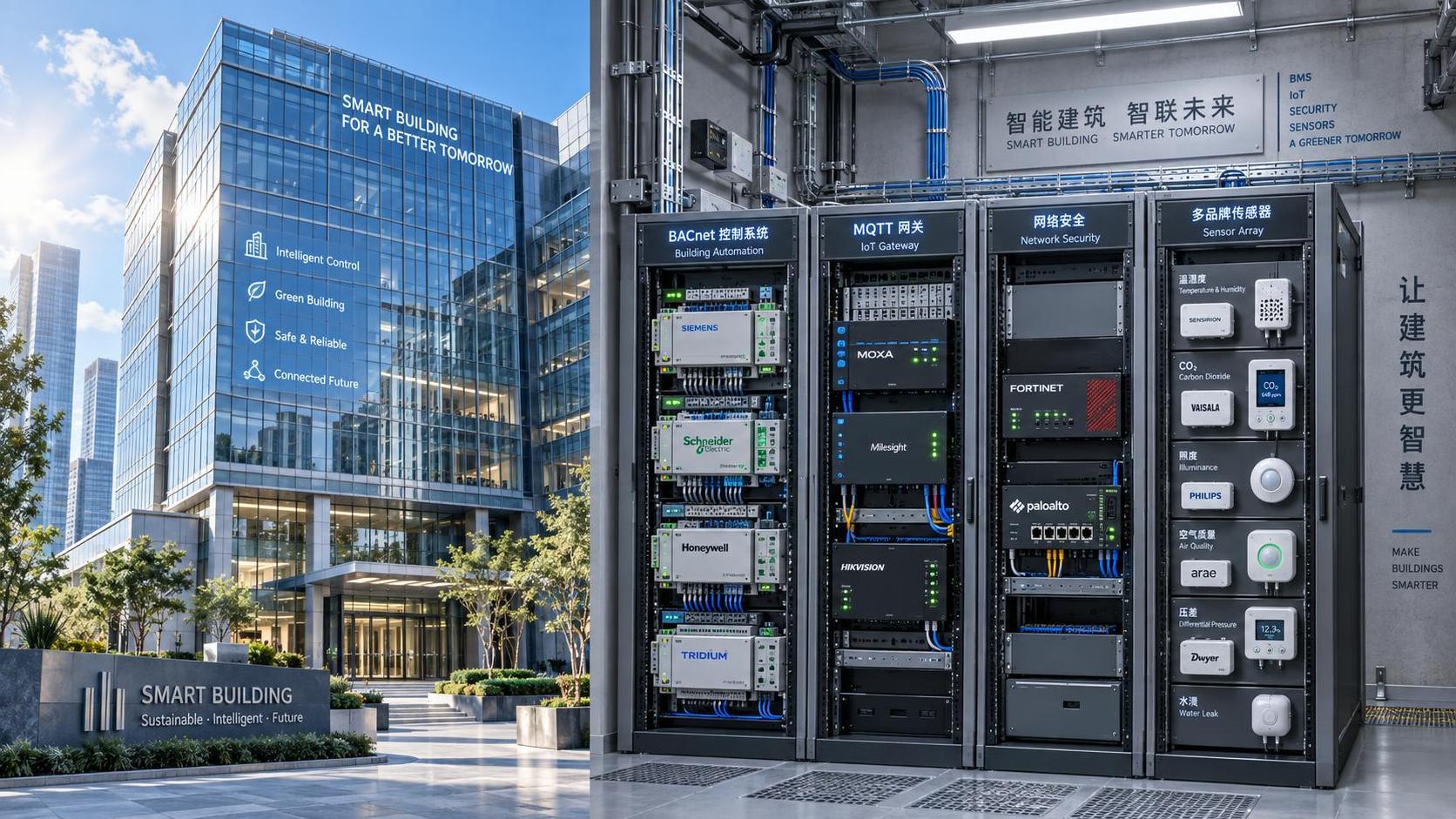
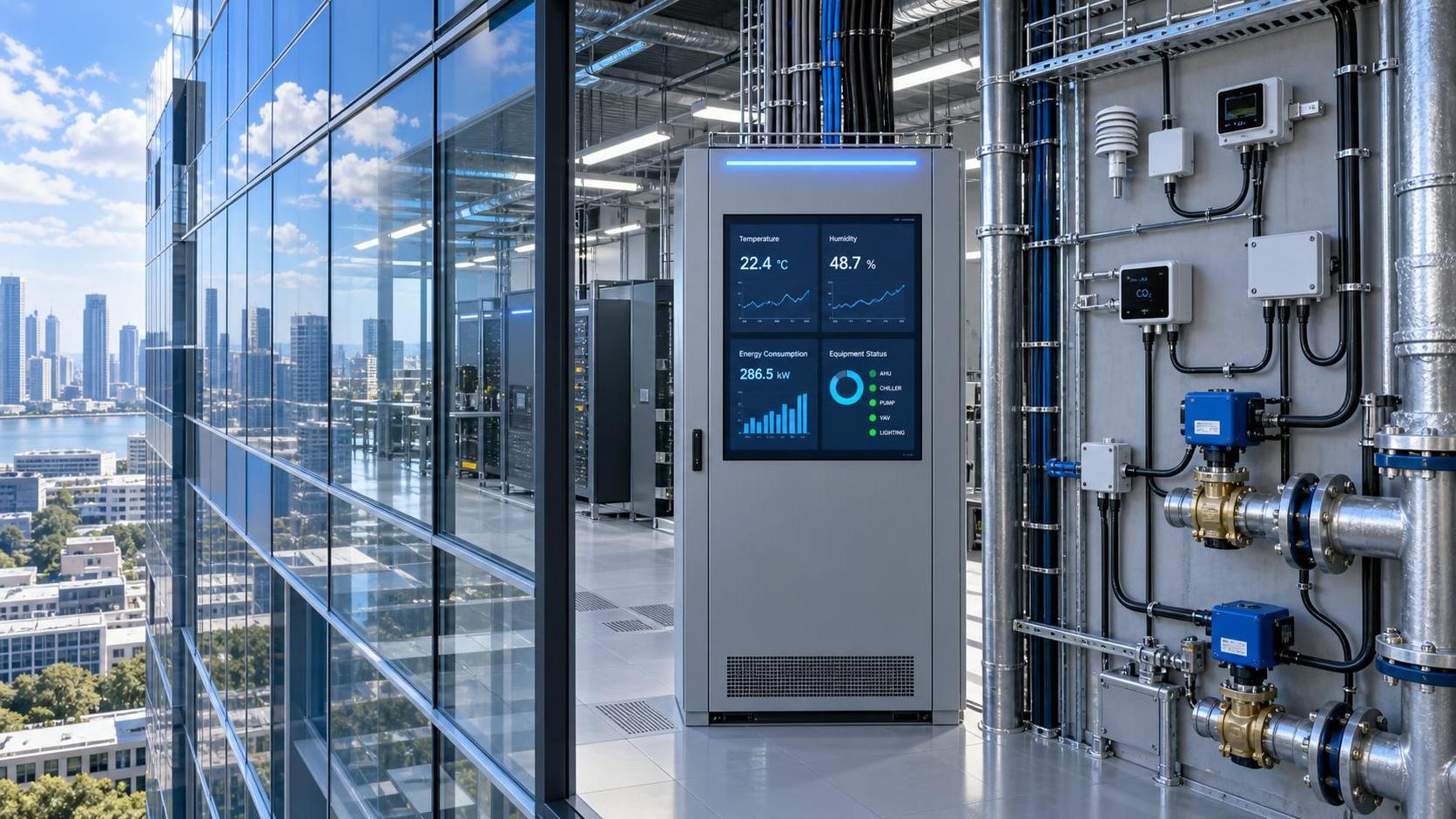
- Building systems connected to occupancy, energy, and maintenance signals
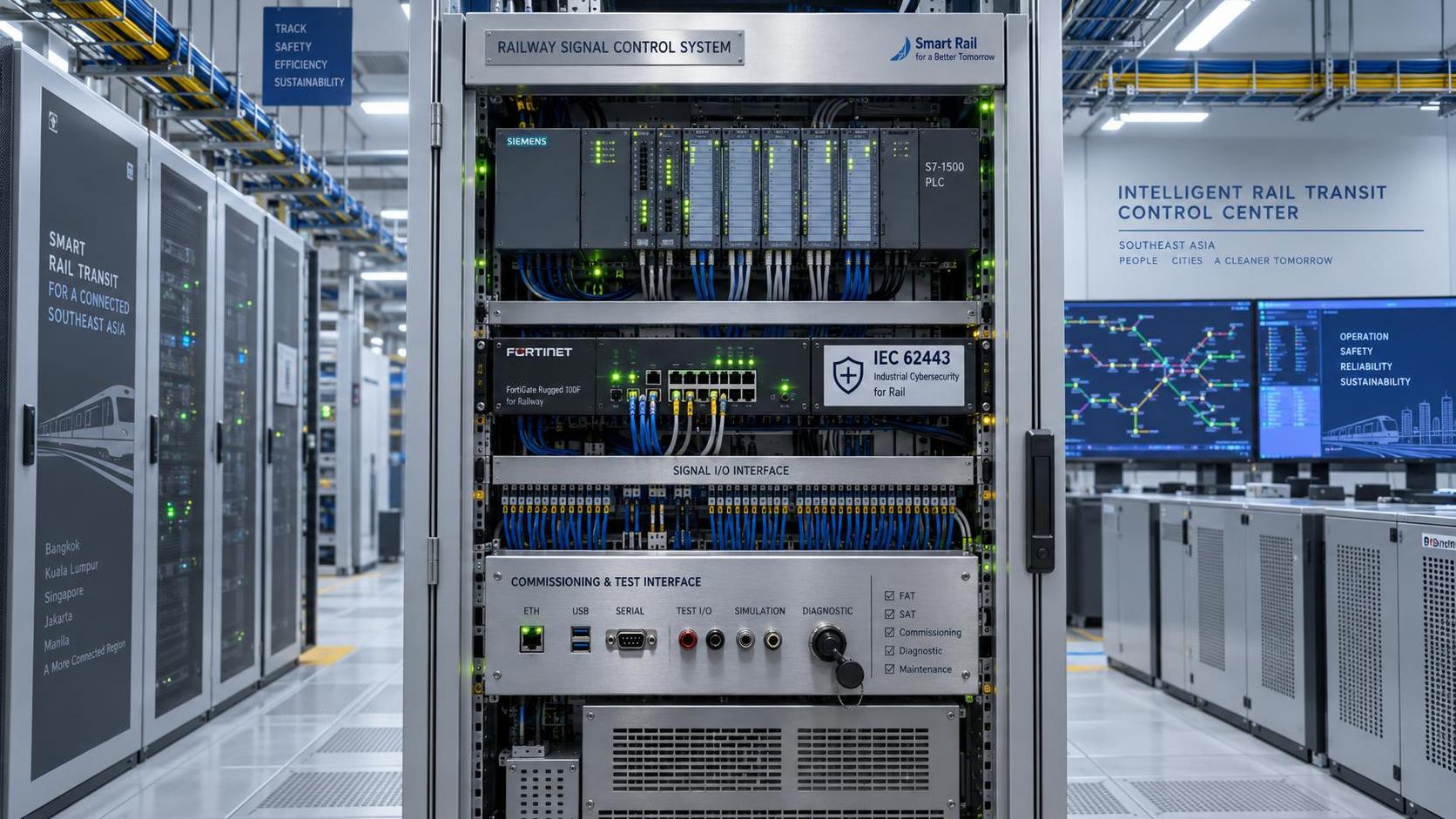
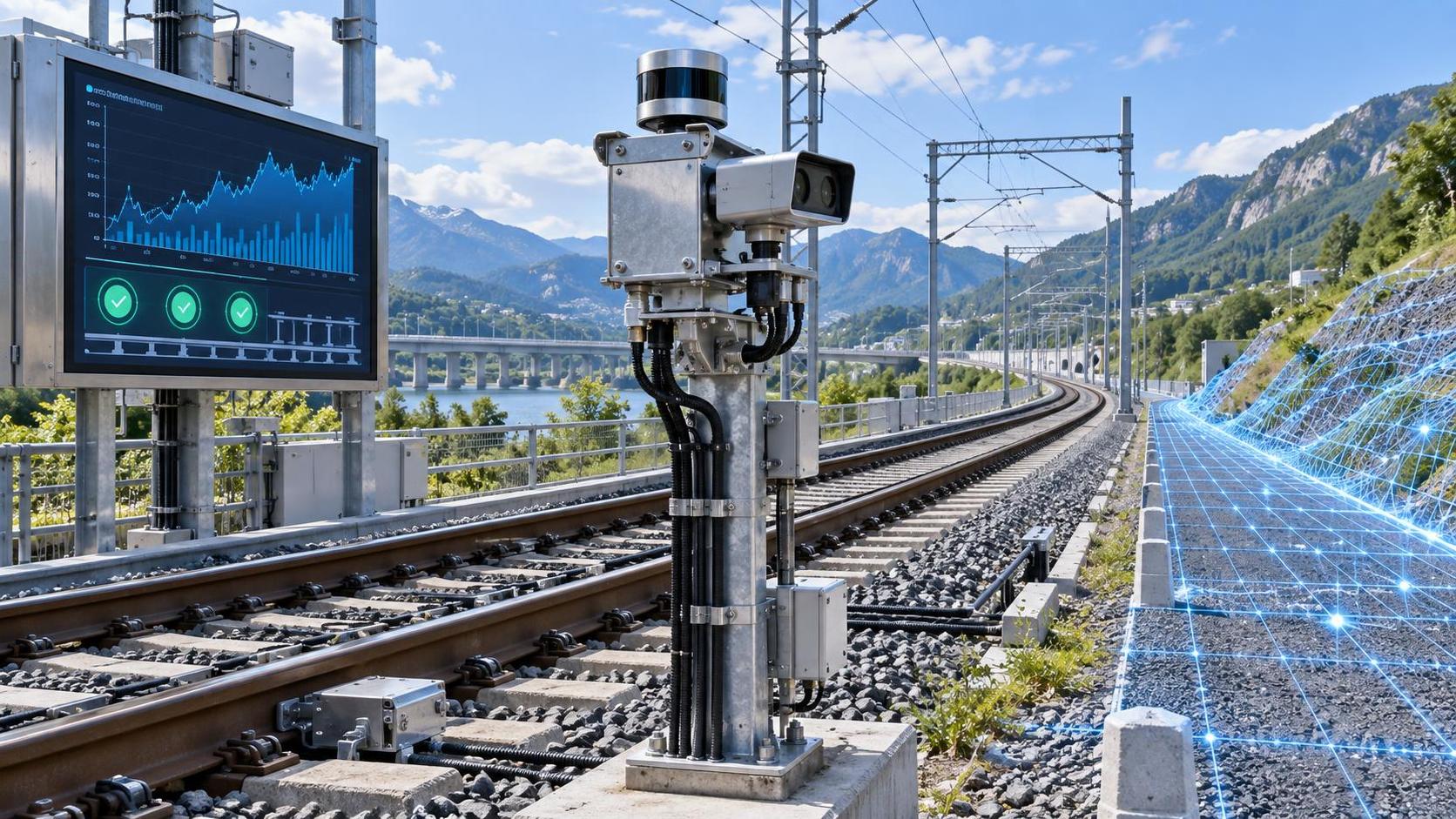
- Railway, logistics, and fleet data feeding broader urban operations models
- Digital twin capabilities for scenario testing and capital planning
The phrase integrated matters because the goal is shared visibility and coordinated action, not a collection of unrelated smart devices.
In GIUT’s framework, this kind of integration reflects the physical world as a connected system. Heavy industry, city governance, and infrastructure performance are closely linked.
That wider lens helps organizations avoid a narrow software-only view. Urban intelligence still depends on engineering realities, asset lifecycles, safety standards, and field execution.
Where do integrated urban technology solutions deliver the clearest operational value?
The strongest returns usually appear where service complexity is high and operational delays have visible public or financial consequences.
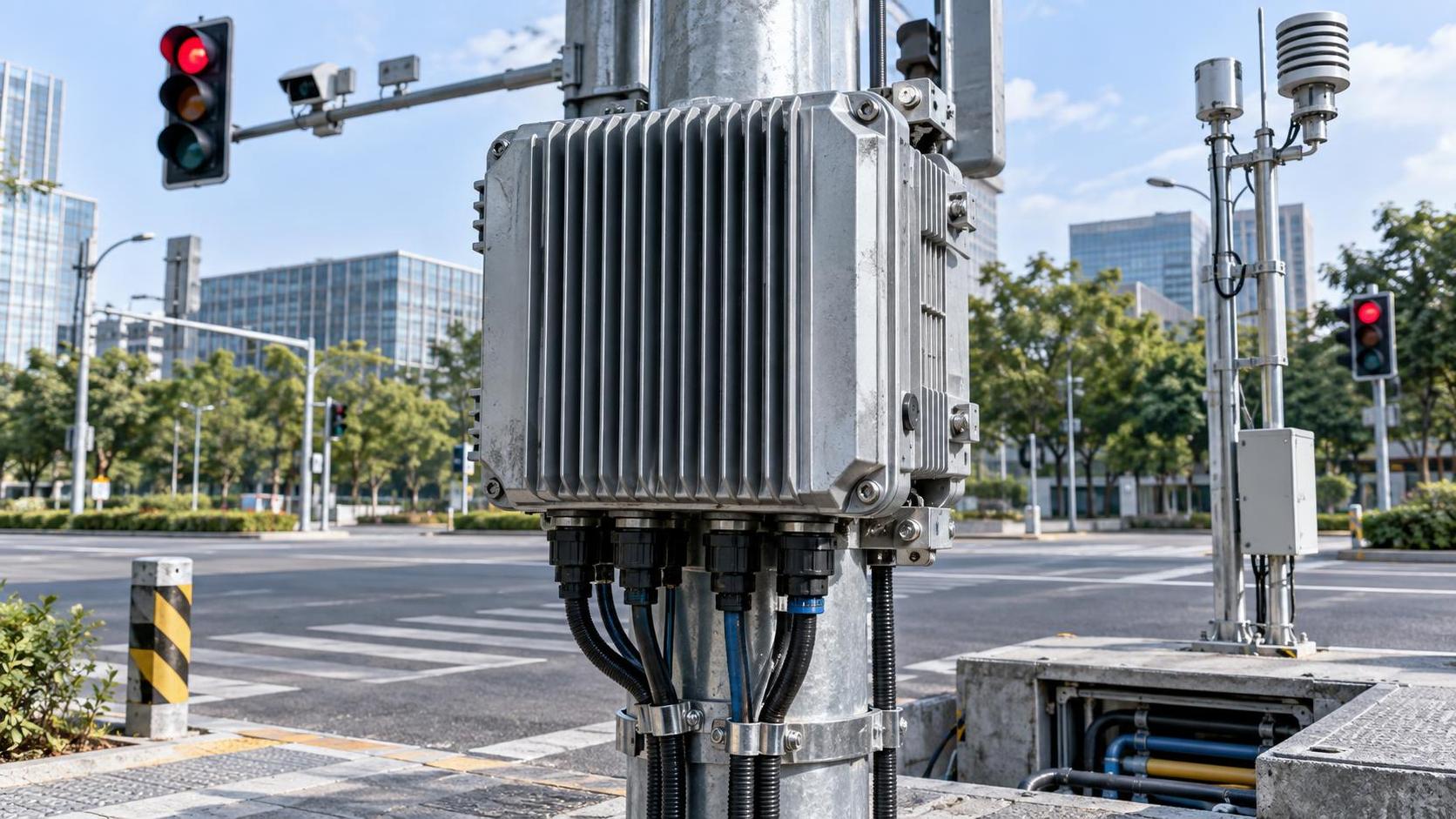
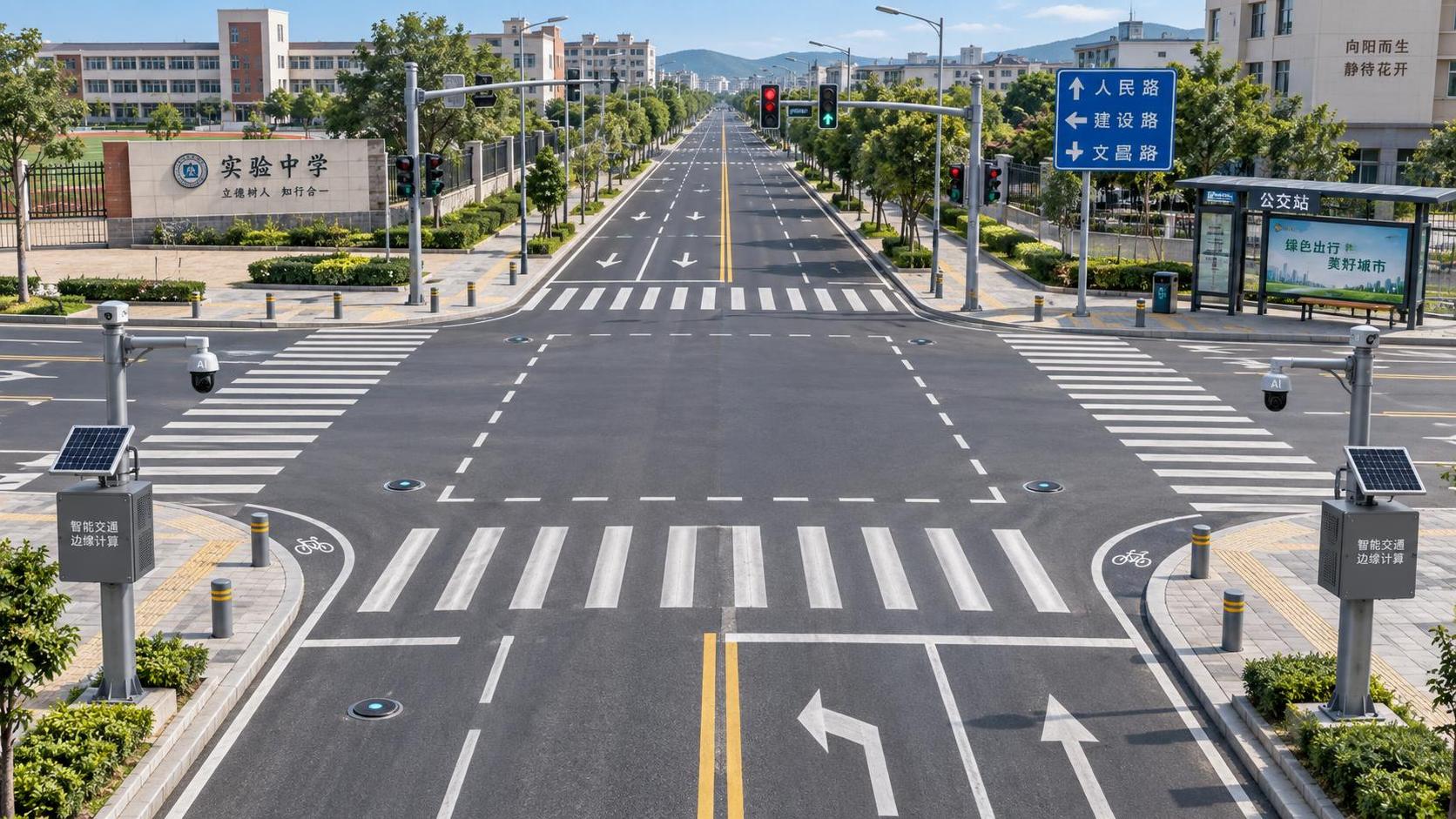
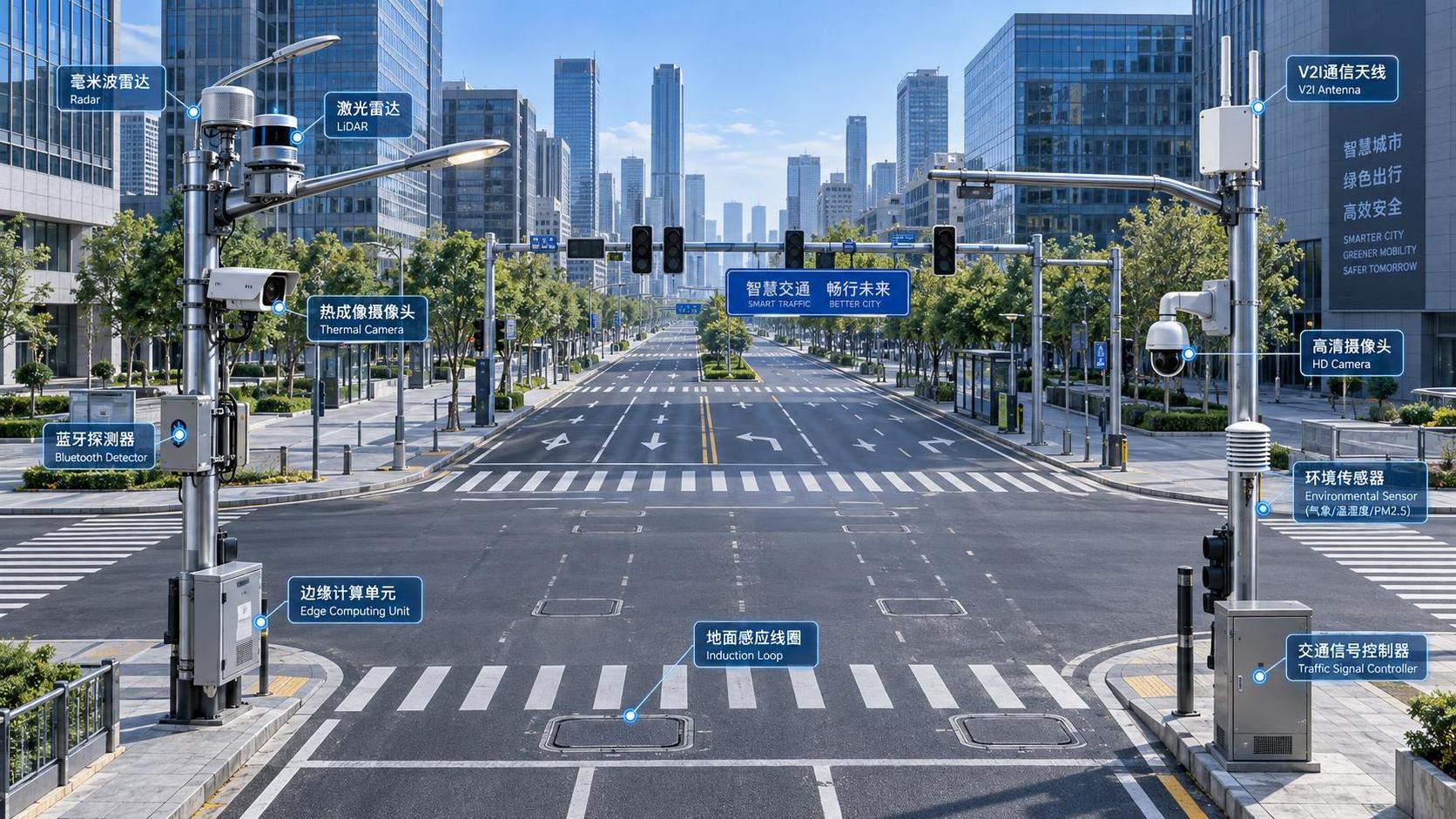
Traffic management is one example. When vehicle flow, road sensors, signal timing, and emergency routing work together, cities reduce congestion and response delays.
Energy networks are another. Integrated urban technology solutions help operators balance peak demand, identify weak points, and support lower-carbon planning.
Waste operations also benefit. Instead of fixed collection schedules, cities can shift to service models based on actual usage patterns and route performance.
The same principle applies to rail corridors, smart buildings, special purpose vehicles, and public works equipment. Better data improves maintenance timing and resource allocation.
A useful way to judge fit is to ask whether the operation has three traits: fragmented data, time-sensitive decisions, and high infrastructure dependence.
If those traits are present, integration usually creates more value than another standalone platform.
This kind of comparison helps separate promising ideas from projects that are digital in appearance but weak in operational impact.
How can you tell whether a solution is truly integrated or just a packaged platform?
This is where many projects drift. A polished interface can hide poor interoperability, limited field data, or weak links to infrastructure workflows.
A more reliable evaluation starts with operational questions, not product claims.
Look for evidence in five areas:
- Can it connect legacy systems without forcing a full replacement cycle?
- Does it support decisions at field level, not only executive reporting?
- Are data models aligned across utilities, buildings, transport, and assets?
- Can it scale from a pilot district to network-level operations?
- Is cybersecurity built into infrastructure control logic and not treated as an afterthought?
In actual implementation, strong integrated urban technology solutions also show discipline in governance. Data ownership, service accountability, and maintenance responsibility should be clear.
GIUT often emphasizes this engineering-first standard. Reliable urban intelligence comes from verified infrastructure knowledge, not abstract digital ambition alone.
That matters even more when projects span construction upgrades, logistics nodes, rail systems, and specialized heavy equipment.
What are the common risks, costs, and timing issues before deployment?
The biggest mistake is assuming integration is mainly a software purchase. Most delays come from asset complexity, organizational silos, and incomplete baseline data.
Cost pressure usually appears in four places: sensor retrofits, communications upgrades, integration middleware, and ongoing operations support.
Timing also varies more than expected. A traffic pilot may move quickly, while a cross-utility program can require phased deployment over several budget cycles.
Another risk involves metrics. If the project starts with vague goals, the result is often a functioning platform without clear operational improvement.
More common warning signs include:
- Pilots designed without a path to network-wide scale
- Vendor dependence created by closed interfaces
- Poor data quality from aging field equipment
- Weak alignment between sustainability targets and operating practices
- Insufficient workforce readiness for mixed digital and physical workflows
A better approach is staged validation. Confirm the asset map, test interoperability, define service KPIs, then expand into broader governance and planning layers.
This is especially relevant for cities trying to move from steel-and-concrete expansion toward a more responsive, lower-carbon operating model.
What should the next step look like if the goal is smarter city operations?
Start with operational friction, not technology categories. Pinpoint where service breakdowns, energy waste, maintenance delays, or planning blind spots are most expensive.
Then build a short decision framework. It should compare integrated urban technology solutions by asset coverage, interoperability, implementation risk, and measurable service outcomes.
It also helps to review the city as one physical system. Construction plans, logistics corridors, smart buildings, transport networks, and special equipment should be assessed together.
That is where GIUT’s digital twin mindset offers practical value. It links frontline engineering knowledge with long-range governance and sustainability planning.
Integrated urban technology solutions work best when they are tied to real infrastructure logic, verified data, and phased implementation discipline.
If the next review focuses on use cases, interface standards, lifecycle cost, and accountability across departments, the evaluation becomes much clearer.
Smarter city operations are rarely created by one platform alone. They emerge when technology, infrastructure, and governance are designed to operate as one system.
Get weekly intelligence in your inbox.
No noise. No sponsored content. Pure intelligence.
News Recommendations
 Sep 19, 2026How an electronics application guide helps prevent component mismatchHow an electronics application guide helps prevent component mismatch
 Sep 18, 2026When a resource allocation platform improves project deliveryWhen a resource allocation platform improves project delivery
 Sep 17, 2026What to compare when evaluating mineral processing equipment manufacturersWhat to compare when evaluating mineral processing equipment manufacturers
 Sep 16, 2026How mineral separation optimization can reduce concentrate lossesHow mineral separation optimization can reduce concentrate losses
 Sep 15, 2026How to assess lifecycle costs in urban tech procurementHow to assess lifecycle costs in urban tech procurement
 Sep 14, 2026Heavy industry technology trends reshaping capital investment prioritiesHeavy industry technology trends reshaping capital investment priorities
 Sep 14, 2026Global Industrial Equipment Procurement: How Top OEMs Qualify Suppliers for Mining & Infrastructure ProjectsGlobal Industrial Equipment Procurement: How Top OEMs Qualify Suppliers for Mining & Infrastructure Projects
 Sep 14, 2026Industrial & Mining Equipment Procurement: Balancing Local Sourcing, Lead Time, and Certification RequirementsIndustrial & Mining Equipment Procurement: Balancing Local Sourcing, Lead Time, and Certification Requirements
 Sep 14, 2026Infrastructure & Equipment Upgrades: What Procurement Teams Must Verify Before Signing Off on New ContractsInfrastructure & Equipment Upgrades: What Procurement Teams Must Verify Before Signing Off on New Contracts
 Sep 14, 2026Why Infrastructure Equipment Buyers Are Shifting from Catalog-Based to Capability-Based Supplier SelectionWhy Infrastructure Equipment Buyers Are Shifting from Catalog-Based to Capability-Based Supplier Selection
 Sep 14, 2026Process Automation Project Execution: How to Align Supplier Capabilities with PLC Integration, Cybersecurity & Commissioning MilestonesProcess Automation Project Execution: How to Align Supplier Capabilities with PLC Integration, Cybersecurity & Commissioning Milestones
 Sep 14, 2026Are intelligent traffic systems worth the investment for small cities?Are intelligent traffic systems worth the investment for small cities?
 Sep 14, 2026How do intelligent traffic systems handle sensor failures?How do intelligent traffic systems handle sensor failures?
 Sep 14, 2026What should I check before accepting a smart building system?What should I check before accepting a smart building system?
 Sep 14, 2026Is a smart building system worth the maintenance cost?Is a smart building system worth the maintenance cost?
 Sep 14, 2026What data is needed for reliable resource allocation planning?What data is needed for reliable resource allocation planning?
 Sep 14, 2026How can resource allocation software reduce equipment idle time?How can resource allocation software reduce equipment idle time?
 Sep 14, 2026How should smart devices be maintained in harsh outdoor conditions?How should smart devices be maintained in harsh outdoor conditions?
 Sep 14, 2026Do smart devices improve worker safety on construction sites?Do smart devices improve worker safety on construction sites?
 Sep 14, 2026What environmental risks must be assessed before deep-sea mining?What environmental risks must be assessed before deep-sea mining?
 Sep 14, 2026Is deep-sea mining equipment commercially viable in 2026?Is deep-sea mining equipment commercially viable in 2026?
 Sep 14, 2026What Inspection Checks Should Procurement Teams Perform Before Ordering Dredging Equipment in 2026?What Inspection Checks Should Procurement Teams Perform Before Ordering Dredging Equipment in 2026?
 Sep 13, 2026How to verify an industrial product information source before specifying equipmentHow to verify an industrial product information source before specifying equipment
 Sep 12, 2026Which intelligent traffic systems hardware fits an urban intersection?Which intelligent traffic systems hardware fits an urban intersection?
 Sep 11, 2026How pump capacity affects response coverage for municipal fire fighting vehiclesHow pump capacity affects response coverage for municipal fire fighting vehicles
 Sep 10, 2026What to verify before choosing a heavy industry equipment supplierWhat to verify before choosing a heavy industry equipment supplier
 Sep 09, 2026When do adaptive urban traffic control systems reduce corridor delays?When do adaptive urban traffic control systems reduce corridor delays?