Digital Twin Solutions for Smarter Site Decisions
For project teams facing tighter budgets, compressed schedules, and rising sustainability demands, digital twin solutions are becoming essential decision-making tools.
By connecting real-time site data, engineering models, equipment performance, and urban infrastructure insights, they help teams anticipate risks before disruption.
In construction, transport, mining, and smart city projects, digital twin solutions turn scattered information into practical intelligence for safer and smarter site decisions.
What Are Digital Twin Solutions in Infrastructure and Urban Operations?

Digital twin solutions are dynamic virtual representations of physical assets, sites, systems, or processes.
They combine design models, sensor streams, schedules, equipment data, environmental conditions, and operational records.
Unlike static BIM or dashboard tools, digital twin solutions keep updating as field conditions change.
This continuous feedback helps teams compare what was planned, what is happening, and what may happen next.
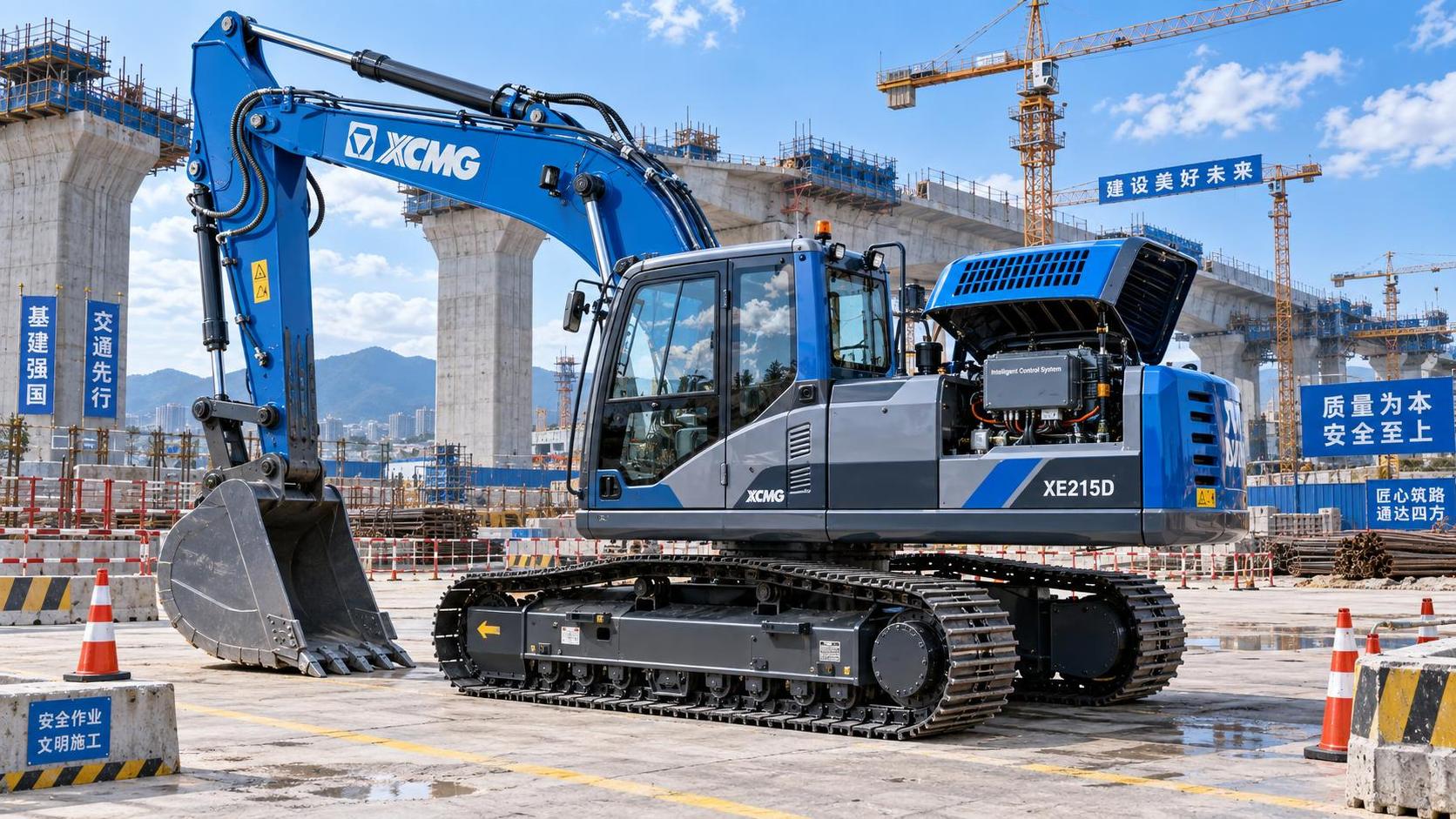
For a bridge project, the twin may track concrete curing, crane location, weather risk, and structural progress.
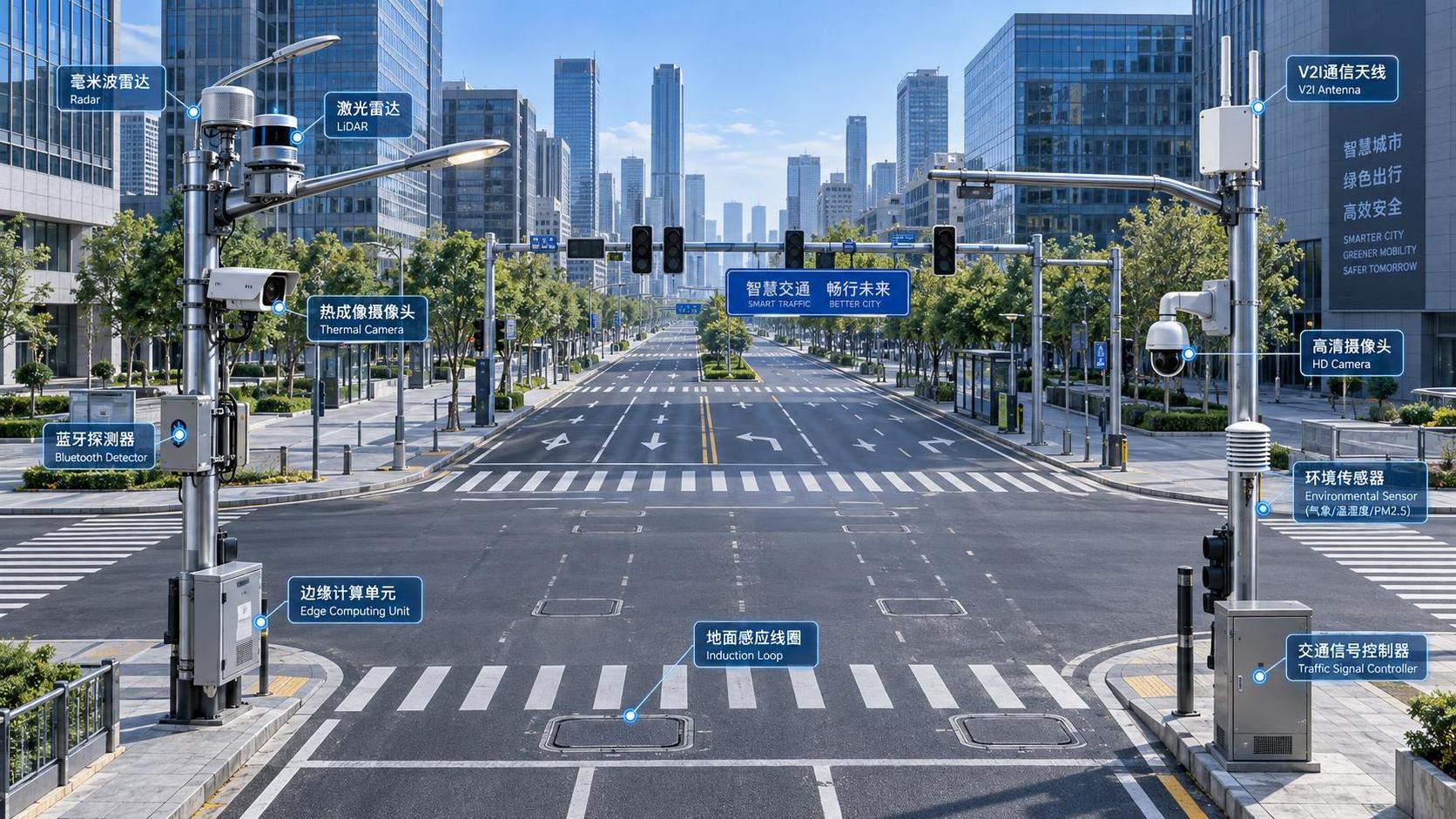
For a smart city district, it may simulate traffic flow, grid load, public safety, and maintenance demand.
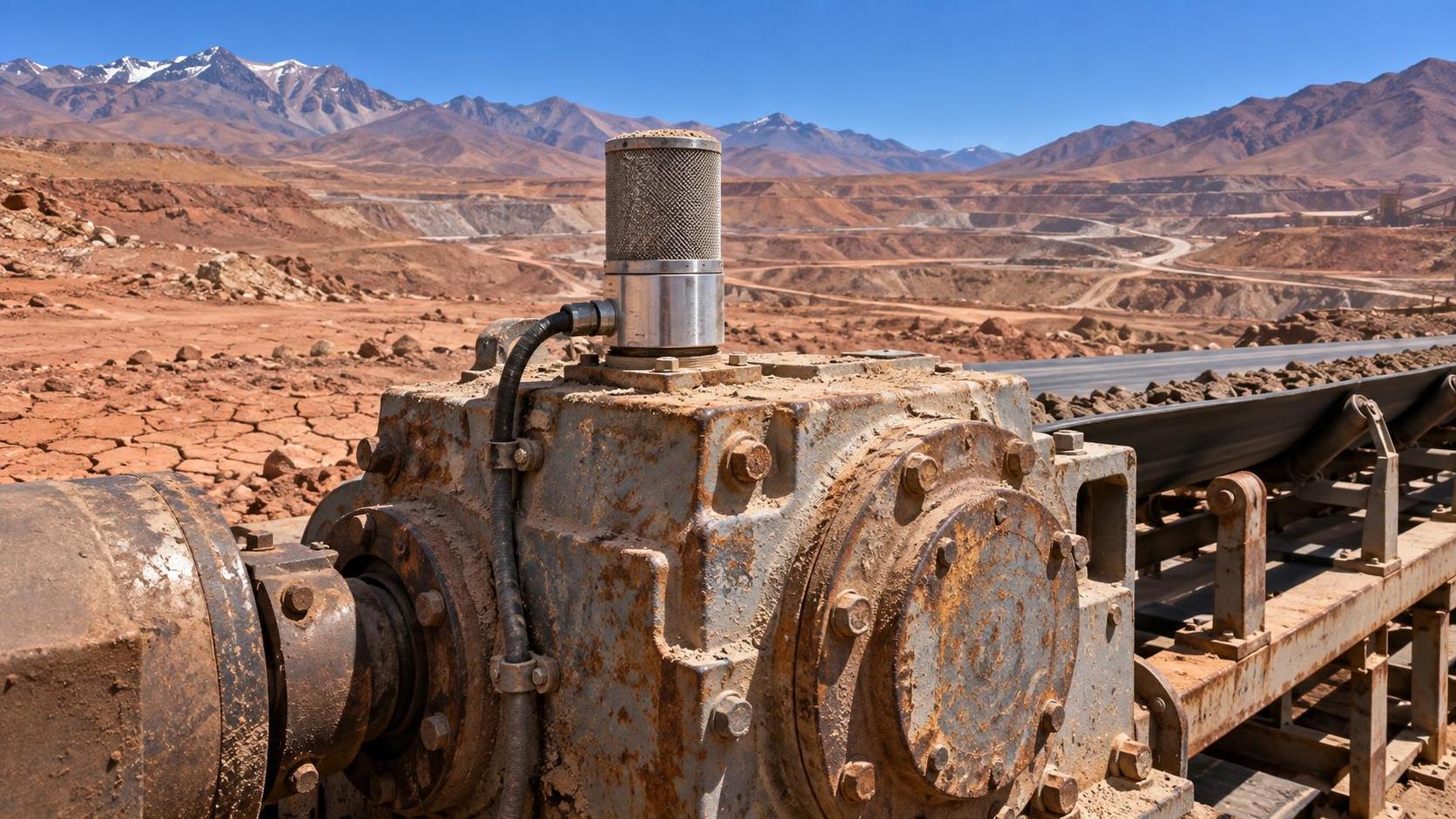
For mining operations, digital twin solutions can map equipment health, ventilation, slope stability, and haulage efficiency.
The value is not only visualization. The real value is better judgment under changing conditions.
Why Do Digital Twin Solutions Improve Site Decisions?
Complex sites rarely fail because of one isolated issue.
Delays usually emerge from linked problems involving access, labor, materials, equipment, permits, weather, and safety constraints.
Digital twin solutions expose these relationships earlier than traditional reporting methods.
A site dashboard may show a delayed delivery. A twin can show downstream schedule, crane, and traffic impacts.
This changes decision-making from reactive correction to proactive scenario planning.
- Risk visibility improves because field signals are connected.
- Resource allocation becomes more accurate across crews and machines.
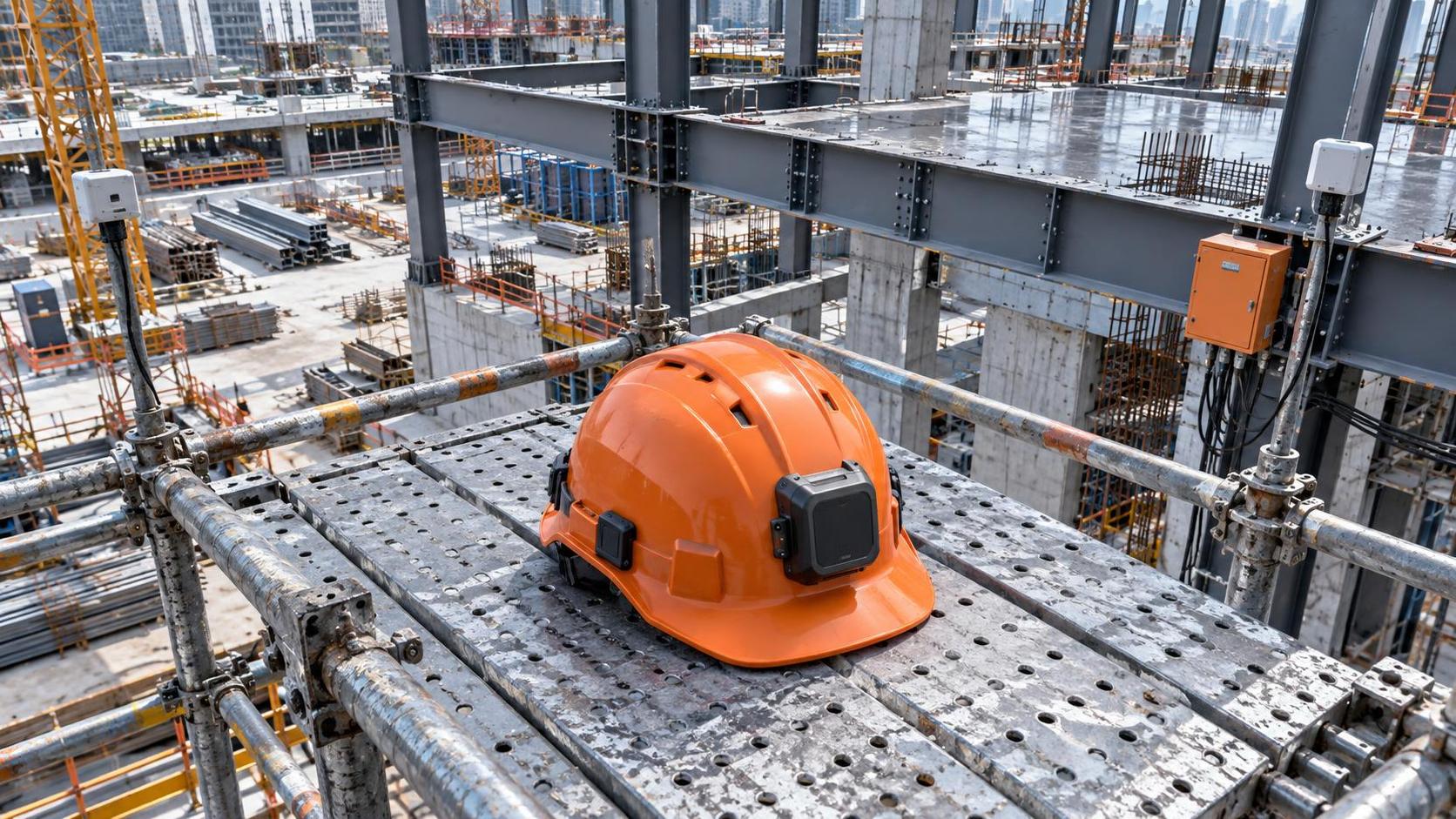
- Safety planning improves through real-time hazard awareness.
- Carbon and energy decisions become measurable, not abstract.
- Asset handover becomes easier because records remain structured.
High-quality digital twin solutions also support “what-if” analysis.
A team can test alternative sequencing before moving people, equipment, or materials.
That capability is especially useful when infrastructure assets interact with public roads, utilities, railways, or occupied buildings.
Where Are Digital Twin Solutions Most Useful?
Digital twin solutions deliver the strongest value where assets are costly, connected, and difficult to pause.
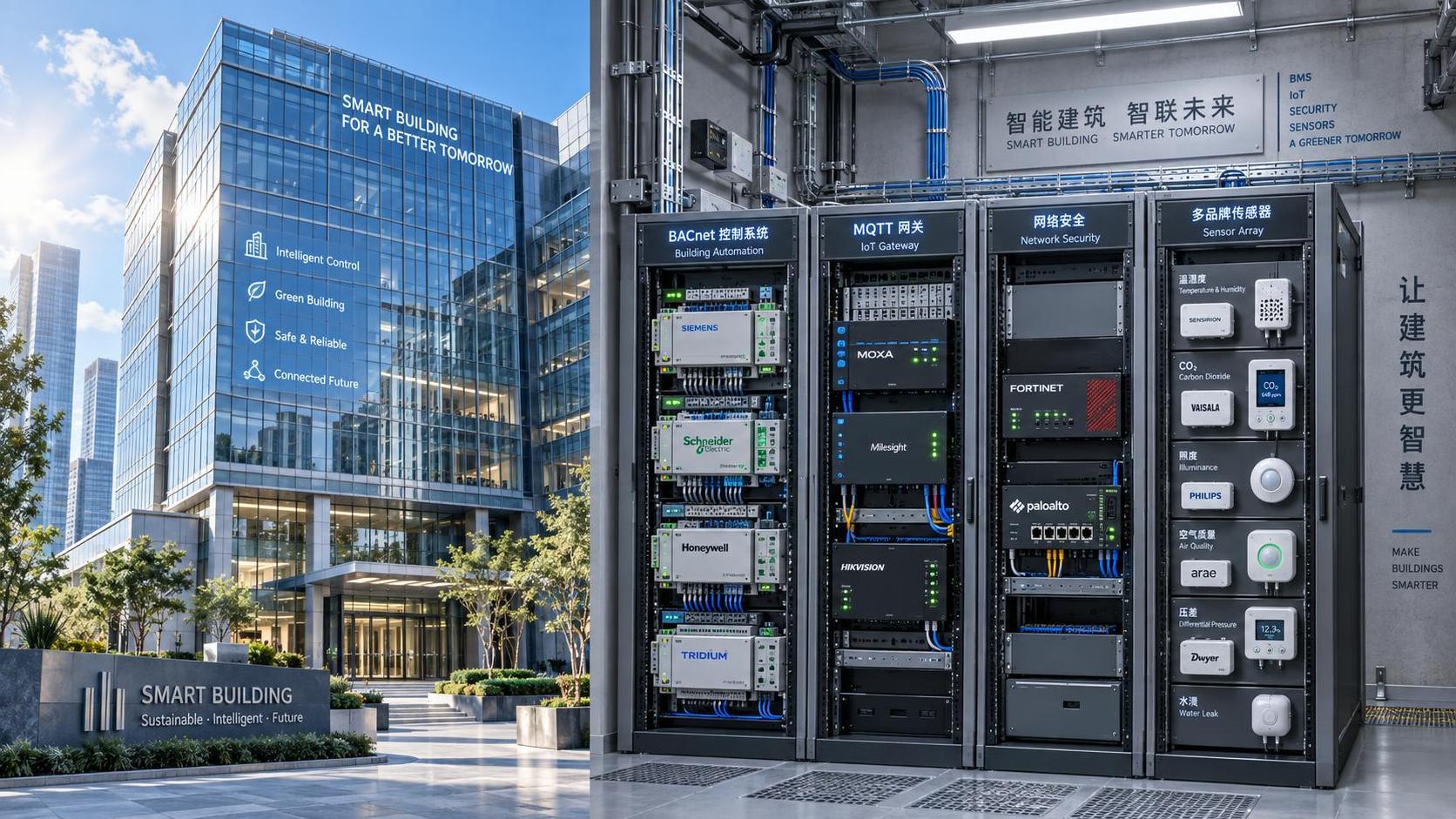
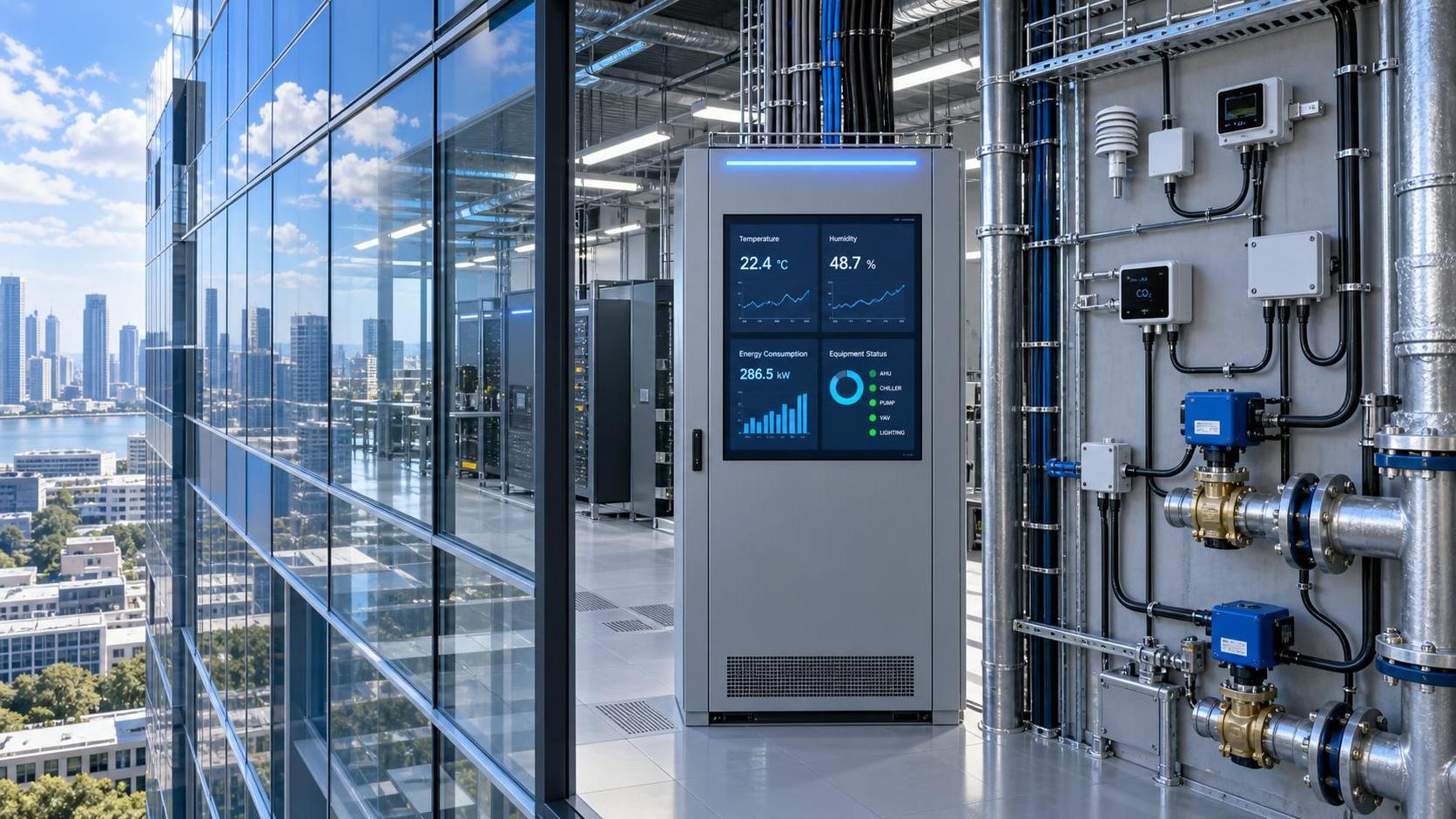
In smart building projects, they support prefabrication planning, MEP coordination, energy tuning, and predictive maintenance.
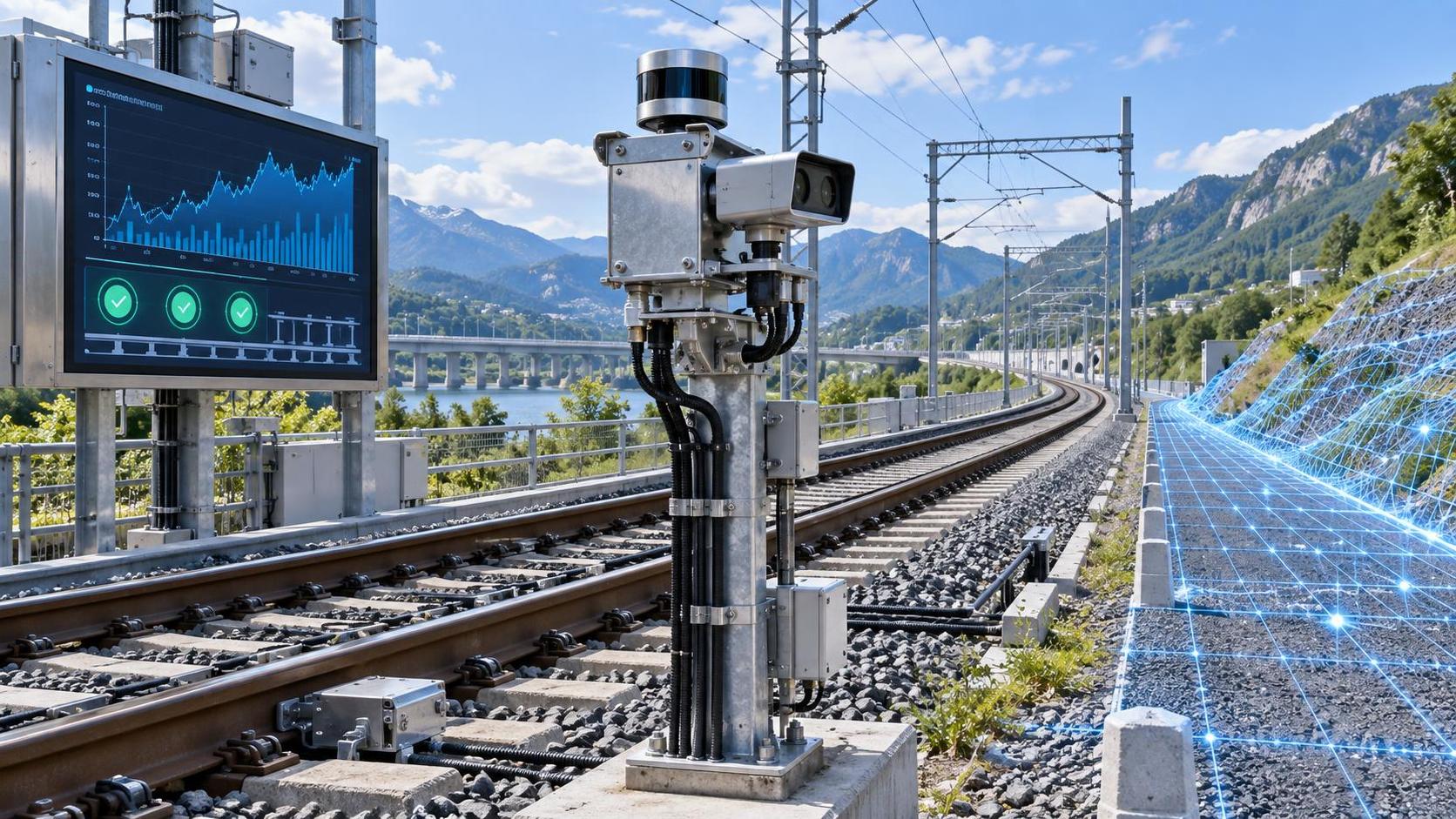
On rail corridors, they help track signaling, track condition, station congestion, and maintenance windows.
In logistics hubs, digital twin solutions can balance gate traffic, yard capacity, charging infrastructure, and vehicle flow.
For mining, they can integrate geology, extraction rates, equipment utilization, safety zones, and environmental controls.
For municipal systems, twins can connect water networks, waste collection, traffic signals, and emergency response planning.
Common Application Scenarios
- Construction sequencing for complex civil works.
- Smart jobsite monitoring with IoT and computer vision.
- Heavy equipment fleet health and utilization tracking.
- Urban traffic and public transport simulation.
- Energy performance optimization for buildings and districts.
- Emergency planning for tunnels, ports, airports, and stations.
The broader the operational dependency, the stronger the case for digital twin solutions.
They help turn infrastructure from isolated assets into coordinated, intelligent systems.
How Should Digital Twin Solutions Be Selected?
The best digital twin solutions are not always the most visually impressive.
Selection should begin with decisions that need improvement, not with software features.
A reliable approach starts by identifying decision points, data sources, response times, and accountability.
For example, a tunnel project may prioritize ventilation safety, excavation progress, and settlement monitoring.
A smart district may prioritize energy demand, mobility, waste routing, and public service resilience.
Practical Selection Criteria
Digital twin solutions should also support open data practices where possible.
Infrastructure assets often outlive platforms, vendors, and project teams.
Interoperability protects long-term value and reduces future migration costs.
What Mistakes Reduce the Value of Digital Twin Solutions?
One common mistake is building a beautiful model without a clear operational purpose.
A 3D environment alone does not improve cost, safety, or schedule performance.
Digital twin solutions need live data, governance, workflows, and measurable use cases.
Another mistake is collecting excessive data without quality control.
Inaccurate sensor readings, outdated BIM objects, or inconsistent location data can mislead decisions.
Cybersecurity is another serious concern.
When digital twin solutions connect critical infrastructure, access control and data protection become operational safety issues.
Key Risk Reminders
- Do not treat the twin as a one-time visualization deliverable.
- Do not automate decisions before validating model accuracy.
- Do not ignore data ownership during multi-party projects.
- Do not overload users with alerts that lack priority.
- Do not separate digital strategy from field execution.
Digital twin solutions perform best when governance is as strong as technology.
That includes data standards, review cycles, model validation, and clear decision rights.
What Costs, Timelines, and Implementation Steps Should Be Expected?
Implementation cost depends on asset complexity, data readiness, integration depth, and analytics ambition.
A focused pilot can begin with limited assets, selected sensors, and one high-value decision problem.
A city-scale program requires stronger architecture, governance, cybersecurity, and long-term maintenance planning.
Many digital twin solutions fail when pilots are disconnected from enterprise strategy.
A phased roadmap is usually safer than a broad, unfocused deployment.
- Define the decisions, metrics, and operational outcomes.
- Audit available data from design, field, equipment, and operations.
- Build a minimum viable twin for one critical use case.
- Validate model outputs against real site performance.
- Integrate workflows, alerts, and escalation rules.
- Scale across assets after benefits are proven.
Digital twin solutions should also include lifecycle thinking from the start.
The strongest programs connect design, construction, commissioning, operation, maintenance, and renewal planning.
FAQ: Digital Twin Solutions for Smarter Site Decisions
How Can Organizations Move from Interest to Action?
The practical next step is not to buy a platform immediately.
The first step is to define where better information would change site outcomes.
GIUT views digital twin solutions as a bridge between physical infrastructure and intelligent governance.
They support stronger construction control, smarter mobility, safer mining, resilient utilities, and lower-carbon operations.
Start with a decision map, a data audit, and a focused pilot tied to measurable value.
Then scale digital twin solutions through standards, governance, cybersecurity, and lifecycle asset management.
When implemented with discipline, digital twin solutions help infrastructure evolve from steel and concrete into living smart systems.
That is where smarter site decisions become more than efficiency gains.
They become the foundation for safer, greener, and more resilient development.
Get weekly intelligence in your inbox.
No noise. No sponsored content. Pure intelligence.
News Recommendations
 Sep 19, 2026How an electronics application guide helps prevent component mismatchHow an electronics application guide helps prevent component mismatch
 Sep 18, 2026When a resource allocation platform improves project deliveryWhen a resource allocation platform improves project delivery
 Sep 17, 2026What to compare when evaluating mineral processing equipment manufacturersWhat to compare when evaluating mineral processing equipment manufacturers
 Sep 16, 2026How mineral separation optimization can reduce concentrate lossesHow mineral separation optimization can reduce concentrate losses
 Sep 15, 2026How to assess lifecycle costs in urban tech procurementHow to assess lifecycle costs in urban tech procurement
 Sep 14, 2026Heavy industry technology trends reshaping capital investment prioritiesHeavy industry technology trends reshaping capital investment priorities
 Sep 14, 2026Global Industrial Equipment Procurement: How Top OEMs Qualify Suppliers for Mining & Infrastructure ProjectsGlobal Industrial Equipment Procurement: How Top OEMs Qualify Suppliers for Mining & Infrastructure Projects
 Sep 14, 2026Industrial & Mining Equipment Procurement: Balancing Local Sourcing, Lead Time, and Certification RequirementsIndustrial & Mining Equipment Procurement: Balancing Local Sourcing, Lead Time, and Certification Requirements
 Sep 14, 2026Infrastructure & Equipment Upgrades: What Procurement Teams Must Verify Before Signing Off on New ContractsInfrastructure & Equipment Upgrades: What Procurement Teams Must Verify Before Signing Off on New Contracts
 Sep 14, 2026Why Infrastructure Equipment Buyers Are Shifting from Catalog-Based to Capability-Based Supplier SelectionWhy Infrastructure Equipment Buyers Are Shifting from Catalog-Based to Capability-Based Supplier Selection
 Sep 14, 2026Process Automation Project Execution: How to Align Supplier Capabilities with PLC Integration, Cybersecurity & Commissioning MilestonesProcess Automation Project Execution: How to Align Supplier Capabilities with PLC Integration, Cybersecurity & Commissioning Milestones
 Sep 14, 2026Are intelligent traffic systems worth the investment for small cities?Are intelligent traffic systems worth the investment for small cities?
 Sep 14, 2026How do intelligent traffic systems handle sensor failures?How do intelligent traffic systems handle sensor failures?
 Sep 14, 2026What should I check before accepting a smart building system?What should I check before accepting a smart building system?
 Sep 14, 2026Is a smart building system worth the maintenance cost?Is a smart building system worth the maintenance cost?
 Sep 14, 2026What data is needed for reliable resource allocation planning?What data is needed for reliable resource allocation planning?
 Sep 14, 2026How can resource allocation software reduce equipment idle time?How can resource allocation software reduce equipment idle time?
 Sep 14, 2026How should smart devices be maintained in harsh outdoor conditions?How should smart devices be maintained in harsh outdoor conditions?
 Sep 14, 2026Do smart devices improve worker safety on construction sites?Do smart devices improve worker safety on construction sites?
 Sep 14, 2026What environmental risks must be assessed before deep-sea mining?What environmental risks must be assessed before deep-sea mining?
 Sep 14, 2026Is deep-sea mining equipment commercially viable in 2026?Is deep-sea mining equipment commercially viable in 2026?
 Sep 14, 2026What Inspection Checks Should Procurement Teams Perform Before Ordering Dredging Equipment in 2026?What Inspection Checks Should Procurement Teams Perform Before Ordering Dredging Equipment in 2026?
 Sep 13, 2026How to verify an industrial product information source before specifying equipmentHow to verify an industrial product information source before specifying equipment
 Sep 12, 2026Which intelligent traffic systems hardware fits an urban intersection?Which intelligent traffic systems hardware fits an urban intersection?
 Sep 11, 2026How pump capacity affects response coverage for municipal fire fighting vehiclesHow pump capacity affects response coverage for municipal fire fighting vehicles
 Sep 10, 2026What to verify before choosing a heavy industry equipment supplierWhat to verify before choosing a heavy industry equipment supplier
 Sep 09, 2026When do adaptive urban traffic control systems reduce corridor delays?When do adaptive urban traffic control systems reduce corridor delays?