Railway Signaling Systems: Key Failure Risks and Fixes
Railway signaling systems are the hidden control layer that keeps trains separated, routes aligned, and traffic moving on time. When a single relay, balise, axle counter, interlocking input, or communication link fails, the result can spread far beyond one track section. Delays, unsafe movement authorities, emergency speed restrictions, and expensive maintenance windows often follow. A disciplined checklist helps reduce these risks by turning complex signaling assets into clear inspection, testing, and response actions.
Why railway signaling systems need a checklist-based risk approach
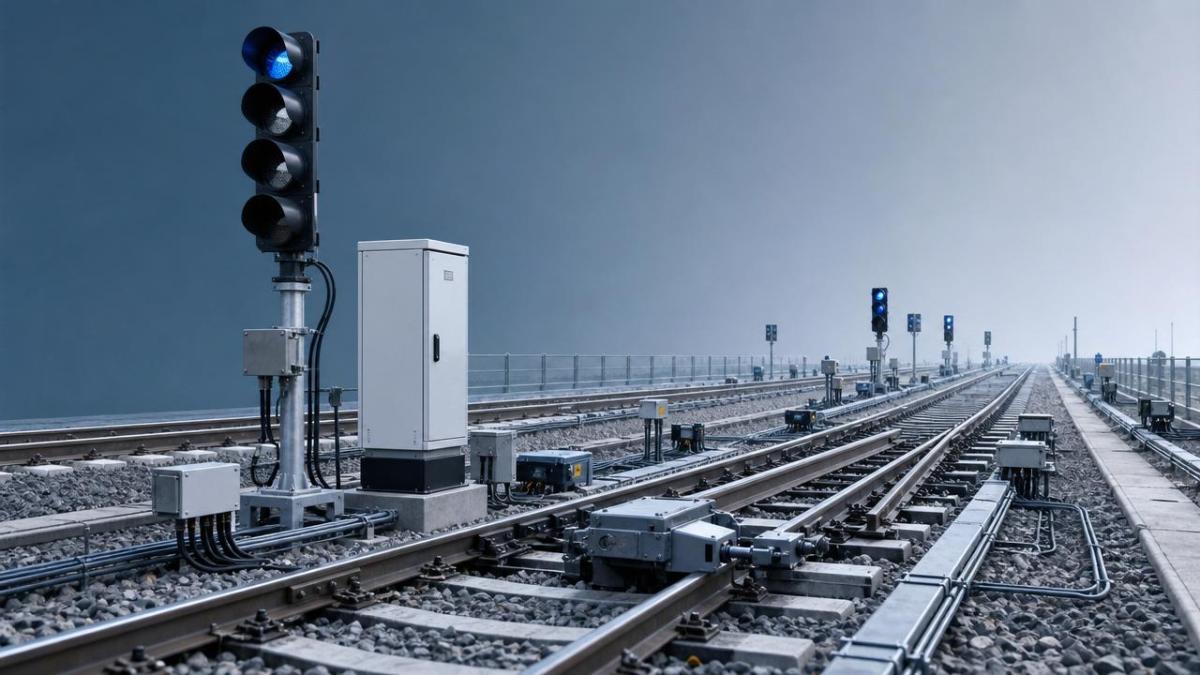
Modern railway signaling systems combine legacy hardware, digital control, trackside sensors, power supplies, software logic, and telecom networks. Failures rarely come from one cause alone. They usually emerge from small weaknesses that align at the wrong time.
A checklist-based method improves repeatability. It supports maintenance planning, quality control, functional safety reviews, and incident prevention. It also helps teams document compliance with operating rules, asset standards, and change management procedures.
For infrastructure operators and urban mobility planners, this approach matters because railway signaling systems sit at the intersection of safety, capacity, lifecycle cost, and public trust.
Core checklist: key failure risks and fixes in railway signaling systems
- Inspect power continuity across interlockings, signal heads, point machines, and control rooms. Add redundant feeds, battery backup testing, surge protection, and thermal checks on terminals and cabinets.
- Verify track detection accuracy using axle counters and track circuits under degraded conditions. Clean bonding points, test insulation, and review false occupancy or loss-of-shunt trends.
- Test point machine performance under load, not only during idle inspection. Measure throw time, current draw, locking status, and obstruction response before failure affects route availability.
- Review interlocking logic changes line by line after software updates or wiring modifications. Enforce independent verification, simulation testing, and strict version control before commissioning.
- Check signal lamp, LED unit, and aspect control health routinely. Replace degraded optical components early and validate aspect visibility, current monitoring, and fail-safe dark mode behavior.
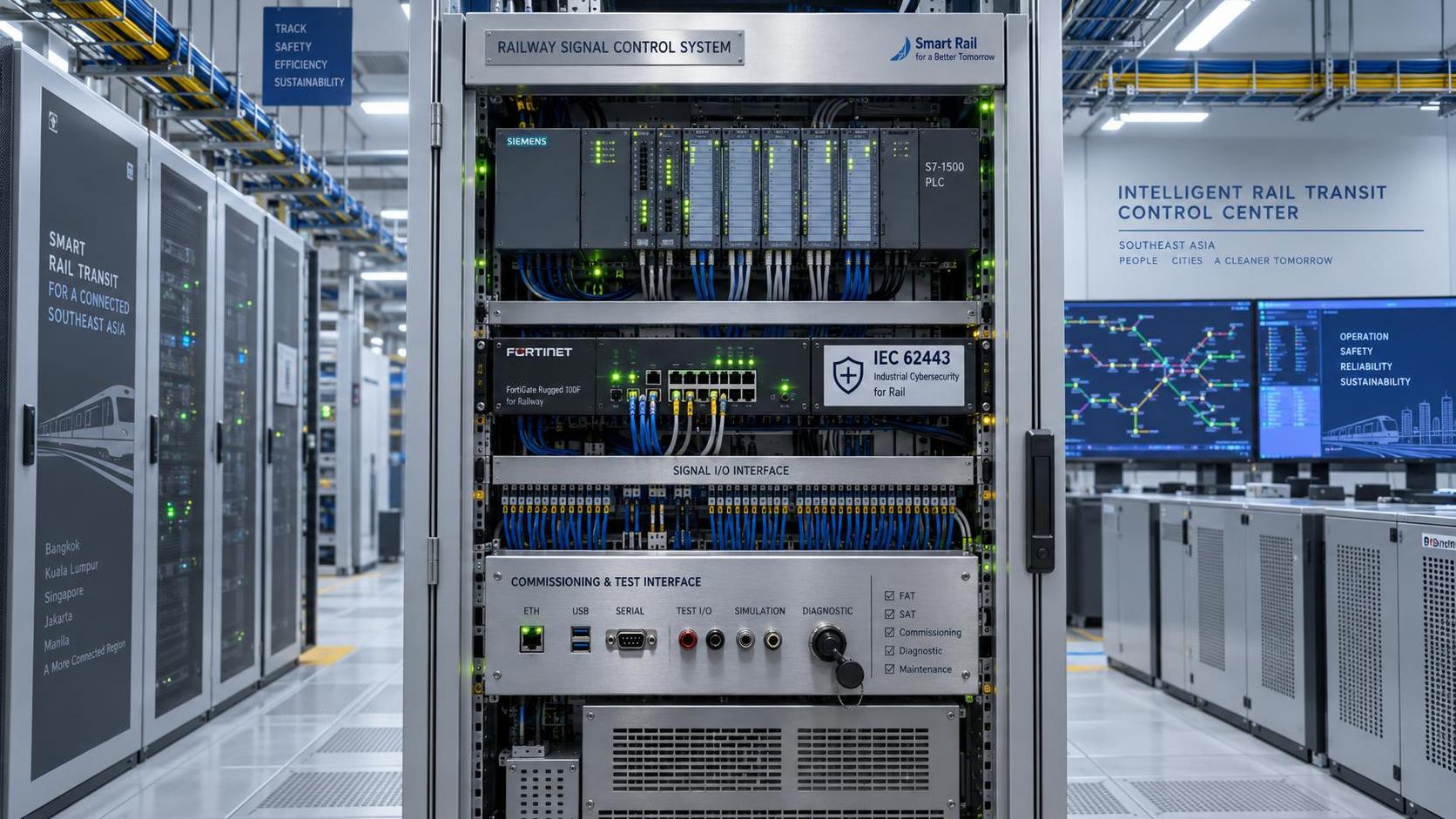
- Audit communication links between field equipment, radio systems, and centralized traffic control. Monitor latency, packet loss, electromagnetic interference, and network resilience during peak traffic.
- Examine environmental exposure in relay rooms, location cases, and outdoor housings. Control water ingress, dust, vibration, corrosion, and temperature swings that shorten component life.
- Calibrate maintenance intervals using failure data instead of fixed calendars alone. Shift high-risk railway signaling systems toward condition-based maintenance supported by event logs and diagnostics.
- Confirm grounding and bonding integrity across signaling circuits and nearby power systems. Poor earthing increases noise, relay instability, lightning damage, and hidden intermittent faults.
- Document every temporary workaround, bypass, and manual operating procedure. Remove ad hoc fixes quickly, because temporary controls often become long-term safety gaps in railway signaling systems.
How failure risks change by operating scenario
High-speed rail corridors
High-speed routes demand tighter tolerances in railway signaling systems. Minor timing drift, degraded balise performance, or telecom latency can quickly affect braking curves and movement authority reliability.
In this setting, preventive testing must focus on data integrity, fail-safe switching, and rapid fault isolation. Planned maintenance windows should include end-to-end validation, not isolated component checks only.
Urban metro and dense commuter networks
Metro systems face intense train frequency, short headways, and high passenger sensitivity to disruption. Railway signaling systems here are vulnerable to recurring point failures, platform interface issues, and control center overloads.
Priority actions include trend-based alarm review, quicker reset protocols, and stronger separation between maintenance work and operational control logic. Small recurring defects should be escalated before they become chronic delay drivers.
Freight and mixed-traffic lines
Freight corridors introduce different stress patterns. Heavy axle loads, variable braking behavior, long block occupancy, and lower maintenance access can mask failure precursors in railway signaling systems.
On mixed-traffic lines, route conflict logic and track occupancy reliability become critical. Inspection plans should reflect both heavy freight wear and passenger punctuality demands.
Commonly overlooked issues that trigger signaling failures
Underrating minor intermittent faults
A brief relay chatter, a short communication dropout, or one unexplained false occupancy may be treated as noise. In reality, intermittent events often precede larger failures in railway signaling systems.
Separating maintenance from configuration control
Field repair without synchronized drawings, software baselines, or test records creates hidden mismatches. Many post-maintenance incidents begin with poor documentation rather than bad hardware.
Ignoring asset interface risks
Railway signaling systems depend on civil works, traction power, telecom, drainage, and rolling stock behavior. Interface failures, especially after upgrades, can break assumptions built into signaling design.
Using pass-fail tests without degradation analysis
A component may still pass inspection while trending toward failure. Current curves, reset frequency, heat marks, vibration signatures, and nuisance alarms provide earlier warning than simple pass-fail testing.
Practical execution steps for stronger railway signaling systems
- Map assets by criticality, starting with interlockings, point machines, track detection zones, and control links that can stop large traffic areas.
- Set measurable thresholds for repeat faults, voltage variation, communication delay, and equipment temperature before dispatching reactive maintenance teams.
- Combine physical inspection with log analysis, event recorder review, and root-cause coding to improve failure pattern recognition.
- Run post-work functional tests that reflect live operating conditions, including degraded mode, fallback mode, and recovery to normal service.
- Standardize escalation rules so recurring defects in railway signaling systems cannot remain open across multiple maintenance cycles.
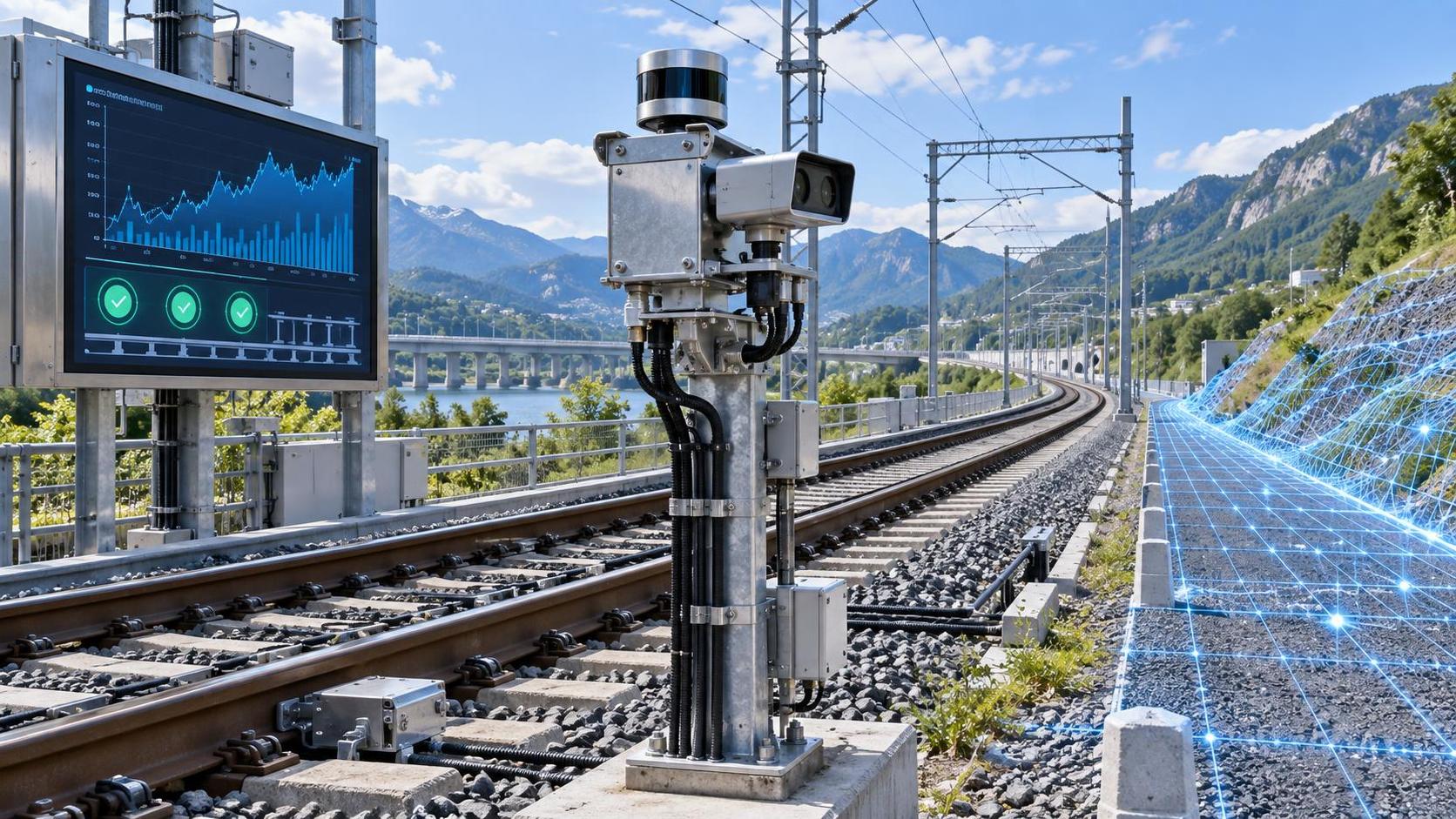
Across the wider infrastructure sector, digital monitoring is becoming central to signaling reliability. Condition sensors, remote diagnostics, and digital twin models can support better decisions, but only when paired with disciplined field verification.
The most resilient railway signaling systems are not simply the most modern. They are the ones with controlled changes, traceable testing, reliable spares, and a strong feedback loop between incidents, inspections, and design improvement.
Conclusion and next action
Railway signaling systems fail when weak detection, unstable power, poor interfaces, undocumented changes, and delayed response combine. The fix is not one tool or one inspection. It is a structured checklist, applied consistently and updated with operating evidence.
Start with a focused review of the ten checklist items above. Rank defects by operational impact, verify every recent modification, and close recurring faults with root-cause action. That is the fastest path to safer, more reliable railway signaling systems and more resilient rail infrastructure.
Get weekly intelligence in your inbox.
No noise. No sponsored content. Pure intelligence.
News Recommendations
 Sep 19, 2026How an electronics application guide helps prevent component mismatchHow an electronics application guide helps prevent component mismatch
 Sep 18, 2026When a resource allocation platform improves project deliveryWhen a resource allocation platform improves project delivery
 Sep 17, 2026What to compare when evaluating mineral processing equipment manufacturersWhat to compare when evaluating mineral processing equipment manufacturers
 Sep 16, 2026How mineral separation optimization can reduce concentrate lossesHow mineral separation optimization can reduce concentrate losses
 Sep 15, 2026How to assess lifecycle costs in urban tech procurementHow to assess lifecycle costs in urban tech procurement
 Sep 14, 2026Heavy industry technology trends reshaping capital investment prioritiesHeavy industry technology trends reshaping capital investment priorities
 Sep 14, 2026Why Infrastructure Equipment Buyers Are Shifting from Catalog-Based to Capability-Based Supplier SelectionWhy Infrastructure Equipment Buyers Are Shifting from Catalog-Based to Capability-Based Supplier Selection
 Sep 14, 2026Process Automation Project Execution: How to Align Supplier Capabilities with PLC Integration, Cybersecurity & Commissioning MilestonesProcess Automation Project Execution: How to Align Supplier Capabilities with PLC Integration, Cybersecurity & Commissioning Milestones
 Sep 14, 2026Are intelligent traffic systems worth the investment for small cities?Are intelligent traffic systems worth the investment for small cities?
 Sep 14, 2026How do intelligent traffic systems handle sensor failures?How do intelligent traffic systems handle sensor failures?
 Sep 14, 2026What should I check before accepting a smart building system?What should I check before accepting a smart building system?
 Sep 14, 2026Is a smart building system worth the maintenance cost?Is a smart building system worth the maintenance cost?
 Sep 14, 2026What data is needed for reliable resource allocation planning?What data is needed for reliable resource allocation planning?
 Sep 14, 2026How can resource allocation software reduce equipment idle time?How can resource allocation software reduce equipment idle time?
 Sep 14, 2026How should smart devices be maintained in harsh outdoor conditions?How should smart devices be maintained in harsh outdoor conditions?
 Sep 14, 2026Do smart devices improve worker safety on construction sites?Do smart devices improve worker safety on construction sites?
 Sep 14, 2026What environmental risks must be assessed before deep-sea mining?What environmental risks must be assessed before deep-sea mining?
 Sep 14, 2026Is deep-sea mining equipment commercially viable in 2026?Is deep-sea mining equipment commercially viable in 2026?
 Sep 14, 2026What Inspection Checks Should Procurement Teams Perform Before Ordering Dredging Equipment in 2026?What Inspection Checks Should Procurement Teams Perform Before Ordering Dredging Equipment in 2026?
 Sep 13, 2026How to verify an industrial product information source before specifying equipmentHow to verify an industrial product information source before specifying equipment
 Sep 12, 2026Which intelligent traffic systems hardware fits an urban intersection?Which intelligent traffic systems hardware fits an urban intersection?
 Sep 11, 2026How pump capacity affects response coverage for municipal fire fighting vehiclesHow pump capacity affects response coverage for municipal fire fighting vehicles
 Sep 10, 2026What to verify before choosing a heavy industry equipment supplierWhat to verify before choosing a heavy industry equipment supplier
 Sep 09, 2026When do adaptive urban traffic control systems reduce corridor delays?When do adaptive urban traffic control systems reduce corridor delays?
 Sep 08, 2026When logistics technology solutions in North America reduce delivery delaysWhen logistics technology solutions in North America reduce delivery delays
 Sep 07, 2026How reliable are wireless mining safety systems in underground mines?How reliable are wireless mining safety systems in underground mines?
 Sep 07, 2026How to assess a smart lighting technology platform for interoperabilityHow to assess a smart lighting technology platform for interoperability