How to Assess a Special Purpose Vehicles Manufacturer
Choosing the right special purpose vehicles manufacturer is a high-stakes decision for procurement teams, affecting equipment reliability, lifecycle cost, compliance, and project continuity. Whether sourcing fire trucks, concrete mixers, cranes, or other mission-specific fleets, buyers must look beyond price and assess engineering capability, production quality, customization depth, after-sales support, and long-term technology readiness. This guide outlines the key evaluation criteria that help procurement professionals identify manufacturers capable of delivering durable, compliant, and future-ready vehicles for demanding infrastructure, urban services, and industrial operations.
What Makes a Special Purpose Vehicles Manufacturer Procurement-Ready?
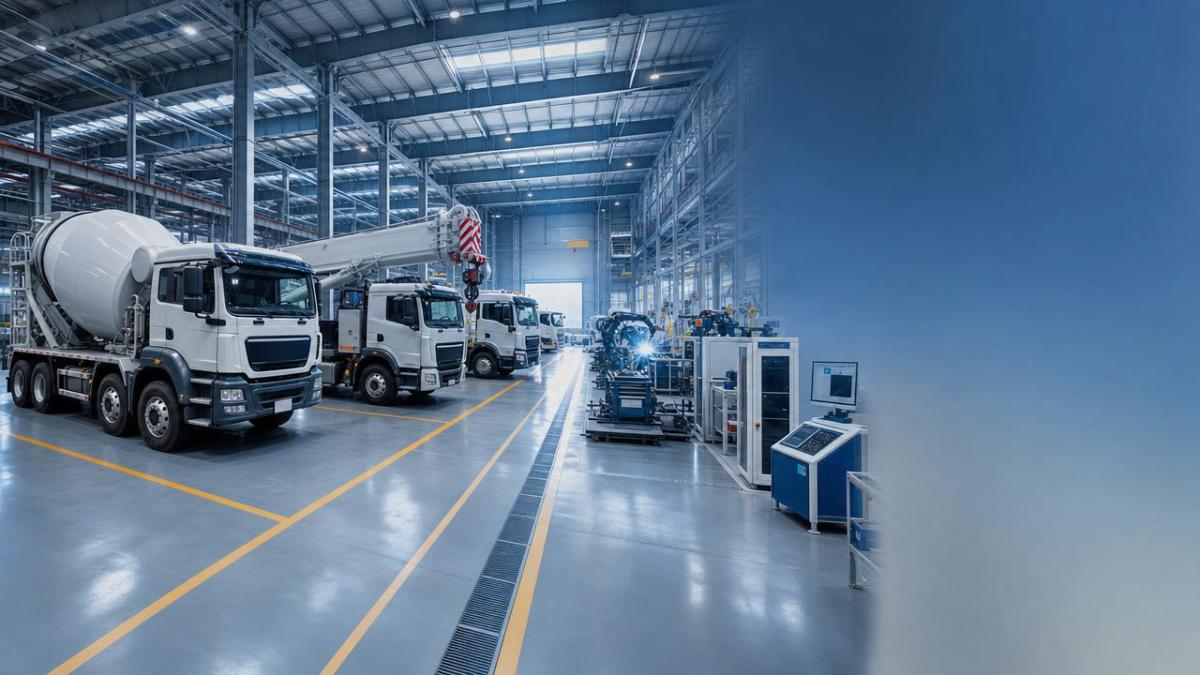
A procurement-ready special purpose vehicles manufacturer is not simply a factory with welding lines and assembly bays. It is an engineering partner able to translate operating risks into vehicle architecture.
For procurement personnel, the question is not “Who can supply a truck?” The real question is “Who can support a fleet mission under cost, compliance, and uptime pressure?”
In infrastructure, mining, construction, logistics, emergency response, and municipal operations, special vehicles often work in harsh duty cycles where downtime affects public safety or project progress.
Core capabilities to verify first
- Engineering design capability, including chassis matching, body structure design, hydraulic integration, electrical control, and mission-specific load analysis.
- Production process control, covering material inspection, welding consistency, coating quality, assembly traceability, and final functional testing.
- Customization governance, ensuring modified vehicles remain safe, maintainable, compliant, and commercially realistic for fleet-scale deployment.
- Lifecycle support, including spare parts availability, technical documentation, operator training, remote diagnostics, and warranty response mechanisms.
A capable special purpose vehicles manufacturer should make procurement easier by reducing uncertainty. Clear drawings, transparent specifications, and verifiable test procedures are signs of maturity.
How Should Buyers Compare Manufacturers Beyond Unit Price?
Low purchase price can hide higher lifecycle cost. Procurement teams should compare each special purpose vehicles manufacturer through measurable criteria linked to field performance and business continuity.
The following matrix helps buyers move from subjective impressions to structured evaluation during supplier screening, tender preparation, and technical negotiation.
A professional special purpose vehicles manufacturer should welcome this level of review. If a supplier avoids technical disclosure, procurement should treat the silence as a risk signal.
Which Vehicle Scenarios Require Different Assessment Priorities?
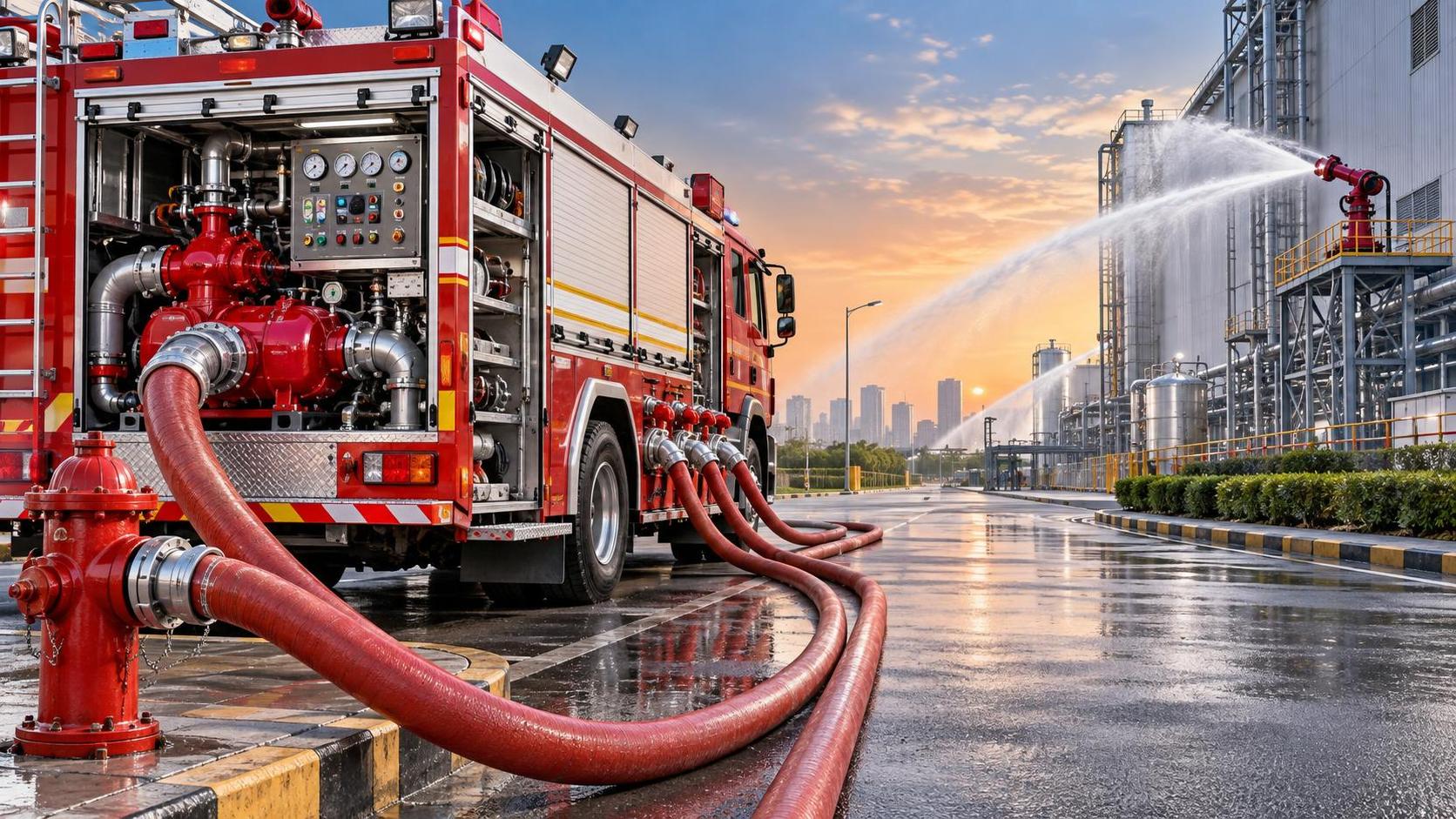
Different operating scenarios expose different weaknesses. A fire truck, concrete mixer, crane, waste collection vehicle, and mine service truck cannot be evaluated with one generic checklist.
GIUT’s infrastructure and heavy machinery perspective emphasizes scenario-based procurement because field conditions determine the real value of a special purpose vehicles manufacturer.
Scenario-driven assessment focus
This comparison shows why technical conversations must begin with duty cycle, climate, terrain, payload, route distance, operator skill, and maintenance resources.
A qualified special purpose vehicles manufacturer should ask detailed questions before quoting. Fast quotations without scenario clarification often produce poor equipment fit.
What Technical Parameters Should Procurement Teams Request?
Technical parameters should be practical, comparable, and tied to operating outcomes. Procurement teams should avoid vague descriptions such as “heavy duty” without supporting data.
When assessing a special purpose vehicles manufacturer, request both baseline chassis information and superstructure specifications. The vehicle must perform as an integrated system.
Recommended parameter categories
- Chassis data, including engine power, axle configuration, braking system, suspension type, turning radius, and emission level.
- Mission system data, including tank capacity, pump flow, lifting capacity, mixing volume, compaction ratio, or platform reach.
- Structural data, including material grade, thickness, corrosion protection, subframe design, and fatigue-sensitive connection points.
- Control and intelligence data, including sensors, diagnostic interface, telematics options, safety interlocks, and operator display functions.
The most reliable special purpose vehicles manufacturer will explain parameter trade-offs. For example, greater tank capacity may affect braking distance, axle load, and fuel consumption.
How Do Compliance, Certification, and Documentation Reduce Procurement Risk?
Compliance is not paperwork added at the end. It should influence design, component selection, lighting, braking, emissions, safety labels, and registration documentation from the beginning.
Before contracting with a special purpose vehicles manufacturer, procurement teams should clarify the destination market, road status, operating license requirements, and industry-specific rules.
Common compliance areas to discuss
The table highlights a critical point: compliance must be market-specific. A configuration suitable for one region may require modification elsewhere.
A serious special purpose vehicles manufacturer should identify these requirements early, especially for public tenders, cross-border projects, and government-funded infrastructure programs.
Why Lifecycle Cost Matters More Than Purchase Price
Procurement teams often face budget limits, but the cheapest bid may become expensive when downtime, fuel use, replacement parts, and repair labor are included.
A transparent special purpose vehicles manufacturer should help buyers estimate total cost of ownership, not only the initial invoice value.
Cost elements that deserve attention
- Acquisition cost, including base vehicle, special equipment, optional systems, freight, insurance, duties, and commissioning support.
- Operating cost, including fuel or energy consumption, consumables, lubricants, tire wear, and route or jobsite efficiency.
- Maintenance cost, including scheduled service, hydraulic parts, electrical components, wear plates, filters, seals, and technician hours.
- Downtime cost, including replacement rental, project delay penalties, missed service routes, and reduced fleet availability.
Lifecycle thinking also supports sustainability goals. Efficient vehicles reduce fuel waste, extend component life, and support smarter infrastructure operations.
How to Audit Production Quality Before Signing a Contract
A factory visit or remote audit can reveal more than a brochure. Procurement should verify whether the special purpose vehicles manufacturer controls repeatability.
If an onsite audit is not possible, request production photos, inspection records, test videos, process flow documents, and sample quality checklists.
Practical audit checklist
- Check whether incoming steel, hydraulic components, pumps, cylinders, valves, and electrical parts have documented inspection procedures.
- Review whether welding, painting, assembly, pressure testing, road testing, and functional testing have clear acceptance criteria.
- Confirm whether nonconforming parts are isolated, recorded, corrected, and prevented from entering final assembly.
- Ask how serial numbers, component batches, and service history are traced after the vehicle enters operation.
Quality assurance should be visible in records and workflow. A dependable special purpose vehicles manufacturer does not rely only on final inspection.
Common Procurement Mistakes When Selecting Special Purpose Vehicles
Procurement mistakes usually occur when technical teams, operators, finance departments, and compliance managers work separately. The result is incomplete specifications and uneven evaluation.
Mistakes to avoid
- Selecting a special purpose vehicles manufacturer mainly by lowest quotation without checking component brands, warranty scope, or failure response time.
- Ignoring operator feedback, which may lead to poor visibility, inconvenient control placement, fatigue, or unsafe maintenance access.
- Over-customizing the vehicle with complex features that local technicians cannot maintain or source parts for quickly.
- Failing to define acceptance tests, causing disputes during delivery when performance expectations were never quantified.
A better approach is to build a cross-functional evaluation group. Procurement leads cost control, while engineering, operations, and compliance validate technical feasibility.
FAQ: Questions Procurement Teams Ask About a Special Purpose Vehicles Manufacturer
How early should we involve the manufacturer in specification planning?
Engage the special purpose vehicles manufacturer before tender requirements become fixed. Early technical dialogue helps align payload, power, safety, compliance, delivery, and maintenance expectations.
What documents should be requested before placing an order?
Request technical drawings, configuration sheets, component lists, warranty terms, test procedures, delivery schedule, operation manuals, parts catalog, and compliance-related documents for the destination market.
How can buyers judge customization capability?
Ask the special purpose vehicles manufacturer to explain design changes, risk controls, testing methods, and maintenance implications. True customization balances function, safety, cost, and serviceability.
Is a local service network always necessary?
Local service is valuable, but not the only model. Remote diagnostics, spare parts kits, training, clear manuals, and response commitments can support remote operations effectively.
Why Choose GIUT for Smarter Supplier Assessment and Procurement Support?
GIUT supports procurement teams by connecting infrastructure intelligence, smart city thinking, heavy machinery analysis, and field-oriented engineering logic into one decision framework.
When evaluating a special purpose vehicles manufacturer, buyers need more than supplier claims. They need structured questions, scenario interpretation, parameter review, and lifecycle risk awareness.
What you can consult with us
- Parameter confirmation for fire trucks, concrete mixers, cranes, municipal vehicles, mining support vehicles, and other mission-specific equipment.
- Supplier comparison support, including engineering capability, production quality, customization feasibility, after-sales readiness, and documentation completeness.
- Procurement specification review to reduce ambiguity before quotation, tender release, contract negotiation, or factory acceptance testing.
- Discussion of delivery cycle, spare parts planning, certification requirements, sample support, budget structure, and quotation communication.
For procurement teams under schedule, budget, and compliance pressure, a disciplined assessment process protects both capital investment and operational continuity.
Contact GIUT to discuss your vehicle scenario, target market, technical parameters, customization needs, certification concerns, and supplier evaluation priorities before committing to your next fleet purchase.
Get weekly intelligence in your inbox.
No noise. No sponsored content. Pure intelligence.
News Recommendations
 Sep 19, 2026How an electronics application guide helps prevent component mismatchHow an electronics application guide helps prevent component mismatch
 Sep 18, 2026When a resource allocation platform improves project deliveryWhen a resource allocation platform improves project delivery
 Sep 17, 2026What to compare when evaluating mineral processing equipment manufacturersWhat to compare when evaluating mineral processing equipment manufacturers
 Sep 16, 2026How mineral separation optimization can reduce concentrate lossesHow mineral separation optimization can reduce concentrate losses
 Sep 15, 2026How to assess lifecycle costs in urban tech procurementHow to assess lifecycle costs in urban tech procurement
 Sep 14, 2026Heavy industry technology trends reshaping capital investment prioritiesHeavy industry technology trends reshaping capital investment priorities
 Sep 14, 2026Global Industrial Equipment Procurement: How Top OEMs Qualify Suppliers for Mining & Infrastructure ProjectsGlobal Industrial Equipment Procurement: How Top OEMs Qualify Suppliers for Mining & Infrastructure Projects
 Sep 14, 2026Industrial & Mining Equipment Procurement: Balancing Local Sourcing, Lead Time, and Certification RequirementsIndustrial & Mining Equipment Procurement: Balancing Local Sourcing, Lead Time, and Certification Requirements
 Sep 14, 2026Infrastructure & Equipment Upgrades: What Procurement Teams Must Verify Before Signing Off on New ContractsInfrastructure & Equipment Upgrades: What Procurement Teams Must Verify Before Signing Off on New Contracts
 Sep 14, 2026Why Infrastructure Equipment Buyers Are Shifting from Catalog-Based to Capability-Based Supplier SelectionWhy Infrastructure Equipment Buyers Are Shifting from Catalog-Based to Capability-Based Supplier Selection
 Sep 14, 2026Process Automation Project Execution: How to Align Supplier Capabilities with PLC Integration, Cybersecurity & Commissioning MilestonesProcess Automation Project Execution: How to Align Supplier Capabilities with PLC Integration, Cybersecurity & Commissioning Milestones
 Sep 14, 2026Are intelligent traffic systems worth the investment for small cities?Are intelligent traffic systems worth the investment for small cities?
 Sep 14, 2026How do intelligent traffic systems handle sensor failures?How do intelligent traffic systems handle sensor failures?
 Sep 14, 2026What should I check before accepting a smart building system?What should I check before accepting a smart building system?
 Sep 14, 2026Is a smart building system worth the maintenance cost?Is a smart building system worth the maintenance cost?
 Sep 14, 2026What data is needed for reliable resource allocation planning?What data is needed for reliable resource allocation planning?
 Sep 14, 2026How can resource allocation software reduce equipment idle time?How can resource allocation software reduce equipment idle time?
 Sep 14, 2026How should smart devices be maintained in harsh outdoor conditions?How should smart devices be maintained in harsh outdoor conditions?
 Sep 14, 2026Do smart devices improve worker safety on construction sites?Do smart devices improve worker safety on construction sites?
 Sep 14, 2026What environmental risks must be assessed before deep-sea mining?What environmental risks must be assessed before deep-sea mining?
 Sep 14, 2026Is deep-sea mining equipment commercially viable in 2026?Is deep-sea mining equipment commercially viable in 2026?
 Sep 14, 2026What Inspection Checks Should Procurement Teams Perform Before Ordering Dredging Equipment in 2026?What Inspection Checks Should Procurement Teams Perform Before Ordering Dredging Equipment in 2026?
 Sep 13, 2026How to verify an industrial product information source before specifying equipmentHow to verify an industrial product information source before specifying equipment
 Sep 12, 2026Which intelligent traffic systems hardware fits an urban intersection?Which intelligent traffic systems hardware fits an urban intersection?
 Sep 11, 2026How pump capacity affects response coverage for municipal fire fighting vehiclesHow pump capacity affects response coverage for municipal fire fighting vehicles
 Sep 10, 2026What to verify before choosing a heavy industry equipment supplierWhat to verify before choosing a heavy industry equipment supplier
 Sep 09, 2026When do adaptive urban traffic control systems reduce corridor delays?When do adaptive urban traffic control systems reduce corridor delays?