How to assess lifecycle costs in urban tech procurement
Start with the decision horizon, not the contract term
Lifecycle cost assessment should begin before bids are compared. For a finance approver, the first question is whether the proposed urban technology can be evaluated over a meaningful operating life at all. A three-year software contract may sit inside a traffic-management platform expected to support a corridor for 10 years. A sensor network may be funded as a capital project but require communications, calibration, battery replacement, cybersecurity work, and field access long after installation.
Comparing only the first contract value will usually favor the option that shifts cost into later years. That does not automatically make it a poor choice. A lower-entry-cost solution can be rational when the service is genuinely temporary, when technology requirements are likely to change quickly, or when the city needs to test a narrowly defined use case. The problem is treating a short commercial commitment as evidence of a low long-term financial commitment.
A useful assessment period should reflect the asset and service being procured. It may be the planned useful life of roadside equipment, the expected duration of a managed service, or the remaining life of the infrastructure the technology supports. The period should be long enough to expose renewal, replacement, and exit costs, while avoiding artificial precision about conditions too far into the future.
For urban tech procurement, finance teams should ask the project sponsor to state this horizon explicitly and explain why it fits the operating model. Without that boundary, “total cost of ownership” can become a label applied to a partial budget.
Build the lifecycle model around the costs that actually move
The purchase price is usually visible because it appears in the bid. The more consequential costs are often distributed across IT, operations, engineering, procurement, legal, and frontline service budgets. A credible model brings those obligations together and distinguishes one-time expenditure from recurring commitments.
- Acquisition and implementation: hardware, licenses, professional services, site surveys, civil works, installation, integration, data migration, testing, training, and project management.
- Operating costs: cloud hosting, connectivity, electricity, monitoring, help desk support, field inspections, consumables, spare parts, and routine maintenance.
- Internal capacity: staff time for system administration, vendor management, data governance, incident response, service-desk escalation, and reporting.
- Change costs: new interfaces, expansion to new districts, firmware updates, revised accessibility requirements, regulatory changes, and modifications to operating procedures.
- Risk and resilience provisions: backup communications, disaster recovery, cyber assurance, replacement stock, extended support, and the cost of operating through an outage.
- Exit and end-of-life: decommissioning, data extraction, secure deletion, equipment disposal, contract transition, and replacement or re-procurement.
These categories should not be estimated with the same degree of confidence. A quoted subscription fee may be contractually defined, while future integration work depends on decisions that have not yet been made. The appropriate response is to show assumptions and ranges, not to omit uncertain items. A model that appears exact because it excludes uncertainty is less useful than one that identifies the variables capable of changing the investment case.
It is also important to avoid double counting. For example, a managed service fee may already include monitoring and software patching; adding an internal estimate for those activities without checking service responsibilities can inflate the apparent cost. Conversely, a maintenance allowance that covers device replacement but excludes labour, traffic management, or access permits may create a false sense of completeness.

Separate comparable bids from comparable operating models
Two vendors can provide functionally similar systems while asking the authority to assume very different responsibilities. One may offer a low equipment price with a separate integration partner, customer-managed cloud infrastructure, and optional support. Another may offer an outcome-based service that bundles monitoring, upgrades, and equipment replacement. Comparing their annual fees alone does not show which is less expensive.
The comparison needs a common operating model. For every bid, finance approvers should identify who is responsible for each material activity: the supplier, the authority, a systems integrator, a telecoms provider, or another public body. The question is not simply whether a task is included in the contract. It is whether the task has a funded and accountable owner for the full assessment period.
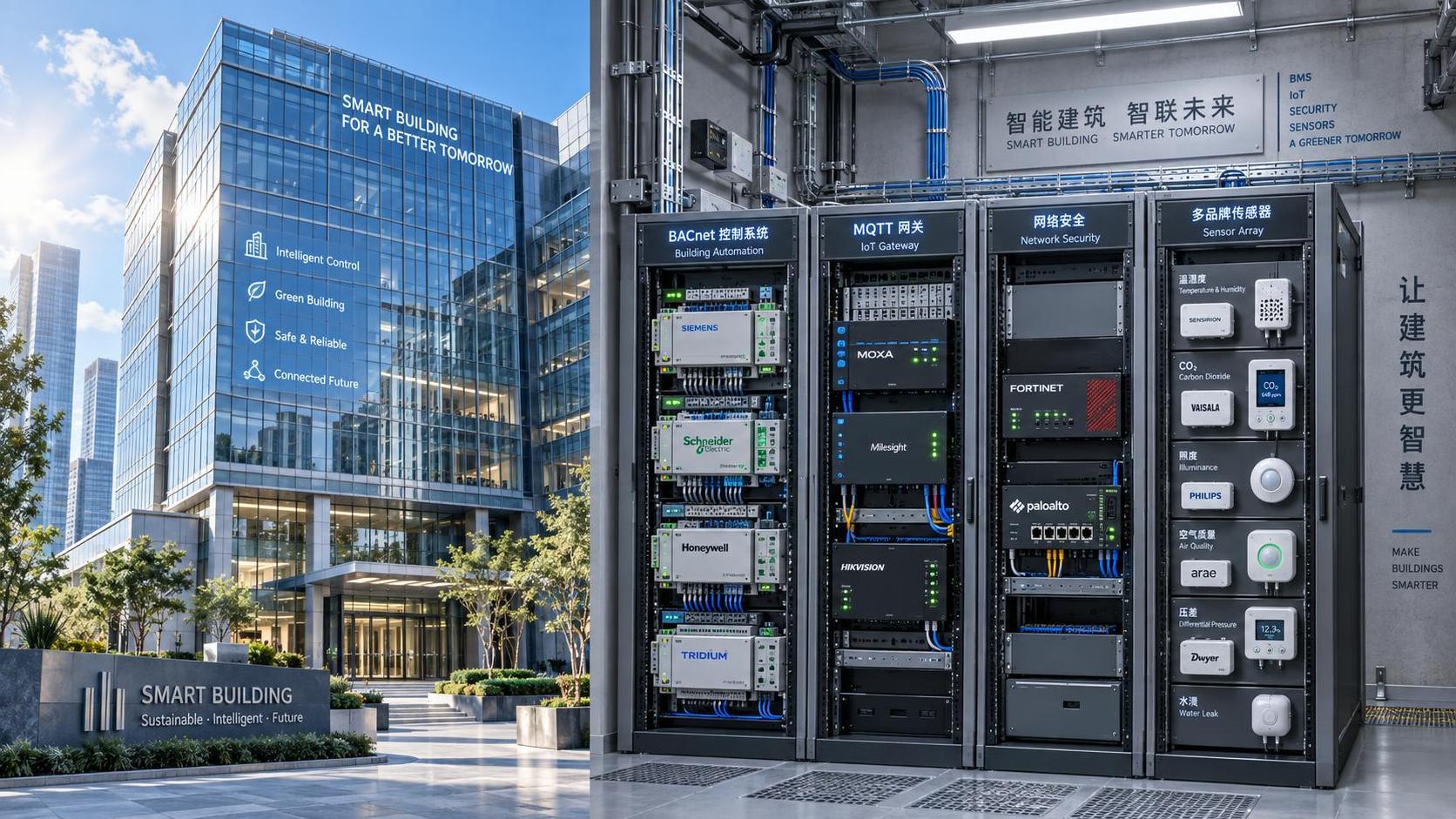
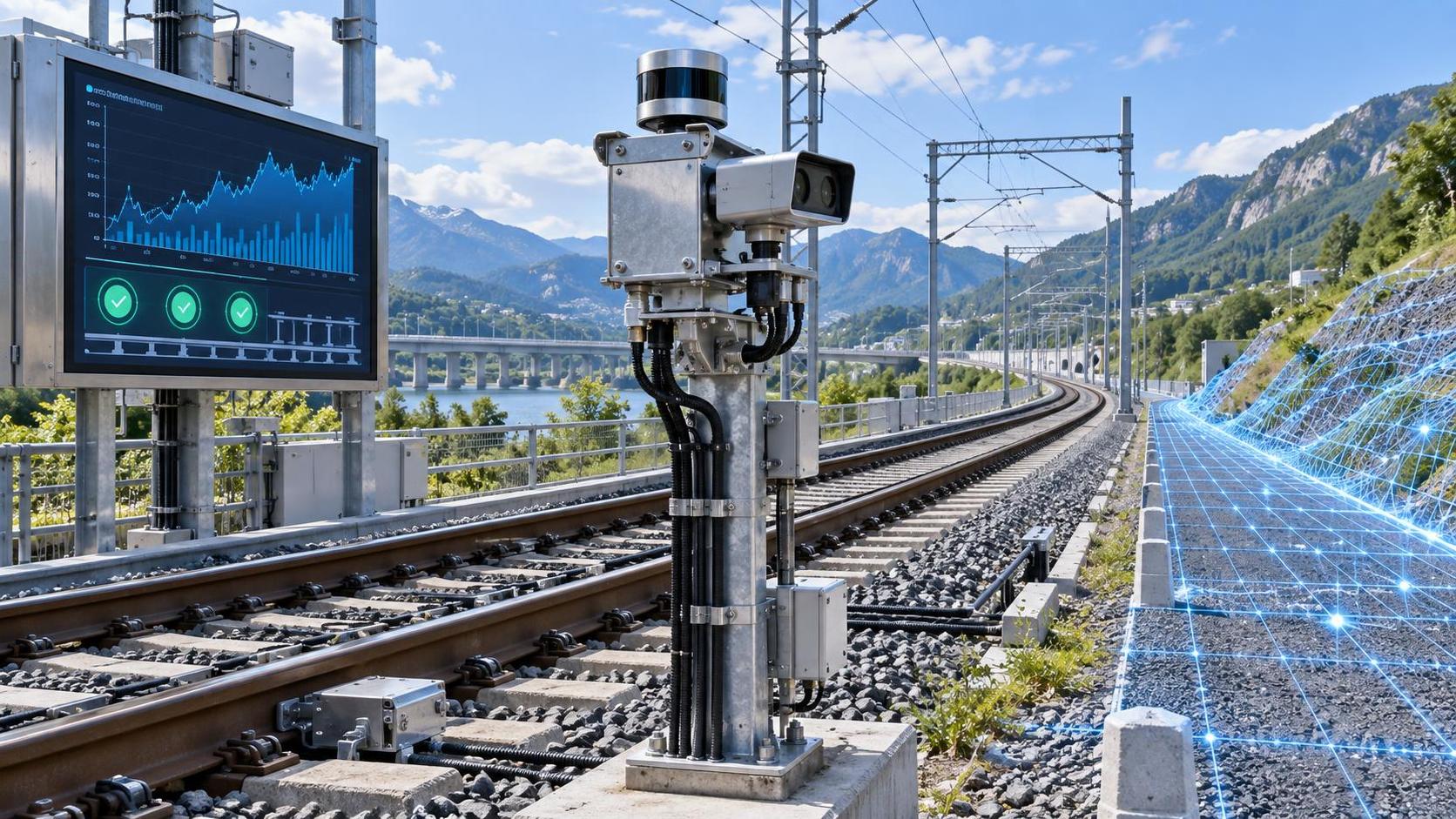
This is especially relevant where a system connects multiple city functions. A smart parking platform may need payment-system interfaces, enforcement workflows, customer support, maps, communications infrastructure, and privacy controls. An environmental monitoring deployment may depend on mounting rights, power supply, cellular coverage, data validation, and a team able to act on alerts. The core product may represent only part of the lifecycle cost.
Finance review should challenge proposals that rely on vague phrases such as “standard integration,” “future-ready architecture,” or “maintenance included.” Each can be commercially meaningful, but only after the scope is translated into deliverables, service levels, exclusions, and the party bearing cost when requirements change.
Model upgrades and cybersecurity as expected obligations
Urban systems are often procured with an expectation that they will remain useful as technology, regulations, and public needs evolve. That expectation has a cost. Hardware may require replacement before the surrounding civil asset reaches end of life. Software may need updates to remain secure or compatible with operating systems, browsers, identity platforms, payment services, and data standards.
Finance approvers do not need to predict every future technical change. They do need to determine which changes are included, which are chargeable, and which could force a replacement decision. A supplier’s roadmap may be informative, but it is not the same as a contractual commitment to support a product for a defined period.
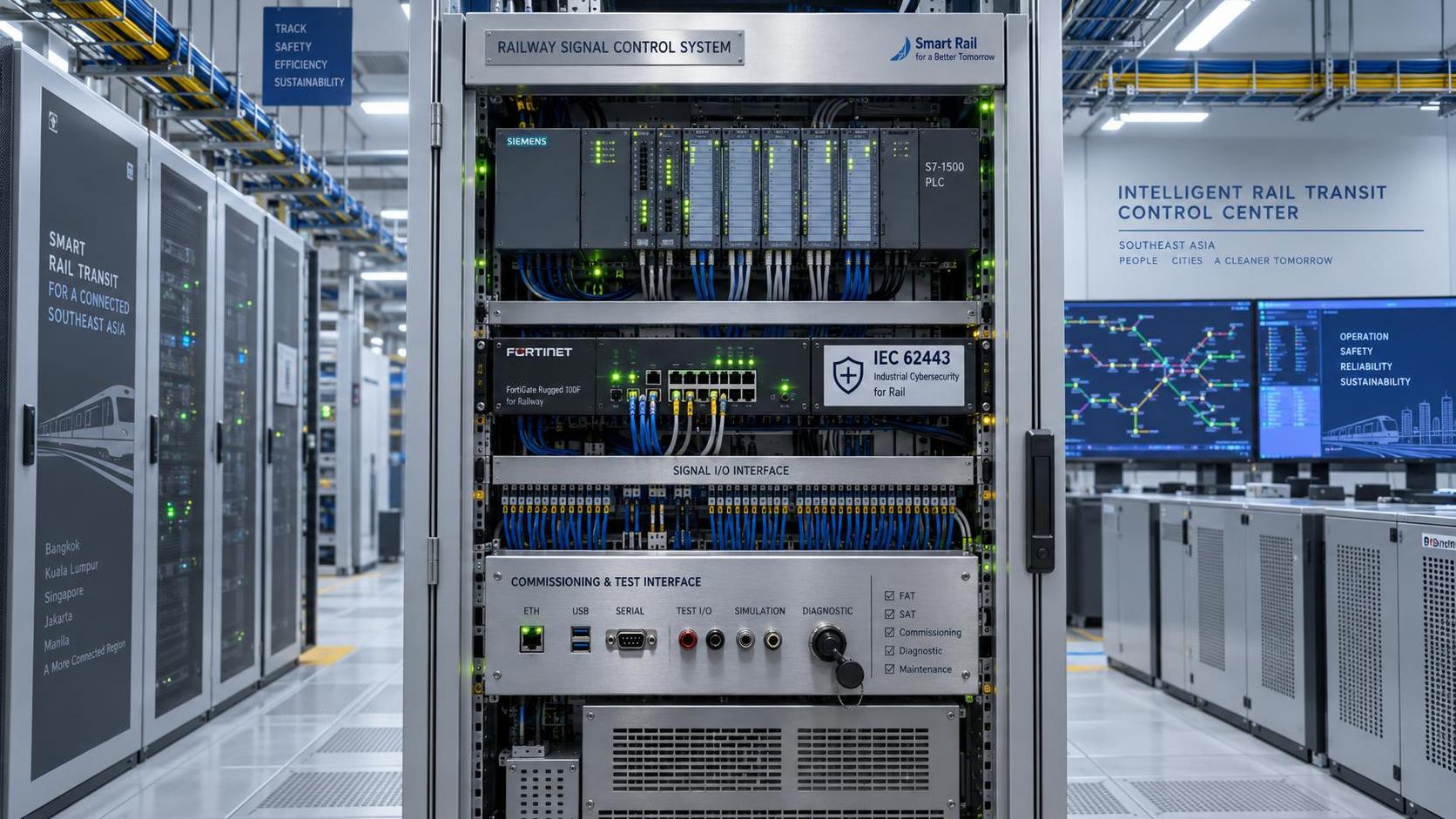
Cybersecurity should be treated in the same disciplined way. The cost base can include asset discovery, identity and access management, vulnerability remediation, log retention, security testing, incident support, and secure remote access for field devices. The practical issue is not whether every project needs a large standalone cyber budget. It is whether the proposed architecture creates obligations that have been left outside the financial case.
Procurements involving connected infrastructure should establish clear answers to several questions:
- How long will security patches and software updates be provided?
- Who bears the cost of remediating a critical vulnerability in third-party components?
- Can the authority apply security controls without losing vendor support?
- What data must be retained, where is it held, and what will retention cost over time?
- What happens to operations if a cloud service, communications network, or remote management channel fails?
These are not technical details to defer until implementation. They can materially affect annual operating expenditure, contingent liabilities, and the duration for which the original investment remains viable.
Put energy, fieldwork, and service disruption into the financial case
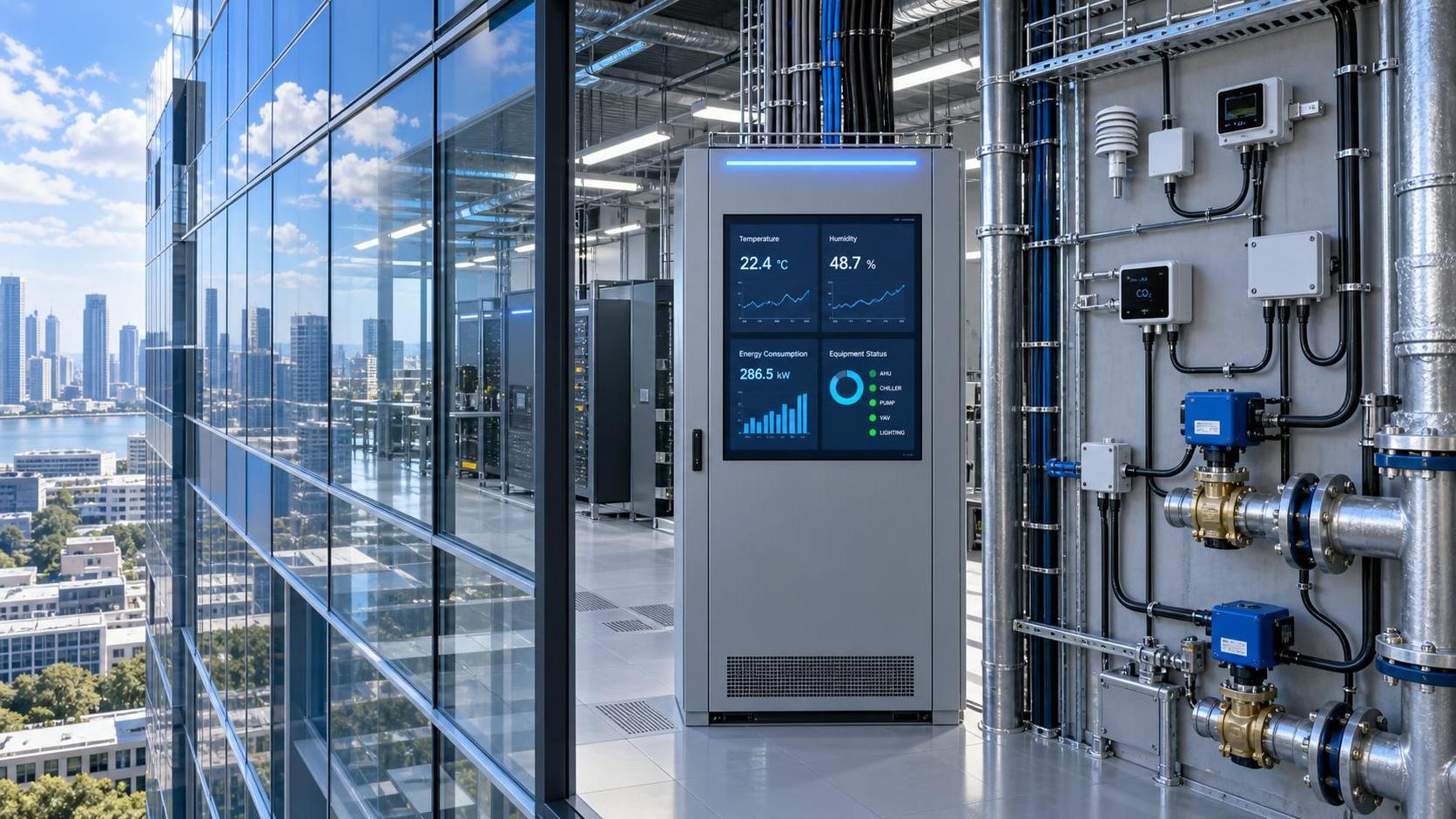
Some lifecycle costs are small per device but substantial at network scale. Energy consumption is one example. A connected cabinet, camera, charger, display, or gateway may draw modest power individually, yet a large deployment can create a recurring utility cost and require electrical upgrades. The relevant measure is not a headline power rating alone, but the expected consumption in the intended operating configuration, including ancillary equipment and standby modes.
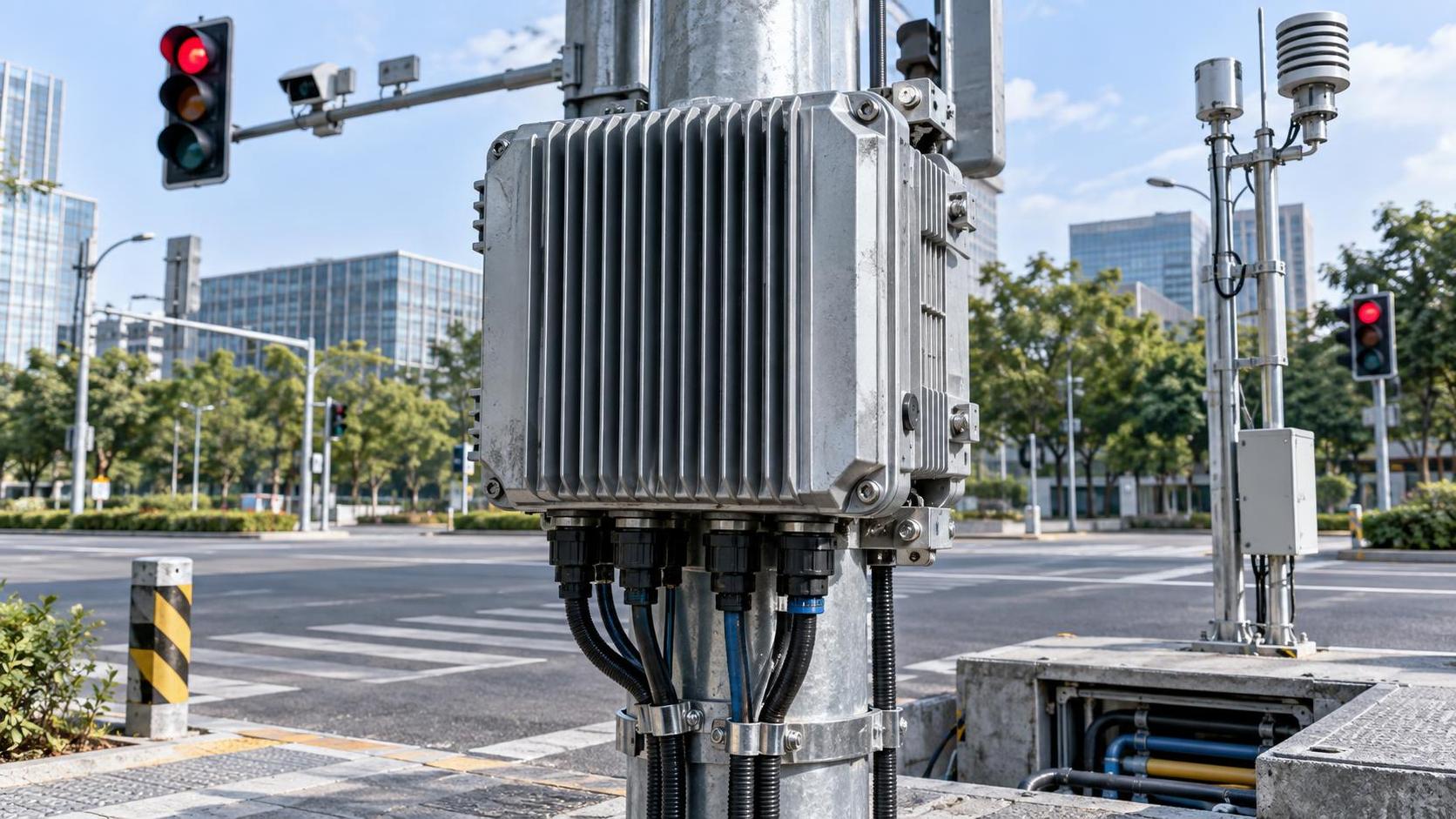
Fieldwork is another commonly underestimated cost. Devices installed on poles, in roads, on transit assets, or in restricted public locations cannot be serviced as easily as office equipment. Access arrangements, traffic control, safety procedures, permits, weather delays, and coordination with other works can all determine the real cost of maintaining a system. A durable device can still be expensive if its location makes every intervention difficult.
Service interruption deserves equivalent attention where the technology supports essential public functions. The cost may not appear as a direct payment to a supplier. It may take the form of manual workarounds, lost revenue, delayed response, traffic disruption, compliance exposure, or reduced service quality. Not every outage consequence should be assigned a speculative monetary figure. But a procurement model should identify critical dependencies and test whether the proposed service level and resilience measures are proportionate to their operational impact.
Use scenarios rather than one optimistic forecast
A lifecycle model is strongest when it supports a decision under uncertainty. A single base case can conceal the assumptions that drive the result, particularly when costs depend on expansion rates, data volumes, energy tariffs, device failure rates, or renewal pricing.
At minimum, finance approvers should request a base case, a downside case, and a transition case. The downside case might test slower deployment, higher field-maintenance demand, increased storage use, or an earlier equipment replacement cycle. The transition case should test a supplier change, platform migration, or partial decommissioning. These scenarios do not need elaborate probabilistic modelling to be useful. Their purpose is to show whether the preferred option remains defensible when conditions are less favorable than planned.
Discounting future costs can be appropriate for comparing alternatives, especially where payments occur at different times. However, the discount rate should not obscure operational affordability. A large renewal cost may have a lower present value while still creating a difficult budget event in a future year. Show both the discounted lifecycle total and the annual cash-flow profile. The latter often reveals the risks that capital approval papers fail to surface.
Test whether savings are cashable
Urban technology proposals often include efficiency benefits: fewer site visits, improved asset utilization, reduced energy consumption, faster response, lower congestion, or automated reporting. These benefits may be real and still not produce immediate budget savings.
A saving is cashable only when spending can actually be reduced, avoided, or redeployed under a clear management decision. If monitoring software allows a maintenance team to prioritize work more effectively but staffing levels remain unchanged, the benefit may be service capacity, risk reduction, or improved asset condition rather than a direct reduction in expenditure. That can still justify investment, but it should not be counted as the same type of financial return.
The approval case should separate three categories: costs that will definitely be incurred, savings that can be captured in budgets, and non-cash benefits that strengthen service outcomes or resilience. Combining them into one undifferentiated “value” figure makes scrutiny harder and can overstate payback.
Design the contract to preserve future choice
The largest lifecycle risk is sometimes not the cost of operating the chosen system, but the cost of leaving it. Proprietary data formats, custom integrations, undocumented configurations, and supplier-controlled device management can make replacement far more expensive than expected. This risk is particularly acute when a platform becomes embedded in multiple operational workflows.
Urban tech procurement documents should therefore address transition as a priced and planned activity. Require usable data export, documentation, defined handover support, retention and deletion procedures, and rights to access information needed for continuity of service. Where interfaces are essential, specify them clearly enough to prevent the authority from paying repeatedly for basic interoperability.
Open standards are helpful only when they are implemented in a way that supports real portability. A claim of openness should be tested against practical questions: Can the authority retrieve its operational history in a usable format? Can another provider operate the deployed devices? Are APIs available under commercially workable terms? Is the integration configuration documented?
A finance approver does not need to dictate the architecture. The approval should require evidence that exit costs have been considered before the organization becomes dependent on a single supplier.
What a decision-ready lifecycle assessment should show
A useful paper for approval is concise enough to review but detailed enough to challenge. It should state the assessment period, the preferred option and alternatives, all material cost categories, major assumptions, annual funding needs, included and excluded responsibilities, and the sensitivities most likely to change the result.
It should also make the decision boundary clear. The aim is not to establish a permanently accurate forecast. It is to decide whether the authority understands the long-term commitment it is authorizing, whether budgets and accountabilities match that commitment, and whether the contract leaves room to adapt when the city’s needs change.
That discipline gives lifecycle costing its value. It turns urban tech procurement from a comparison of bids into a more durable test of affordability, operability, and public value.
Get weekly intelligence in your inbox.
No noise. No sponsored content. Pure intelligence.
News Recommendations
 Sep 19, 2026How an electronics application guide helps prevent component mismatchHow an electronics application guide helps prevent component mismatch
 Sep 18, 2026When a resource allocation platform improves project deliveryWhen a resource allocation platform improves project delivery
 Sep 17, 2026What to compare when evaluating mineral processing equipment manufacturersWhat to compare when evaluating mineral processing equipment manufacturers
 Sep 16, 2026How mineral separation optimization can reduce concentrate lossesHow mineral separation optimization can reduce concentrate losses
 Sep 15, 2026How to assess lifecycle costs in urban tech procurementHow to assess lifecycle costs in urban tech procurement
 Sep 14, 2026Heavy industry technology trends reshaping capital investment prioritiesHeavy industry technology trends reshaping capital investment priorities
 Sep 14, 2026Why Infrastructure Equipment Buyers Are Shifting from Catalog-Based to Capability-Based Supplier SelectionWhy Infrastructure Equipment Buyers Are Shifting from Catalog-Based to Capability-Based Supplier Selection
 Sep 14, 2026Process Automation Project Execution: How to Align Supplier Capabilities with PLC Integration, Cybersecurity & Commissioning MilestonesProcess Automation Project Execution: How to Align Supplier Capabilities with PLC Integration, Cybersecurity & Commissioning Milestones
 Sep 14, 2026Are intelligent traffic systems worth the investment for small cities?Are intelligent traffic systems worth the investment for small cities?
 Sep 14, 2026How do intelligent traffic systems handle sensor failures?How do intelligent traffic systems handle sensor failures?
 Sep 14, 2026What should I check before accepting a smart building system?What should I check before accepting a smart building system?
 Sep 14, 2026Is a smart building system worth the maintenance cost?Is a smart building system worth the maintenance cost?
 Sep 14, 2026What data is needed for reliable resource allocation planning?What data is needed for reliable resource allocation planning?
 Sep 14, 2026How can resource allocation software reduce equipment idle time?How can resource allocation software reduce equipment idle time?
 Sep 14, 2026How should smart devices be maintained in harsh outdoor conditions?How should smart devices be maintained in harsh outdoor conditions?
 Sep 14, 2026Do smart devices improve worker safety on construction sites?Do smart devices improve worker safety on construction sites?
 Sep 14, 2026What environmental risks must be assessed before deep-sea mining?What environmental risks must be assessed before deep-sea mining?
 Sep 14, 2026Is deep-sea mining equipment commercially viable in 2026?Is deep-sea mining equipment commercially viable in 2026?
 Sep 14, 2026What Inspection Checks Should Procurement Teams Perform Before Ordering Dredging Equipment in 2026?What Inspection Checks Should Procurement Teams Perform Before Ordering Dredging Equipment in 2026?
 Sep 13, 2026How to verify an industrial product information source before specifying equipmentHow to verify an industrial product information source before specifying equipment
 Sep 12, 2026Which intelligent traffic systems hardware fits an urban intersection?Which intelligent traffic systems hardware fits an urban intersection?
 Sep 11, 2026How pump capacity affects response coverage for municipal fire fighting vehiclesHow pump capacity affects response coverage for municipal fire fighting vehicles
 Sep 10, 2026What to verify before choosing a heavy industry equipment supplierWhat to verify before choosing a heavy industry equipment supplier
 Sep 09, 2026When do adaptive urban traffic control systems reduce corridor delays?When do adaptive urban traffic control systems reduce corridor delays?
 Sep 08, 2026When logistics technology solutions in North America reduce delivery delaysWhen logistics technology solutions in North America reduce delivery delays
 Sep 07, 2026How reliable are wireless mining safety systems in underground mines?How reliable are wireless mining safety systems in underground mines?
 Sep 07, 2026How to assess a smart lighting technology platform for interoperabilityHow to assess a smart lighting technology platform for interoperability