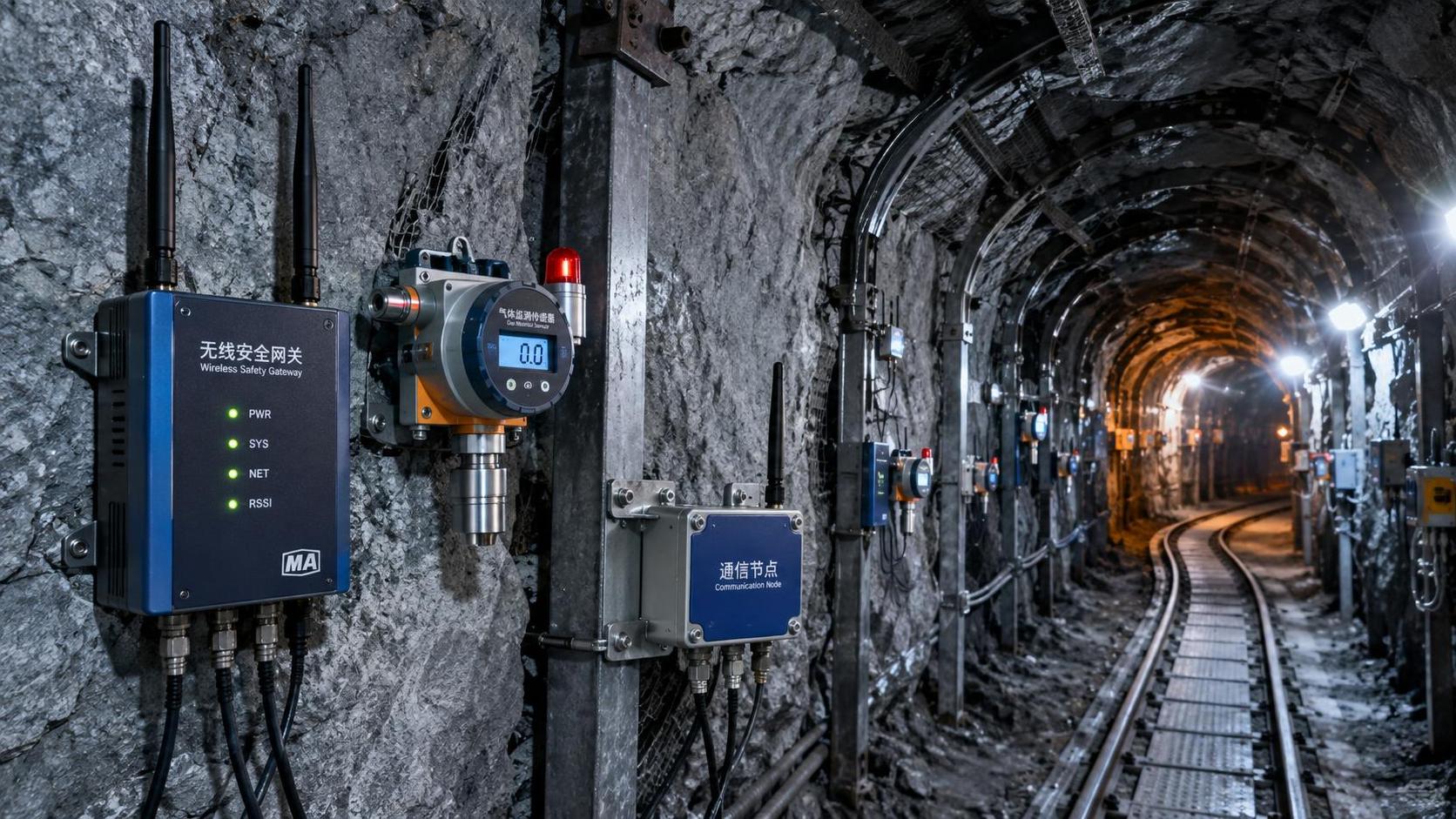
An application guide electronics resource is more than a reference document. It is a practical safeguard against costly component mismatch before designs reach procurement, integration, field testing, or full deployment.
It translates component specifications into design decisions by connecting electrical ratings, thermal limits, interfaces, operating conditions, protection features, and compliance requirements with real system behavior.
For technical evaluators, this context matters because many failures begin with a technically valid part selected for an unsuitable application, environment, load profile, or lifecycle requirement.
A component can meet nominal voltage, current, and communication requirements while still creating unacceptable risks involving heat, noise, startup behavior, maintenance access, availability, or certification.
The best electronics application guidance therefore helps evaluators identify constraints early, compare alternatives consistently, and document why a selected component is appropriate for its intended duty.
Why Component Mismatch Happens Despite Complete Datasheets

Datasheets are essential, but they usually describe a component's boundaries rather than explaining whether those boundaries remain acceptable within a particular system architecture or operating cycle.
Technical teams often compare headline values first: voltage range, current capacity, processor speed, memory size, enclosure rating, communication protocol, or published operating temperature.
Those values are useful screening criteria, yet they rarely reveal the interaction between a component, adjacent assemblies, software behavior, power quality, installation method, and local climate.
For example, an industrial controller may support a required fieldbus protocol but behave inconsistently when long cable runs, poor grounding, switching loads, and electromagnetic interference occur together.
Similarly, a power supply may satisfy a steady-state load calculation while failing to support inrush current, motor startup demand, battery charging transitions, or cold-weather operation.
Mismatch also occurs when teams treat maximum ratings as normal operating targets. A component technically rated for a condition may have limited reliability margin when regularly exposed to it.
In infrastructure systems, small margin assumptions can become major operational problems because assets may operate continuously, remain difficult to access, or require long service lives.
An application guide electronics document helps bridge this gap by explaining practical derating, recommended topology, layout considerations, test conditions, failure modes, and design tradeoffs.
Start Evaluation With the Actual Duty Profile
Before comparing components, evaluators should define the system's real duty profile. This includes normal operation, abnormal states, startup, shutdown, maintenance activities, and predictable external disturbances.
For a smart traffic controller, that profile may include daily temperature swings, cabinet heat buildup, frequent communication events, power interruptions, vibration, moisture exposure, and emergency override conditions.
For railway signaling equipment, it may include continuous availability requirements, strict response timing, surge exposure, redundant power paths, network isolation, and controlled failure behavior.
A useful guide converts generic device capabilities into application conditions. It identifies which electrical, mechanical, environmental, and timing parameters require confirmation before component approval.
Technical evaluators should ask whether the stated operating range reflects the complete installed system. Ambient temperature is not the same as internal enclosure temperature beside heat-generating equipment.
Likewise, a nominal input supply is not necessarily the voltage reaching a board after cable losses, transient events, grounding differences, connector aging, and upstream protection devices.
Documenting the duty profile prevents teams from selecting parts based on laboratory assumptions. It also creates a defensible baseline for supplier discussions, design reviews, and qualification testing.
Check Electrical Compatibility Beyond Nominal Ratings
Electrical mismatch is often discovered after prototypes are assembled, when a system resets unexpectedly, communication becomes unstable, protection trips, or components run hotter than predicted.
A strong application guide should address input voltage tolerance, transient voltage, reverse polarity protection, inrush current, peak current, load regulation, ripple, and startup sequencing.
These conditions are especially relevant in distributed infrastructure installations, where power may travel through long conductors and share paths with motors, lighting systems, chargers, and switching devices.
Evaluators should distinguish between continuous current capability and short-duration peak behavior. Pumps, actuators, radios, displays, and processors can produce synchronized loads that alter system stability.
Grounding is another frequent source of mismatch. Components may work correctly in isolated bench setups but develop measurement errors or communication faults when installed across multiple ground references.
The application guide should identify reference layouts, decoupling requirements, grounding approaches, recommended cable lengths, termination methods, and protection devices for the intended electrical environment.
It should also clarify whether performance specifications apply across the full supply range. Some devices reduce output power, processing capability, accuracy, or communication reliability near operating limits.
Technical evaluators gain value when these details become comparison fields rather than scattered notes. This makes electrical resilience measurable during selection instead of assumed after installation.
Use Thermal Analysis to Protect Reliability and Lifecycle Cost
Thermal mismatch is one of the most expensive forms of component mismatch because it can remain invisible during acceptance testing while accelerating degradation throughout normal field operation.
Published temperature ratings alone do not establish thermal suitability. Evaluators must consider heat generated internally, nearby heat sources, airflow restrictions, enclosure materials, sunlight exposure, altitude, and installation orientation.
A component rated to operate at high temperature may still require derating. Its current capacity, switching frequency, output power, measurement accuracy, or expected lifetime can change materially.
Application guidance should provide thermal resistance data, recommended copper area, heatsink selection criteria, ventilation assumptions, mounting constraints, and examples of realistic power dissipation calculations.
For compact smart-city cabinets, thermal interactions can be cumulative. A modem, power converter, edge computer, display, battery charger, and protection module may each affect neighboring devices.
Technical evaluators should request worst-case thermal scenarios rather than relying on typical figures. The relevant question is whether margins remain adequate during peak workload and adverse weather.
Where access is costly, such as trackside cabinets, tunnel systems, remote mines, or elevated structures, thermal design directly influences maintenance frequency and replacement expenditure.
An electronics application guide is valuable when it helps convert thermal information into an approval criterion, including maximum acceptable junction temperature or enclosure temperature under defined conditions.
Confirm Interface Behavior, Not Just Interface Names
Interface labels can create false confidence. Two components supporting the same protocol may still be incompatible because of voltage levels, timing limits, termination requirements, firmware dependencies, or isolation behavior.
Evaluators should examine physical layer requirements for Ethernet, CAN, RS-485, UART, SPI, I2C, wireless links, industrial buses, and proprietary control interfaces used in the system.
For long-distance field installations, cable topology and termination can be more important than protocol selection. Reflections, impedance changes, ground loops, and surge events affect practical communication quality.
The application guide should specify supported operating modes, recommended wiring patterns, maximum node counts, cable limitations, connector pinouts, shield treatment, and diagnostic procedures for intermittent faults.
Software integration also deserves attention. A device may expose the correct hardware interface while requiring specific driver versions, configuration sequences, security certificates, or update practices.
In smart governance platforms, inconsistent firmware support can create deployment delays across hundreds of endpoints. Evaluators should therefore include version control and maintenance compatibility in their assessment.
Clear application guidance reduces integration uncertainty by identifying tested reference combinations. It should distinguish between features that are theoretically supported and configurations validated in representative deployments.
Evaluate Environmental Protection at System Level
Environmental suitability cannot be judged from an ingress-protection rating alone. Dust, humidity, condensation, salt exposure, vibration, shock, contaminants, ultraviolet radiation, and corrosive gases create different risks.
A sealed enclosure may improve dust protection while increasing internal heat. A conformal coating may improve moisture resistance while complicating inspection, repair, high-voltage clearance, or thermal transfer.
Application guides help evaluators understand these tradeoffs by describing intended installation environments, prohibited conditions, mounting recommendations, storage requirements, and cleaning or maintenance limitations.
For mining equipment, vibration and particulate contamination may dominate selection. For coastal transport infrastructure, corrosion and humidity cycles can be more significant than average operating temperature.
In construction equipment, electronics must often tolerate transient power quality, pressure washing, mechanical shock, and rapidly changing ambient conditions during transport and field use.
Technical evaluators should verify whether qualification tests resemble their environment. A generic laboratory test may not replicate repeated condensation cycles, sustained vibration, or chemical exposure from local operations.
The right application guide does not simply claim ruggedness. It identifies tested standards, test severity, installation assumptions, and residual risks that the integrator must manage.
Make Compliance and Safety Requirements Selection Filters
Compliance is frequently treated as a late procurement requirement, but it should shape component selection from the beginning. Missing evidence can delay certification, commissioning, or cross-market deployment.
Evaluators should identify applicable electrical safety, electromagnetic compatibility, radio, environmental, functional safety, cybersecurity, material, and sector-specific requirements before creating a shortlist.
An application guide electronics resource should explain the relationship between component-level approvals and final-system obligations. A certified component does not automatically make the finished product compliant.
For example, electromagnetic compatibility depends on enclosure design, grounding, cable routing, filtering, layout, software modes, and connected equipment, not solely on the selected module.
Safety-related infrastructure systems require further scrutiny. Evaluators may need traceability, failure-rate data, diagnostic coverage, documented safety manuals, controlled change notices, and long-term support commitments.
Clear documentation reduces the risk of choosing a part that becomes difficult to approve later. It also helps engineering, procurement, quality, and compliance teams work from the same evidence.
Compare Alternatives With a Structured Decision Matrix
Component selection becomes more reliable when teams use a decision matrix instead of relying on a datasheet comparison, supplier preference, lowest price, or isolated prototype performance.
The matrix should begin with non-negotiable requirements: voltage range, functional performance, physical constraints, required interfaces, environmental limits, mandatory standards, and defined lifecycle availability.
Next, add weighted criteria that reflect operational consequences. These may include thermal margin, surge tolerance, diagnostic capability, firmware maturity, serviceability, supply resilience, and documented field history.
Cost should remain visible, but evaluators should separate unit cost from total ownership cost. Installation complexity, test effort, spares strategy, downtime risk, and redesign exposure often outweigh purchase savings.
Application guides improve this process because they provide evidence for each criterion. A design recommendation, derating curve, validation report, or known limitation can be recorded alongside the score.
Teams should also flag assumptions requiring validation. This avoids presenting uncertain conclusions as confirmed facts and gives prototype testing a targeted purpose rather than broad exploratory scope.
For critical systems, the decision record should state why rejected alternatives were unsuitable. This supports future maintenance work, substitutions, audits, and lessons learned after deployment.
Turn Application Guidance Into a Verification Plan
An application guide is most useful when it drives verification activities. Reading recommendations without translating them into test cases leaves significant mismatch risk unresolved.
Start by identifying the guide's stated assumptions: input conditions, thermal environment, layout, protection circuits, cable configuration, firmware revision, load behavior, and installation orientation.
Then test the final design at its most demanding credible conditions. Include voltage variation, transient events, peak processing activity, maximum communication traffic, elevated temperature, and recovery after faults.
Where possible, test combinations of stresses rather than individual conditions. Many real failures emerge only when heat, electrical noise, network activity, and mechanical constraints occur simultaneously.
Field pilots are also important for assets intended for long deployment cycles. They reveal installation variability, operator behavior, maintenance constraints, and environmental conditions that lab testing may overlook.
Technical evaluators should use application guidance to define acceptance thresholds. A test should confirm more than basic functionality; it should confirm margin, repeatability, diagnostics, and safe behavior.
Results should feed back into the selection record. When a component passes under documented conditions, future projects can reuse evidence while still checking for changed requirements or revisions.
Questions Evaluators Should Ask Before Approval
Before approving a component, ask which conditions could make its published performance unrepresentative. This question prompts discussion of margins, assumptions, and combinations of stress often missed initially.
Ask whether the supplier has application notes matching the intended topology, environment, interface, and load. Generic guidance has value, but relevant examples provide stronger selection evidence.
Ask what happens during failure, restart, brownout, communication loss, overheating, or unexpected input conditions. Predictable degraded behavior is often more valuable than impressive nominal specifications.
Ask whether the component can be sourced, supported, updated, repaired, and replaced over the expected asset lifecycle. Long-lived infrastructure cannot depend on unmanaged obsolescence risk.
Finally, ask what evidence remains missing. A transparent list of uncertainties enables practical testing and protects decision quality better than an approval based on incomplete confidence.
Conclusion: Application Guidance Turns Specifications Into Evidence
Component mismatch is rarely caused by a lack of specifications. More often, it results from failing to interpret those specifications within the electrical, thermal, environmental, operational, and compliance context.
A well-used application guide electronics resource gives technical evaluators a disciplined way to assess that context before procurement decisions become expensive installation or reliability problems.
Its greatest value is not simply describing a component. It shows where design assumptions matter, which limits require margin, what integrations need validation, and how risks can be documented.
For infrastructure, urban technology, rail, mining, and heavy equipment systems, this approach supports more reliable assets, clearer approval decisions, lower lifecycle risk, and stronger engineering accountability.