How Infrastructure Construction Materials Affect Project Cost and Lifespan
Choosing infrastructure construction materials is never only a procurement decision. It shapes capital cost, schedule risk, durability, maintenance demand, and the usable life of an asset.
A bridge, rail corridor, tunnel, smart building, or utility network is ultimately a physical system. Its performance depends on what it is made from.
That is why material decisions now sit closer to financing, digital planning, carbon strategy, and lifecycle asset management.
Why material choice now carries greater strategic weight
Infrastructure projects are under pressure from climate exposure, supply volatility, tighter budgets, and rising performance expectations.
In this environment, infrastructure construction materials affect more than structural strength. They influence resilience, environmental reporting, construction speed, and future operating costs.
A practical material decision should connect design intent with field reality.
The diagram below can represent the link between material selection, cost layers, and lifecycle outcomes.
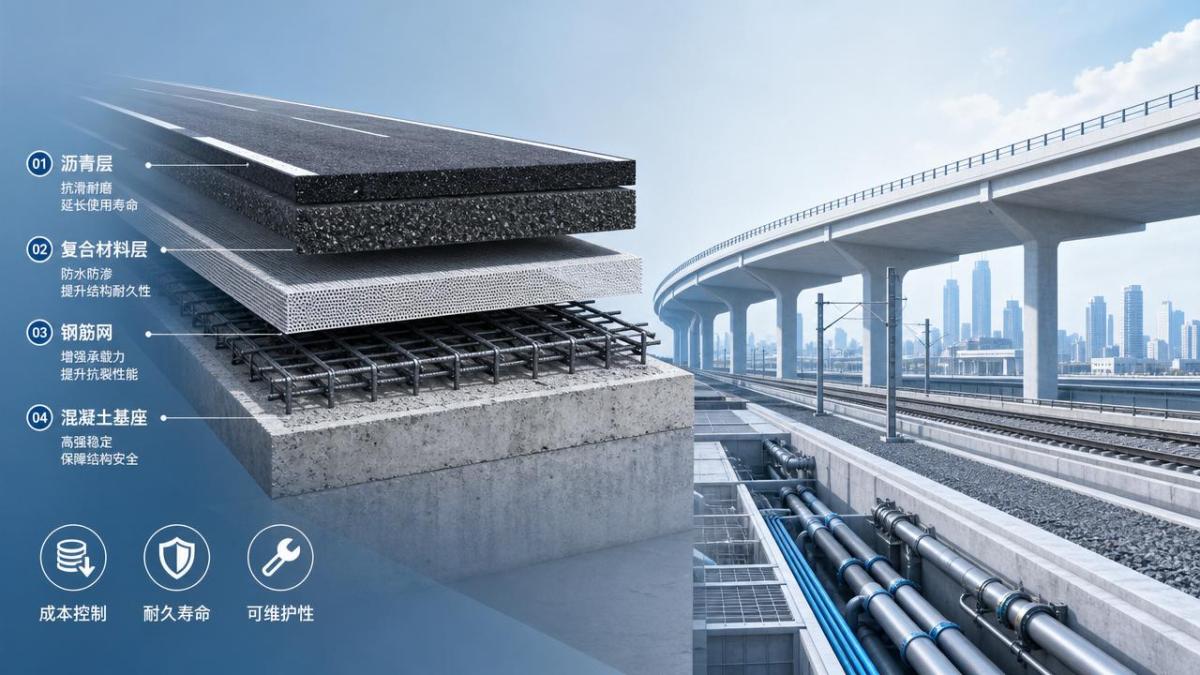
For knowledge platforms focused on infrastructure and urban technology, this connection is central.
A city does not become smarter only through sensors. It also needs durable roads, reliable grids, safe railways, and maintainable structures.
The cost of infrastructure construction materials is not only the purchase price
The most visible cost is the unit price of concrete, steel, asphalt, aggregates, timber, polymers, glass, or composite products.
Yet the real cost picture is wider. It includes transport, storage, waste, installation labor, testing, curing time, and quality control.
A cheaper material can increase cost if it slows construction or needs frequent replacement.
Likewise, premium infrastructure construction materials can reduce overall expenditure when they shorten schedules or cut maintenance cycles.
Direct cost factors
Direct cost includes purchase price, required quantities, availability, fabrication needs, and delivery distance.
High-grade steel may cost more per ton, but it can reduce member size in certain designs.
Low-carbon concrete may require admixtures or special curing, which changes both price and site planning.
Indirect cost factors
Indirect cost often appears later. Examples include corrosion treatment, resurfacing, waterproofing repairs, and traffic disruption during maintenance.
These costs matter because infrastructure assets usually serve communities for decades, not seasons.
When material selection ignores lifecycle cost, the project budget may look healthy at handover but deteriorate during operation.
How materials influence service life
Lifespan depends on structural design, workmanship, maintenance, and operating conditions.
Still, infrastructure construction materials form the baseline. They determine how an asset responds to load, moisture, heat, chemicals, abrasion, and fatigue.
Concrete durability depends on mix design, water-cement ratio, permeability, reinforcement protection, and exposure class.
Steel performance depends on grade, coating, fatigue resistance, connection quality, and corrosion environment.
Asphalt pavement life depends on binder type, aggregate gradation, compaction, drainage, and temperature cycles.
Composite materials may offer corrosion resistance and weight savings, but require careful validation of fire behavior and long-term creep.
A long-life asset does not always use the strongest material. It uses the material best matched to the exposure and duty cycle.
Common material groups and their cost-lifespan trade-offs
Different infrastructure construction materials behave differently across asset types. A balanced view considers performance, constructability, and maintenance implications.
The right comparison is rarely “cheap versus expensive.”
The better question is whether the selected material reduces risk across construction, operation, maintenance, and renewal.
Where material decisions change project outcomes most
Material impact is strongest in projects exposed to heavy loads, harsh environments, tight schedules, or complex maintenance conditions.
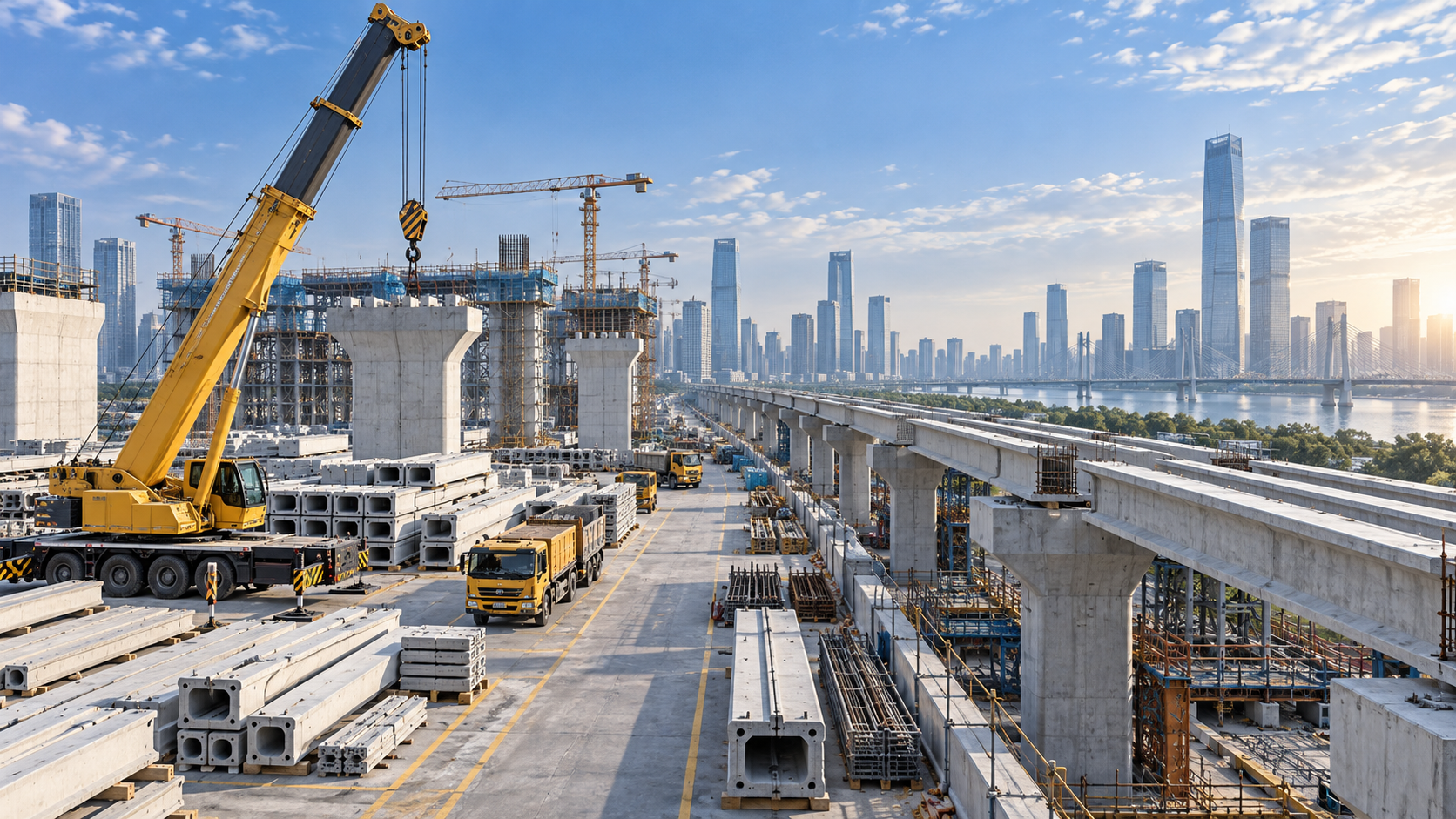
Railway corridors, highway bridges, marine structures, tunnels, high-rise cores, substations, and logistics hubs all show this clearly.
- Bridges require fatigue-resistant metals, durable decks, waterproofing systems, and corrosion protection.
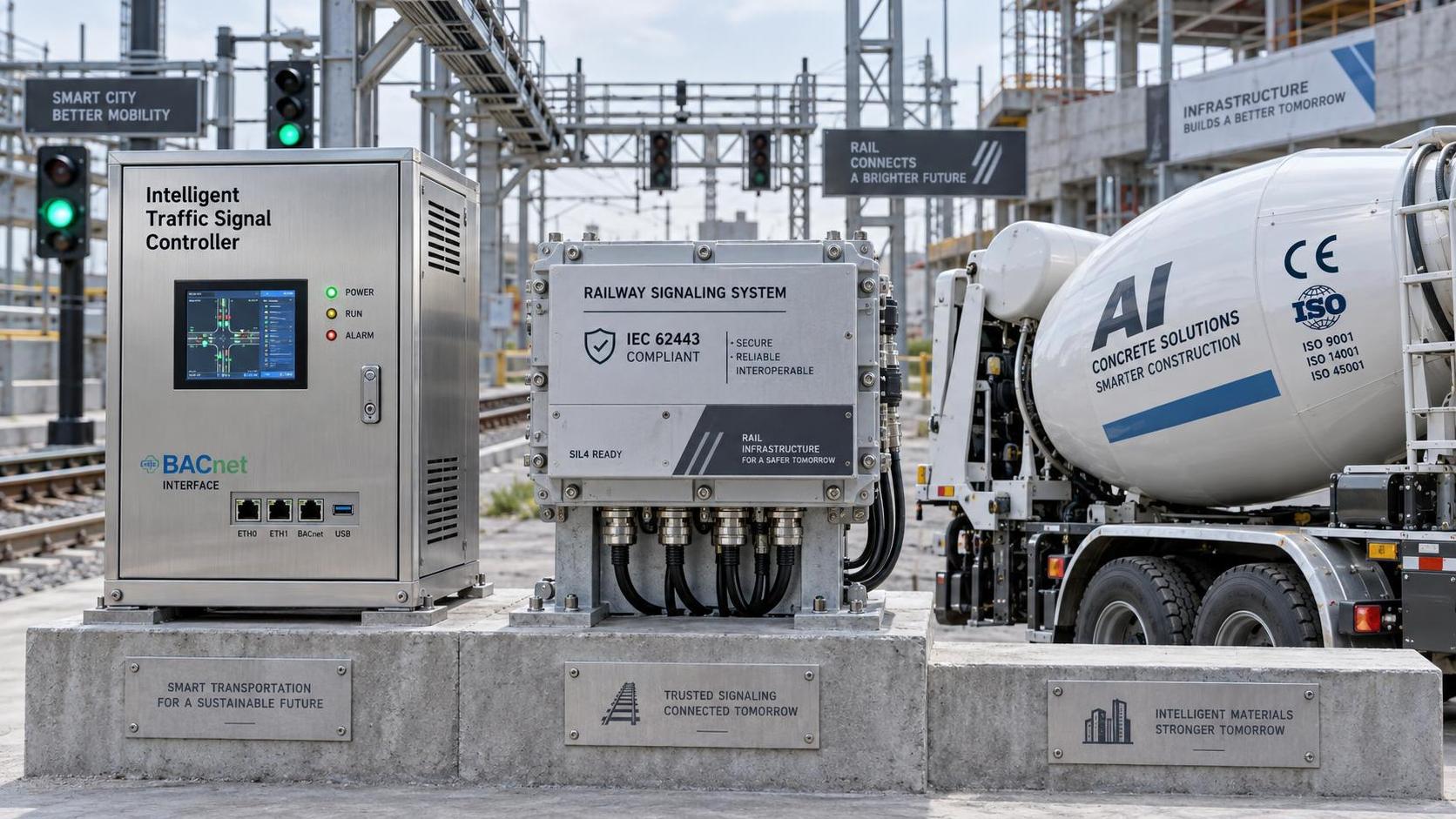
- Railways depend on track materials, ballast quality, slab systems, and signaling infrastructure protection.
- Smart buildings need structural reliability plus materials compatible with prefabrication and embedded systems.
- Urban utilities require pipes, coatings, seals, and access structures that tolerate pressure and chemicals.
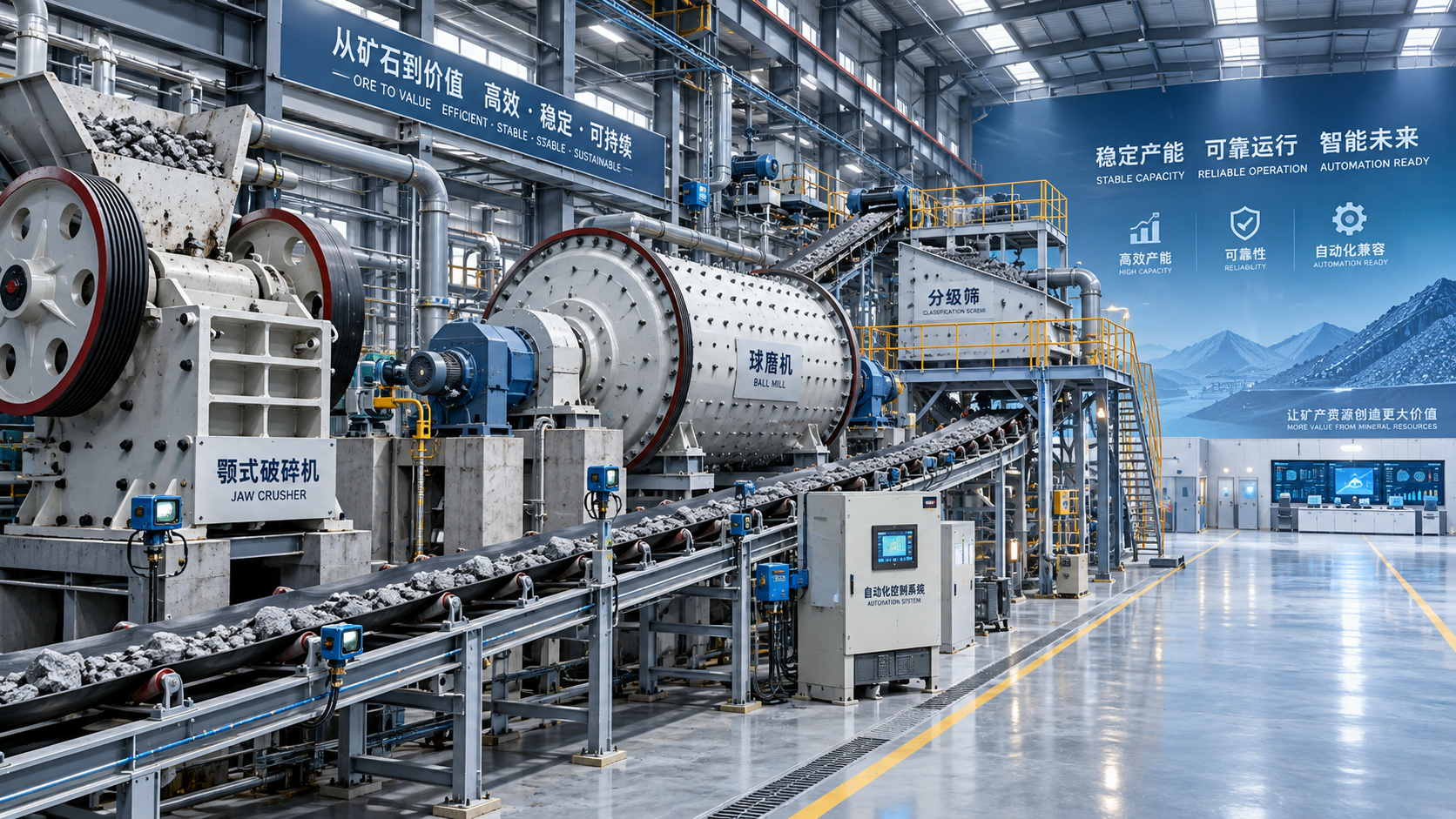
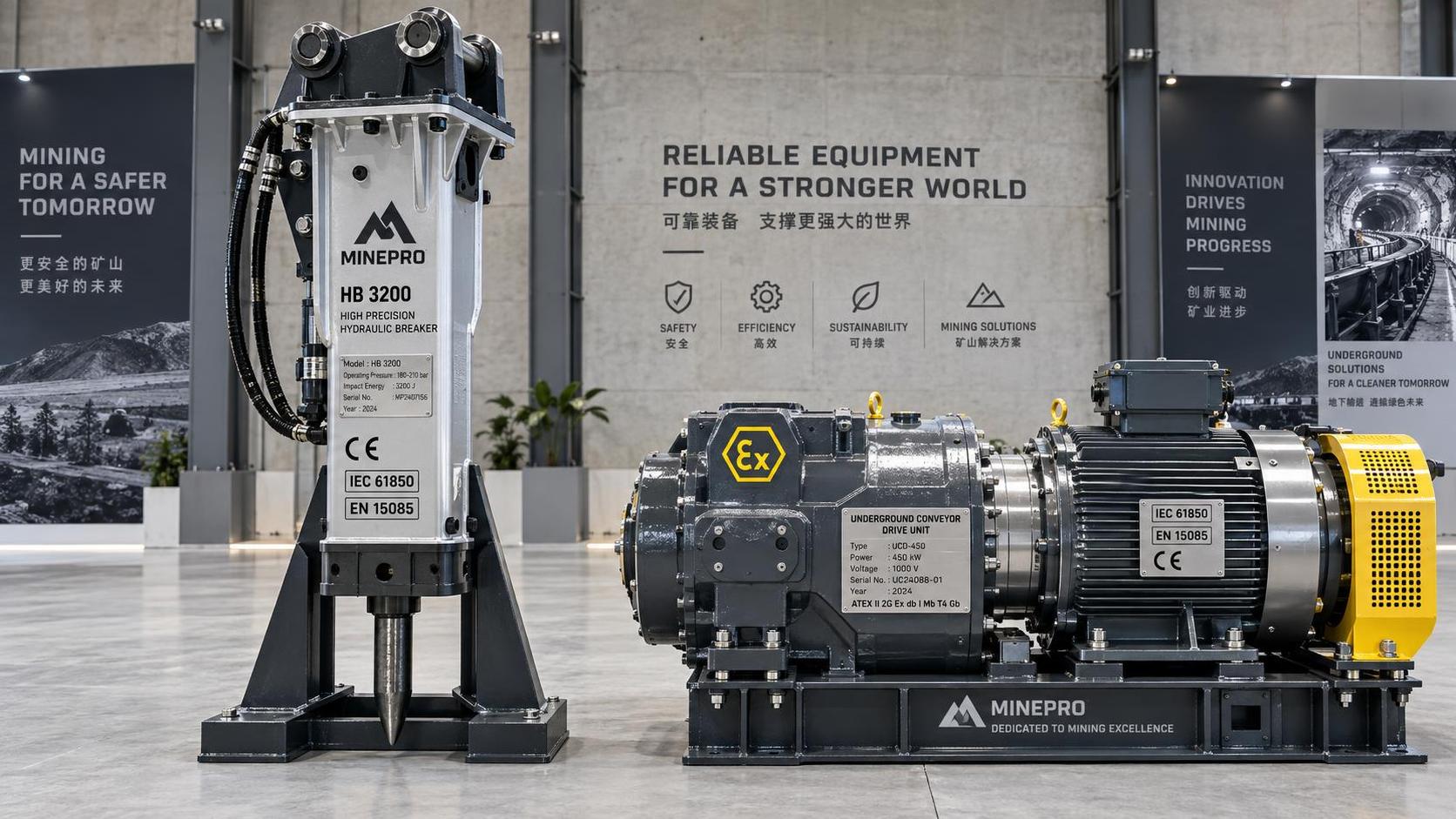
- Mining facilities need abrasion-resistant, impact-resistant, and safety-focused material systems.
These examples show why infrastructure construction materials cannot be evaluated separately from operating context.
A coastal bridge and an inland overpass may use similar drawings, but their material strategies should differ.
The growing role of digital planning and data
Digital tools are changing how infrastructure construction materials are specified, tracked, and evaluated.
Building information modeling, digital twins, sensor data, and asset management platforms make performance assumptions easier to test.
A digital twin can link material specifications with load history, weather exposure, inspection records, and maintenance scheduling.
This supports better decisions across the full asset lifecycle.
For example, pavement materials can be selected using traffic forecasts and climate data, not only historic design manuals.
Bridge components can be monitored for corrosion or fatigue, allowing maintenance before failures become expensive interventions.
This is where infrastructure intelligence becomes practical. Data does not replace engineering judgment, but it makes trade-offs more visible.
Sustainability changes the cost equation
Sustainable infrastructure is not simply about choosing greener labels.
It requires measuring embodied carbon, operational impact, durability, repair frequency, resource efficiency, and end-of-life options.
Low-carbon cement, recycled aggregates, reclaimed asphalt, mass timber, and geopolymer concrete are gaining attention.
However, they must meet the same reliability expectations as conventional infrastructure construction materials.
A material with lower embodied carbon may still be unsuitable if it shortens service life or increases repair frequency.
Conversely, a durable material can reduce environmental impact by extending replacement intervals and lowering disruption.
The most useful sustainability assessment combines carbon accounting with lifecycle cost analysis and performance verification.
Procurement and supply chain risks should be part of selection
Material performance matters, but availability can decide whether a project stays on schedule.
Infrastructure construction materials are exposed to global price swings, regional shortages, energy costs, and transport disruption.
A technically strong specification may create risk if only one supplier can deliver it reliably.
Balanced procurement considers lead times, substitute materials, local production capacity, certification status, and quality consistency.
This is especially important for prefabricated construction, rail systems, tunnels, and specialized equipment interfaces.
In practice, material selection should involve design, scheduling, logistics, quality, and maintenance perspectives before final approval.
A practical framework for comparing material options
A useful comparison starts by defining the asset’s required service life and exposure conditions.
Then the evaluation should move beyond price sheets and include evidence of field performance.
- Confirm structural requirements, design codes, and exposure classes.
- Compare lifecycle cost, not only material purchase cost.
- Check supplier reliability, test documentation, and certification records.
- Assess constructability, curing needs, installation tolerances, and site skills.
- Model maintenance intervals, repair access, and downtime impact.
- Review embodied carbon, recyclability, and local resource availability.
This framework helps clarify where infrastructure construction materials create value and where they introduce hidden risk.
It also improves communication between design teams, contractors, owners, and asset operators.
Quality control determines whether the selected material performs
Even the best specification can fail if quality control is weak.
Concrete strength tests, weld inspections, asphalt compaction checks, coating thickness records, and material traceability all protect lifecycle value.
Field workmanship is especially important for infrastructure construction materials that depend on curing, bonding, sealing, or precise placement.
Small deviations can become major defects after years of load, moisture, and thermal movement.
Quality planning should therefore start before delivery.
Clear acceptance criteria, sample testing, inspection schedules, and documentation systems reduce disputes and support future maintenance decisions.
Making better decisions across the asset lifecycle
The strongest material decision is rarely the most expensive option. It is the option that fits purpose, context, and lifecycle strategy.
Infrastructure construction materials should be evaluated as part of a connected system, including design, construction, operation, and renewal.
That approach supports safer assets, more stable budgets, and better long-term public value.
Before finalizing specifications, it is worth reviewing material choices against cost, durability, carbon, supply, and maintainability.
The next step is to build a comparison matrix for the specific asset type and operating environment.
With reliable data and disciplined evaluation, infrastructure construction materials become a tool for engineering resilience, not just a line in the budget.
Get weekly intelligence in your inbox.
No noise. No sponsored content. Pure intelligence.
News Recommendations
 Sep 19, 2026How an electronics application guide helps prevent component mismatchHow an electronics application guide helps prevent component mismatch
 Sep 18, 2026When a resource allocation platform improves project deliveryWhen a resource allocation platform improves project delivery
 Sep 17, 2026What to compare when evaluating mineral processing equipment manufacturersWhat to compare when evaluating mineral processing equipment manufacturers
 Sep 16, 2026How mineral separation optimization can reduce concentrate lossesHow mineral separation optimization can reduce concentrate losses
 Sep 15, 2026How to assess lifecycle costs in urban tech procurementHow to assess lifecycle costs in urban tech procurement
 Sep 14, 2026Heavy industry technology trends reshaping capital investment prioritiesHeavy industry technology trends reshaping capital investment priorities
 Sep 14, 2026Global Industrial Equipment Procurement: How Top OEMs Qualify Suppliers for Mining & Infrastructure ProjectsGlobal Industrial Equipment Procurement: How Top OEMs Qualify Suppliers for Mining & Infrastructure Projects
 Sep 14, 2026Industrial & Mining Equipment Procurement: Balancing Local Sourcing, Lead Time, and Certification RequirementsIndustrial & Mining Equipment Procurement: Balancing Local Sourcing, Lead Time, and Certification Requirements
 Sep 14, 2026Infrastructure & Equipment Upgrades: What Procurement Teams Must Verify Before Signing Off on New ContractsInfrastructure & Equipment Upgrades: What Procurement Teams Must Verify Before Signing Off on New Contracts
 Sep 14, 2026Why Infrastructure Equipment Buyers Are Shifting from Catalog-Based to Capability-Based Supplier SelectionWhy Infrastructure Equipment Buyers Are Shifting from Catalog-Based to Capability-Based Supplier Selection
 Sep 14, 2026Process Automation Project Execution: How to Align Supplier Capabilities with PLC Integration, Cybersecurity & Commissioning MilestonesProcess Automation Project Execution: How to Align Supplier Capabilities with PLC Integration, Cybersecurity & Commissioning Milestones
 Sep 14, 2026Are intelligent traffic systems worth the investment for small cities?Are intelligent traffic systems worth the investment for small cities?
 Sep 14, 2026How do intelligent traffic systems handle sensor failures?How do intelligent traffic systems handle sensor failures?
 Sep 14, 2026What should I check before accepting a smart building system?What should I check before accepting a smart building system?
 Sep 14, 2026Is a smart building system worth the maintenance cost?Is a smart building system worth the maintenance cost?
 Sep 14, 2026What data is needed for reliable resource allocation planning?What data is needed for reliable resource allocation planning?
 Sep 14, 2026How can resource allocation software reduce equipment idle time?How can resource allocation software reduce equipment idle time?
 Sep 14, 2026How should smart devices be maintained in harsh outdoor conditions?How should smart devices be maintained in harsh outdoor conditions?
 Sep 14, 2026Do smart devices improve worker safety on construction sites?Do smart devices improve worker safety on construction sites?
 Sep 14, 2026What environmental risks must be assessed before deep-sea mining?What environmental risks must be assessed before deep-sea mining?
 Sep 14, 2026Is deep-sea mining equipment commercially viable in 2026?Is deep-sea mining equipment commercially viable in 2026?
 Sep 14, 2026What Inspection Checks Should Procurement Teams Perform Before Ordering Dredging Equipment in 2026?What Inspection Checks Should Procurement Teams Perform Before Ordering Dredging Equipment in 2026?
 Sep 13, 2026How to verify an industrial product information source before specifying equipmentHow to verify an industrial product information source before specifying equipment
 Sep 12, 2026Which intelligent traffic systems hardware fits an urban intersection?Which intelligent traffic systems hardware fits an urban intersection?
 Sep 11, 2026How pump capacity affects response coverage for municipal fire fighting vehiclesHow pump capacity affects response coverage for municipal fire fighting vehicles
 Sep 10, 2026What to verify before choosing a heavy industry equipment supplierWhat to verify before choosing a heavy industry equipment supplier
 Sep 09, 2026When do adaptive urban traffic control systems reduce corridor delays?When do adaptive urban traffic control systems reduce corridor delays?