Civil Engineering Projects in 2026: Delays, Cost Pressure, and Fixes
In 2026, civil engineering projects are being squeezed from three sides at once: slower approvals, higher input costs, and less tolerance for missed milestones.
That combination is not just frustrating. It changes bidding strategy, construction sequencing, procurement timing, and stakeholder communication from day one.
For teams managing roads, rail, utility upgrades, smart city assets, or major building works, the real question is simple: where do delays start, and what actually works to stop them?
The short answer is this. Most civil engineering projects do not fail because of one dramatic event. They drift off course through small planning gaps, slow decisions, weak cost visibility, and disconnected field data.
The good news is that many of these issues are fixable. With tighter controls, earlier risk reviews, and better use of digital intelligence, project outcomes can improve without waiting for market conditions to ease.
Why civil engineering projects are slipping in 2026
The pressure on civil engineering projects is broader than concrete, steel, and labor. Urban complexity, carbon targets, equipment availability, and fragmented supply chains now affect delivery every week.
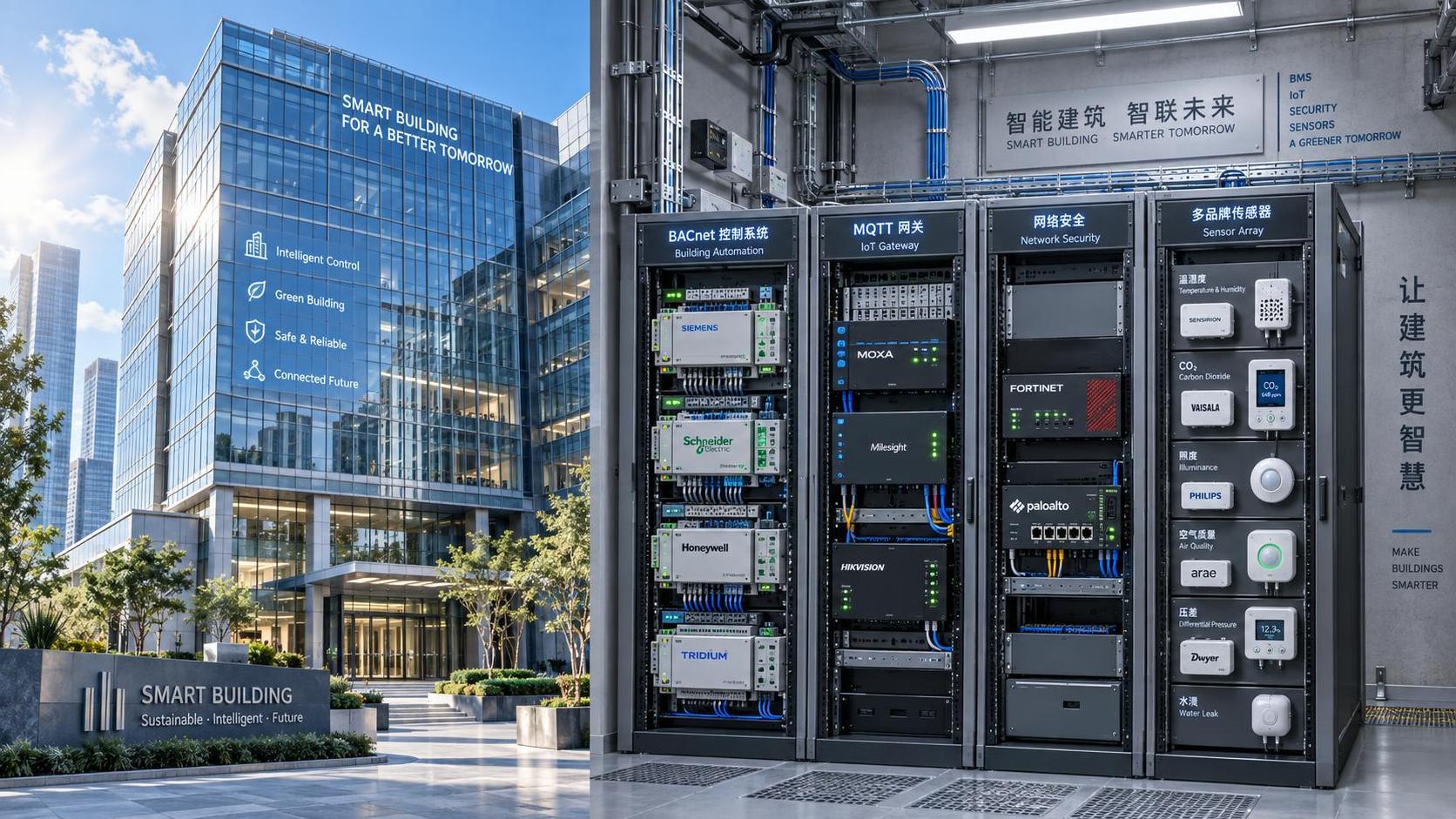
For GIUT, this matters across the full infrastructure chain, from construction and smart building to railway systems, urban governance platforms, heavy equipment, and resource-linked logistics.
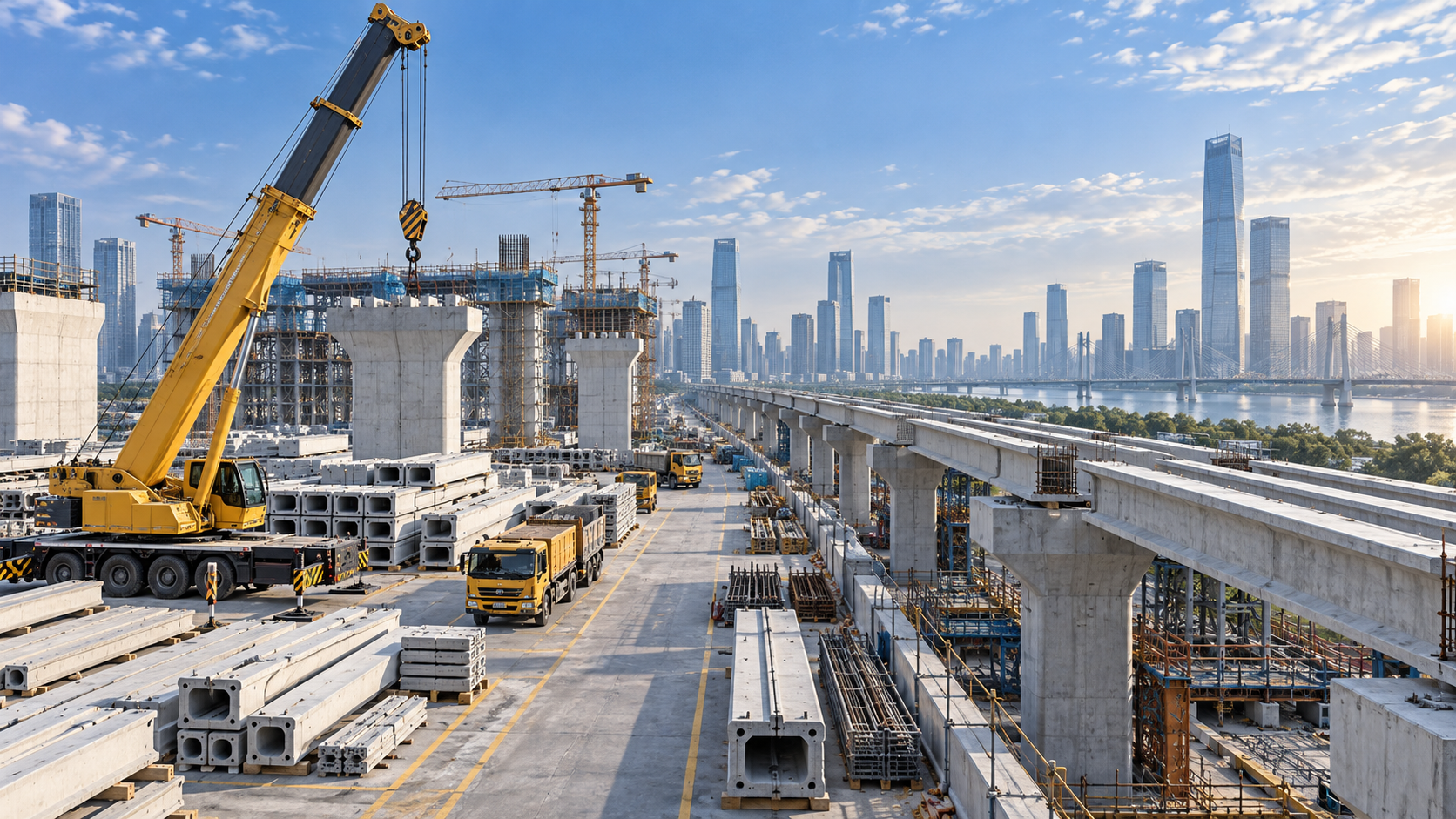
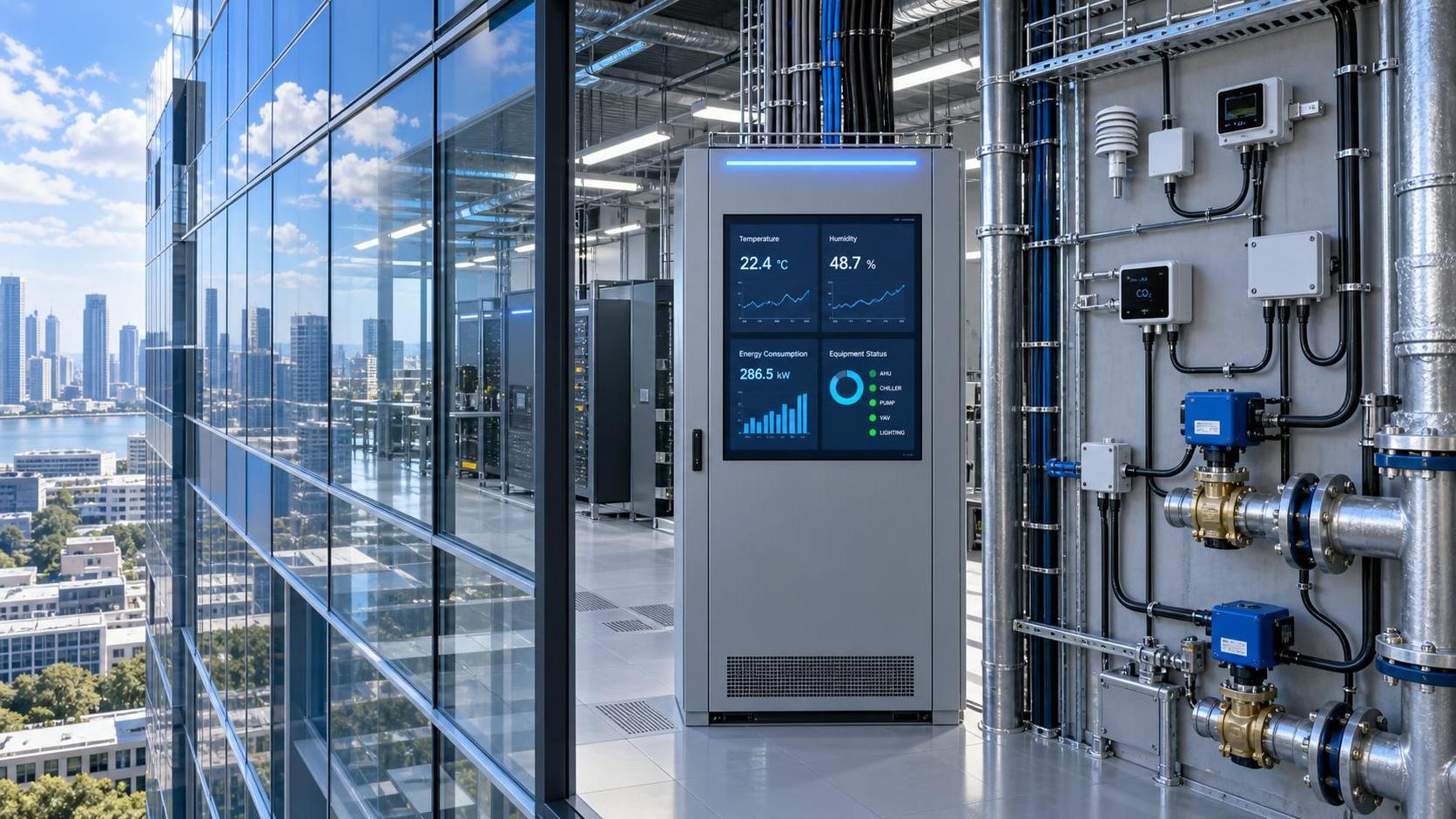
[Image 01: 2026 civil engineering project dashboard showing schedule risk, cost escalation, procurement status, and smart site data]
A bridge package can be delayed by rebar pricing, but also by signaling interface changes, utility relocation, permit lag, or late equipment mobilization.
That is why strong project control now depends on connected visibility. GIUT’s cross-sector view is useful here because many civil engineering projects no longer operate in a single discipline.
- Start with a weekly delay map. Track design approvals, site access, utility conflicts, material arrivals, and crew productivity together, not in separate logs that hide the real critical path.
- Rebuild the estimate every month using live supplier quotes, fuel trends, wage shifts, and equipment rental changes. Static budgets make civil engineering projects look healthier than they are.
- Lock interface ownership early. When transport systems, smart grid assets, drainage, and structures overlap, assign one accountable lead per interface before construction starts.
- Use short decision deadlines for pending RFIs and change approvals. Small unanswered questions often create the biggest hidden delays on active civil engineering projects.
- Separate controllable risks from market risks. Teams can still improve sequencing, procurement timing, and field coordination even when commodity prices remain unstable.
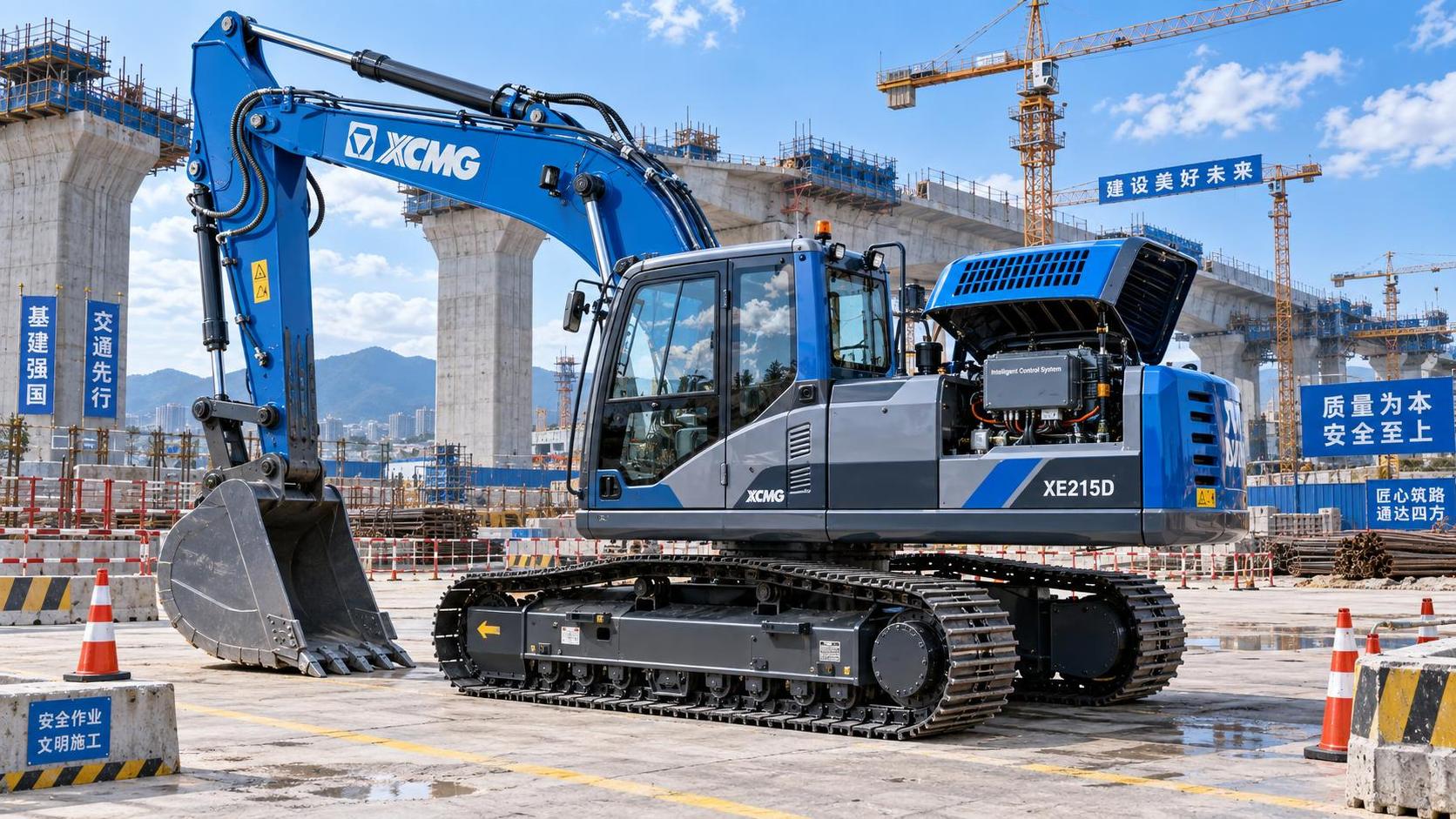
- Review equipment dependency by work package. One unavailable crane, mixer, or specialist vehicle can slow multiple activities if backup planning is missing.
Seven fixes that protect schedule and cost
The most effective fixes are usually practical, not flashy. They focus on decision speed, scope discipline, procurement realism, and field-level feedback.
1) Recheck the baseline before the first major pour
Many civil engineering projects carry an approved baseline that no longer matches actual conditions. That mismatch becomes expensive once crews are mobilized.
Before heavy execution begins, confirm quantities, access assumptions, subcontractor readiness, and approval status. If the baseline is wrong, fix it early and visibly.
2) Buy long-lead items earlier than feels comfortable
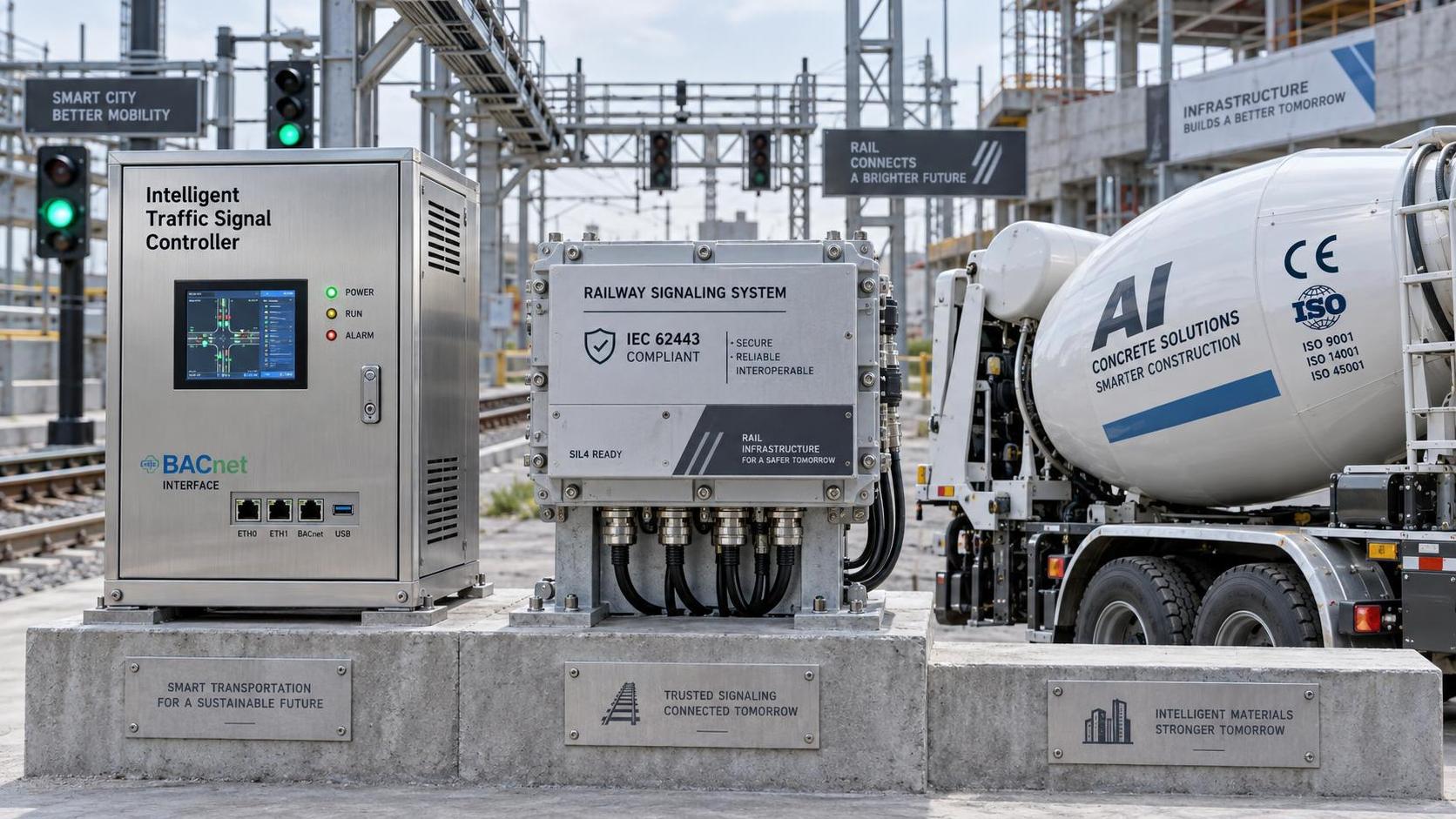
Long-lead risk in civil engineering projects now extends beyond structural materials. Switchgear, signaling devices, pumps, control systems, and specialized vehicle components can all slip.
Early procurement only works if specifications are stable enough. Otherwise, rushed buying creates change orders later. The balance is speed with controlled scope.
3) Turn site reporting into action, not paperwork
Daily logs are common, but useful reporting is still rare. Good reports show where production dropped, why it dropped, and what decision is needed by tomorrow.
This is where digital-twin thinking helps. GIUT often highlights that civil engineering projects improve when physical progress and management decisions are linked in near real time.
4) Treat utility relocation as a core workstream
On transport, urban renewal, and smart infrastructure jobs, utilities are still underestimated. Water, fiber, power, and drainage conflicts regularly break sequencing plans.
If utility coordination is handled as a side issue, civil engineering projects lose time in small but repeated stoppages that are hard to recover.
5) Put a price on every scope change immediately
Scope drift is one of the fastest ways to weaken budget control. Even minor design changes can affect sequencing, equipment needs, traffic management, and labor mix.
The fix is simple. Price the change, assess schedule effect, assign approval owner, and set a response date before work proceeds.
6) Watch subcontractor health, not just progress
A subcontractor may appear on schedule while cash flow, staffing, or supply relationships are already weakening. That hidden fragility can disrupt civil engineering projects suddenly.
Check manpower stability, payment exposure, plant access, and current workload across other jobs. The earlier trouble appears, the more options remain.
7) Build recovery plans before recovery is needed
Waiting until milestones are missed usually costs more. Strong teams create pre-agreed recovery triggers tied to slippage levels, production rates, or late approvals.
That may include alternate suppliers, weekend work windows, resequencing, modular methods, or temporary equipment substitution.
What this looks like in real project settings
Urban transport and smart corridor work
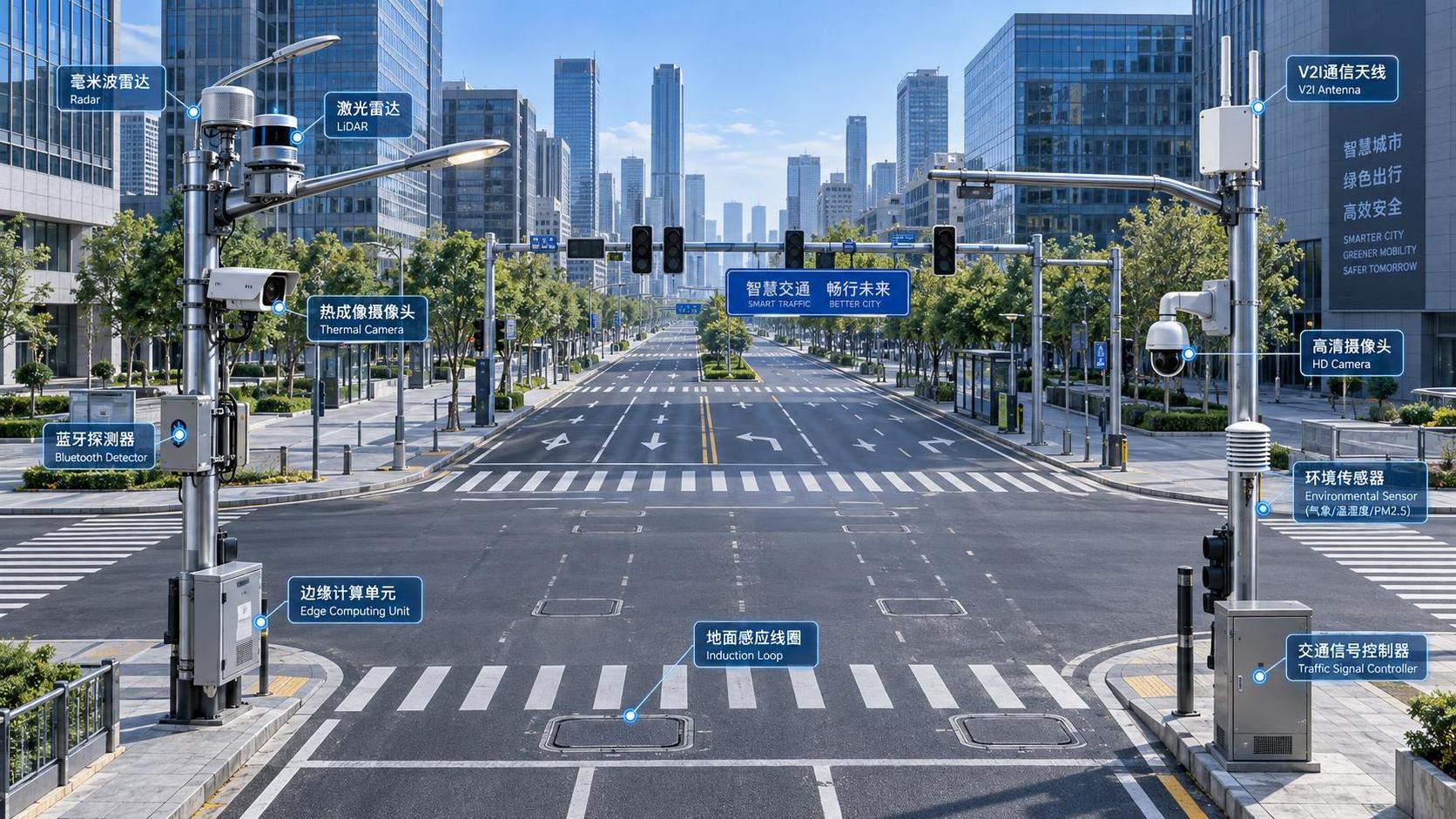
Civil engineering projects in dense cities rarely fail because of one main structure. They slip when traffic staging, utility diversions, sensor systems, and local approvals are managed separately.
The key checks are interface ownership, night-shift access, and signaling or power dependencies. If those are visible early, schedule recovery becomes much more realistic.
Rail, logistics, and corridor expansion
In railway-linked civil engineering projects, the civil package is often ready before systems integration is. That creates idle time, claims pressure, and rework risk.
A stronger approach is to plan around possession windows, signaling readiness, and maintenance constraints from the start, not after track and structures are underway.
Industrial and resource-connected infrastructure
Projects tied to mining, ports, utilities, or processing facilities often face remote logistics and specialist equipment delays. Cost pressure rises fast when site productivity depends on a few critical assets.
That is why civil engineering projects in these settings need tighter plant planning, fuel assumptions, and weather-linked contingency than standard urban jobs.
Common misses that quietly damage performance
Some risks are obvious. Others are easy to overlook because they do not appear dramatic until the schedule is already under stress.
- Do not rely on overall percent complete alone. Civil engineering projects can look on track while critical interfaces, approvals, or commissioning dependencies are quietly slipping.
- Avoid treating sustainability requirements as late-stage compliance. Carbon reporting, material substitution, and waste handling can affect procurement choices and construction methods early.
- Check whether field data is trusted. If crews and managers use different versions of progress, production meetings become slow and recovery actions lose credibility.
- Do not underestimate weather-linked productivity. The issue is rarely rain alone; it is access loss, material protection, equipment downtime, and disrupted sequence.
- Review stakeholder response times as a project risk. Delayed owner, regulator, or utility decisions can undermine otherwise strong delivery teams.
A practical operating rhythm for the next 90 days
If civil engineering projects need a reset, it helps to keep the response simple and disciplined.
First, identify the top five schedule threats by work package. Second, reforecast cost using current market inputs. Third, close the oldest unresolved decisions within one review cycle.
Then connect site reporting, procurement status, and interface management in one shared view. That is often enough to expose where delays are really forming.
GIUT’s broader infrastructure lens is useful here because modern civil engineering projects sit inside larger systems. Buildings connect to grids. Rail connects to digital controls. Heavy equipment affects productivity and safety. Data ties them together.
In 2026, the best results will not come from hoping cost pressure fades. They will come from earlier visibility, faster decisions, and tighter execution discipline.
If a project is already under strain, start with the basics: validate the baseline, stress-test procurement, check interface ownership, and make field data usable. Those four steps usually reveal the next right move.
That is how civil engineering projects stay credible when conditions stay difficult: by acting early, measuring honestly, and fixing the few issues that actually move schedule and cost.
Get weekly intelligence in your inbox.
No noise. No sponsored content. Pure intelligence.
News Recommendations
 Sep 19, 2026How an electronics application guide helps prevent component mismatchHow an electronics application guide helps prevent component mismatch
 Sep 18, 2026When a resource allocation platform improves project deliveryWhen a resource allocation platform improves project delivery
 Sep 17, 2026What to compare when evaluating mineral processing equipment manufacturersWhat to compare when evaluating mineral processing equipment manufacturers
 Sep 16, 2026How mineral separation optimization can reduce concentrate lossesHow mineral separation optimization can reduce concentrate losses
 Sep 15, 2026How to assess lifecycle costs in urban tech procurementHow to assess lifecycle costs in urban tech procurement
 Sep 14, 2026Heavy industry technology trends reshaping capital investment prioritiesHeavy industry technology trends reshaping capital investment priorities
 Sep 14, 2026Global Industrial Equipment Procurement: How Top OEMs Qualify Suppliers for Mining & Infrastructure ProjectsGlobal Industrial Equipment Procurement: How Top OEMs Qualify Suppliers for Mining & Infrastructure Projects
 Sep 14, 2026Industrial & Mining Equipment Procurement: Balancing Local Sourcing, Lead Time, and Certification RequirementsIndustrial & Mining Equipment Procurement: Balancing Local Sourcing, Lead Time, and Certification Requirements
 Sep 14, 2026Infrastructure & Equipment Upgrades: What Procurement Teams Must Verify Before Signing Off on New ContractsInfrastructure & Equipment Upgrades: What Procurement Teams Must Verify Before Signing Off on New Contracts
 Sep 14, 2026Why Infrastructure Equipment Buyers Are Shifting from Catalog-Based to Capability-Based Supplier SelectionWhy Infrastructure Equipment Buyers Are Shifting from Catalog-Based to Capability-Based Supplier Selection
 Sep 14, 2026Process Automation Project Execution: How to Align Supplier Capabilities with PLC Integration, Cybersecurity & Commissioning MilestonesProcess Automation Project Execution: How to Align Supplier Capabilities with PLC Integration, Cybersecurity & Commissioning Milestones
 Sep 14, 2026Are intelligent traffic systems worth the investment for small cities?Are intelligent traffic systems worth the investment for small cities?
 Sep 14, 2026How do intelligent traffic systems handle sensor failures?How do intelligent traffic systems handle sensor failures?
 Sep 14, 2026What should I check before accepting a smart building system?What should I check before accepting a smart building system?
 Sep 14, 2026Is a smart building system worth the maintenance cost?Is a smart building system worth the maintenance cost?
 Sep 14, 2026What data is needed for reliable resource allocation planning?What data is needed for reliable resource allocation planning?
 Sep 14, 2026How can resource allocation software reduce equipment idle time?How can resource allocation software reduce equipment idle time?
 Sep 14, 2026How should smart devices be maintained in harsh outdoor conditions?How should smart devices be maintained in harsh outdoor conditions?
 Sep 14, 2026Do smart devices improve worker safety on construction sites?Do smart devices improve worker safety on construction sites?
 Sep 14, 2026What environmental risks must be assessed before deep-sea mining?What environmental risks must be assessed before deep-sea mining?
 Sep 14, 2026Is deep-sea mining equipment commercially viable in 2026?Is deep-sea mining equipment commercially viable in 2026?
 Sep 14, 2026What Inspection Checks Should Procurement Teams Perform Before Ordering Dredging Equipment in 2026?What Inspection Checks Should Procurement Teams Perform Before Ordering Dredging Equipment in 2026?
 Sep 13, 2026How to verify an industrial product information source before specifying equipmentHow to verify an industrial product information source before specifying equipment
 Sep 12, 2026Which intelligent traffic systems hardware fits an urban intersection?Which intelligent traffic systems hardware fits an urban intersection?
 Sep 11, 2026How pump capacity affects response coverage for municipal fire fighting vehiclesHow pump capacity affects response coverage for municipal fire fighting vehicles
 Sep 10, 2026What to verify before choosing a heavy industry equipment supplierWhat to verify before choosing a heavy industry equipment supplier
 Sep 09, 2026When do adaptive urban traffic control systems reduce corridor delays?When do adaptive urban traffic control systems reduce corridor delays?