How to Compare Infrastructure Construction Materials by Lifecycle Cost
Choosing infrastructure construction materials by sticker price alone is usually where long-term cost problems begin. A cheaper option can look efficient on bid day, then become expensive through repairs, shutdowns, wasted labor, and early replacement.
A better comparison starts with lifecycle cost. That means looking at purchase, transport, installation, maintenance, energy impact, service life, risk exposure, and end-of-life value together.
For projects shaped by smart cities, rail networks, utilities, heavy industry, and public infrastructure, this approach creates more stable decisions. It also aligns with GIUT’s view that strong infrastructure should be engineered for resilience, intelligence, and sustainability.
Start with the real cost baseline
Before comparing infrastructure construction materials, define what “cost” includes for the asset. If the baseline is incomplete, every later comparison becomes misleading.
A bridge deck, station platform, utility trench, or industrial floor may use similar material categories, but the lifecycle cost drivers are rarely identical.
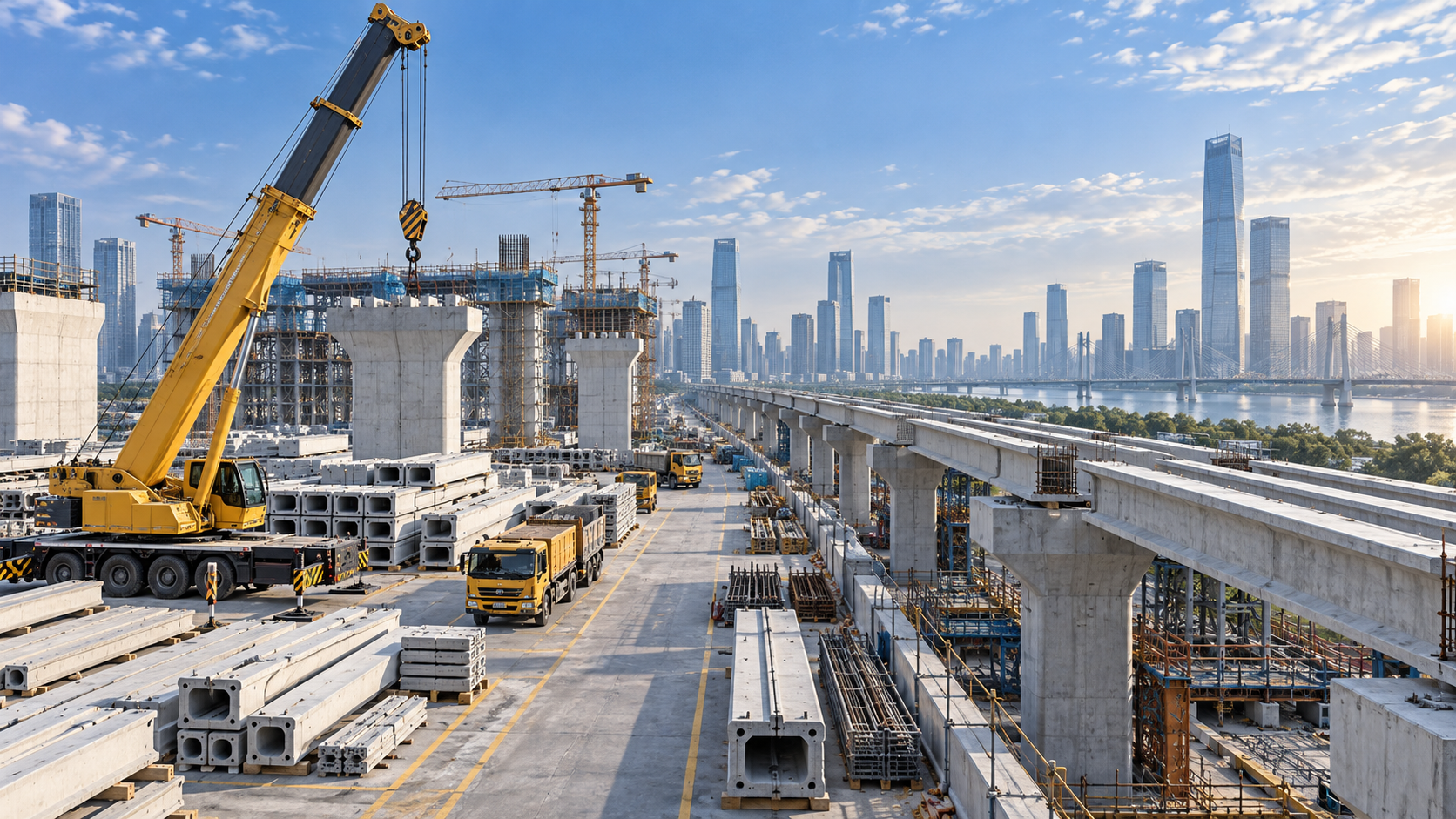
[Image 01: Lifecycle cost comparison framework for infrastructure construction materials]
That is why the first step is not choosing a material. It is defining the service environment, expected lifespan, maintenance access, safety criticality, and performance thresholds.
- Set the design life first, then compare infrastructure construction materials against the same service period, such as 20, 30, or 50 years, to avoid distorted cost results.
- Use one cost structure for every option: purchase, freight, storage, installation, inspection, maintenance, downtime, replacement, disposal, and residual value, so decisions stay consistent.
- Define operating conditions clearly, including moisture, salt exposure, vibration, heavy loads, chemical contact, and temperature swings, because lifecycle cost changes fast when conditions are harsh.
- Check access for repair crews and equipment early, since a material that is easy to fix in a workshop may be costly on elevated rail, tunnels, or dense urban sites.
- Separate routine maintenance from failure-driven maintenance, because planned servicing is manageable, while unplanned closure, emergency labor, and traffic disruption usually create the biggest cost gap.
What often gets missed first
Transport and installation constraints are often underestimated. Heavy or oversized materials may need route permits, lifting equipment, extra staging space, or off-hour delivery windows.
On paper, the material still looks affordable. In reality, site logistics can erase the initial savings before the asset is even commissioned.
Compare performance before comparing price
Lifecycle cost only works when the compared materials meet the same functional target. If one option performs worse, the lower cost is not a true saving.
This matters across GIUT sectors, from smart building envelopes and rail components to mining facilities and heavy equipment support structures.
- Match each material to a required performance level, including strength, corrosion resistance, fire behavior, wear tolerance, and dimensional stability, before putting numbers into a cost model.
- Review failure modes, not just specifications, because infrastructure construction materials can meet lab standards yet fail early from fatigue, poor joints, or field contamination.
- Use local climate and usage data where possible, since freeze-thaw cycles, coastal salt, dust, and heavy axle loads often change the best material choice.
- Ask how performance degrades over time, not only how it performs when new, because many lifecycle cost errors come from assuming stable condition curves.
- Confirm compatibility with adjacent systems, such as coatings, fasteners, sensors, drainage layers, or prefabricated modules, to prevent hidden rework and premature deterioration.
A practical example
Consider reinforced concrete versus a higher-cost corrosion-resistant solution in a coastal transport corridor. The lower upfront option may still lose once patching cycles, lane closures, and traffic management are included.
In contrast, on an inland secondary asset with light exposure, the same premium material may not pay back. Context is what turns material data into a real decision.
Use a simple lifecycle cost table that teams can trust
Complicated models often fail because nobody uses them consistently. A shorter, transparent table is usually better than a perfect spreadsheet that gets ignored.
This kind of table keeps discussion practical. It also helps teams connect engineering judgment with budget discipline, which is especially useful when assets support larger urban systems.
- Score each material using the same assumptions, data dates, and service life horizon, otherwise the lifecycle cost comparison becomes subjective and hard to defend later.
- Add a sensitivity check for labor inflation, maintenance frequency, and shutdown cost, because small changes in these inputs can overturn the cheapest-looking option.
- Document data quality for every number used, marking supplier quote, field history, engineering estimate, or benchmark source, so weak assumptions stay visible.
- Include a risk allowance when performance history is limited, especially for newer infrastructure construction materials with promising claims but short field records.
Adjust the comparison to the project setting
Not every asset should be evaluated the same way. The right infrastructure construction materials for a metro station, mine service road, and smart utility corridor will differ for good reason.
Urban and smart city assets
In dense urban projects, maintenance access is often the real cost driver. Night work, public disruption, noise limits, and traffic diversion can make routine repairs disproportionately expensive.
That usually favors infrastructure construction materials with longer maintenance intervals, better sensor compatibility, and predictable aging behavior.
Railway and logistics corridors
For rail and freight infrastructure, downtime carries a much higher penalty. A lower-cost material may fail the business case if replacement interrupts service windows or requires specialized crews.
Focus on fatigue resistance, repeatable installation quality, and the cost of possession during short maintenance windows.
Mining, industrial, and equipment-heavy sites
In mining and heavy equipment environments, abrasion, chemical exposure, impact loads, and remote logistics usually matter more than aesthetics or minor unit-price savings.
A tougher material often reduces total cost simply by reducing unplanned intervention in difficult-to-access locations.
- For urban projects, estimate the public disruption cost of each maintenance event, because access restrictions can make the cheapest installed material the most expensive to own.
- For rail assets, prioritize materials with stable quality control and short installation time, since possession windows are limited and delay costs multiply fast.
- For remote industrial sites, test supply reliability and spare availability, because infrastructure construction materials are only valuable when replacements can actually reach the site.
Watch the hidden risks behind low bids
Low bids are not always bad. But low bids without clear lifecycle assumptions are risky. The biggest cost surprises usually come from what was never priced properly.
- Be careful with warranty language, because a long warranty on infrastructure construction materials may exclude installation defects, exposure conditions, or indirect loss from service interruption.
- Check whether testing standards reflect real operating loads, since lab compliance alone may not represent vibration, moisture cycling, or mixed urban pollutants.
- Review contractor skill requirements early, because some materials perform well only when crews, curing controls, or joining methods are highly disciplined.
- Do not ignore replacement interface cost, especially when newer material systems require custom connectors, software integration, or nonstandard maintenance tools.
Another common mistake is treating sustainable materials as automatically more expensive. In many cases, lower embodied carbon, better recyclability, or lighter transport loads improve lifecycle cost rather than hurting it.
That is increasingly relevant as infrastructure programs connect budget performance with carbon reporting, resilience standards, and long-term urban governance targets.
Build a decision process that is easy to repeat
The most useful material evaluation process is the one people can repeat across projects. It should be rigorous enough for major assets and simple enough for everyday decisions.
- Start with three to five viable infrastructure construction materials, then eliminate options that fail performance thresholds before detailed commercial comparison begins.
- Create a weighted scorecard covering lifecycle cost, durability, installation complexity, sustainability, and supply risk, so the final choice is balanced and transparent.
- Use field history whenever available, including past defect rates and maintenance records, because real asset performance is more valuable than marketing claims.
- Run one final review with engineering, operations, and commercial inputs together, since material decisions often fail when teams optimize different outcomes separately.
- Keep a post-project feedback file for future tenders, so each infrastructure construction materials decision improves the next one with actual operating evidence.
That kind of closed-loop learning reflects the GIUT mindset well. Infrastructure decisions become stronger when data, field performance, and strategic planning inform each other instead of sitting in separate silos.
Make the next comparison easier
When comparing infrastructure construction materials, the real question is not which option is cheapest today. It is which option delivers the best value across the asset’s full working life.
A solid decision usually comes from five habits: define the service environment, compare equal performance levels, capture maintenance and downtime, test assumptions, and record field results.
If that process is followed consistently, material selection becomes less reactive and more strategic. The result is stronger infrastructure, steadier budgets, and choices that support a more resilient built environment.
For the next evaluation, start small: build one lifecycle cost table, stress-test two or three assumptions, and compare infrastructure construction materials on total ownership value rather than upfront price alone.
Get weekly intelligence in your inbox.
No noise. No sponsored content. Pure intelligence.
News Recommendations
 Sep 19, 2026How an electronics application guide helps prevent component mismatchHow an electronics application guide helps prevent component mismatch
 Sep 18, 2026When a resource allocation platform improves project deliveryWhen a resource allocation platform improves project delivery
 Sep 17, 2026What to compare when evaluating mineral processing equipment manufacturersWhat to compare when evaluating mineral processing equipment manufacturers
 Sep 16, 2026How mineral separation optimization can reduce concentrate lossesHow mineral separation optimization can reduce concentrate losses
 Sep 15, 2026How to assess lifecycle costs in urban tech procurementHow to assess lifecycle costs in urban tech procurement
 Sep 14, 2026Heavy industry technology trends reshaping capital investment prioritiesHeavy industry technology trends reshaping capital investment priorities
 Sep 14, 2026Global Industrial Equipment Procurement: How Top OEMs Qualify Suppliers for Mining & Infrastructure ProjectsGlobal Industrial Equipment Procurement: How Top OEMs Qualify Suppliers for Mining & Infrastructure Projects
 Sep 14, 2026Industrial & Mining Equipment Procurement: Balancing Local Sourcing, Lead Time, and Certification RequirementsIndustrial & Mining Equipment Procurement: Balancing Local Sourcing, Lead Time, and Certification Requirements
 Sep 14, 2026Infrastructure & Equipment Upgrades: What Procurement Teams Must Verify Before Signing Off on New ContractsInfrastructure & Equipment Upgrades: What Procurement Teams Must Verify Before Signing Off on New Contracts
 Sep 14, 2026Why Infrastructure Equipment Buyers Are Shifting from Catalog-Based to Capability-Based Supplier SelectionWhy Infrastructure Equipment Buyers Are Shifting from Catalog-Based to Capability-Based Supplier Selection
 Sep 14, 2026Process Automation Project Execution: How to Align Supplier Capabilities with PLC Integration, Cybersecurity & Commissioning MilestonesProcess Automation Project Execution: How to Align Supplier Capabilities with PLC Integration, Cybersecurity & Commissioning Milestones
 Sep 14, 2026Are intelligent traffic systems worth the investment for small cities?Are intelligent traffic systems worth the investment for small cities?
 Sep 14, 2026How do intelligent traffic systems handle sensor failures?How do intelligent traffic systems handle sensor failures?
 Sep 14, 2026What should I check before accepting a smart building system?What should I check before accepting a smart building system?
 Sep 14, 2026Is a smart building system worth the maintenance cost?Is a smart building system worth the maintenance cost?
 Sep 14, 2026What data is needed for reliable resource allocation planning?What data is needed for reliable resource allocation planning?
 Sep 14, 2026How can resource allocation software reduce equipment idle time?How can resource allocation software reduce equipment idle time?
 Sep 14, 2026How should smart devices be maintained in harsh outdoor conditions?How should smart devices be maintained in harsh outdoor conditions?
 Sep 14, 2026Do smart devices improve worker safety on construction sites?Do smart devices improve worker safety on construction sites?
 Sep 14, 2026What environmental risks must be assessed before deep-sea mining?What environmental risks must be assessed before deep-sea mining?
 Sep 14, 2026Is deep-sea mining equipment commercially viable in 2026?Is deep-sea mining equipment commercially viable in 2026?
 Sep 14, 2026What Inspection Checks Should Procurement Teams Perform Before Ordering Dredging Equipment in 2026?What Inspection Checks Should Procurement Teams Perform Before Ordering Dredging Equipment in 2026?
 Sep 13, 2026How to verify an industrial product information source before specifying equipmentHow to verify an industrial product information source before specifying equipment
 Sep 12, 2026Which intelligent traffic systems hardware fits an urban intersection?Which intelligent traffic systems hardware fits an urban intersection?
 Sep 11, 2026How pump capacity affects response coverage for municipal fire fighting vehiclesHow pump capacity affects response coverage for municipal fire fighting vehicles
 Sep 10, 2026What to verify before choosing a heavy industry equipment supplierWhat to verify before choosing a heavy industry equipment supplier
 Sep 09, 2026When do adaptive urban traffic control systems reduce corridor delays?When do adaptive urban traffic control systems reduce corridor delays?