Mining Technology Innovations Reshaping Safer Extraction Operations
As extraction sites move deeper, operate faster, and face stricter safety expectations, mining technology innovations are becoming essential to safer, more controllable operations.
For quality control and safety teams, value is no longer limited to automation or dashboards.
The stronger value lies in reducing exposure, detecting hazards earlier, and standardizing decisions across complex mining environments.
This article answers key questions about mining technology innovations and their role in safer, resilient, performance-driven extraction operations.
What Do Mining Technology Innovations Mean for Safer Extraction?
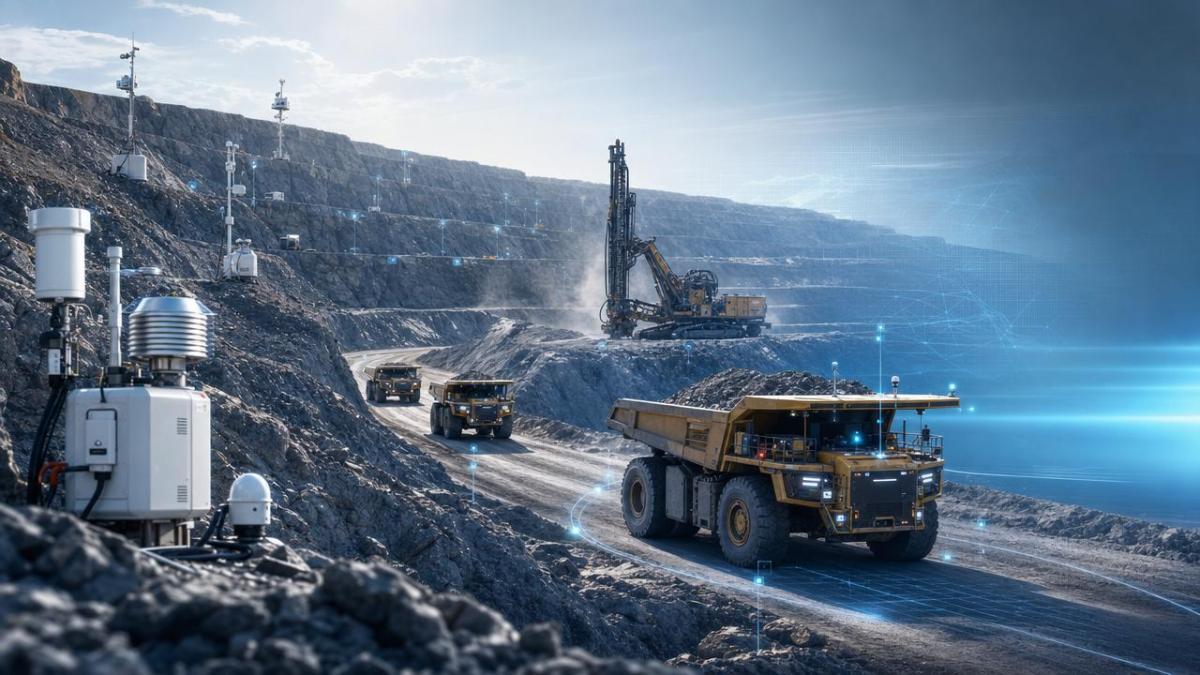
Mining technology innovations refer to digital, mechanical, sensing, and analytical systems that improve how extraction work is planned, executed, and controlled.
They include autonomous equipment, connected sensors, mine ventilation analytics, drone mapping, digital twins, predictive maintenance, and real-time worker safety systems.
The safety impact begins when people are removed from high-risk zones without losing operational visibility.
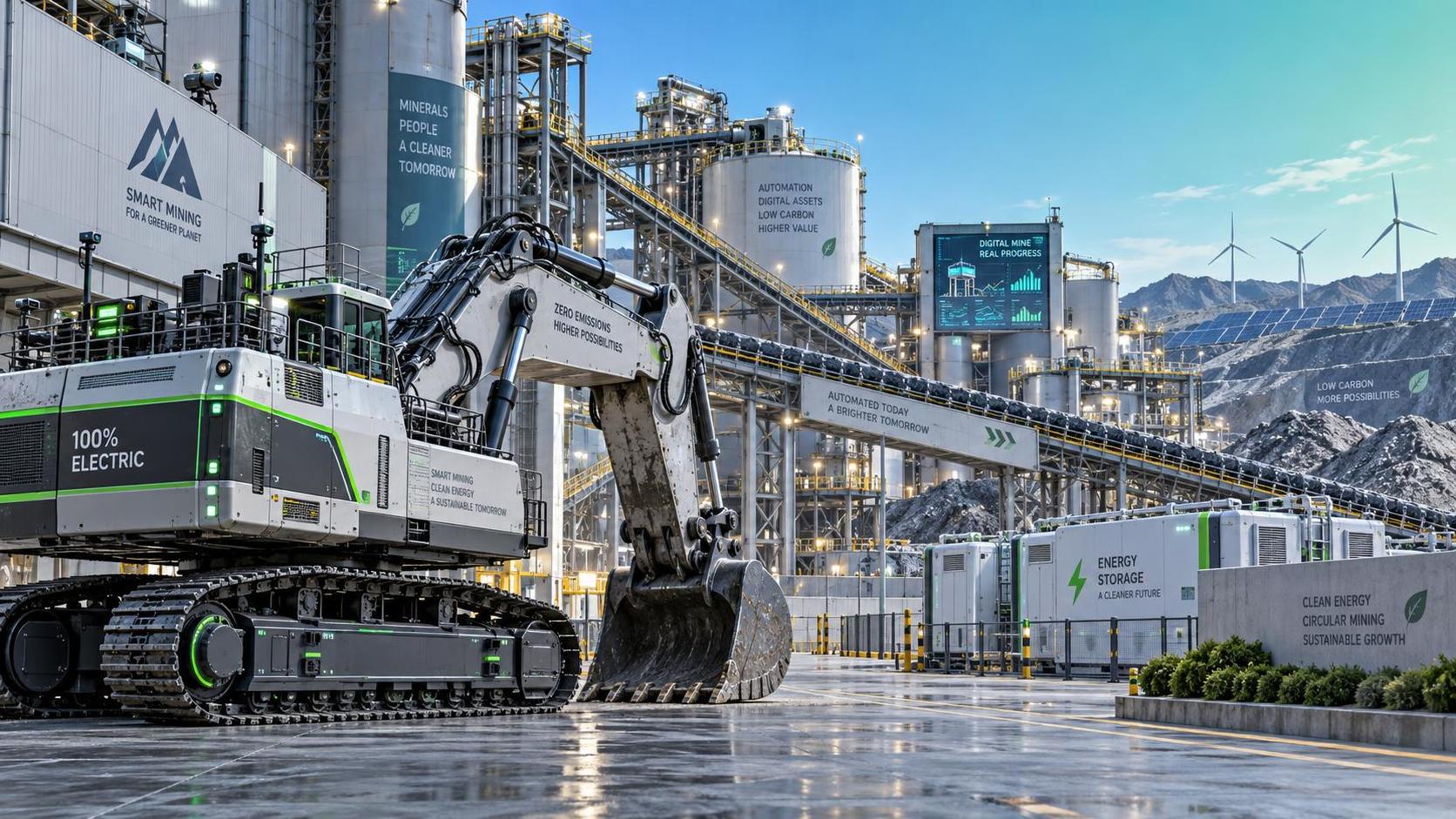
Remote operation centers can supervise drilling, hauling, crushing, and monitoring tasks from safer locations.
This shift changes mining from reactive control to continuous risk prevention.
Traditional safety depends heavily on inspections, experience, and delayed reporting.
Modern mining technology innovations add real-time data, automated alerts, and decision support to those proven field practices.
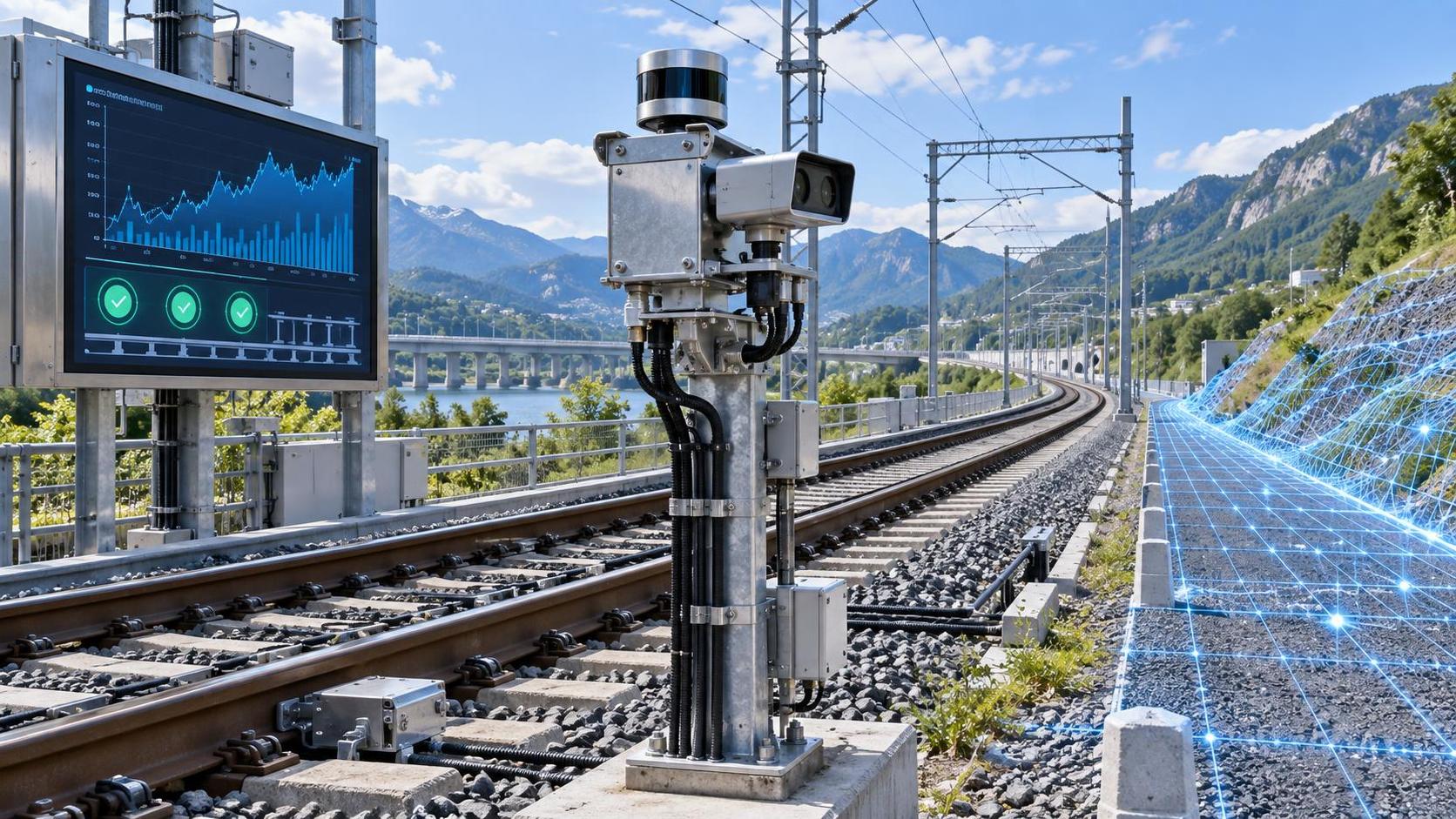
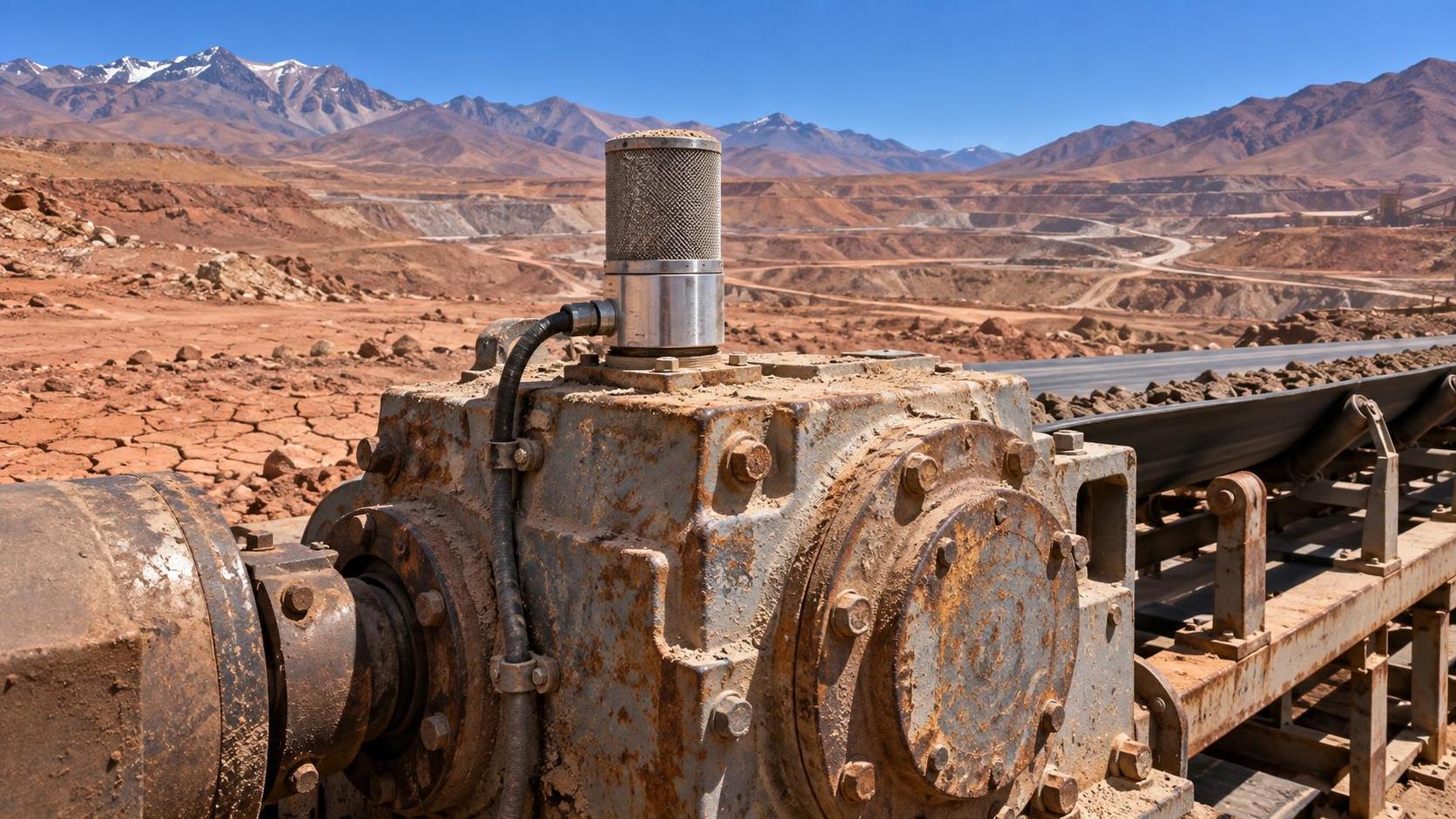
For example, ground movement sensors can identify instability before visible deformation appears.
Gas detection networks can trigger ventilation changes before concentration levels reach dangerous thresholds.
The core idea is simple: fewer blind spots create safer extraction.
In high-pressure mines, this matters because one delayed signal can affect workers, equipment, schedules, and environmental compliance.
Which Mining Technology Innovations Reduce Worker Exposure Most Effectively?
The strongest exposure reduction usually comes from autonomous and remote-controlled systems.
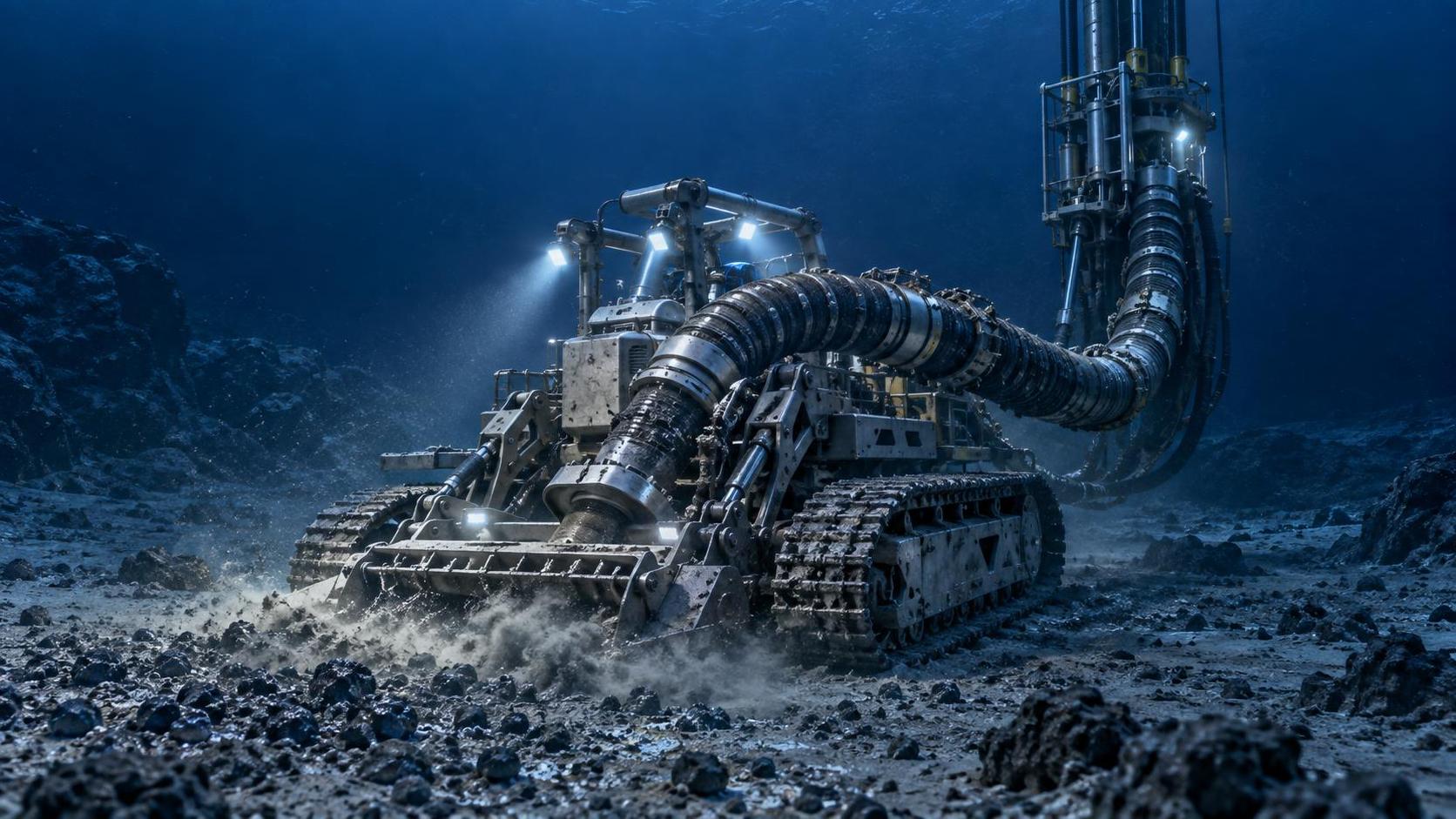
Autonomous haul trucks, remote loaders, robotic drilling rigs, and automated blasting preparation reduce time spent near unstable faces.
These mining technology innovations are especially useful in deep underground mines, high-wall zones, and areas affected by heat or dust.
Remote equipment operation also improves consistency.
Operators can follow controlled procedures from centralized stations, supported by cameras, LiDAR, radar, and machine health data.
The result is fewer improvisations in dangerous zones and better control of repeatable tasks.
How does automation improve safety beyond removing people?
Automation also reduces fatigue-related risk.
Long shifts, vibration, poor visibility, and repetitive driving can increase human error.
Autonomous systems maintain stable routes, speed limits, spacing rules, and collision avoidance behaviors.
However, automation should not be treated as a standalone cure.
Safe deployment requires traffic rules, geofencing, maintenance discipline, emergency procedures, and clear handover between manual and autonomous modes.
- Use autonomous haulage where routes are repetitive and well mapped.
- Apply remote operation in unsupported or unstable working areas.
- Add collision avoidance where mixed fleets share haul roads.
- Keep manual override protocols simple, tested, and documented.
The most reliable mining technology innovations combine automation with disciplined engineering controls.
How Do Sensors and Digital Monitoring Detect Hazards Earlier?
Sensors are the nervous system of safer extraction operations.
They monitor ground movement, vibration, air quality, equipment temperature, water inflow, slope stability, and worker location.
When connected correctly, these mining technology innovations turn scattered field signals into actionable warnings.
A slope radar system may detect millimeter-level movement in an open pit wall.
A seismic monitoring system may identify rockburst potential in deep underground workings.
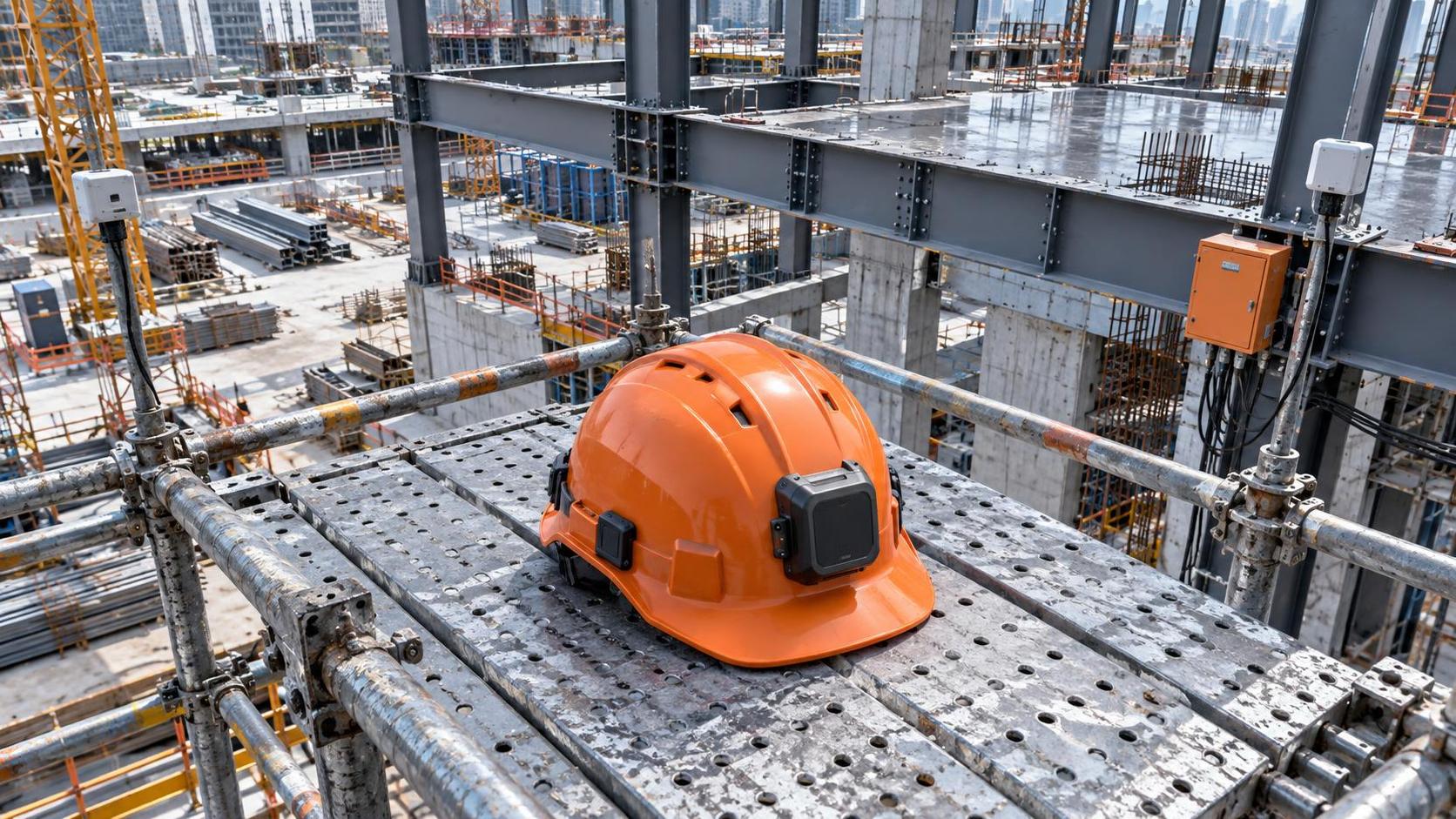
Wearable devices can confirm whether workers are inside restricted zones or exposed to excessive heat.
What makes monitoring reliable instead of noisy?
Reliable monitoring depends on sensor placement, calibration, data quality, and alarm design.
Too many alerts cause alarm fatigue.
Too few alerts create false confidence.
Effective mining technology innovations prioritize thresholds that match geological conditions, equipment limits, and operational risk levels.
Dashboards should not only display data.
They should show what changed, why it matters, and what action is required.
For example, a ventilation dashboard should link gas concentration, airflow, equipment activity, and evacuation status.
This creates a practical safety picture rather than isolated numbers.
When Should Digital Twins and Predictive Analytics Be Used?
Digital twins are virtual models that represent physical mining assets, processes, or entire sites.
They help teams simulate operating conditions before making changes underground or in an open pit.
Among mining technology innovations, digital twins are valuable when decisions involve multiple connected risks.
Examples include ventilation planning, production sequencing, haulage optimization, energy use, and emergency response modeling.
Predictive analytics uses historical and real-time data to estimate what may happen next.
It can forecast component failure, ground instability, bottlenecks, water intrusion, or excessive dust formation.
What is the practical difference between prediction and prevention?
Prediction identifies likely risk.
Prevention converts that insight into earlier action.
For instance, predictive maintenance may flag abnormal vibration in a conveyor bearing.
Prevention means scheduling repair before overheating causes fire, downtime, or secondary damage.
This is where mining technology innovations support both safety and productivity.
A safer mine is often a more predictable mine.
Yet predictive systems need trustworthy data.
Poor maintenance records, inconsistent sensor naming, or missing inspection data can weaken model accuracy.
Before advanced analytics, sites should improve data governance and standard reporting.
How Should Mining Technology Innovations Be Compared Before Implementation?
Selection should begin with the risk profile, not the technology catalog.
The right solution depends on geology, mine depth, fleet type, workforce exposure, regulatory pressure, and communication infrastructure.
Some mining technology innovations deliver fast results, such as proximity detection or wearable gas monitoring.
Others require broader transformation, such as autonomous haulage, digital twins, or integrated control centers.
This comparison helps avoid buying advanced systems that do not solve the most urgent operational risk.
Mining technology innovations should be judged by measurable safety outcomes, not novelty alone.
What Risks and Misunderstandings Can Weaken Technology Adoption?
A common mistake is assuming technology automatically improves safety.
In reality, systems can create new risks if processes, skills, and responsibilities are unclear.
For example, a collision avoidance system may fail to reduce incidents if alarms are ignored.
A digital twin may produce weak recommendations if its geological model is outdated.
Mining technology innovations also increase reliance on connectivity and cybersecurity.
Wireless dead zones, network congestion, or unauthorized access can disrupt safety-critical systems.
Which adoption risks deserve early attention?
- Unclear ownership of alarms, overrides, and emergency responses.
- Poor integration between legacy equipment and new platforms.
- Insufficient training for remote and automated workflows.
- Data overload without practical decision rules.
- Cybersecurity gaps in connected operational technology systems.
The safest deployments treat mining technology innovations as part of an operating system.
That system includes people, procedures, equipment, data, maintenance, and governance.
How Can Sites Build a Practical Roadmap for Safer Extraction?
A roadmap should move from risk visibility to control, then optimization.
Starting with a site-wide risk and data audit helps identify where mining technology innovations can deliver the strongest impact.
The first phase often focuses on monitoring and communications.
Without reliable connectivity, advanced automation and predictive analytics will struggle.
The second phase can target equipment health, traffic control, and worker location systems.
The third phase may integrate remote operation, autonomous fleets, and digital twin simulations.
- Map critical hazards and exposure points.
- Check network coverage and data reliability.
- Pilot one high-value use case with clear metrics.
- Train teams before expanding automation.
- Review safety outcomes, not only production gains.
Successful mining technology innovations rarely arrive as one large upgrade.
They mature through pilots, feedback, standardization, and cross-functional learning.
Summary: What Is the Next Step for Safer, Smarter Mining?
Mining technology innovations are reshaping extraction by reducing exposure, improving hazard visibility, and supporting faster decisions.
The most effective systems connect field reality with digital intelligence.
Autonomous equipment, smart sensors, predictive analytics, and digital twins each solve different safety problems.
The best results come when these tools are selected according to operational risk and implementation readiness.
A practical next step is to identify the top three hazards causing exposure, downtime, or delayed response.
Then match each hazard with measurable mining technology innovations, pilot carefully, and scale only after verified safety improvement.
For the future of infrastructure and resource development, safer extraction is not optional.
It is the foundation for resilient supply chains, responsible growth, and sustainable industrial progress.
Get weekly intelligence in your inbox.
No noise. No sponsored content. Pure intelligence.
News Recommendations
 Sep 19, 2026How an electronics application guide helps prevent component mismatchHow an electronics application guide helps prevent component mismatch
 Sep 18, 2026When a resource allocation platform improves project deliveryWhen a resource allocation platform improves project delivery
 Sep 17, 2026What to compare when evaluating mineral processing equipment manufacturersWhat to compare when evaluating mineral processing equipment manufacturers
 Sep 16, 2026How mineral separation optimization can reduce concentrate lossesHow mineral separation optimization can reduce concentrate losses
 Sep 15, 2026How to assess lifecycle costs in urban tech procurementHow to assess lifecycle costs in urban tech procurement
 Sep 14, 2026Heavy industry technology trends reshaping capital investment prioritiesHeavy industry technology trends reshaping capital investment priorities
 Sep 14, 2026Global Industrial Equipment Procurement: How Top OEMs Qualify Suppliers for Mining & Infrastructure ProjectsGlobal Industrial Equipment Procurement: How Top OEMs Qualify Suppliers for Mining & Infrastructure Projects
 Sep 14, 2026Industrial & Mining Equipment Procurement: Balancing Local Sourcing, Lead Time, and Certification RequirementsIndustrial & Mining Equipment Procurement: Balancing Local Sourcing, Lead Time, and Certification Requirements
 Sep 14, 2026Infrastructure & Equipment Upgrades: What Procurement Teams Must Verify Before Signing Off on New ContractsInfrastructure & Equipment Upgrades: What Procurement Teams Must Verify Before Signing Off on New Contracts
 Sep 14, 2026Why Infrastructure Equipment Buyers Are Shifting from Catalog-Based to Capability-Based Supplier SelectionWhy Infrastructure Equipment Buyers Are Shifting from Catalog-Based to Capability-Based Supplier Selection
 Sep 14, 2026Process Automation Project Execution: How to Align Supplier Capabilities with PLC Integration, Cybersecurity & Commissioning MilestonesProcess Automation Project Execution: How to Align Supplier Capabilities with PLC Integration, Cybersecurity & Commissioning Milestones
 Sep 14, 2026Are intelligent traffic systems worth the investment for small cities?Are intelligent traffic systems worth the investment for small cities?
 Sep 14, 2026How do intelligent traffic systems handle sensor failures?How do intelligent traffic systems handle sensor failures?
 Sep 14, 2026What should I check before accepting a smart building system?What should I check before accepting a smart building system?
 Sep 14, 2026Is a smart building system worth the maintenance cost?Is a smart building system worth the maintenance cost?
 Sep 14, 2026What data is needed for reliable resource allocation planning?What data is needed for reliable resource allocation planning?
 Sep 14, 2026How can resource allocation software reduce equipment idle time?How can resource allocation software reduce equipment idle time?
 Sep 14, 2026How should smart devices be maintained in harsh outdoor conditions?How should smart devices be maintained in harsh outdoor conditions?
 Sep 14, 2026Do smart devices improve worker safety on construction sites?Do smart devices improve worker safety on construction sites?
 Sep 14, 2026What environmental risks must be assessed before deep-sea mining?What environmental risks must be assessed before deep-sea mining?
 Sep 14, 2026Is deep-sea mining equipment commercially viable in 2026?Is deep-sea mining equipment commercially viable in 2026?
 Sep 14, 2026What Inspection Checks Should Procurement Teams Perform Before Ordering Dredging Equipment in 2026?What Inspection Checks Should Procurement Teams Perform Before Ordering Dredging Equipment in 2026?
 Sep 13, 2026How to verify an industrial product information source before specifying equipmentHow to verify an industrial product information source before specifying equipment
 Sep 12, 2026Which intelligent traffic systems hardware fits an urban intersection?Which intelligent traffic systems hardware fits an urban intersection?
 Sep 11, 2026How pump capacity affects response coverage for municipal fire fighting vehiclesHow pump capacity affects response coverage for municipal fire fighting vehicles
 Sep 10, 2026What to verify before choosing a heavy industry equipment supplierWhat to verify before choosing a heavy industry equipment supplier
 Sep 09, 2026When do adaptive urban traffic control systems reduce corridor delays?When do adaptive urban traffic control systems reduce corridor delays?