When Does Application Engineering Support Reduce Project Risk?
Check the project stage before you ask for help
Application engineering support reduces risk most when the project still has room to change. That sounds obvious, but many teams bring engineers in after bid award, after layout freeze, or once equipment is already on the way. At that point, support can still solve problems, but it usually shifts from risk prevention to damage control.
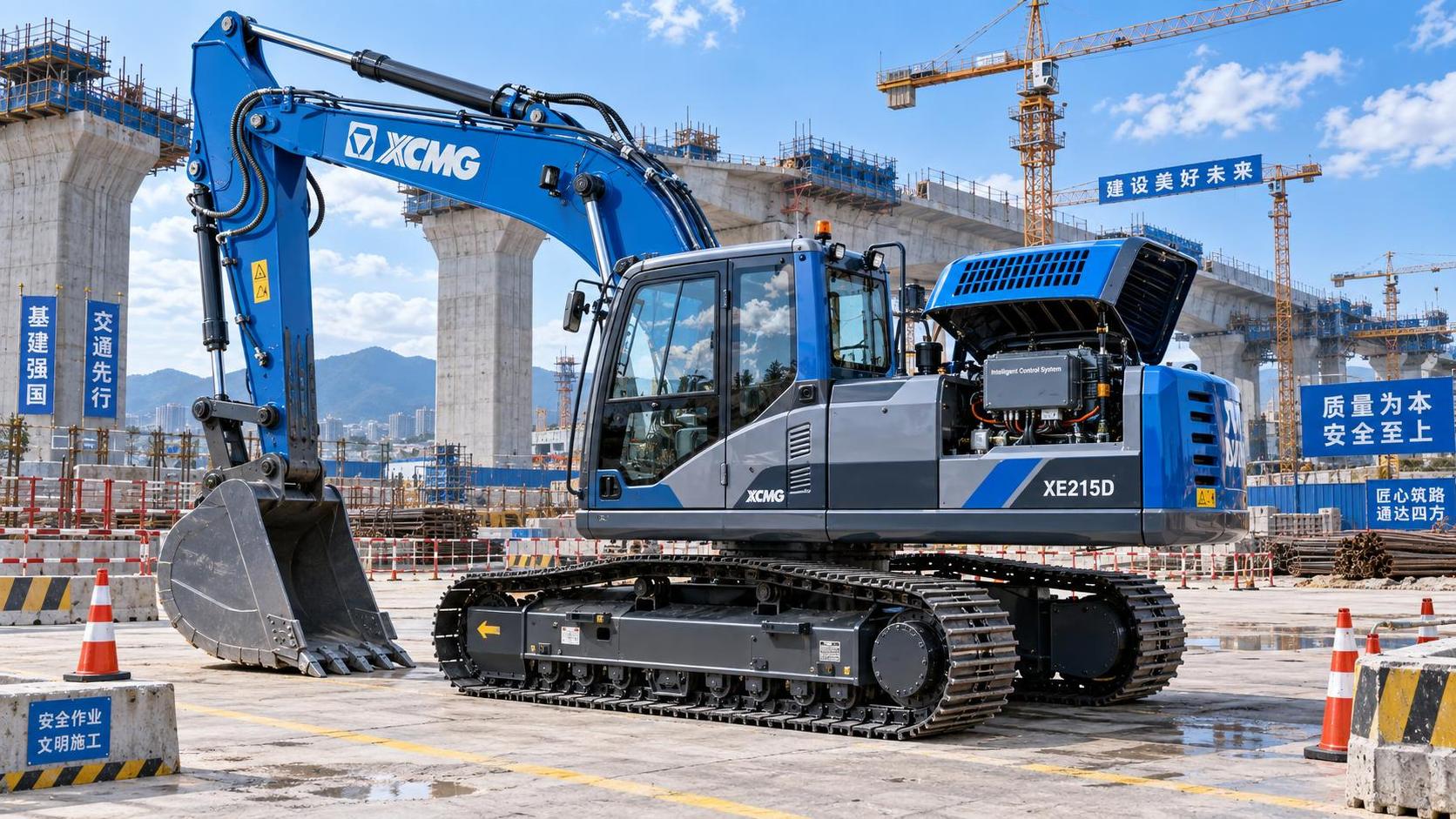
In infrastructure, industrial facilities, rolling stock systems, smart building deployments, or heavy equipment integration, the expensive problems rarely start as big failures. They start as small mismatches: a component selected for ideal conditions instead of actual duty, a control interface nobody fully mapped, a maintenance zone that looks acceptable on paper but cannot be accessed safely on site. The practical value of application engineering support is that it connects the design intent to the operating reality before those gaps harden into rework, delay, or unsafe workarounds.
If you are managing a project package and wondering whether to pull in application engineering support, use this rule of thumb: the more your team is still making assumptions about operating conditions, interfaces, installation constraints, or lifecycle performance, the more risk that support can take off the table.
Start with the moments where project risk usually hides
You do not need application engineering support for every purchase or every standard detail. You need it when the project contains decisions that look routine but are not. These are the situations where experienced teams usually slow down and ask for a technical review.
- Site conditions are harsher than the drawing suggests. Dust, vibration, humidity, corrosive exposure, unstable power, limited access, and temperature swings change what is suitable.
- The system has multiple interface owners. Civil, MEP, controls, ICT, rail signaling, utility connection, fleet body integration, or safety systems all tend to create responsibility gaps.
- The operating duty is variable or poorly defined. Intermittent duty versus continuous duty, peak loading, startup cycles, emergency mode, and maintenance shutdown behavior matter more than catalog ratings.
- The project depends on installation sequence. If one item must be installed, tested, sealed, aligned, or commissioned in a particular order, engineering support often prevents field improvisation.
- The asset will be difficult to modify later. Embedded systems, underground works, tunnel assets, trackside equipment, smart grid cabinets, or roof-mounted systems deserve extra scrutiny before approval.
When two or three of those conditions show up together, the risk is no longer just technical. It becomes a schedule and commercial issue as well.

Use a simple checklist to judge whether support will pay back
Project leaders usually ask the wrong first question. They ask, “Do we need engineering support?” A better question is, “What failure are we trying to avoid?” Once you frame it that way, the decision becomes easier.
If your package scores high on these checks, application engineering support is not overhead. It is a risk filter.
Watch for design decisions that look minor but change everything
Some decisions are easy to underestimate because they sit inside a bigger package. A pump, enclosure, cable route, signaling cabinet, control logic, chassis attachment point, or equipment mounting detail can look like a local decision. It is not local if it affects drainage, heat rejection, structural loading, operator visibility, fire separation, service access, network latency, or fault response.
This is where experienced application engineers earn their keep. They do not just confirm whether a component fits the specification. They test whether the specification itself matches the use case. For project managers, that distinction matters. A technically compliant item can still be a poor project choice if it creates difficult commissioning conditions, awkward maintenance routines, or fragile interfaces with adjacent systems.
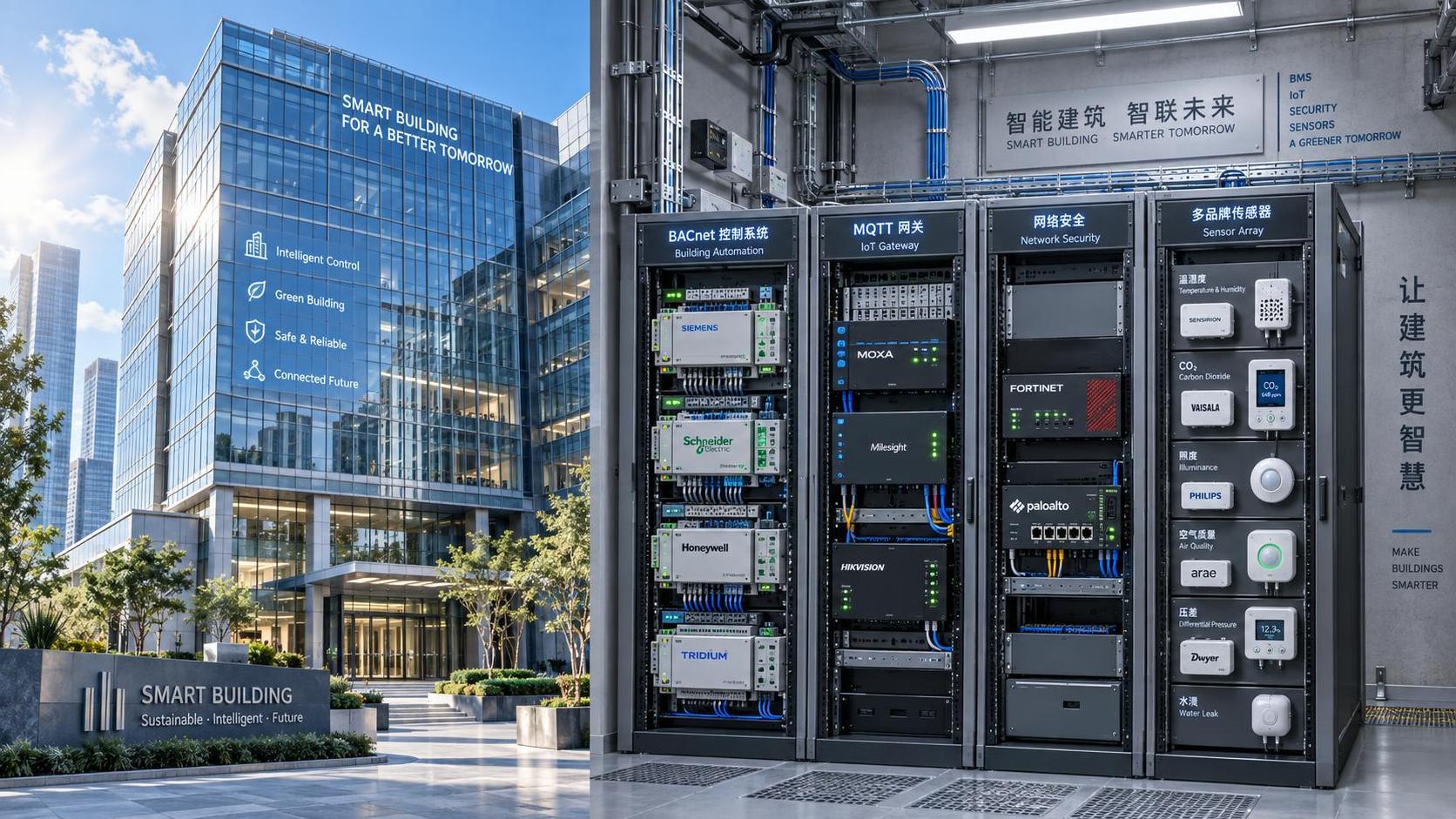
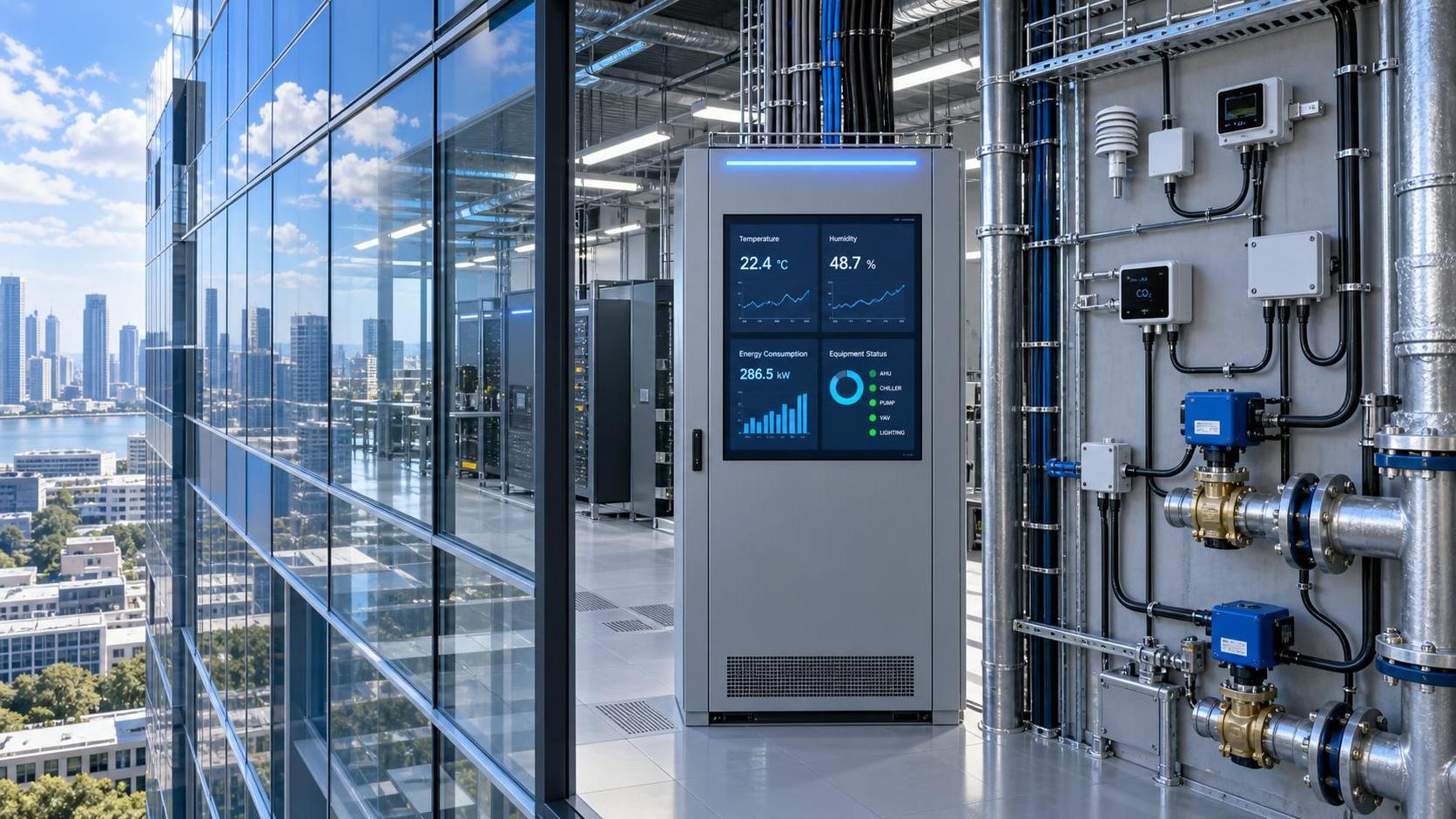
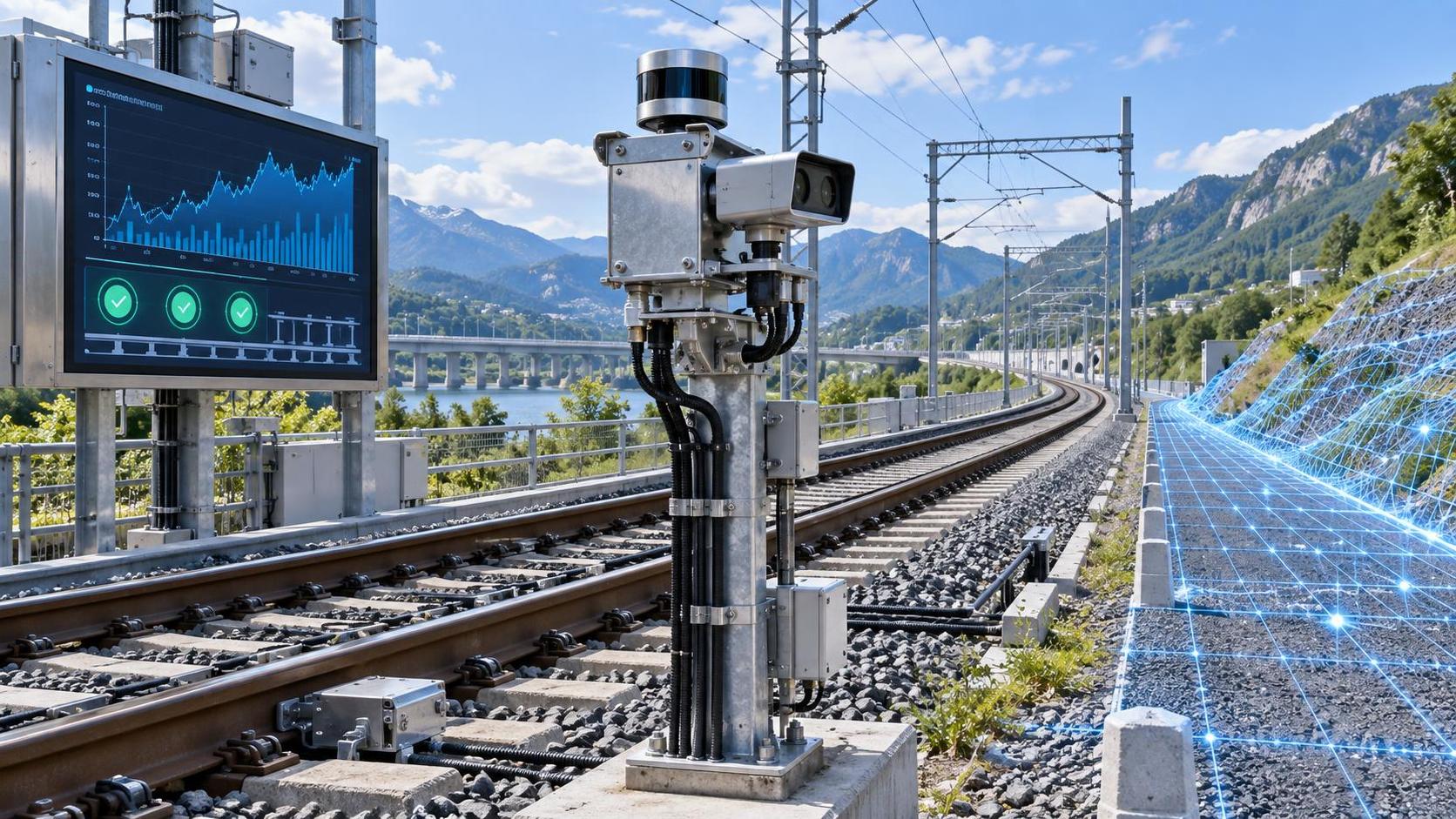
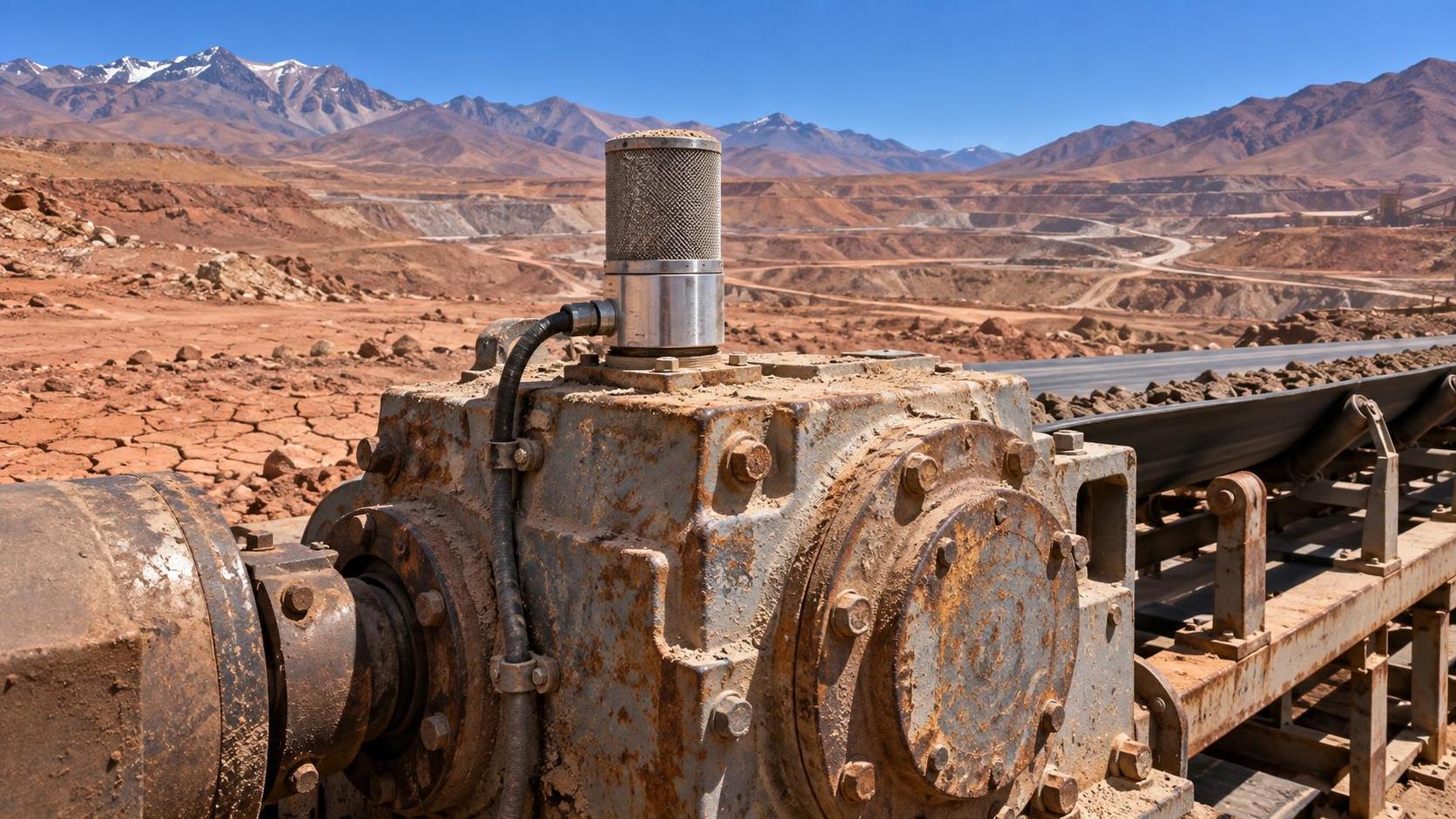
A common miss is relying on nominal performance without reviewing the full duty profile. In a smart building package, for example, intermittent peaks, occupancy shifts, control overrides, and integration with other building systems can change how equipment behaves in practice. In mining or rail environments, contamination, shock loading, and limited shutdown windows often matter more than the headline spec. Application engineering support reduces risk when it forces those conditions into the selection process before procurement locks the team in.
Bring support in early when the site will punish assumptions
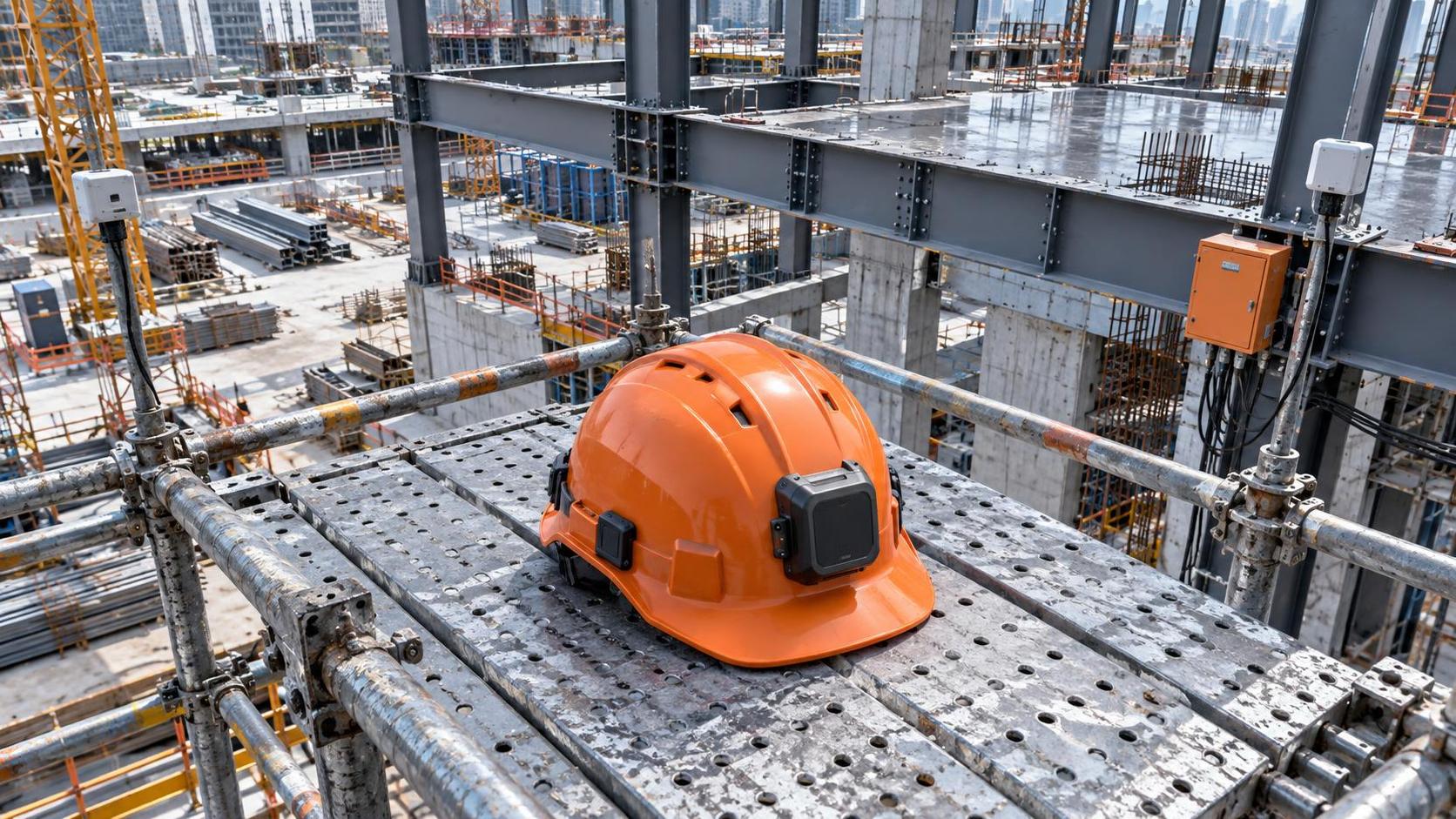
Desktop design is clean. Real sites are not. That gap is exactly why application engineering support is valuable in complex construction, transport systems, utilities, and heavy equipment deployments.
Ask a few blunt questions:
- Can the item be delivered, lifted, and installed with the access conditions the site actually has?
- Does the design assume tolerances that are realistic for the trade sequence and workmanship level available?
- Will maintenance require isolation space, tooling clearance, or removal paths that the final layout does not provide?
- Are environmental protections based on indoor assumptions when the real exposure is semi-open, dirty, wet, or vibration-prone?
If the answer to any of these is uncertain, the risk is already present. It may not show up until installation, FAT/SAT coordination, or the first maintenance event, but it is there.
Do not separate technical fit from commercial risk
One mistake I see often is treating application engineering support as a purely technical service. On live projects, it is just as much a commercial protection tool. The reason is simple: unclear technical assumptions turn into variation claims, schedule pressure, standby costs, redesign fees, and warranty arguments.
Good support helps by making decisions traceable. Which operating condition drove the selection? Which interface document defines responsibilities? Which drawing revision governs the connection point? Which maintenance requirement influenced the final layout? You are not collecting paperwork for its own sake. You are building a clean decision path, so when issues arise, the team can solve them from facts instead of memory or opinion.
That matters even more on multi-contractor projects, where every unresolved technical edge can become a contractual edge.
Know when standard support is not enough
Not every project needs the same depth of application engineering support. Sometimes a document review and interface check are enough. Sometimes you need workshop-level coordination across design, operations, installation, and maintenance teams.
Escalate the level of support when you see any of the following:
- Custom adaptation is required instead of straight catalog selection.
- The equipment or subsystem will connect to safety-critical or operationally critical infrastructure.
- The project has tight commissioning windows and little tolerance for field redesign.
- The long-term operator has maintenance constraints that differ from the design team’s assumptions.
- A late change would affect several work packages at once.
In those cases, basic product advice will not protect the project. You need support that can work across the package boundary and challenge hidden assumptions.
Check the output, not just the presence, of engineering support
A team can say it has engineering support and still get little value from it. The real question is what that support produces. For project risk control, useful outputs usually include clarified duty conditions, reviewed interface points, annotated layout constraints, installation considerations, maintenance access requirements, and a record of assumptions that have been closed or still need owner decisions.
If the support ends with generic recommendations and no project-specific decisions, it has not reduced much risk. If it leads to revised selections, interface clarifications, updated layouts, or changed sequencing before site work begins, it probably has.
That is a useful management check: ask what decisions became safer, faster, or more defensible because of the support. If nobody can answer, the engagement was likely too shallow.
Use this decision order on live projects
For project managers and engineering leads, the most practical way to use application engineering support is in a sequence.
- Map the package decisions that are still assumption-driven.
- Highlight interfaces where failure would trigger rework across more than one discipline.
- Prioritize the items that will be hardest or most expensive to change after installation.
- Bring application engineering support in before procurement or layout freeze for those items.
- Require outputs that close decisions, not just commentary that restates the brief.
That is usually when application engineering support reduces project risk most: early enough to influence real decisions, focused on the interfaces and operating conditions most likely to fail, and specific enough to change drawings, selections, sequencing, or maintenance planning. In other words, not as a formality, but as part of how the project gets built correctly the first time.
Get weekly intelligence in your inbox.
No noise. No sponsored content. Pure intelligence.
News Recommendations
 Sep 19, 2026How an electronics application guide helps prevent component mismatchHow an electronics application guide helps prevent component mismatch
 Sep 18, 2026When a resource allocation platform improves project deliveryWhen a resource allocation platform improves project delivery
 Sep 17, 2026What to compare when evaluating mineral processing equipment manufacturersWhat to compare when evaluating mineral processing equipment manufacturers
 Sep 16, 2026How mineral separation optimization can reduce concentrate lossesHow mineral separation optimization can reduce concentrate losses
 Sep 15, 2026How to assess lifecycle costs in urban tech procurementHow to assess lifecycle costs in urban tech procurement
 Sep 14, 2026Heavy industry technology trends reshaping capital investment prioritiesHeavy industry technology trends reshaping capital investment priorities
 Sep 14, 2026Global Industrial Equipment Procurement: How Top OEMs Qualify Suppliers for Mining & Infrastructure ProjectsGlobal Industrial Equipment Procurement: How Top OEMs Qualify Suppliers for Mining & Infrastructure Projects
 Sep 14, 2026Industrial & Mining Equipment Procurement: Balancing Local Sourcing, Lead Time, and Certification RequirementsIndustrial & Mining Equipment Procurement: Balancing Local Sourcing, Lead Time, and Certification Requirements
 Sep 14, 2026Infrastructure & Equipment Upgrades: What Procurement Teams Must Verify Before Signing Off on New ContractsInfrastructure & Equipment Upgrades: What Procurement Teams Must Verify Before Signing Off on New Contracts
 Sep 14, 2026Why Infrastructure Equipment Buyers Are Shifting from Catalog-Based to Capability-Based Supplier SelectionWhy Infrastructure Equipment Buyers Are Shifting from Catalog-Based to Capability-Based Supplier Selection
 Sep 14, 2026Process Automation Project Execution: How to Align Supplier Capabilities with PLC Integration, Cybersecurity & Commissioning MilestonesProcess Automation Project Execution: How to Align Supplier Capabilities with PLC Integration, Cybersecurity & Commissioning Milestones
 Sep 14, 2026Are intelligent traffic systems worth the investment for small cities?Are intelligent traffic systems worth the investment for small cities?
 Sep 14, 2026How do intelligent traffic systems handle sensor failures?How do intelligent traffic systems handle sensor failures?
 Sep 14, 2026What should I check before accepting a smart building system?What should I check before accepting a smart building system?
 Sep 14, 2026Is a smart building system worth the maintenance cost?Is a smart building system worth the maintenance cost?
 Sep 14, 2026What data is needed for reliable resource allocation planning?What data is needed for reliable resource allocation planning?
 Sep 14, 2026How can resource allocation software reduce equipment idle time?How can resource allocation software reduce equipment idle time?
 Sep 14, 2026How should smart devices be maintained in harsh outdoor conditions?How should smart devices be maintained in harsh outdoor conditions?
 Sep 14, 2026Do smart devices improve worker safety on construction sites?Do smart devices improve worker safety on construction sites?
 Sep 14, 2026What environmental risks must be assessed before deep-sea mining?What environmental risks must be assessed before deep-sea mining?
 Sep 14, 2026Is deep-sea mining equipment commercially viable in 2026?Is deep-sea mining equipment commercially viable in 2026?
 Sep 14, 2026What Inspection Checks Should Procurement Teams Perform Before Ordering Dredging Equipment in 2026?What Inspection Checks Should Procurement Teams Perform Before Ordering Dredging Equipment in 2026?
 Sep 13, 2026How to verify an industrial product information source before specifying equipmentHow to verify an industrial product information source before specifying equipment
 Sep 12, 2026Which intelligent traffic systems hardware fits an urban intersection?Which intelligent traffic systems hardware fits an urban intersection?
 Sep 11, 2026How pump capacity affects response coverage for municipal fire fighting vehiclesHow pump capacity affects response coverage for municipal fire fighting vehicles
 Sep 10, 2026What to verify before choosing a heavy industry equipment supplierWhat to verify before choosing a heavy industry equipment supplier
 Sep 09, 2026When do adaptive urban traffic control systems reduce corridor delays?When do adaptive urban traffic control systems reduce corridor delays?