Engineering Data Quality Issues That Delay Infrastructure Projects
Why engineering data issues surface differently across infrastructure environments

Infrastructure delays rarely begin with visible congestion on site. They often start earlier, inside weak engineering data, inconsistent revisions, or incomplete field records.
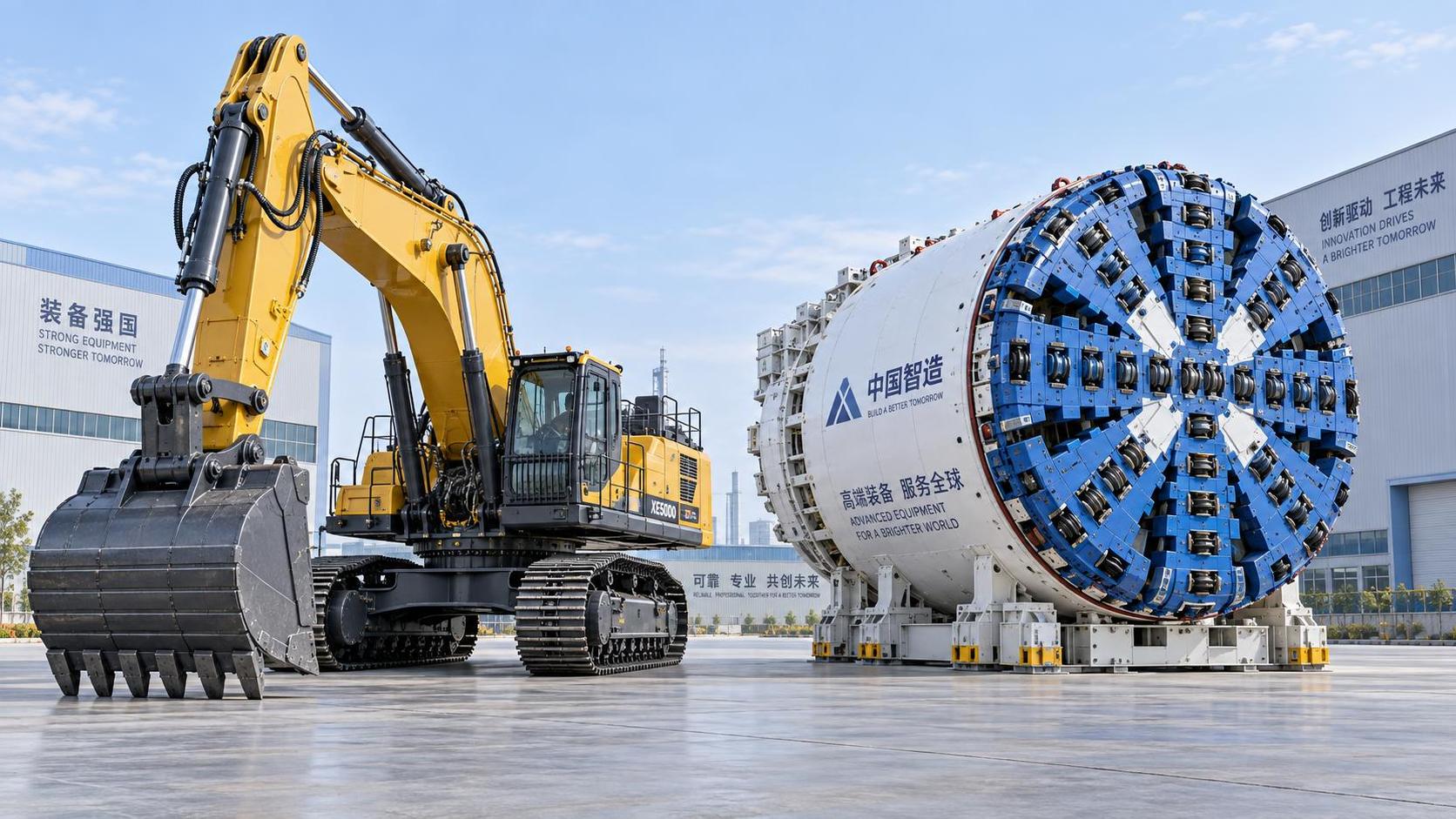
That pattern appears across construction, rail systems, mining assets, smart city networks, and heavy equipment operations. The settings differ, but the operational risk looks familiar.
A bridge package may stall because the latest structural model never reached fabrication. A signaling upgrade may fail inspection because interface data was copied from an older standard.
In urban technology projects, sensor maps, grid drawings, and maintenance logs often come from separate systems. Once those records drift apart, small mismatches become schedule problems.
For organizations tracking the physical world through digital methods, engineering data is not only documentation. It is the operating logic behind sequencing, safety, compliance, and long-term asset performance.
This matters even more where GIUT-style digital twin thinking is shaping decisions. When the physical asset and the digital record stop matching, project control weakens fast.
On a live construction site, revision control usually matters more than data volume
In building and civil works, teams often assume more engineering data means better control. In practice, the sharper question is whether the active data is trusted and current.
The most expensive delays often come from parallel versions. Design consultants, subcontractors, fabricators, and supervisors may all hold valid-looking files with different dates.
That creates hidden friction. Procurement orders the right material against the wrong drawing. Field crews install the correct component in the wrong location.
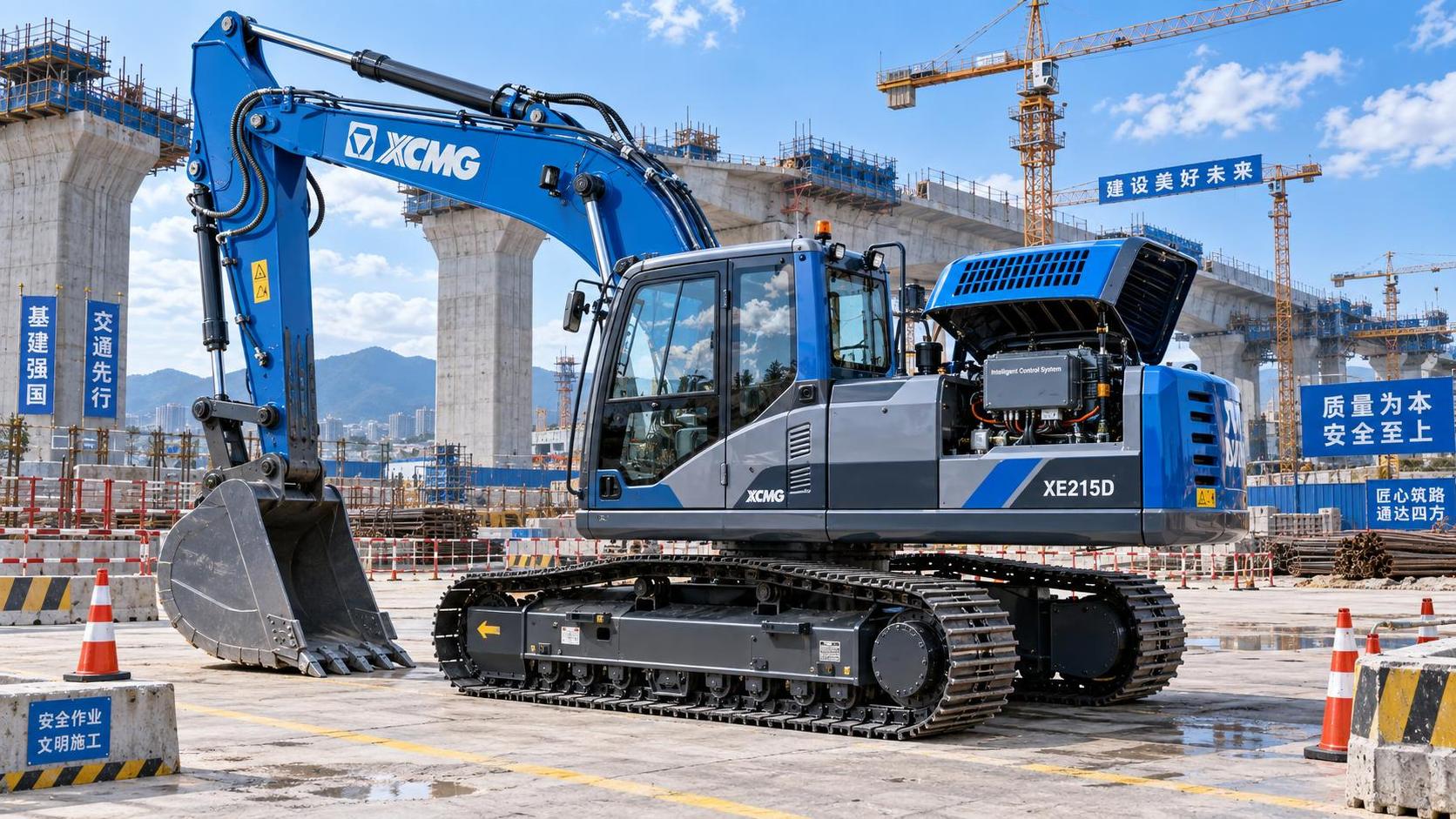
In prefabricated and modular projects, this risk increases. Small dimensional conflicts in engineering data can affect transport planning, lifting methods, and final assembly tolerance.
What should be checked first
- Whether one revision source controls drawings, models, and RFIs at the same time.
- Whether field changes are recorded with approval status, not only marked informally.
- Whether fabrication data inherits model updates automatically or through manual re-entry.
- Whether inspection records link back to exact engineering data references.
A common misjudgment is focusing on software capability while ignoring handoff discipline. Sophisticated platforms cannot protect schedule integrity if revision ownership remains unclear.
Smart city and utility projects fail differently because interface data is the weak point
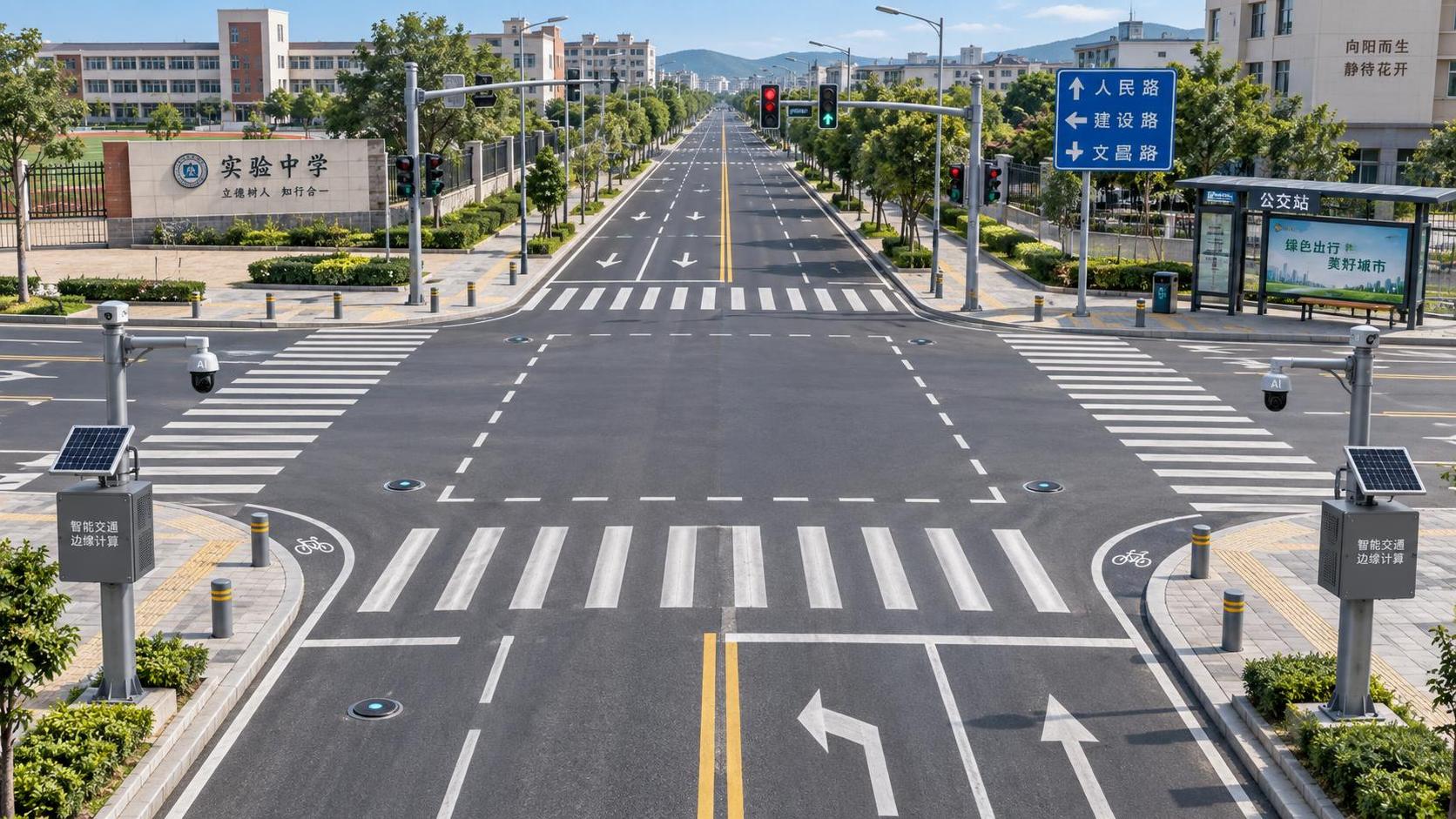
Urban technology projects usually span traffic systems, smart grids, waste automation, public safety, and communications. Here, engineering data quality problems are less about one drawing set.
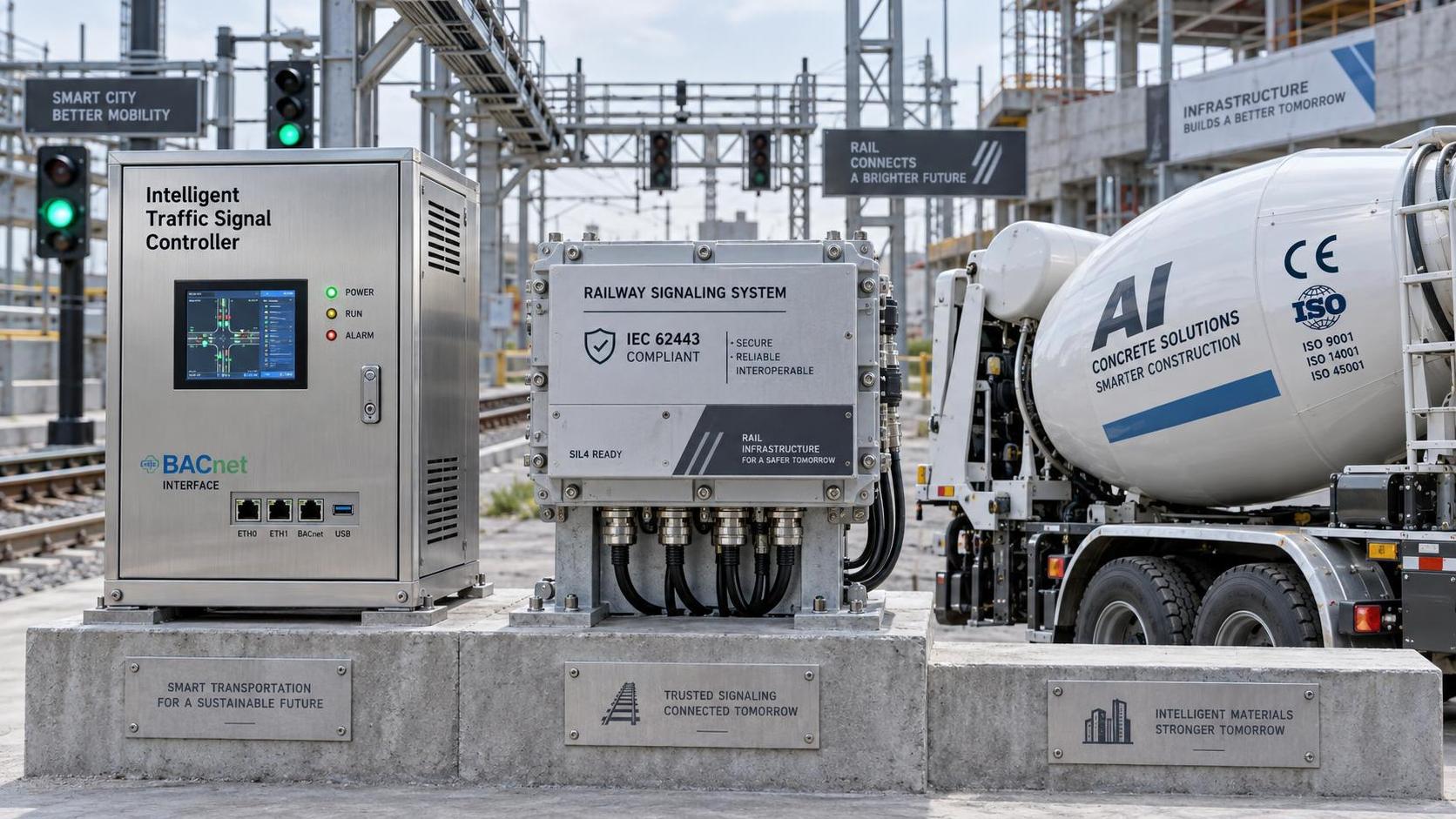
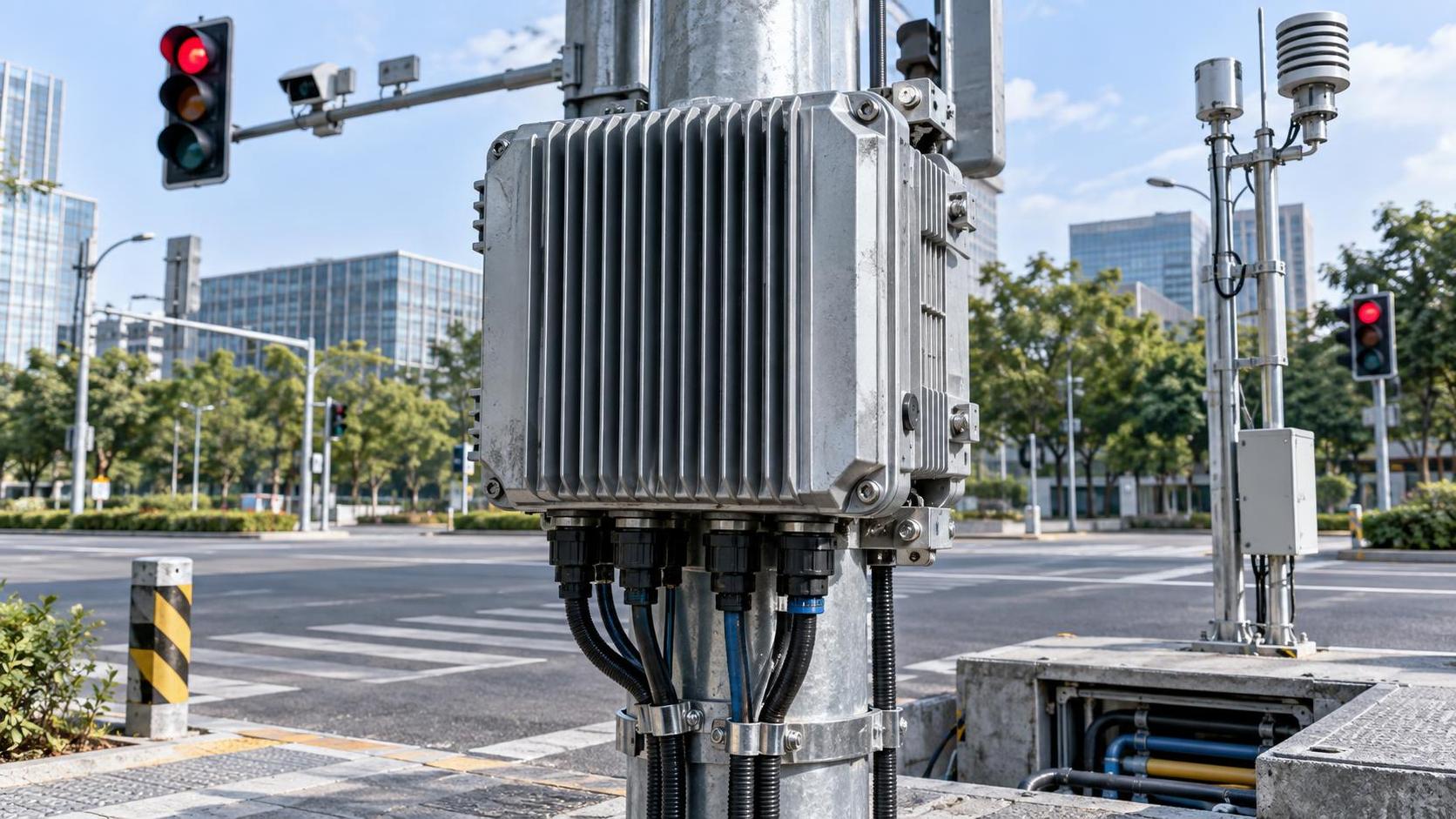
The real issue is interface logic. A traffic controller, power node, and sensor gateway may each be documented correctly, yet still fail together.
This is why engineering data in smart governance environments needs stronger definition rules. Naming conventions, geospatial coordinates, protocol versions, and maintenance ownership all affect deployment.
In actual rollout, the most useful question is not whether data exists. It is whether each system reads the same asset identity, location, and status.
Where multiple vendors participate, similar interfaces are often treated as equivalent. That assumption causes late integration failures, especially when firmware, protocol, or mapping rules diverge.
Railway, mining, and heavy equipment programs demand stronger traceability than office-based teams expect
Linear infrastructure and resource operations deal with larger distances, harsher conditions, and tighter operational consequences. In these settings, missing engineering data can quickly become a safety issue.
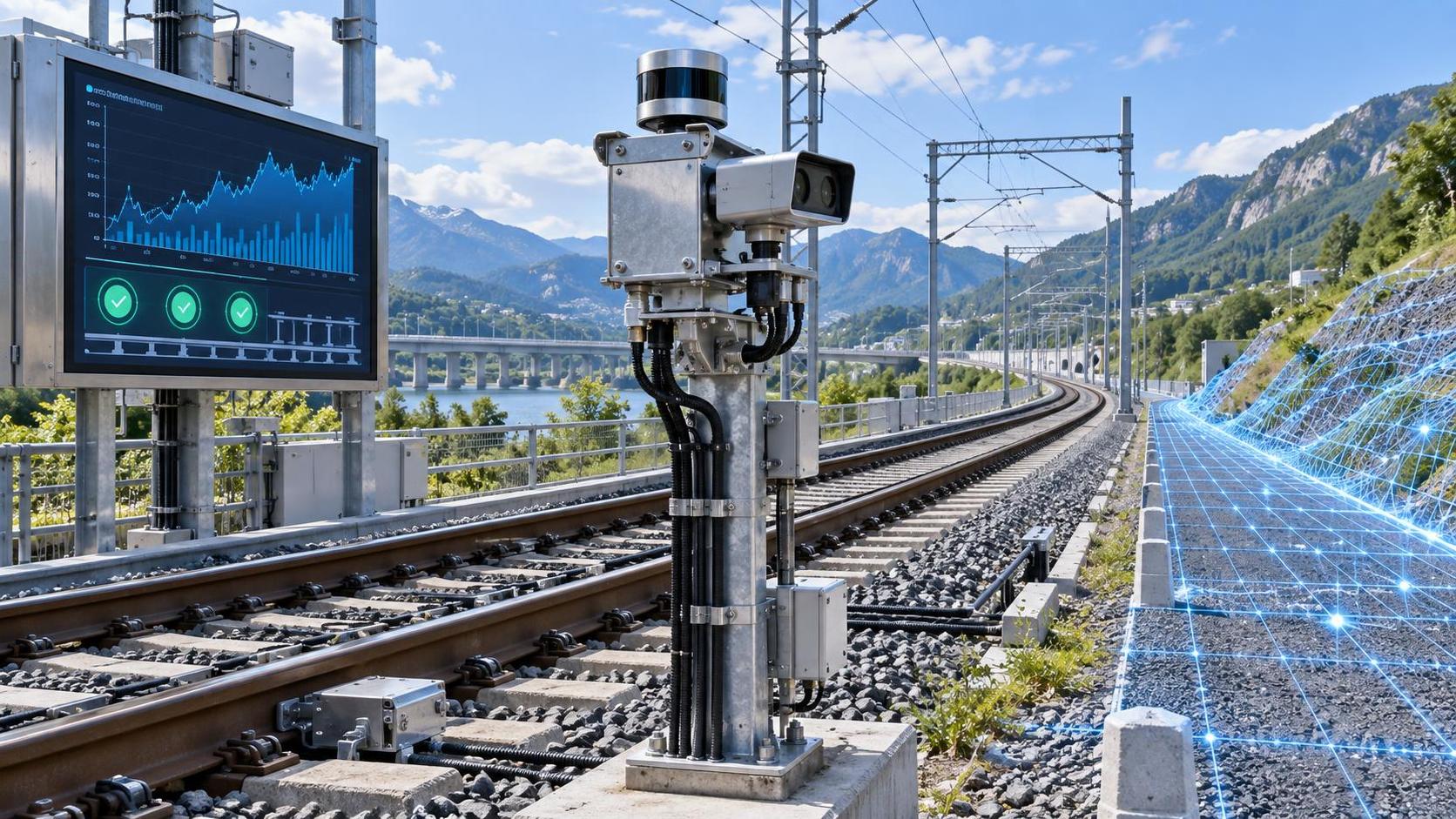
Railway maintenance programs depend on reliable inspection history, geometry records, signaling interfaces, and parts traceability. One incomplete dataset can distort maintenance priorities across many kilometers.
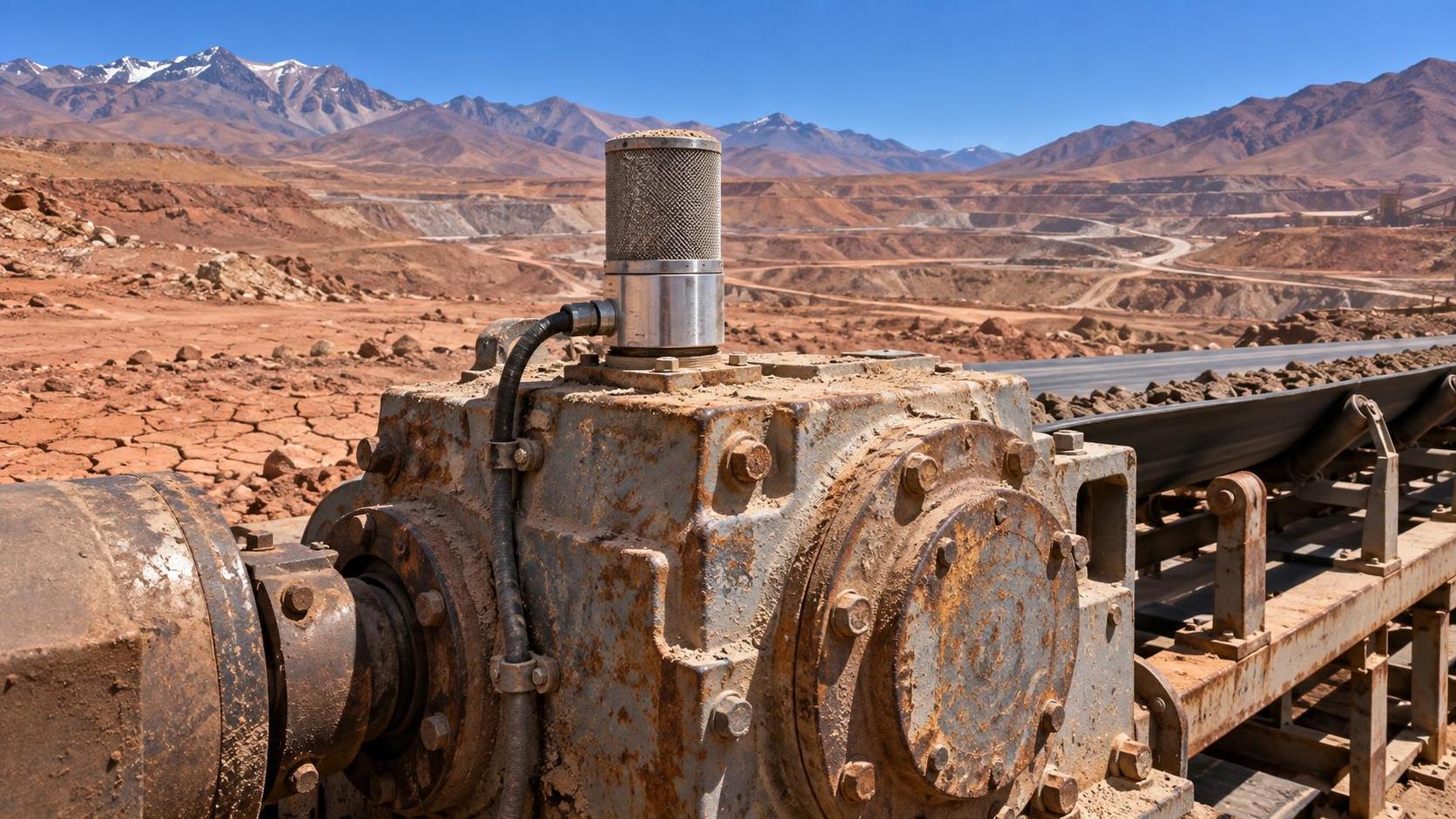
Mining projects show another pattern. Geological interpretation, ventilation plans, equipment telemetry, and incident records may sit in separate repositories with different update cycles.
Heavy equipment fleets add a further complication. Service manuals, retrofit instructions, and sensor outputs often evolve faster than the asset registry that should organize them.
Where delays often begin
- Inspection records cannot be tied to a precise asset location or serial number.
- Field telemetry exists, but calibration history is missing or unverified.
- Maintenance teams use local spreadsheets outside the official engineering data environment.
- Design changes are approved centrally but applied unevenly across remote sites.
These sectors also expose a frequent blind spot. People compare acquisition cost carefully, yet overlook the cost of weak engineering data during operation, shutdowns, and regulatory review.
Different project stages do not need the same engineering data discipline
Another reason projects struggle is that data quality is judged with one fixed standard. Early design, procurement, construction, commissioning, and operation require different levels of precision.
During concept design, engineering data should support option comparison and risk visibility. At that point, perfect detail is less important than clear assumptions and version history.
During procurement, naming accuracy and specification alignment matter more. Small coding errors can affect ordering, substitutions, and supplier compliance.
During commissioning, test records, punch items, and as-built verification become the real control layer. If those links are weak, handover looks complete only on paper.
A more useful approach is to define stage-based acceptance criteria for engineering data, then assign ownership before the next handoff begins.
Useful adaptation starts with a few hard checks, not a full data overhaul
Most organizations do not need to rebuild every system at once. The better route is to locate where bad engineering data causes the highest delay exposure.
In practice, three checks usually reveal the real pressure points. First, find where site decisions rely on manually transferred data. Second, isolate records without revision accountability.
Third, map which engineering data must survive into operation, not just construction closeout. That is especially important for digital twin strategies and lifecycle asset management.
A workable adaptation path
- Standardize asset naming and revision status before adding new analytics layers.
- Connect field verification to photos, coordinates, timestamps, and approval trails.
- Separate advisory data from release-ready engineering data for site use.
- Review whether carbon, safety, and compliance reporting rely on the same source records.
- Test one high-risk workflow first, such as drawing release to installation verification.
This measured approach fits broad infrastructure portfolios better than blanket digitization. It also reflects how resilient physical systems are actually managed: through disciplined priorities, not abstract data ambition.
Before the next delay appears, clarify what engineering data must prove
The most reliable infrastructure programs treat engineering data as evidence, not just information. It must prove what was designed, what changed, what was installed, and what can be maintained safely.
That standard changes slightly between buildings, smart city systems, mining assets, railway corridors, and specialized equipment. The need for traceable truth does not change.
Before expanding tools or rewriting procedures, it is worth reviewing where project decisions depend on uncertain records, duplicated inputs, or weak interface definitions.
A practical next step is to compare one real workflow across design, site execution, and handover. That exercise usually shows whether engineering data supports delivery or quietly delays it.
Get weekly intelligence in your inbox.
No noise. No sponsored content. Pure intelligence.
News Recommendations
 Sep 19, 2026How an electronics application guide helps prevent component mismatchHow an electronics application guide helps prevent component mismatch
 Sep 18, 2026When a resource allocation platform improves project deliveryWhen a resource allocation platform improves project delivery
 Sep 17, 2026What to compare when evaluating mineral processing equipment manufacturersWhat to compare when evaluating mineral processing equipment manufacturers
 Sep 16, 2026How mineral separation optimization can reduce concentrate lossesHow mineral separation optimization can reduce concentrate losses
 Sep 15, 2026How to assess lifecycle costs in urban tech procurementHow to assess lifecycle costs in urban tech procurement
 Sep 14, 2026Heavy industry technology trends reshaping capital investment prioritiesHeavy industry technology trends reshaping capital investment priorities
 Sep 14, 2026Global Industrial Equipment Procurement: How Top OEMs Qualify Suppliers for Mining & Infrastructure ProjectsGlobal Industrial Equipment Procurement: How Top OEMs Qualify Suppliers for Mining & Infrastructure Projects
 Sep 14, 2026Industrial & Mining Equipment Procurement: Balancing Local Sourcing, Lead Time, and Certification RequirementsIndustrial & Mining Equipment Procurement: Balancing Local Sourcing, Lead Time, and Certification Requirements
 Sep 14, 2026Infrastructure & Equipment Upgrades: What Procurement Teams Must Verify Before Signing Off on New ContractsInfrastructure & Equipment Upgrades: What Procurement Teams Must Verify Before Signing Off on New Contracts
 Sep 14, 2026Why Infrastructure Equipment Buyers Are Shifting from Catalog-Based to Capability-Based Supplier SelectionWhy Infrastructure Equipment Buyers Are Shifting from Catalog-Based to Capability-Based Supplier Selection
 Sep 14, 2026Process Automation Project Execution: How to Align Supplier Capabilities with PLC Integration, Cybersecurity & Commissioning MilestonesProcess Automation Project Execution: How to Align Supplier Capabilities with PLC Integration, Cybersecurity & Commissioning Milestones
 Sep 14, 2026Are intelligent traffic systems worth the investment for small cities?Are intelligent traffic systems worth the investment for small cities?
 Sep 14, 2026How do intelligent traffic systems handle sensor failures?How do intelligent traffic systems handle sensor failures?
 Sep 14, 2026What should I check before accepting a smart building system?What should I check before accepting a smart building system?
 Sep 14, 2026Is a smart building system worth the maintenance cost?Is a smart building system worth the maintenance cost?
 Sep 14, 2026What data is needed for reliable resource allocation planning?What data is needed for reliable resource allocation planning?
 Sep 14, 2026How can resource allocation software reduce equipment idle time?How can resource allocation software reduce equipment idle time?
 Sep 14, 2026How should smart devices be maintained in harsh outdoor conditions?How should smart devices be maintained in harsh outdoor conditions?
 Sep 14, 2026Do smart devices improve worker safety on construction sites?Do smart devices improve worker safety on construction sites?
 Sep 14, 2026What environmental risks must be assessed before deep-sea mining?What environmental risks must be assessed before deep-sea mining?
 Sep 14, 2026Is deep-sea mining equipment commercially viable in 2026?Is deep-sea mining equipment commercially viable in 2026?
 Sep 14, 2026What Inspection Checks Should Procurement Teams Perform Before Ordering Dredging Equipment in 2026?What Inspection Checks Should Procurement Teams Perform Before Ordering Dredging Equipment in 2026?
 Sep 13, 2026How to verify an industrial product information source before specifying equipmentHow to verify an industrial product information source before specifying equipment
 Sep 12, 2026Which intelligent traffic systems hardware fits an urban intersection?Which intelligent traffic systems hardware fits an urban intersection?
 Sep 11, 2026How pump capacity affects response coverage for municipal fire fighting vehiclesHow pump capacity affects response coverage for municipal fire fighting vehicles
 Sep 10, 2026What to verify before choosing a heavy industry equipment supplierWhat to verify before choosing a heavy industry equipment supplier
 Sep 09, 2026When do adaptive urban traffic control systems reduce corridor delays?When do adaptive urban traffic control systems reduce corridor delays?