How Infrastructure Construction Companies Reduce Project Risk in Urban Builds
How Infrastructure Construction Companies Reduce Project Risk in Urban Builds
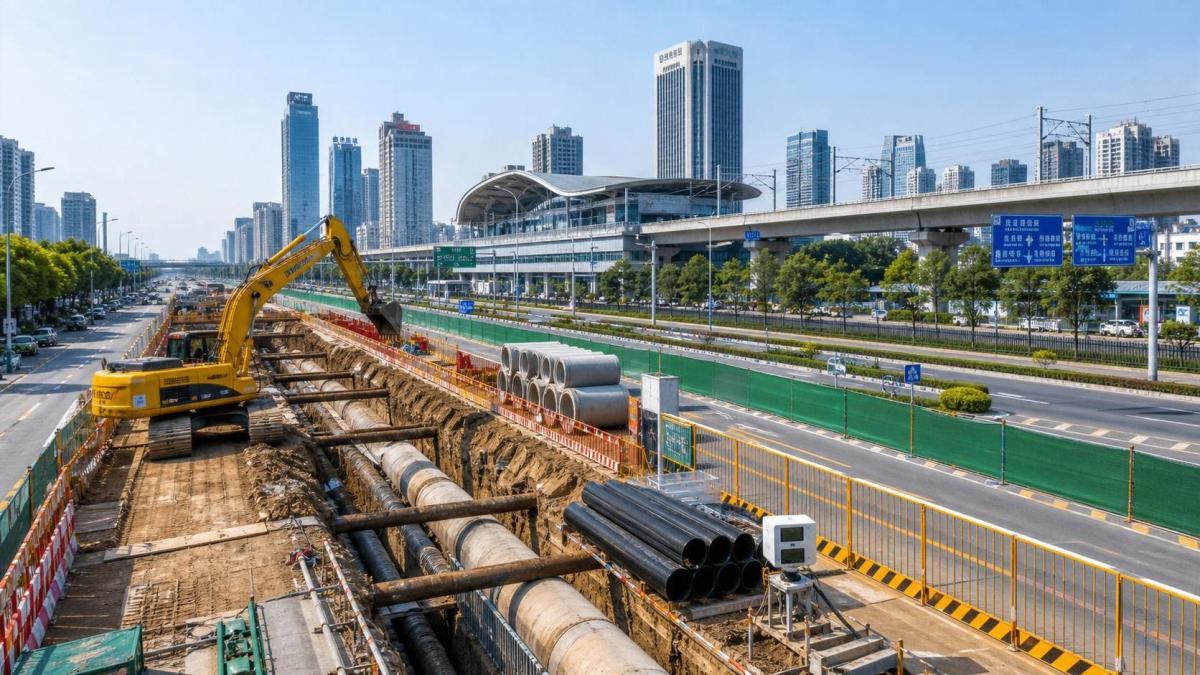
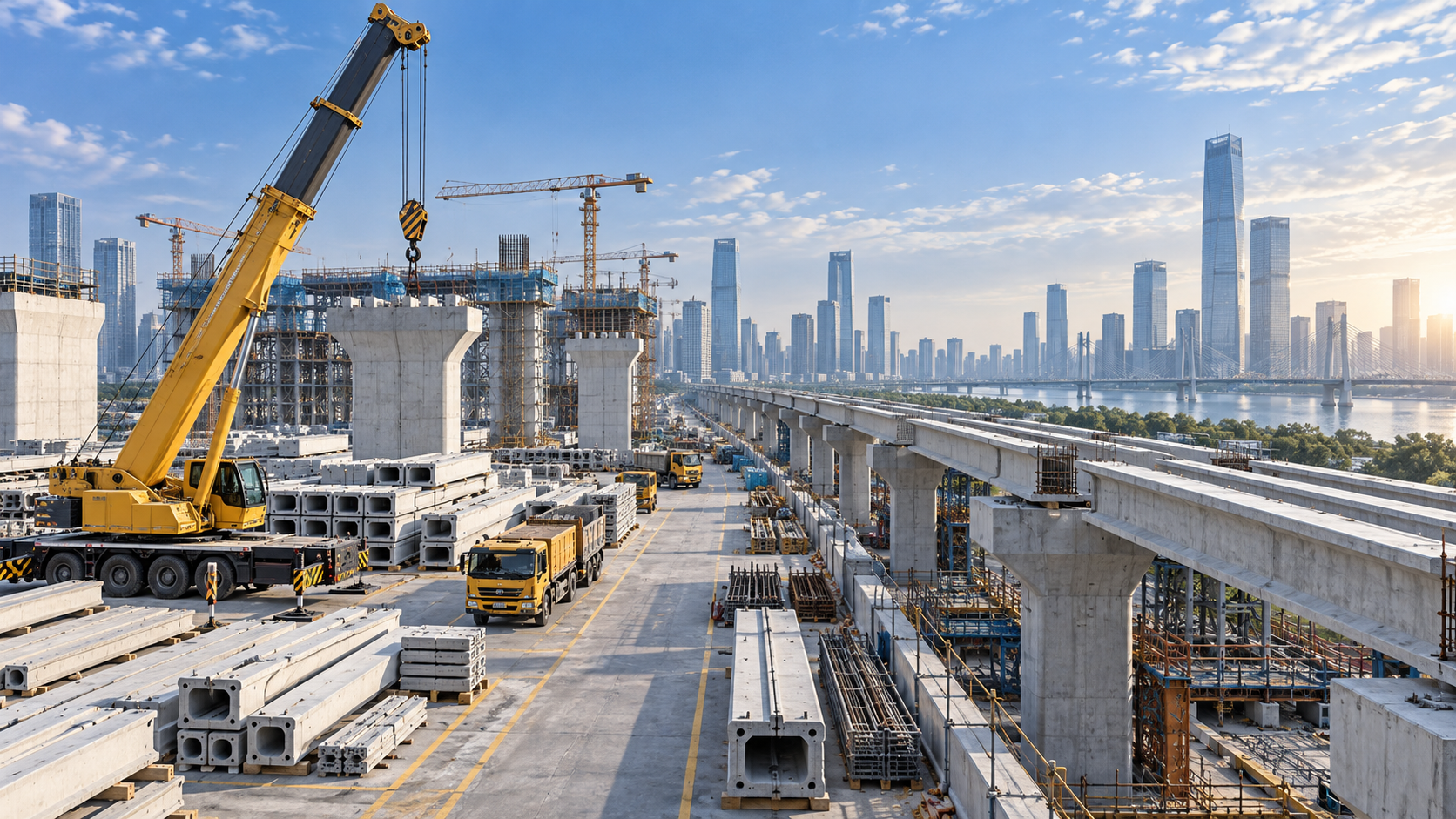
Urban construction has become less forgiving. Sites are tighter, permits move slower, and public scrutiny is stronger than before.
That is why many project teams study how infrastructure construction companies reduce project risk in dense city environments.
The answer is rarely one tool or one policy. It usually comes from a disciplined system built before ground breaks.
In practice, infrastructure construction companies reduce project risk by connecting planning, compliance, safety, logistics, and data.
This matters even more in urban builds, where a small delay can trigger larger budget, traffic, or stakeholder problems.
For teams shaping roads, utilities, transit lines, or mixed-use districts, risk reduction starts with seeing the whole system clearly.
Why urban projects carry higher risk
Urban builds rarely happen on open land. They happen around traffic, residents, legacy assets, and strict operating windows.
That creates layered exposure across safety, schedule, cost, environmental compliance, and political visibility.
More importantly, risks interact. A utility clash can stop excavation, extend lane closures, increase complaints, and push labor costs up.
Leading infrastructure construction companies reduce project risk by mapping these linked impacts early, not after disruptions appear.
- Complex permitting across municipal agencies
- Hidden underground utilities and incomplete records
- Restricted access for heavy equipment and material deliveries
- Noise, dust, vibration, and community impact complaints
- High consequences from safety incidents in public zones
- Supply chain shifts affecting specialized components
From a management perspective, the real challenge is not identifying risks. It is ranking them correctly and assigning action fast.
How infrastructure construction companies reduce project risk before work starts
The strongest risk controls are usually built in preconstruction. This is where smart teams prevent expensive surprises later.
Infrastructure construction companies reduce project risk first by improving site intelligence. Better inputs create better decisions.
1. Use deeper site and utility investigations
Urban records are often outdated. Drawings may miss abandoned lines, informal connections, or later modifications.
That is why infrastructure construction companies reduce project risk through ground-penetrating radar, test pits, laser scans, and utility coordination.
This front-end effort costs money, but it often saves much more in avoided downtime and redesign.
2. Build realistic risk registers
A useful risk register is not a box-checking file. It should guide decisions every week.
The best teams score likelihood, impact, trigger points, owners, and response actions for each major threat.
They also separate strategic risks from daily operational risks, which keeps reviews focused and practical.
3. Stress-test schedule assumptions
Urban schedules fail when they depend on perfect handoffs. Real sites rarely behave that way.
Infrastructure construction companies reduce project risk by identifying critical path weaknesses, permit dependencies, and low-float activities early.
Many also run scenario planning for weather, access restrictions, utility delays, and night-shift productivity.
Operational controls that reduce risk during execution
Once work begins, risk management becomes a daily operating habit. The strongest plans still fail without field discipline.
This is where infrastructure construction companies reduce project risk through repeatable site controls and fast communication loops.
Active safety management
Urban safety plans must protect workers and the public at the same time. That doubles the planning burden.
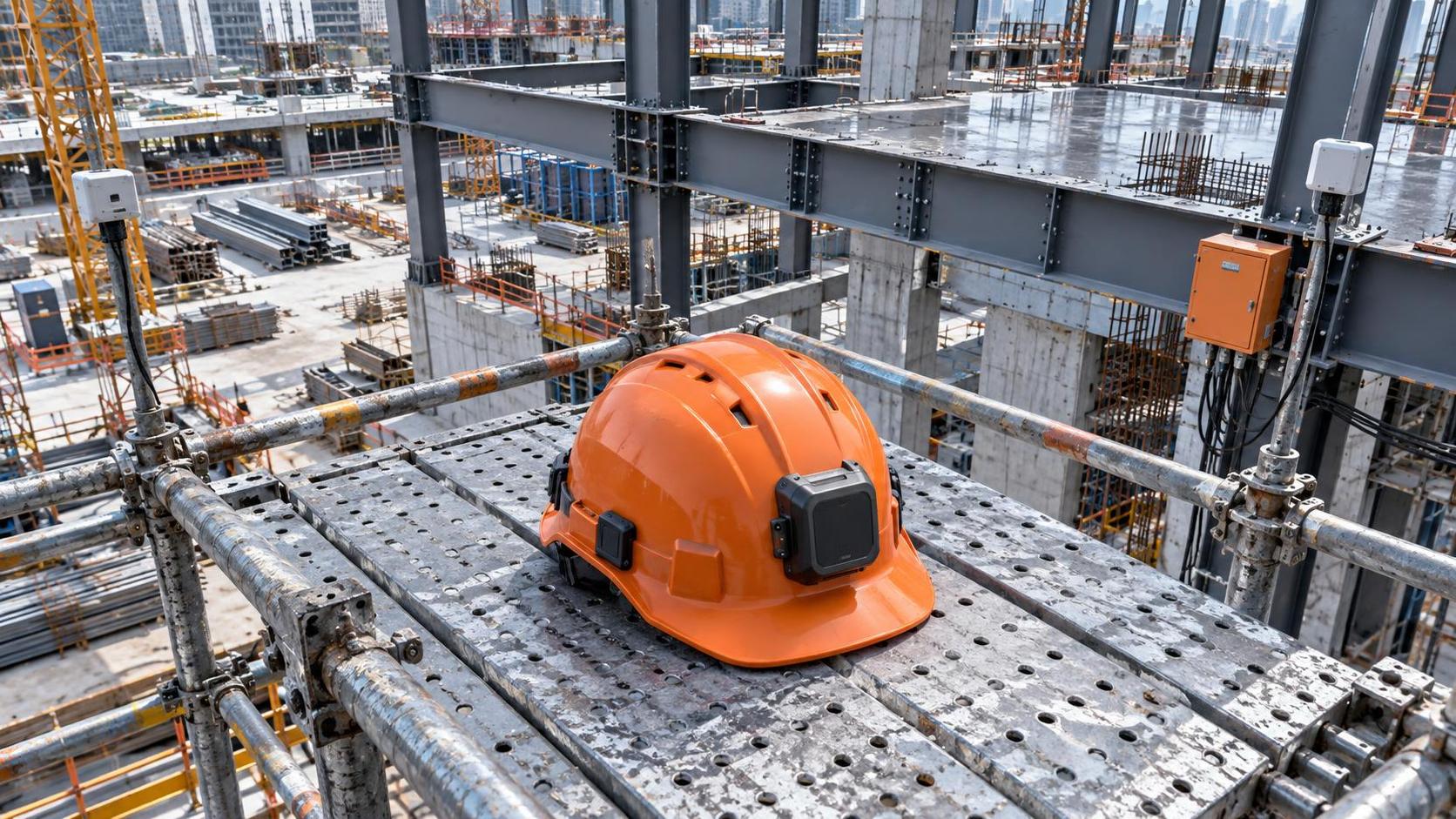
Strong contractors use task-based hazard reviews, live permit controls, traffic management plans, and clear exclusion zones.
Near-miss reporting also matters. It highlights weak signals before they become incidents.
Disciplined subcontractor coordination
Many city projects depend on specialist trades working in narrow time windows. Misalignment creates immediate delays.
Infrastructure construction companies reduce project risk with short-cycle planning, daily coordination huddles, and constraint removal tracking.
This keeps field teams aligned on access, equipment, permits, and sequencing.
Change control that moves quickly
Scope changes are common in urban builds. The risk comes from slow evaluation and unclear ownership.
Practical teams define approval paths, cost thresholds, and documentation rules before major changes occur.
That reduces dispute risk and protects both schedule credibility and commercial control.
Technology that helps infrastructure construction companies reduce project risk
Technology does not remove risk by itself. It becomes valuable when it improves visibility, timing, and accountability.
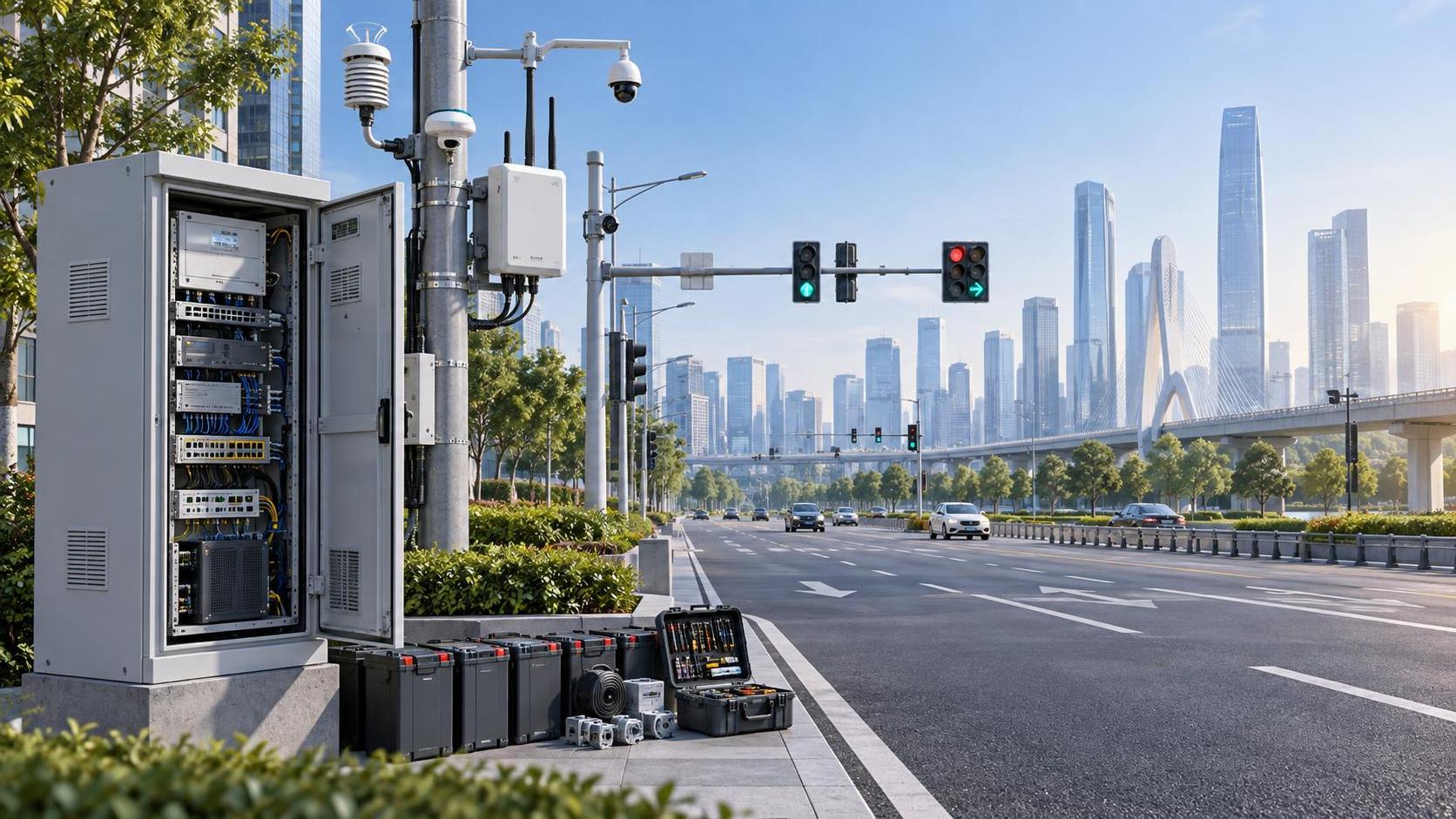
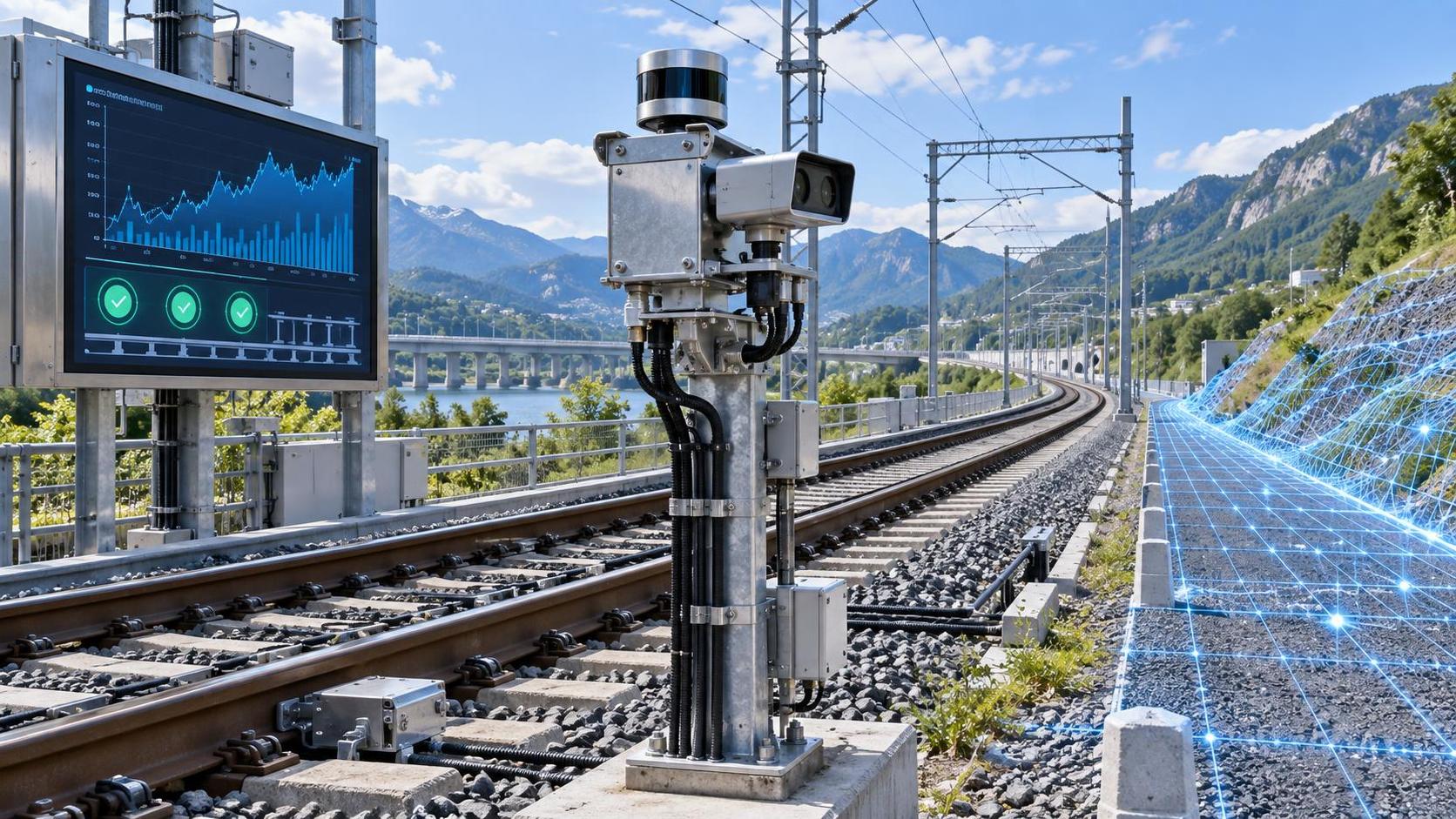
Recently, infrastructure construction companies reduce project risk more effectively by combining digital models with live site data.
For a platform like GIUT, this shift is especially important. The physical world now needs intelligence layers, not just stronger structures.
That broader view helps teams connect engineering decisions with governance, logistics, sustainability, and long-term asset resilience.
Compliance and stakeholder strategies that prevent disruption
Many urban project failures are not technical. They come from weak communication, poor documentation, or delayed regulatory response.
Infrastructure construction companies reduce project risk by treating compliance and stakeholder management as operating systems, not side tasks.
Stay ahead of compliance drift
Permits, inspections, environmental controls, and labor rules can change during long projects.
High-performing teams track approvals in one place and review upcoming obligations before they become blockers.
Manage communities proactively
Residents and nearby businesses influence project momentum more than many planners expect.
Clear notices, complaint response channels, and transparent traffic updates can lower resistance and reduce escalation.
This also protects brand trust for infrastructure construction companies working in visible public settings.
A practical framework for reducing risk on the next urban build
If the goal is immediate application, a simple framework helps. It turns broad principles into daily execution.
- Audit site intelligence before finalizing methods or procurement.
- Rank the top ten risks by impact, not by familiarity.
- Assign one accountable owner to each major risk item.
- Link schedule reviews to permit, utility, and access constraints.
- Use field data to update assumptions every week.
- Escalate changes fast and document decisions clearly.
- Keep community and authority communication active throughout delivery.
This is usually how infrastructure construction companies reduce project risk consistently, even when urban conditions keep shifting.
The key is consistency. Risk frameworks only work when leaders revisit them with urgency and honesty.
Final takeaway
Urban projects will keep getting denser, smarter, and more exposed to public scrutiny. That trend is unlikely to reverse.
The most effective infrastructure construction companies reduce project risk by combining early investigation, disciplined execution, digital visibility, and stakeholder trust.
For teams leading complex builds, the practical next step is clear: strengthen the weak points before the city exposes them for you.
That approach protects delivery today and builds more resilient urban infrastructure for the future.
Get weekly intelligence in your inbox.
No noise. No sponsored content. Pure intelligence.
News Recommendations
 Sep 19, 2026How an electronics application guide helps prevent component mismatchHow an electronics application guide helps prevent component mismatch
 Sep 18, 2026When a resource allocation platform improves project deliveryWhen a resource allocation platform improves project delivery
 Sep 17, 2026What to compare when evaluating mineral processing equipment manufacturersWhat to compare when evaluating mineral processing equipment manufacturers
 Sep 16, 2026How mineral separation optimization can reduce concentrate lossesHow mineral separation optimization can reduce concentrate losses
 Sep 15, 2026How to assess lifecycle costs in urban tech procurementHow to assess lifecycle costs in urban tech procurement
 Sep 14, 2026Heavy industry technology trends reshaping capital investment prioritiesHeavy industry technology trends reshaping capital investment priorities
 Sep 14, 2026Global Industrial Equipment Procurement: How Top OEMs Qualify Suppliers for Mining & Infrastructure ProjectsGlobal Industrial Equipment Procurement: How Top OEMs Qualify Suppliers for Mining & Infrastructure Projects
 Sep 14, 2026Industrial & Mining Equipment Procurement: Balancing Local Sourcing, Lead Time, and Certification RequirementsIndustrial & Mining Equipment Procurement: Balancing Local Sourcing, Lead Time, and Certification Requirements
 Sep 14, 2026Infrastructure & Equipment Upgrades: What Procurement Teams Must Verify Before Signing Off on New ContractsInfrastructure & Equipment Upgrades: What Procurement Teams Must Verify Before Signing Off on New Contracts
 Sep 14, 2026Why Infrastructure Equipment Buyers Are Shifting from Catalog-Based to Capability-Based Supplier SelectionWhy Infrastructure Equipment Buyers Are Shifting from Catalog-Based to Capability-Based Supplier Selection
 Sep 14, 2026Process Automation Project Execution: How to Align Supplier Capabilities with PLC Integration, Cybersecurity & Commissioning MilestonesProcess Automation Project Execution: How to Align Supplier Capabilities with PLC Integration, Cybersecurity & Commissioning Milestones
 Sep 14, 2026Are intelligent traffic systems worth the investment for small cities?Are intelligent traffic systems worth the investment for small cities?
 Sep 14, 2026How do intelligent traffic systems handle sensor failures?How do intelligent traffic systems handle sensor failures?
 Sep 14, 2026What should I check before accepting a smart building system?What should I check before accepting a smart building system?
 Sep 14, 2026Is a smart building system worth the maintenance cost?Is a smart building system worth the maintenance cost?
 Sep 14, 2026What data is needed for reliable resource allocation planning?What data is needed for reliable resource allocation planning?
 Sep 14, 2026How can resource allocation software reduce equipment idle time?How can resource allocation software reduce equipment idle time?
 Sep 14, 2026How should smart devices be maintained in harsh outdoor conditions?How should smart devices be maintained in harsh outdoor conditions?
 Sep 14, 2026Do smart devices improve worker safety on construction sites?Do smart devices improve worker safety on construction sites?
 Sep 14, 2026What environmental risks must be assessed before deep-sea mining?What environmental risks must be assessed before deep-sea mining?
 Sep 14, 2026Is deep-sea mining equipment commercially viable in 2026?Is deep-sea mining equipment commercially viable in 2026?
 Sep 14, 2026What Inspection Checks Should Procurement Teams Perform Before Ordering Dredging Equipment in 2026?What Inspection Checks Should Procurement Teams Perform Before Ordering Dredging Equipment in 2026?
 Sep 13, 2026How to verify an industrial product information source before specifying equipmentHow to verify an industrial product information source before specifying equipment
 Sep 12, 2026Which intelligent traffic systems hardware fits an urban intersection?Which intelligent traffic systems hardware fits an urban intersection?
 Sep 11, 2026How pump capacity affects response coverage for municipal fire fighting vehiclesHow pump capacity affects response coverage for municipal fire fighting vehicles
 Sep 10, 2026What to verify before choosing a heavy industry equipment supplierWhat to verify before choosing a heavy industry equipment supplier
 Sep 09, 2026When do adaptive urban traffic control systems reduce corridor delays?When do adaptive urban traffic control systems reduce corridor delays?