Civil Engineering Technology Trends Shaping 2026 Projects
Civil engineering technology is moving from support function to board-level priority

As 2026 project pipelines solidify, civil engineering technology is no longer a background choice.
It increasingly shapes capital timing, delivery certainty, compliance exposure, and long-term asset value.
That shift is visible across transport corridors, smart districts, industrial zones, utilities, and public works.
What matters now is not one breakthrough, but a tighter connection between physical infrastructure and intelligence systems.
This is why civil engineering technology sits closer to urban governance, heavy equipment modernization, and resource efficiency than before.
Across global infrastructure conversations, the strongest signal is clear: projects are expected to be faster, cleaner, more traceable, and more adaptive.
That expectation is changing procurement logic, design workflows, construction sequencing, and maintenance planning.
For organizations tracking the physical world through a digital lens, this moment looks less like gradual improvement and more like operational redesign.
The signals behind 2026 are becoming harder to ignore
Several shifts are converging at once, and each one reinforces the others.
Material volatility still pressures budgets, while climate risk raises design thresholds for drainage, heat, flooding, and structural durability.
At the same time, labor availability remains uneven, especially for specialized field execution and inspection work.
More owners are also demanding real-time visibility instead of periodic reporting after delays already compound.
In that environment, civil engineering technology becomes a response to uncertainty, not just a productivity upgrade.
From recent project behavior, four demand signals stand out:
- Digital continuity from planning to operation is becoming a basic requirement.
- Low-carbon performance is moving from reporting language into technical specifications.
- Construction methods are being judged on schedule resilience, not only unit cost.
- Equipment, site data, and city systems are expected to work as connected layers.
This explains why civil engineering technology now draws interest from infrastructure, logistics, urban tech, and heavy industry at the same time.
Why digital twins are becoming a practical tool, not a showcase feature
A few years ago, digital twins were often presented as ambitious future-state models.
By 2026, they are increasingly judged by whether they reduce rework, improve phasing, and support asset decisions.
That practical turn matters.
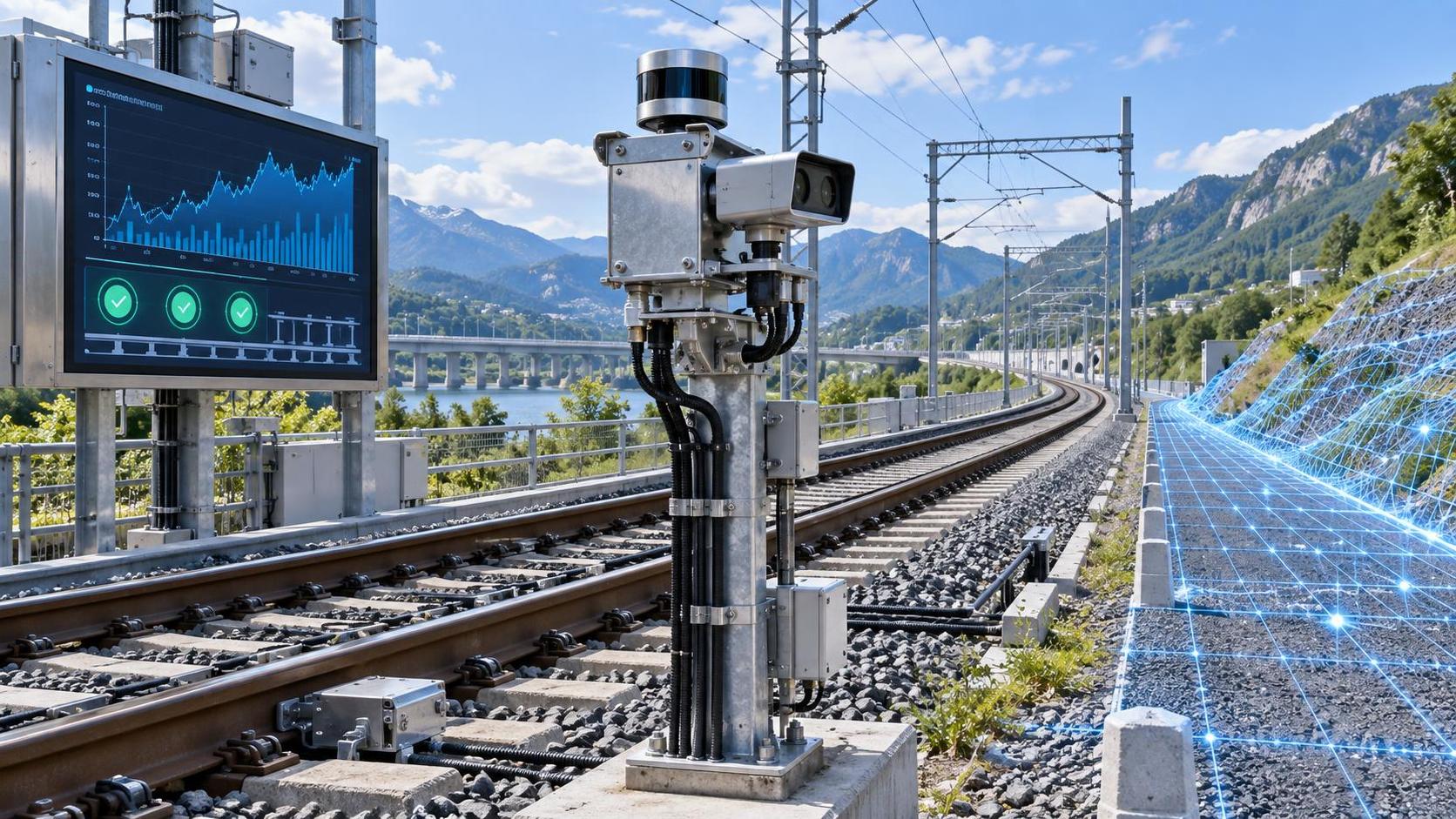
For rail links, utility corridors, and mixed-use urban projects, digital twins help teams align geology, utilities, structures, traffic interfaces, and operational constraints earlier.
The result is not perfect prediction.
It is better coordination before errors become concrete, steel, or litigation.
This is also where GIUT’s infrastructure intelligence perspective becomes relevant.
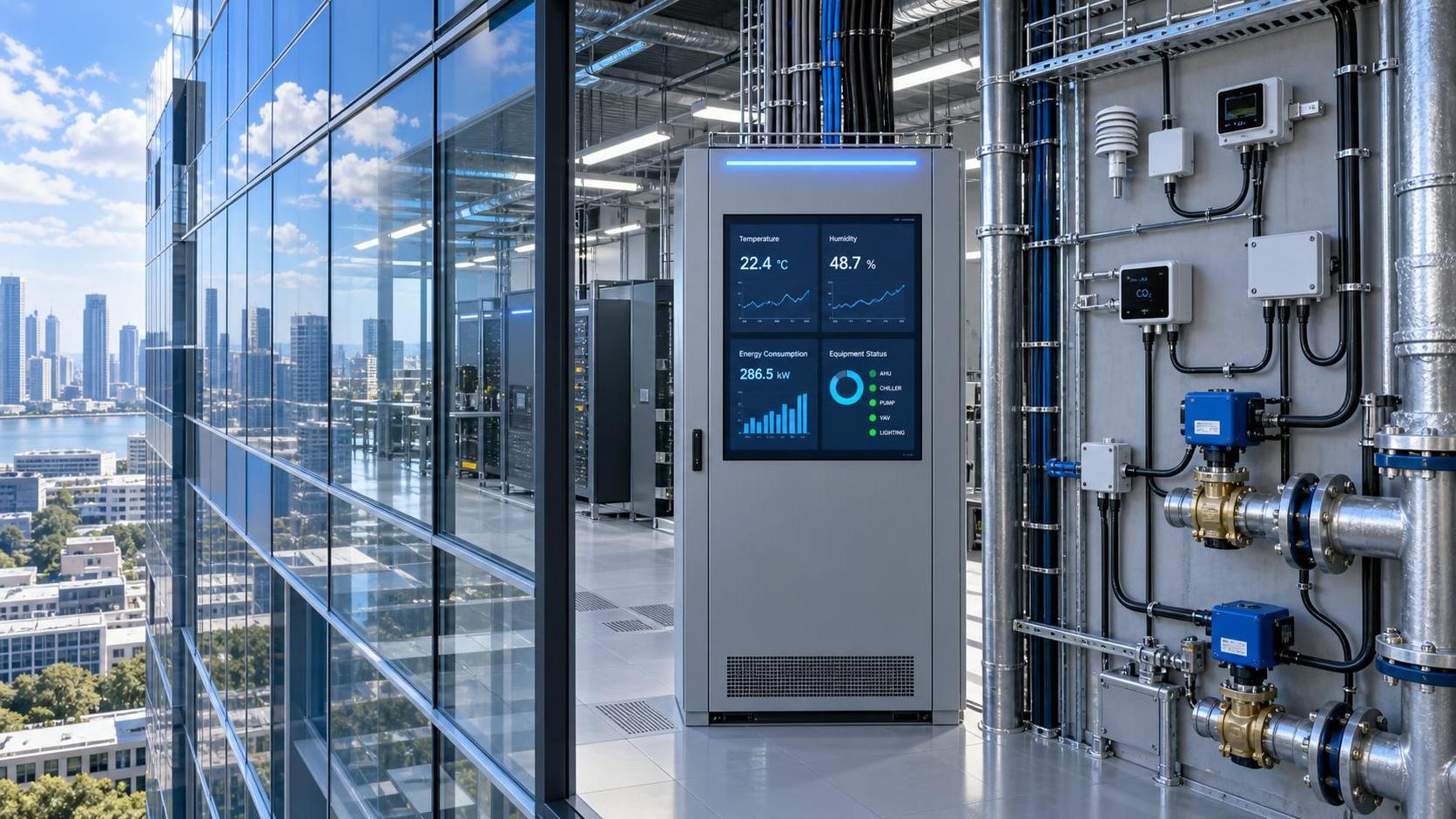
Civil engineering technology now performs best when design data connects with urban systems, equipment inputs, and lifecycle monitoring.
The digital twin is valuable because it links the physical project with the governance logic around it.
Where digital twin adoption is gaining real traction
Prefabrication is being judged by resilience, not novelty
Modular and prefabricated methods are no longer discussed only as labor-saving alternatives.
They are now part of a broader civil engineering technology strategy for schedule control and quality consistency.
That is especially visible in bridges, transit stations, utility chambers, data centers, and public service facilities.
The logic is straightforward.
When projects face weather volatility, site congestion, and permitting pressure, shifting more work into controlled environments reduces exposure.
But adoption still depends on design discipline, transport planning, lifting capacity, and tolerances across suppliers.
The market is therefore rewarding integrated project teams, not isolated off-site production claims.
More advanced programs combine prefabrication with equipment telemetry, installation sequencing, and site simulation.
That blend is where civil engineering technology starts to produce strategic advantage instead of incremental savings.
AI on the jobsite is shifting from monitoring to decision support
AI-enabled site management is maturing beyond image capture and dashboard alerts.
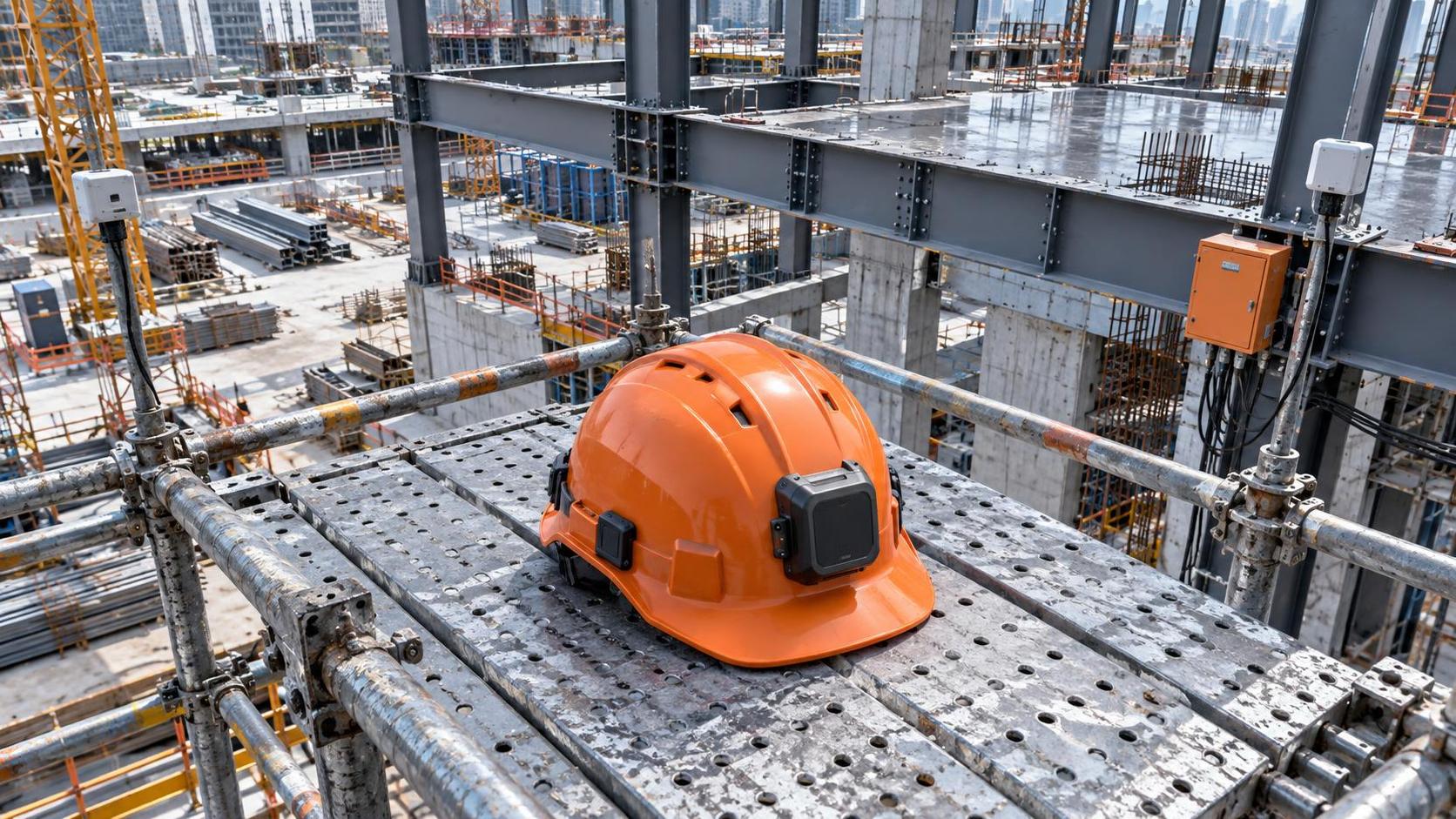
The stronger use case now is decision support across safety, sequencing, equipment utilization, and quality verification.
That does not remove human accountability.
It changes where people spend attention.
Instead of chasing fragmented reports, teams can focus on anomaly detection, coordination conflicts, and resource bottlenecks.
This matters in large infrastructure programs where one delay can ripple into logistics, traffic management, and subcontractor availability.
The same pattern is emerging in heavy equipment fleets.
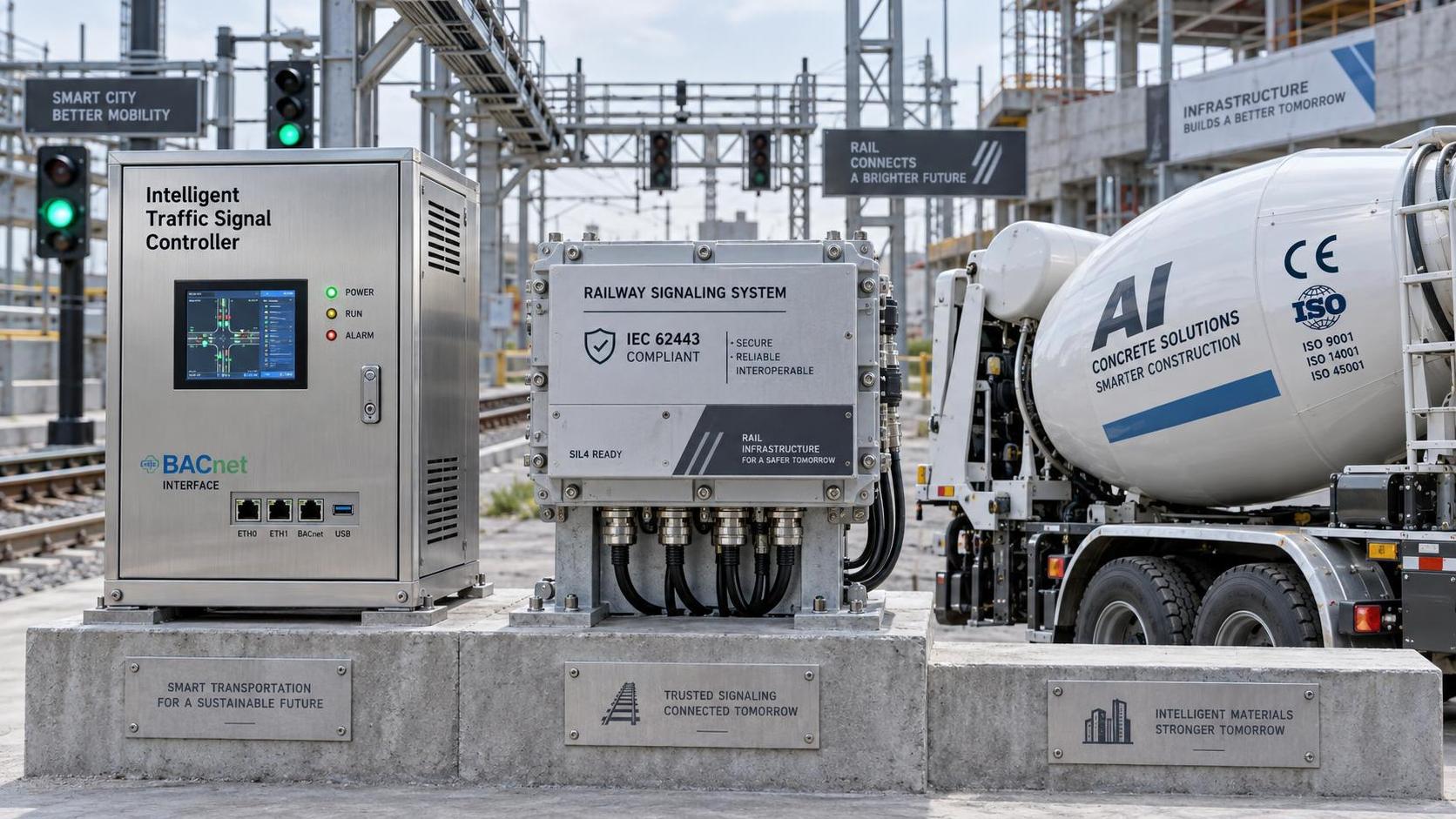
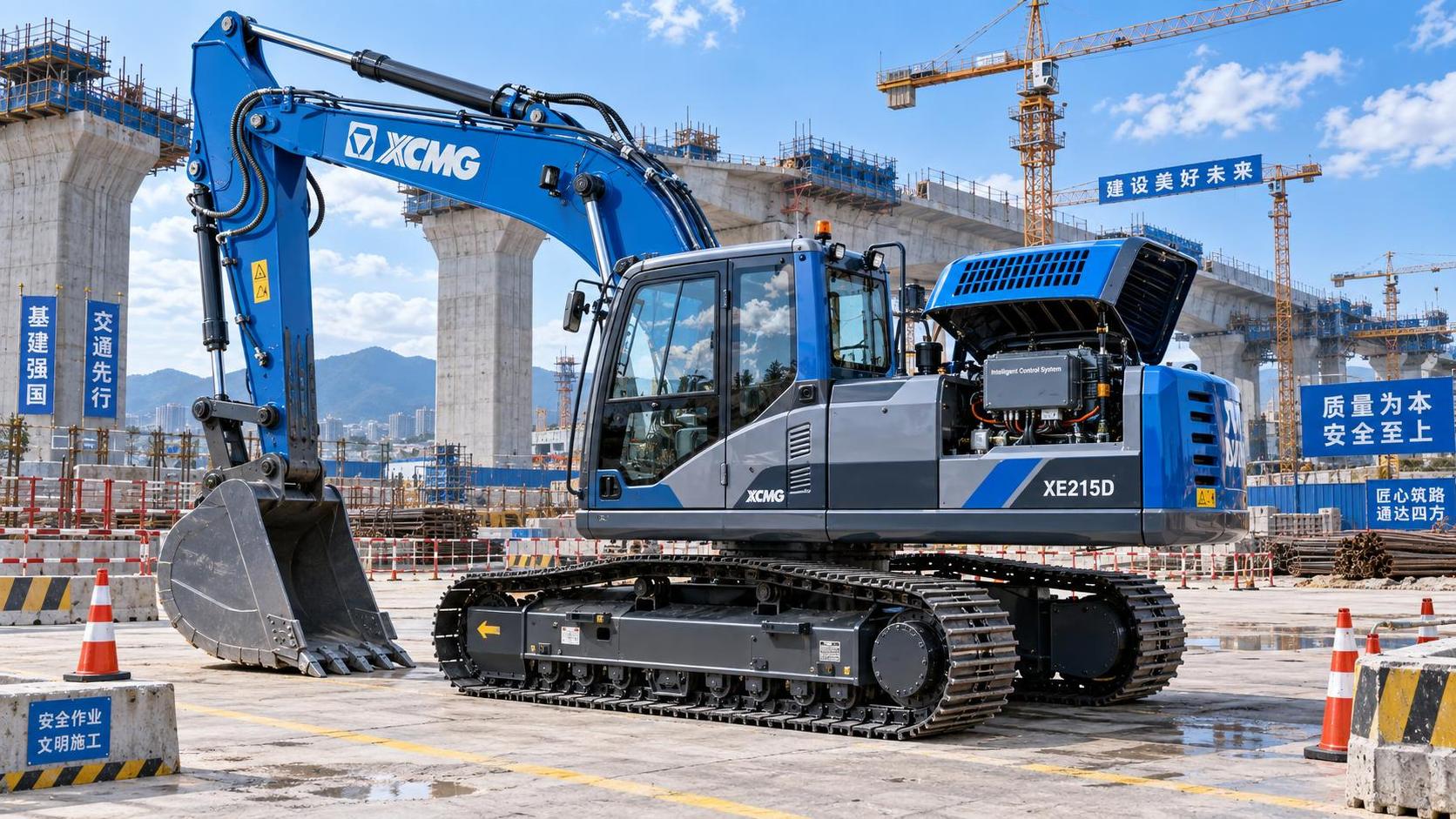
Cranes, mixers, and specialized vehicles are increasingly part of the project data environment, not just hired assets.
As a result, civil engineering technology is beginning to connect site execution with machinery intelligence in measurable ways.
Questions worth asking before scaling AI tools
- Is the data reliable enough to support field decisions, not only reporting?
- Can the system fit existing contract structures and compliance obligations?
- Does it improve response time on site exceptions that affect cost or safety?
- Will equipment, design, and schedule data remain interoperable after handover?
Low-carbon materials are changing procurement logic and design priorities
Another clear 2026 signal is the move from sustainability pledges toward measurable material choices.
Concrete mixes, recycled inputs, alternative binders, and steel optimization are receiving deeper technical scrutiny.
This is not only about emissions reporting.
It is about future approvals, financing conditions, and asset reputation in more regulated markets.
Still, the adoption curve is uneven.
Performance validation, curing behavior, regional supply stability, and code acceptance remain decisive barriers.
This means civil engineering technology must combine material innovation with testing discipline and standards awareness.
The organizations moving fastest are not treating low-carbon inputs as standalone substitutions.
They are redesigning specifications, supplier evaluation, and lifecycle assumptions together.
The biggest impact is happening between sectors, not inside silos
One of the most important market shifts is that civil engineering technology now influences adjacent systems more directly.
A rail expansion affects logistics timing, grid planning, urban mobility data, and maintenance equipment strategies.
A smart district project now touches drainage analytics, sensor networks, public safety infrastructure, and waste automation.
Mining and resource projects show the same pattern, especially where transport access, worker safety, and environmental controls intersect.
This broader integration is why infrastructure intelligence platforms have gained importance.
Decision quality improves when civil engineering technology is read within a larger map of governance, machinery, and operational data.
That perspective is increasingly necessary for projects expected to perform like living systems, not isolated assets.
What deserves closer attention before budgets and roadmaps are locked
The next phase will likely reward disciplined selection more than broad experimentation.
Not every tool labeled advanced civil engineering technology will deliver strategic value.
The better approach is to test each option against project exposure, integration readiness, and lifecycle relevance.
- Map where delay risk, carbon pressure, or asset uncertainty is highest.
- Prioritize technologies that improve coordination across design, construction, and operation.
- Review standards, data ownership, and interoperability before scaling pilots.
- Compare material and equipment decisions through total lifecycle performance, not bid price alone.
- Build phased adoption plans tied to measurable delivery outcomes.
From a 2026 standpoint, the market is sending a consistent message.
Civil engineering technology works best when it connects the backbone of infrastructure with the intelligence needed to sustain it.
The most useful next step is to reassess current projects through that lens and identify where technical change will alter outcomes, not just processes.
Get weekly intelligence in your inbox.
No noise. No sponsored content. Pure intelligence.
News Recommendations
 Sep 19, 2026How an electronics application guide helps prevent component mismatchHow an electronics application guide helps prevent component mismatch
 Sep 18, 2026When a resource allocation platform improves project deliveryWhen a resource allocation platform improves project delivery
 Sep 17, 2026What to compare when evaluating mineral processing equipment manufacturersWhat to compare when evaluating mineral processing equipment manufacturers
 Sep 16, 2026How mineral separation optimization can reduce concentrate lossesHow mineral separation optimization can reduce concentrate losses
 Sep 15, 2026How to assess lifecycle costs in urban tech procurementHow to assess lifecycle costs in urban tech procurement
 Sep 14, 2026Heavy industry technology trends reshaping capital investment prioritiesHeavy industry technology trends reshaping capital investment priorities
 Sep 14, 2026Global Industrial Equipment Procurement: How Top OEMs Qualify Suppliers for Mining & Infrastructure ProjectsGlobal Industrial Equipment Procurement: How Top OEMs Qualify Suppliers for Mining & Infrastructure Projects
 Sep 14, 2026Industrial & Mining Equipment Procurement: Balancing Local Sourcing, Lead Time, and Certification RequirementsIndustrial & Mining Equipment Procurement: Balancing Local Sourcing, Lead Time, and Certification Requirements
 Sep 14, 2026Infrastructure & Equipment Upgrades: What Procurement Teams Must Verify Before Signing Off on New ContractsInfrastructure & Equipment Upgrades: What Procurement Teams Must Verify Before Signing Off on New Contracts
 Sep 14, 2026Why Infrastructure Equipment Buyers Are Shifting from Catalog-Based to Capability-Based Supplier SelectionWhy Infrastructure Equipment Buyers Are Shifting from Catalog-Based to Capability-Based Supplier Selection
 Sep 14, 2026Process Automation Project Execution: How to Align Supplier Capabilities with PLC Integration, Cybersecurity & Commissioning MilestonesProcess Automation Project Execution: How to Align Supplier Capabilities with PLC Integration, Cybersecurity & Commissioning Milestones
 Sep 14, 2026Are intelligent traffic systems worth the investment for small cities?Are intelligent traffic systems worth the investment for small cities?
 Sep 14, 2026How do intelligent traffic systems handle sensor failures?How do intelligent traffic systems handle sensor failures?
 Sep 14, 2026What should I check before accepting a smart building system?What should I check before accepting a smart building system?
 Sep 14, 2026Is a smart building system worth the maintenance cost?Is a smart building system worth the maintenance cost?
 Sep 14, 2026What data is needed for reliable resource allocation planning?What data is needed for reliable resource allocation planning?
 Sep 14, 2026How can resource allocation software reduce equipment idle time?How can resource allocation software reduce equipment idle time?
 Sep 14, 2026How should smart devices be maintained in harsh outdoor conditions?How should smart devices be maintained in harsh outdoor conditions?
 Sep 14, 2026Do smart devices improve worker safety on construction sites?Do smart devices improve worker safety on construction sites?
 Sep 14, 2026What environmental risks must be assessed before deep-sea mining?What environmental risks must be assessed before deep-sea mining?
 Sep 14, 2026Is deep-sea mining equipment commercially viable in 2026?Is deep-sea mining equipment commercially viable in 2026?
 Sep 14, 2026What Inspection Checks Should Procurement Teams Perform Before Ordering Dredging Equipment in 2026?What Inspection Checks Should Procurement Teams Perform Before Ordering Dredging Equipment in 2026?
 Sep 13, 2026How to verify an industrial product information source before specifying equipmentHow to verify an industrial product information source before specifying equipment
 Sep 12, 2026Which intelligent traffic systems hardware fits an urban intersection?Which intelligent traffic systems hardware fits an urban intersection?
 Sep 11, 2026How pump capacity affects response coverage for municipal fire fighting vehiclesHow pump capacity affects response coverage for municipal fire fighting vehicles
 Sep 10, 2026What to verify before choosing a heavy industry equipment supplierWhat to verify before choosing a heavy industry equipment supplier
 Sep 09, 2026When do adaptive urban traffic control systems reduce corridor delays?When do adaptive urban traffic control systems reduce corridor delays?