Mining Technology Innovations Reshaping Safety and Output in 2026
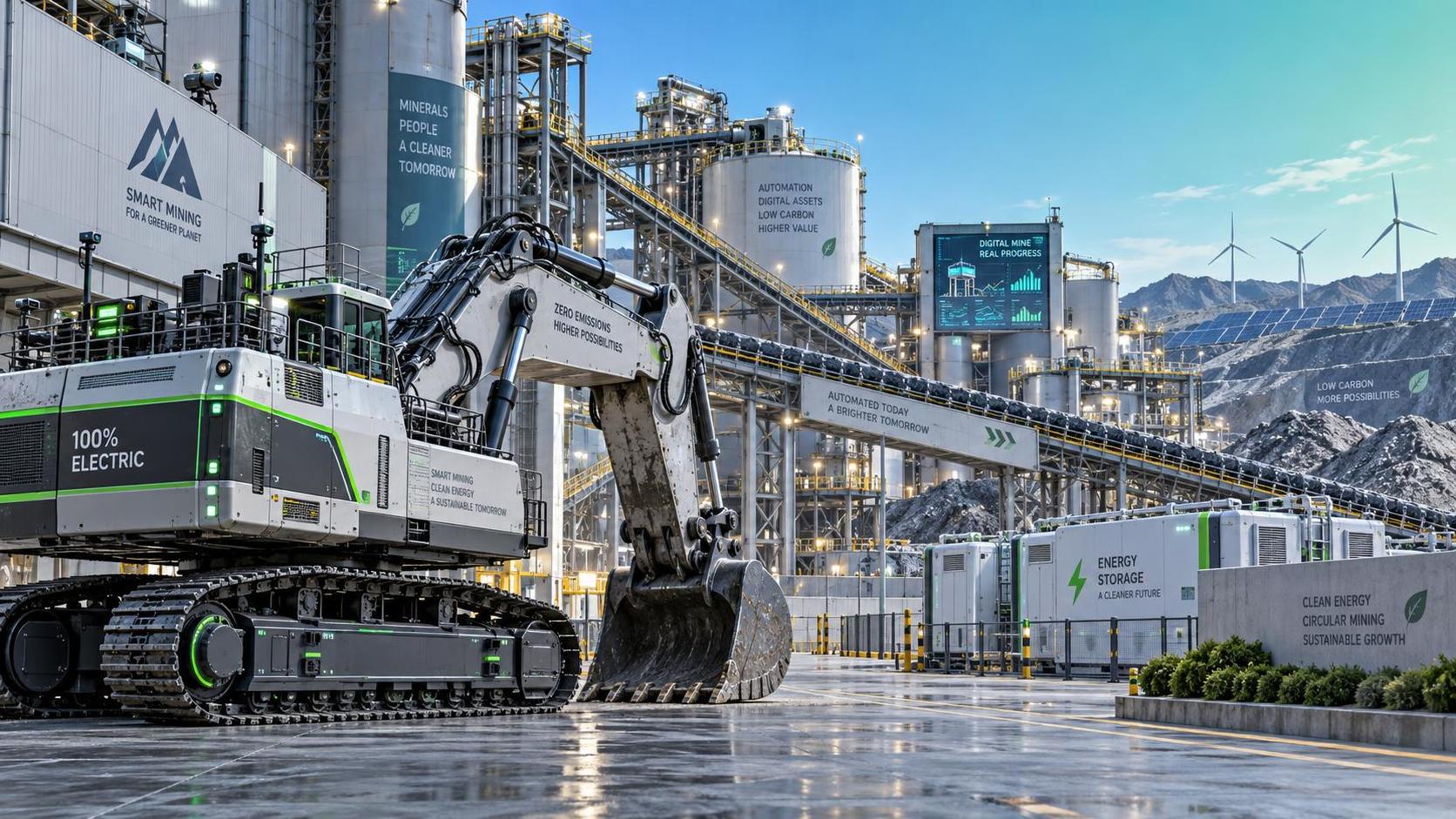
In 2026, mining technology innovations are no longer a side topic in heavy industry strategy. They now shape how mining groups protect workers, maintain output, manage energy use, and respond to tighter expectations from investors, regulators, and downstream infrastructure markets.
That shift matters beyond the mine gate. Ore, aggregates, rare earths, and industrial minerals support construction, transport systems, electrification, and smart urban development. When mining becomes safer and more predictable, the entire physical economy becomes more resilient.
From GIUT’s cross-sector perspective, the most important change is not one machine or one software platform. It is the convergence of automation, sensing, analytics, and equipment intelligence into a more connected operating model.
Why mining technology innovations now carry board-level weight
The mining sector has always balanced risk against output. In 2026, that balance is harder to manage because deposits are deeper, labor conditions are tighter, and cost volatility moves faster across global supply chains.
Mining technology innovations answer this pressure by turning operations into measurable systems. Instead of reacting after an incident, operators can identify instability, equipment stress, and ventilation issues before they interrupt production.
This is especially relevant for businesses linked to rail freight, heavy equipment, processing plants, and infrastructure delivery. Mine downtime can delay materials for concrete, steelmaking, battery production, and urban expansion projects.
In practical terms, safety and output are no longer competing goals. Better visibility into people, machines, and geology often improves both at the same time.
What the term really includes in 2026
The phrase mining technology innovations covers a wider field than automation alone. It includes the digital, mechanical, and operational tools that reshape extraction, transport, inspection, maintenance, and environmental control.
The strongest solutions usually connect five layers rather than optimizing one isolated step.
- Autonomous and semi-autonomous equipment for drilling, hauling, and loading.
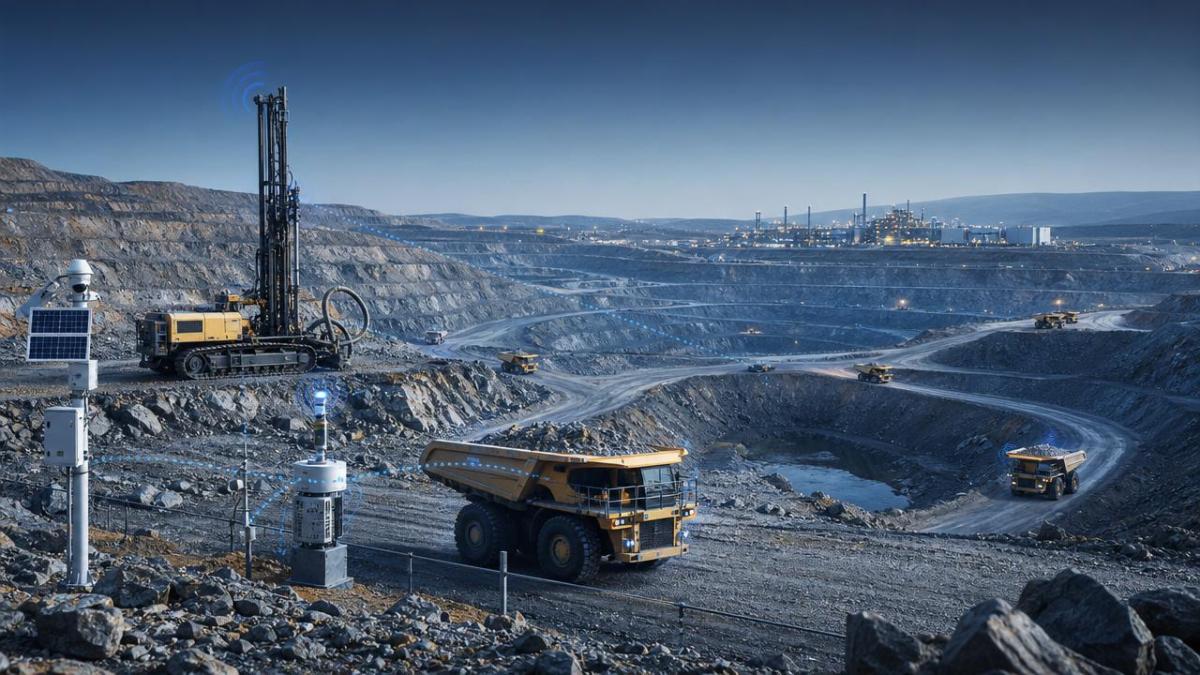
- Real-time sensing for gas, dust, slope movement, water ingress, and machine health.
- Operational data platforms that combine fleet, geology, maintenance, and safety signals.
- Remote operations centers that support faster decisions across multiple sites.
- Energy and emissions controls tied to ventilation, electrification, and process efficiency.
Simple upgrades still matter. A smart braking system, fatigue monitoring camera, or predictive pump alert may deliver more immediate value than a full autonomy rollout if the operational bottleneck is already clear.
Safety is being redesigned through visibility and distance
For decades, mine safety depended heavily on procedures, supervision, and worker discipline. Those remain essential, but mining technology innovations add a new layer: they reduce exposure by moving people away from the highest-risk zones.
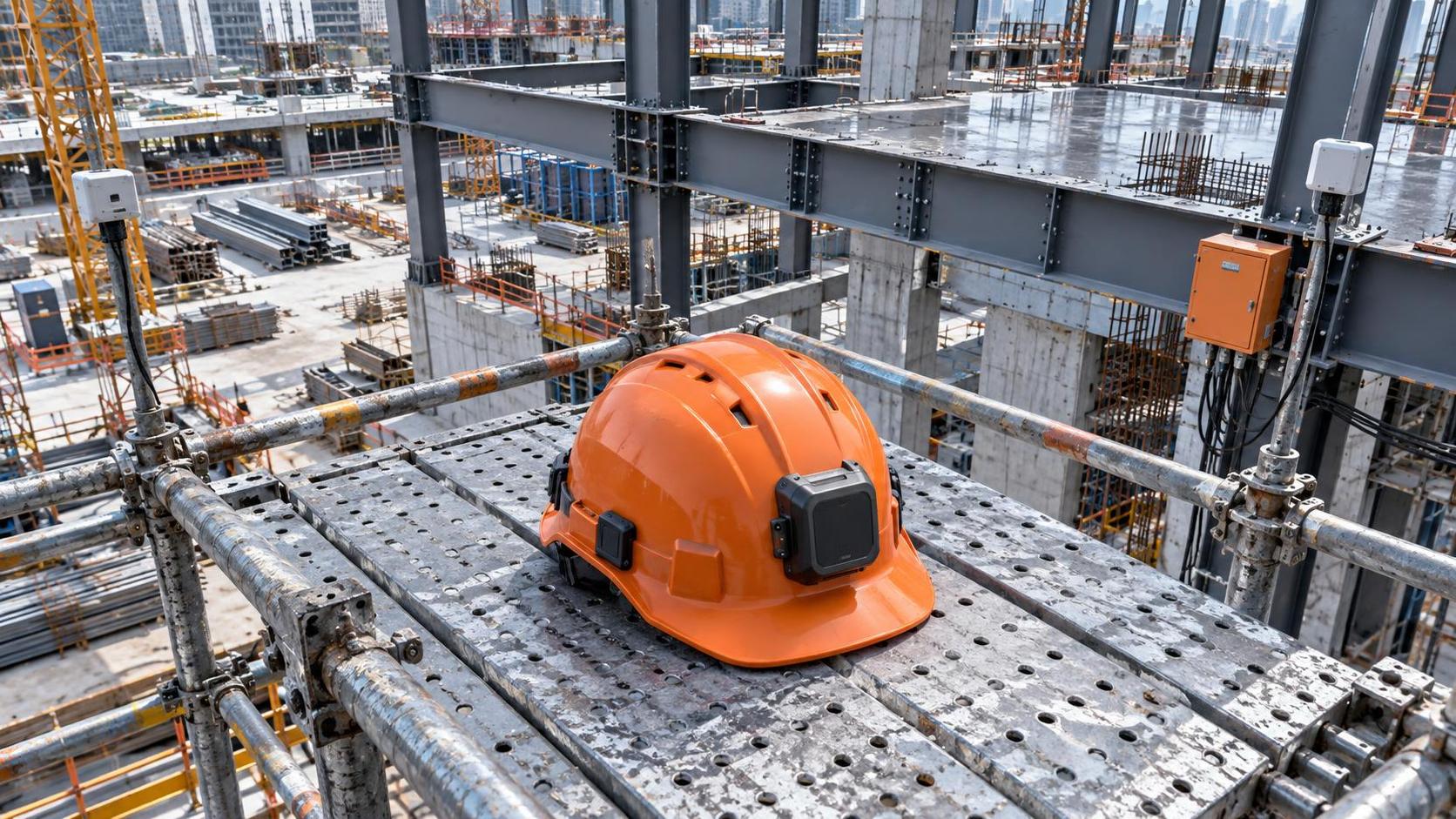
Autonomous haul trucks and tele-remote loaders limit human presence in unstable areas. Wearable devices track location and biometrics in underground operations. Drone and robot inspections reduce the need for manual entry after blasting or geotechnical events.
The result is not just fewer incidents. It is also better incident prevention, because management sees patterns earlier. Near misses, route conflicts, repeated overloads, and abnormal heat signatures become decision inputs rather than archived reports.
Ventilation-on-demand systems show this clearly. By linking occupancy data with air quality and power consumption, sites can improve underground conditions while lowering unnecessary energy use.
Typical safety gains from current deployments
Output improves when variability is reduced
Productivity conversations in mining often focus on tons per hour. In reality, output is shaped by variability. A site loses far more value from unstable cycles, stop-start maintenance, and poor ore visibility than from a small gap in top speed.
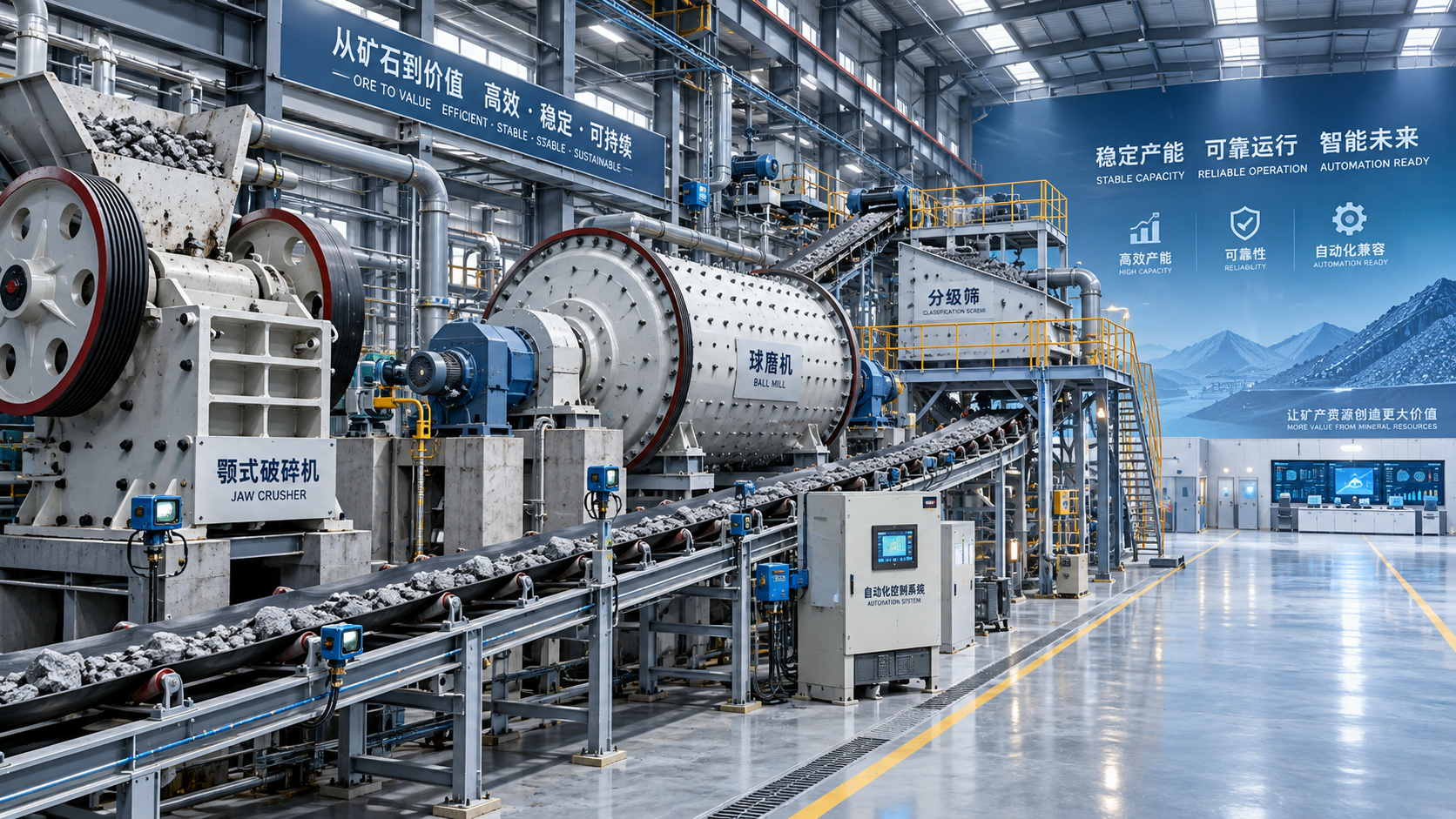
This is where mining technology innovations are changing management thinking. Advanced dispatch systems align haulage with crusher availability. Ore tracking tools reduce dilution. Condition monitoring keeps assets in service longer without waiting for breakdowns.
Digital twins are gaining traction as well. GIUT often frames them as a bridge between the physical and intelligent world. In mining, a digital twin can connect mine design, equipment status, process flows, and environmental data into one operating picture.
That broader view matters because local optimization can damage total output. A faster loading unit means little if rail dispatch, stockpile blending, or downstream processing cannot absorb the volume.
Where adoption is moving fastest
The pace of change differs by mineral type, mine design, and capital profile. Even so, several adoption zones are standing out in 2026.
Open-pit operations
Large surface mines continue to lead in autonomous haulage, dispatch optimization, and collision avoidance. The scale of these fleets makes small efficiency gains financially visible very quickly.
Underground mines
Underground sites prioritize ventilation control, personnel tracking, remote loading, and rock stability monitoring. Here, safety value often drives the business case before productivity gains are fully counted.
Critical mineral projects
Projects linked to batteries, electrification, and strategic supply security are investing early in data-rich systems. They face stronger pressure to prove reliability, traceability, and environmental discipline from the beginning.
Brownfield modernization
Many mature sites are not replacing everything. They are layering sensors, analytics, and partial automation onto existing fleets. This approach often delivers faster payback and lower organizational disruption.
How to evaluate mining technology innovations without chasing hype
The market is crowded with promises around AI, robotics, and connected equipment. A more useful evaluation starts with constraints already limiting the operation.
- Identify the dominant source of loss: safety incidents, maintenance delays, ore variability, energy intensity, or labor access.
- Check data readiness before platform expansion. Poor sensor quality weakens every dashboard.
- Measure interoperability with existing fleet, plant, and logistics systems.
- Model value across the full chain, not just inside one department.
- Review workforce adaptation, remote support, and cybersecurity from the start.
Usually, the strongest case is operationally narrow and strategically broad. In other words, begin with one measurable problem, but select technology that can scale across sites, fleets, or adjacent infrastructure systems later.
A wider infrastructure lens is becoming essential
Mining does not operate in isolation. The same intelligence trends shaping smart construction, rail corridors, and specialized equipment are now influencing mine planning and execution.
That is why mining technology innovations should be viewed through a wider industrial lens. Haul roads connect to logistics networks. Electrified fleets affect grid demand. Material traceability supports public infrastructure procurement and sustainability reporting.
GIUT’s multi-sector approach is useful here because resource extraction increasingly shares the same digital logic as other backbone industries: connected assets, real-time control, lower emissions, and smarter use of capital.
What to watch next
Over the next cycle, attention will likely shift from isolated pilot projects to operating architecture. The key question will be less about whether a tool works and more about how multiple tools work together at scale.
The most credible mining technology innovations will show three traits. They will reduce human exposure, stabilize throughput under variable conditions, and integrate cleanly with maintenance, energy, and logistics decisions.
A sensible next step is to map current risk points, identify where output variability begins, and compare technologies by interoperability and implementation depth rather than novelty alone. That creates a clearer path from experimentation to durable advantage.
Get weekly intelligence in your inbox.
No noise. No sponsored content. Pure intelligence.
News Recommendations
 Sep 19, 2026How an electronics application guide helps prevent component mismatchHow an electronics application guide helps prevent component mismatch
 Sep 18, 2026When a resource allocation platform improves project deliveryWhen a resource allocation platform improves project delivery
 Sep 17, 2026What to compare when evaluating mineral processing equipment manufacturersWhat to compare when evaluating mineral processing equipment manufacturers
 Sep 16, 2026How mineral separation optimization can reduce concentrate lossesHow mineral separation optimization can reduce concentrate losses
 Sep 15, 2026How to assess lifecycle costs in urban tech procurementHow to assess lifecycle costs in urban tech procurement
 Sep 14, 2026Heavy industry technology trends reshaping capital investment prioritiesHeavy industry technology trends reshaping capital investment priorities
 Sep 14, 2026Global Industrial Equipment Procurement: How Top OEMs Qualify Suppliers for Mining & Infrastructure ProjectsGlobal Industrial Equipment Procurement: How Top OEMs Qualify Suppliers for Mining & Infrastructure Projects
 Sep 14, 2026Industrial & Mining Equipment Procurement: Balancing Local Sourcing, Lead Time, and Certification RequirementsIndustrial & Mining Equipment Procurement: Balancing Local Sourcing, Lead Time, and Certification Requirements
 Sep 14, 2026Infrastructure & Equipment Upgrades: What Procurement Teams Must Verify Before Signing Off on New ContractsInfrastructure & Equipment Upgrades: What Procurement Teams Must Verify Before Signing Off on New Contracts
 Sep 14, 2026Why Infrastructure Equipment Buyers Are Shifting from Catalog-Based to Capability-Based Supplier SelectionWhy Infrastructure Equipment Buyers Are Shifting from Catalog-Based to Capability-Based Supplier Selection
 Sep 14, 2026Process Automation Project Execution: How to Align Supplier Capabilities with PLC Integration, Cybersecurity & Commissioning MilestonesProcess Automation Project Execution: How to Align Supplier Capabilities with PLC Integration, Cybersecurity & Commissioning Milestones
 Sep 14, 2026Are intelligent traffic systems worth the investment for small cities?Are intelligent traffic systems worth the investment for small cities?
 Sep 14, 2026How do intelligent traffic systems handle sensor failures?How do intelligent traffic systems handle sensor failures?
 Sep 14, 2026What should I check before accepting a smart building system?What should I check before accepting a smart building system?
 Sep 14, 2026Is a smart building system worth the maintenance cost?Is a smart building system worth the maintenance cost?
 Sep 14, 2026What data is needed for reliable resource allocation planning?What data is needed for reliable resource allocation planning?
 Sep 14, 2026How can resource allocation software reduce equipment idle time?How can resource allocation software reduce equipment idle time?
 Sep 14, 2026How should smart devices be maintained in harsh outdoor conditions?How should smart devices be maintained in harsh outdoor conditions?
 Sep 14, 2026Do smart devices improve worker safety on construction sites?Do smart devices improve worker safety on construction sites?
 Sep 14, 2026What environmental risks must be assessed before deep-sea mining?What environmental risks must be assessed before deep-sea mining?
 Sep 14, 2026Is deep-sea mining equipment commercially viable in 2026?Is deep-sea mining equipment commercially viable in 2026?
 Sep 14, 2026What Inspection Checks Should Procurement Teams Perform Before Ordering Dredging Equipment in 2026?What Inspection Checks Should Procurement Teams Perform Before Ordering Dredging Equipment in 2026?
 Sep 13, 2026How to verify an industrial product information source before specifying equipmentHow to verify an industrial product information source before specifying equipment
 Sep 12, 2026Which intelligent traffic systems hardware fits an urban intersection?Which intelligent traffic systems hardware fits an urban intersection?
 Sep 11, 2026How pump capacity affects response coverage for municipal fire fighting vehiclesHow pump capacity affects response coverage for municipal fire fighting vehicles
 Sep 10, 2026What to verify before choosing a heavy industry equipment supplierWhat to verify before choosing a heavy industry equipment supplier
 Sep 09, 2026When do adaptive urban traffic control systems reduce corridor delays?When do adaptive urban traffic control systems reduce corridor delays?