Logistics Technology Options: What Delivers Faster, Safer Site Operations
Choosing among today’s logistics technology options is no longer a narrow transport decision. On complex sites, it shapes how materials arrive, how equipment is used, how risks are seen early, and how operations stay stable under pressure.
That shift matters across heavy industry, infrastructure delivery, railway networks, urban systems, mining operations, and specialized equipment fleets. In these environments, faster movement only creates value when it also improves visibility, safety, timing, and coordination.
For platforms such as GIUT, which examine the physical world through data, engineering logic, and operational intelligence, logistics technology sits at the center of a broader transition. It connects digital decision-making with real assets, real routes, and real site constraints.
Why logistics technology now carries strategic weight
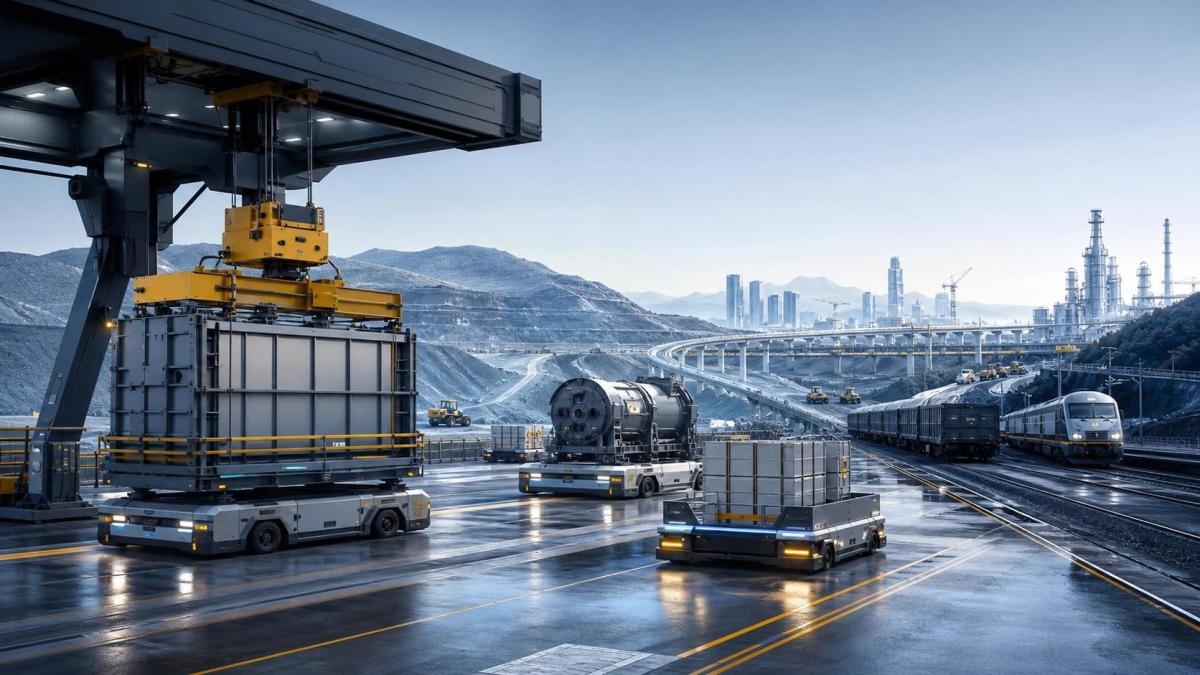
A site can have strong procurement, capable contractors, and modern equipment, yet still lose time through poor flow control. Materials arrive in the wrong sequence, vehicles queue without purpose, and maintenance issues spread into schedule risk.
This is why logistics technology has become a strategic layer rather than a support tool. It helps organizations manage uncertainty, reduce handoff errors, and maintain a safer operating rhythm across moving assets and fixed work zones.
The pressure is especially visible in sectors GIUT follows closely. Prefabricated construction needs precise delivery windows. Smart city services depend on synchronized fleets. Mining requires route control under hazardous conditions. Railway maintenance demands exact possession timing and traceable movement.
What counts as logistics technology in modern site operations
In practical terms, logistics technology includes the digital and physical systems used to plan, monitor, direct, and improve the movement of materials, vehicles, parts, tools, and service crews.
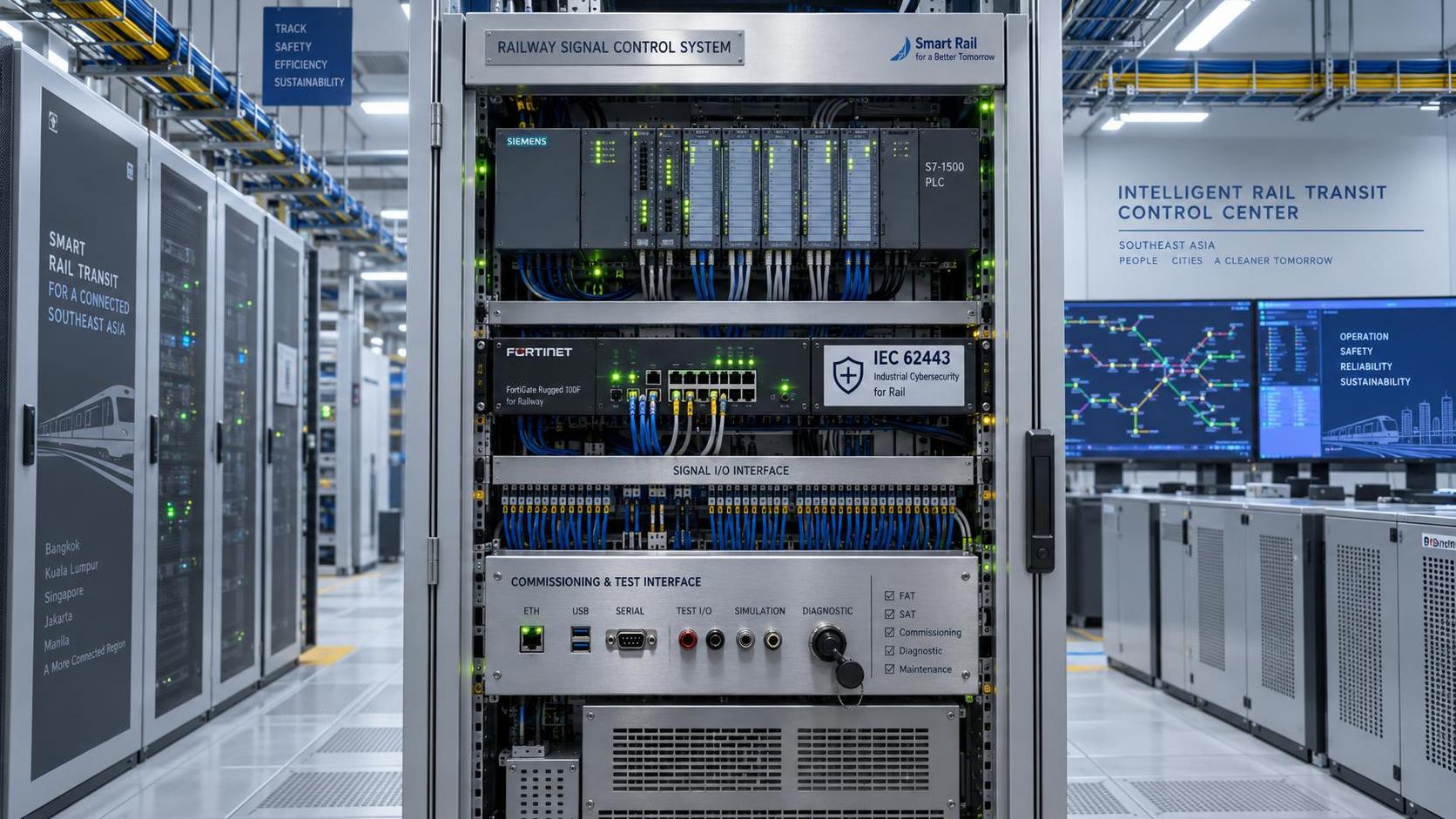
It often combines software, sensors, communications, automation, and analytics. The strongest solutions do not work as isolated dashboards. They connect with field activity, equipment status, maintenance records, and scheduling logic.
Common capability areas
- Real-time asset tracking for vehicles, containers, tools, or pallets.
- Automated dispatch that matches jobs, routes, and resource availability.
- Geofencing and access control for hazardous or restricted zones.
- Predictive maintenance using equipment health and usage data.
- Control tower visibility across suppliers, yards, sites, and mobile fleets.
- Digital proof of delivery, task completion, and exception reporting.
Simple tracking may solve a narrow visibility issue. Broader logistics technology supports operational decisions before delays become failures. That difference is usually where value is won or lost.
What the market is paying attention to
Current interest is moving beyond speed claims. Buyers and evaluators are looking for systems that strengthen resilience, not just output. The key question is whether a platform can make the site more predictable under changing conditions.
One major focus is integration. A logistics technology stack that cannot exchange data with ERP, telematics, maintenance software, BIM workflows, or site scheduling tools often creates a new information silo.
Another concern is safety intelligence. The most useful tools do more than display vehicle locations. They flag route conflicts, identify unauthorized movement, support fatigue management, and help enforce operating rules around people and equipment.
Sustainability is also becoming part of the evaluation. Idle time, unnecessary trips, and poor load planning increase fuel use and emissions. Better logistics technology improves both operational efficiency and carbon performance without treating them as separate goals.
Where the operational value becomes visible
The best way to understand logistics technology is to look at how it changes site behavior. Its value appears in fewer stoppages, cleaner handoffs, and faster response when conditions shift.
This is where GIUT’s cross-sector perspective matters. A railway depot, a tunnel project, a mining haul road, and a smart municipal service yard have different operating realities. Still, they share the same need for trusted movement data and actionable control.
How different sectors use logistics technology
Application patterns vary, and evaluation should reflect that. A system that fits urban fleet routing may not be enough for heavy construction staging or underground resource transport.
Construction and smart building
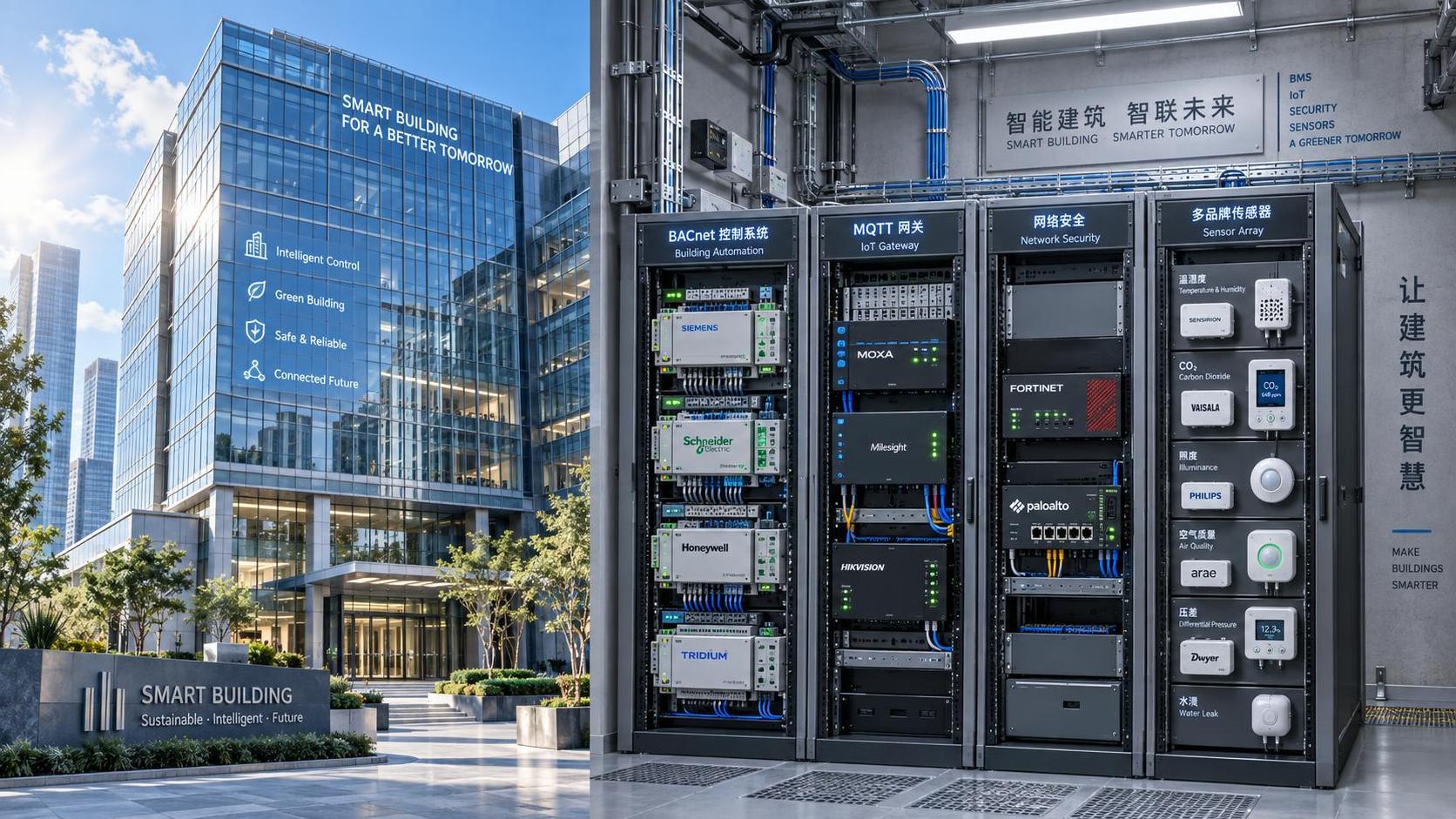
Site logistics technology often centers on delivery sequencing, laydown visibility, crane coordination, and worker-vehicle separation. The benefit is less congestion and fewer cascading delays between trades.
Urban systems and public services
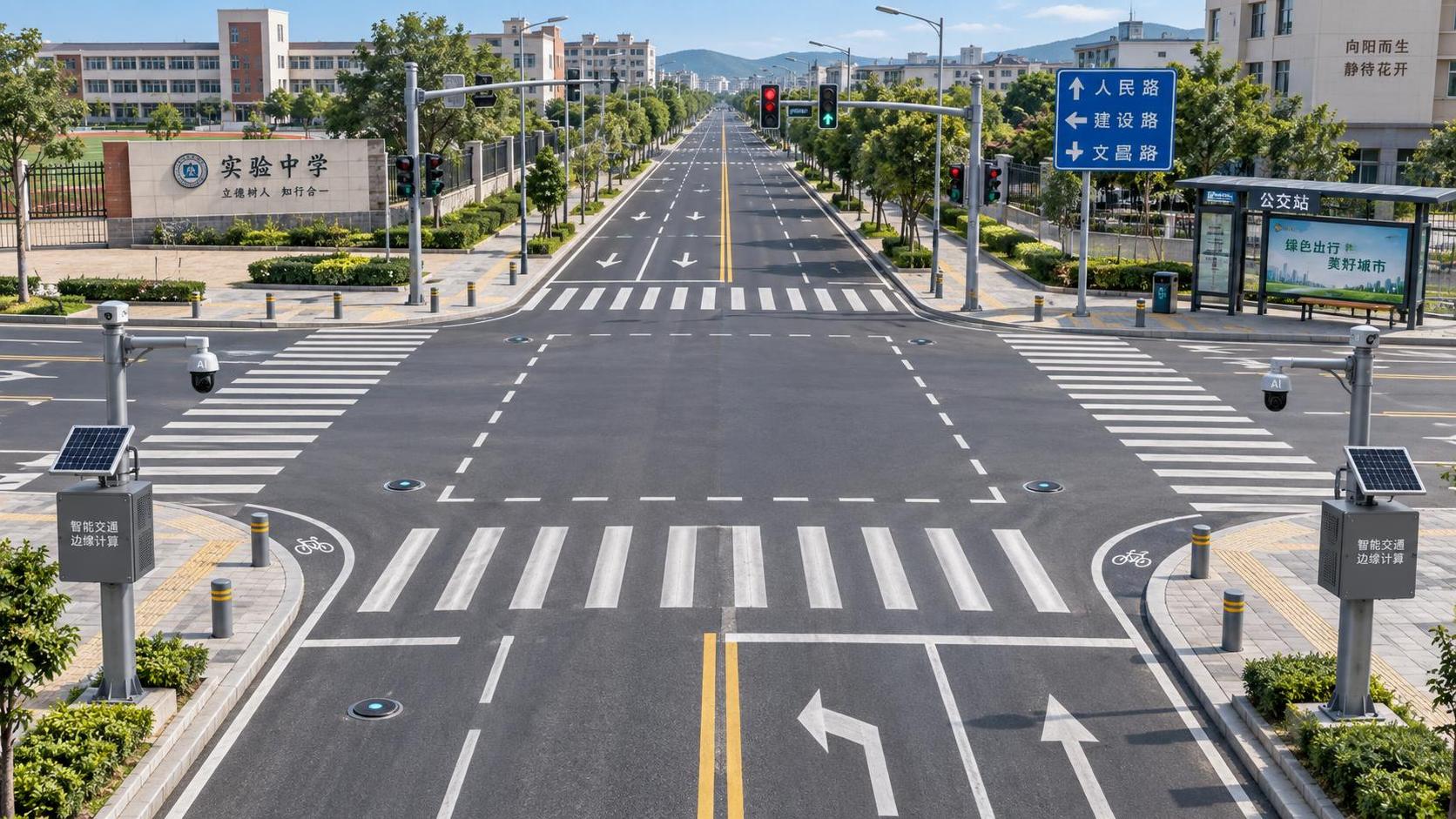
Smart governance programs use logistics technology to coordinate waste fleets, utility repair teams, and service vehicles. Here, routing quality and real-time response usually matter more than maximum throughput.
Mining and resource operations
Remote conditions raise the stakes. Vehicle location, maintenance forecasting, operator safety, and route compliance become critical. Even small failures can affect production, safety exposure, and asset life.
Railway and logistics corridors
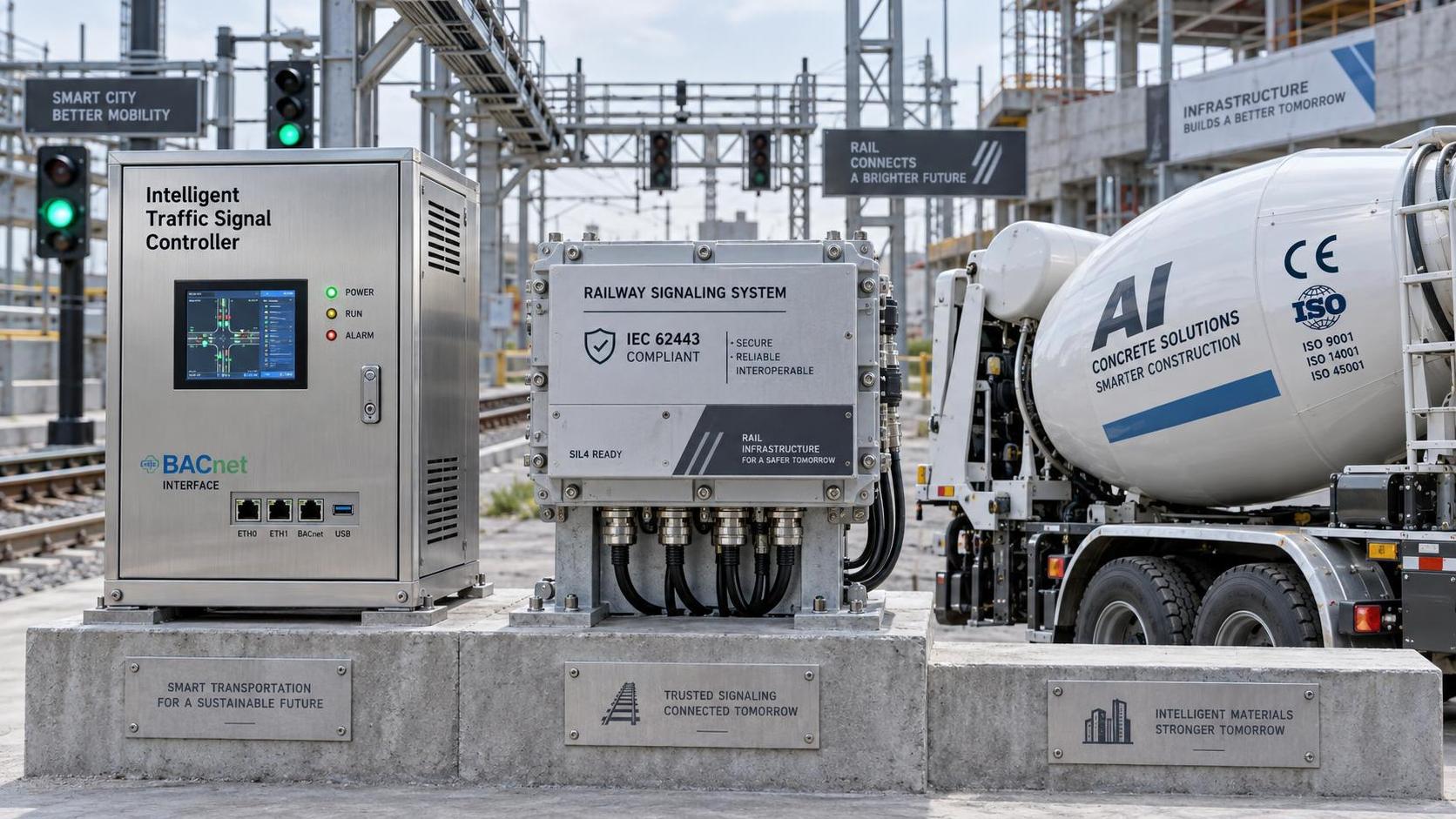
Rail-linked operations depend on precise timing, traceability, and maintenance windows. Logistics technology helps align materials, crews, and work trains with limited access periods and strict safety rules.
Special purpose vehicles and equipment
For mixers, cranes, fire response units, and other mission-specific assets, utilization quality matters more than simple fleet count. Good logistics technology improves dispatch confidence and protects asset readiness.
A practical way to compare options
When comparing platforms, the right question is not which product has the longest feature list. The better question is which system fits the operational logic of the site and can still scale as complexity increases.
Key evaluation dimensions
- Data quality: location accuracy, refresh speed, and exception handling.
- Integration depth: ability to link with planning, maintenance, and enterprise systems.
- Usability in the field: clear workflows for dispatchers, drivers, and supervisors.
- Safety support: alert logic, zone rules, audit trails, and incident visibility.
- Scalability: suitability for one site, multiple projects, or regional networks.
- Reporting value: whether metrics support decisions rather than just historical review.
It is also useful to test how a vendor handles edge cases. Temporary road closures, signal loss, mixed fleets, subcontractor devices, and changing work priorities often reveal more than a polished demo.
What often gets overlooked during adoption
Even strong logistics technology can underperform if rollout assumptions are weak. Many failures come from process mismatch rather than software defects.
One common issue is trying to digitize a poorly defined workflow. If dispatch rules, escalation paths, and ownership boundaries are unclear, automation only makes confusion move faster.
Another overlooked point is change discipline. Drivers, site managers, planners, and maintenance teams may use the same system differently. Without shared data definitions, reported visibility can look better than actual control.
Cybersecurity and governance should also be part of the conversation. Connected fleets and industrial sites generate operationally sensitive data. Access policies, retention rules, and system resilience deserve early attention.
Where to focus next
A useful next step is to map logistics technology decisions against the site’s highest-cost disruptions. That usually reveals whether the real need is tracking, orchestration, maintenance insight, or multi-party coordination.
From there, compare options using a short list of measurable outcomes: delivery reliability, unsafe movement events, idle hours, downtime frequency, exception response time, and data integration effort.
The most durable choices tend to support both immediate operational control and a longer digital transition. That aligns with GIUT’s broader view of infrastructure intelligence: physical systems perform better when information flows with the same discipline as materials and machines.
In other words, faster movement matters, but safer and more dependable movement matters more. That is the standard worth using when assessing the next generation of logistics technology.
Get weekly intelligence in your inbox.
No noise. No sponsored content. Pure intelligence.
News Recommendations
 Sep 19, 2026How an electronics application guide helps prevent component mismatchHow an electronics application guide helps prevent component mismatch
 Sep 18, 2026When a resource allocation platform improves project deliveryWhen a resource allocation platform improves project delivery
 Sep 17, 2026What to compare when evaluating mineral processing equipment manufacturersWhat to compare when evaluating mineral processing equipment manufacturers
 Sep 16, 2026How mineral separation optimization can reduce concentrate lossesHow mineral separation optimization can reduce concentrate losses
 Sep 15, 2026How to assess lifecycle costs in urban tech procurementHow to assess lifecycle costs in urban tech procurement
 Sep 14, 2026Heavy industry technology trends reshaping capital investment prioritiesHeavy industry technology trends reshaping capital investment priorities
 Sep 14, 2026Global Industrial Equipment Procurement: How Top OEMs Qualify Suppliers for Mining & Infrastructure ProjectsGlobal Industrial Equipment Procurement: How Top OEMs Qualify Suppliers for Mining & Infrastructure Projects
 Sep 14, 2026Industrial & Mining Equipment Procurement: Balancing Local Sourcing, Lead Time, and Certification RequirementsIndustrial & Mining Equipment Procurement: Balancing Local Sourcing, Lead Time, and Certification Requirements
 Sep 14, 2026Infrastructure & Equipment Upgrades: What Procurement Teams Must Verify Before Signing Off on New ContractsInfrastructure & Equipment Upgrades: What Procurement Teams Must Verify Before Signing Off on New Contracts
 Sep 14, 2026Why Infrastructure Equipment Buyers Are Shifting from Catalog-Based to Capability-Based Supplier SelectionWhy Infrastructure Equipment Buyers Are Shifting from Catalog-Based to Capability-Based Supplier Selection
 Sep 14, 2026Process Automation Project Execution: How to Align Supplier Capabilities with PLC Integration, Cybersecurity & Commissioning MilestonesProcess Automation Project Execution: How to Align Supplier Capabilities with PLC Integration, Cybersecurity & Commissioning Milestones
 Sep 14, 2026Are intelligent traffic systems worth the investment for small cities?Are intelligent traffic systems worth the investment for small cities?
 Sep 14, 2026How do intelligent traffic systems handle sensor failures?How do intelligent traffic systems handle sensor failures?
 Sep 14, 2026What should I check before accepting a smart building system?What should I check before accepting a smart building system?
 Sep 14, 2026Is a smart building system worth the maintenance cost?Is a smart building system worth the maintenance cost?
 Sep 14, 2026What data is needed for reliable resource allocation planning?What data is needed for reliable resource allocation planning?
 Sep 14, 2026How can resource allocation software reduce equipment idle time?How can resource allocation software reduce equipment idle time?
 Sep 14, 2026How should smart devices be maintained in harsh outdoor conditions?How should smart devices be maintained in harsh outdoor conditions?
 Sep 14, 2026Do smart devices improve worker safety on construction sites?Do smart devices improve worker safety on construction sites?
 Sep 14, 2026What environmental risks must be assessed before deep-sea mining?What environmental risks must be assessed before deep-sea mining?
 Sep 14, 2026Is deep-sea mining equipment commercially viable in 2026?Is deep-sea mining equipment commercially viable in 2026?
 Sep 14, 2026What Inspection Checks Should Procurement Teams Perform Before Ordering Dredging Equipment in 2026?What Inspection Checks Should Procurement Teams Perform Before Ordering Dredging Equipment in 2026?
 Sep 13, 2026How to verify an industrial product information source before specifying equipmentHow to verify an industrial product information source before specifying equipment
 Sep 12, 2026Which intelligent traffic systems hardware fits an urban intersection?Which intelligent traffic systems hardware fits an urban intersection?
 Sep 11, 2026How pump capacity affects response coverage for municipal fire fighting vehiclesHow pump capacity affects response coverage for municipal fire fighting vehicles
 Sep 10, 2026What to verify before choosing a heavy industry equipment supplierWhat to verify before choosing a heavy industry equipment supplier
 Sep 09, 2026When do adaptive urban traffic control systems reduce corridor delays?When do adaptive urban traffic control systems reduce corridor delays?