Intelligent Upgrading in Construction: Where Automation Delivers Measurable Gains
Where intelligent upgrading in construction starts to pay back fastest
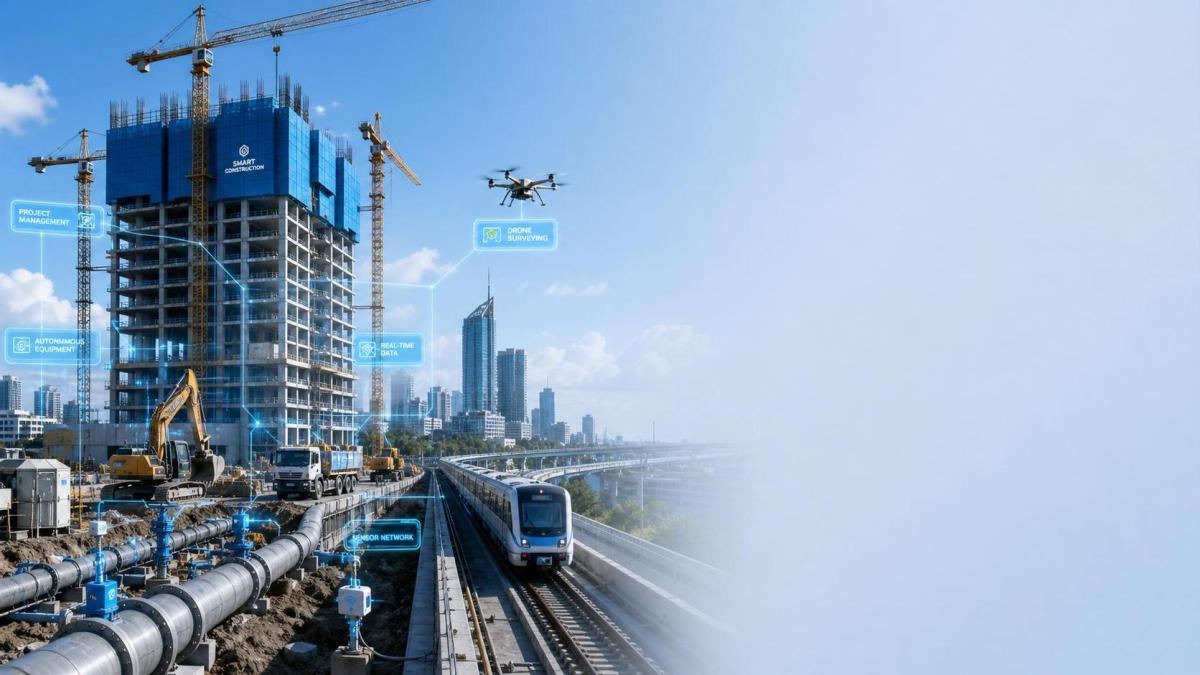
Intelligent upgrading in construction now sits in a practical business discussion, not a distant innovation roadmap.
The strongest gains appear where schedule pressure, safety exposure, and coordination complexity overlap.
That is why automation performs differently on a high-rise core, a rail corridor, and a municipal utility trench.
In actual deployment, the better question is not which tool looks advanced.
It is which workflow repeatedly loses time, creates rework, or carries avoidable site risk.
For a platform such as GIUT, this matters beyond single projects.
Construction, urban systems, logistics corridors, heavy equipment, and resource infrastructure increasingly share one operating logic.
Physical assets become more valuable when field activity, machine behavior, and planning data stay connected.
That is the real promise of intelligent upgrading.
It turns fragmented execution into measurable control across the built environment.
The return varies because jobsite conditions are never identical
Different construction settings generate different automation priorities.
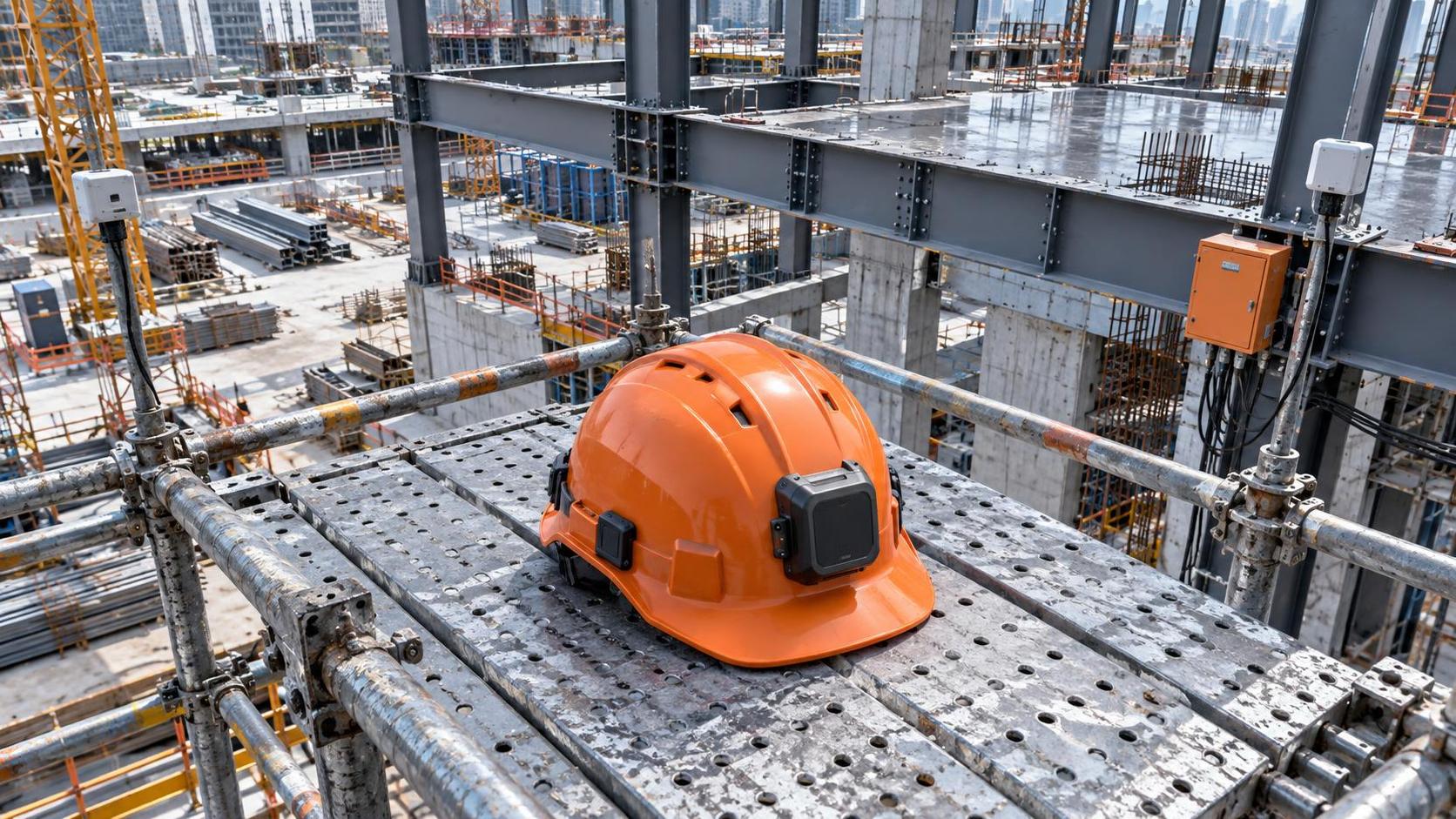
A dense urban tower usually values crane coordination, labor sequencing, and material traceability.
A road or railway project often cares more about machine uptime, survey accuracy, and long linear visibility.
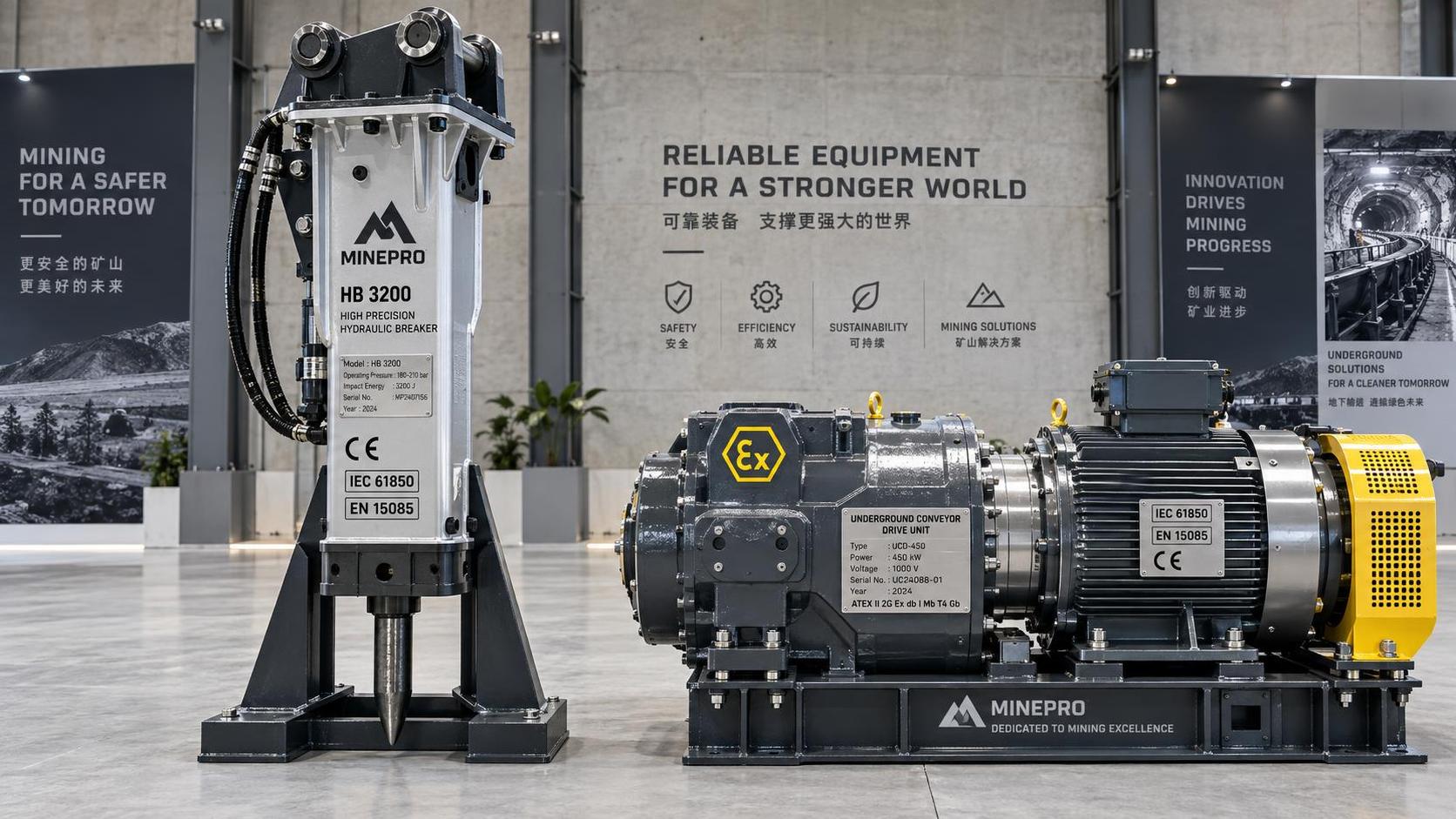
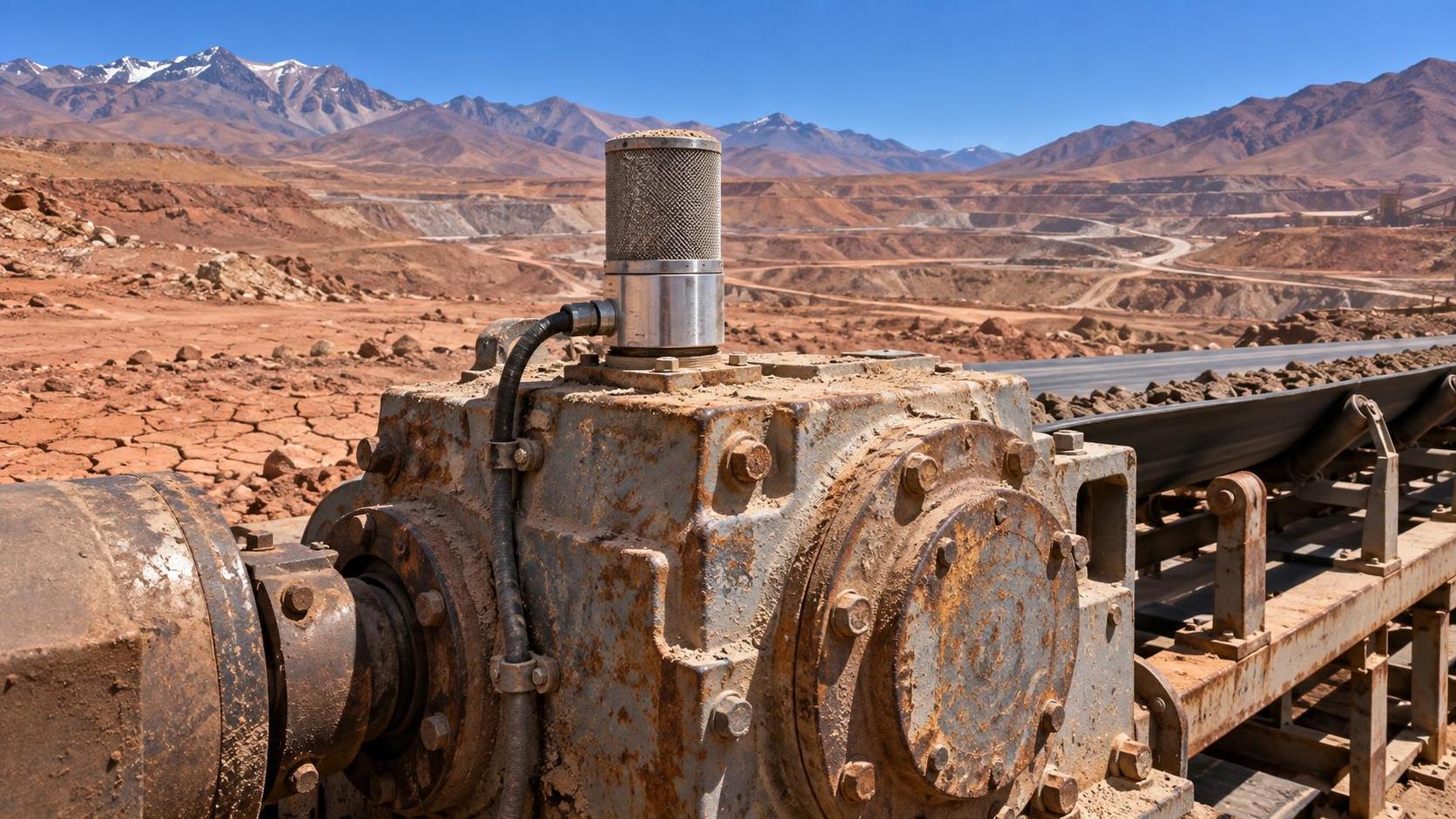
Mining-linked civil works may prioritize remote inspection, geotechnical alerts, and equipment safety envelopes.
The same intelligent upgrading program cannot be copied across all of them.
More often, successful teams map automation to one of three pressure points.
- Repetitive processes where delays multiply quickly.
- High-risk activities where visibility is limited.
- Coordination-heavy tasks involving many subcontracted trades and machines.
When intelligent upgrading is tied to one of these conditions, returns become easier to prove.
Smart jobsites gain most when coordination failure is the hidden cost
Building projects often appear labor-intensive, yet many losses come from information gaps rather than labor itself.
Trade clashes, delivery mistiming, and outdated drawings can stall productive crews for hours.
Here, intelligent upgrading in construction works best through connected scheduling, digital twins, and progress capture.
The measurable gain is not only faster reporting.
It is earlier detection of mismatch between plan and field reality.
On prefabricated or modular projects, that value increases again.
A late delivery or wrong component tag can interrupt an entire installation sequence.
In those settings, intelligent upgrading should focus on traceability, lift planning, and install verification.
Many teams make the mistake of buying site dashboards first.
If source data from logistics, BIM, and field capture do not match, dashboards only display confusion more neatly.
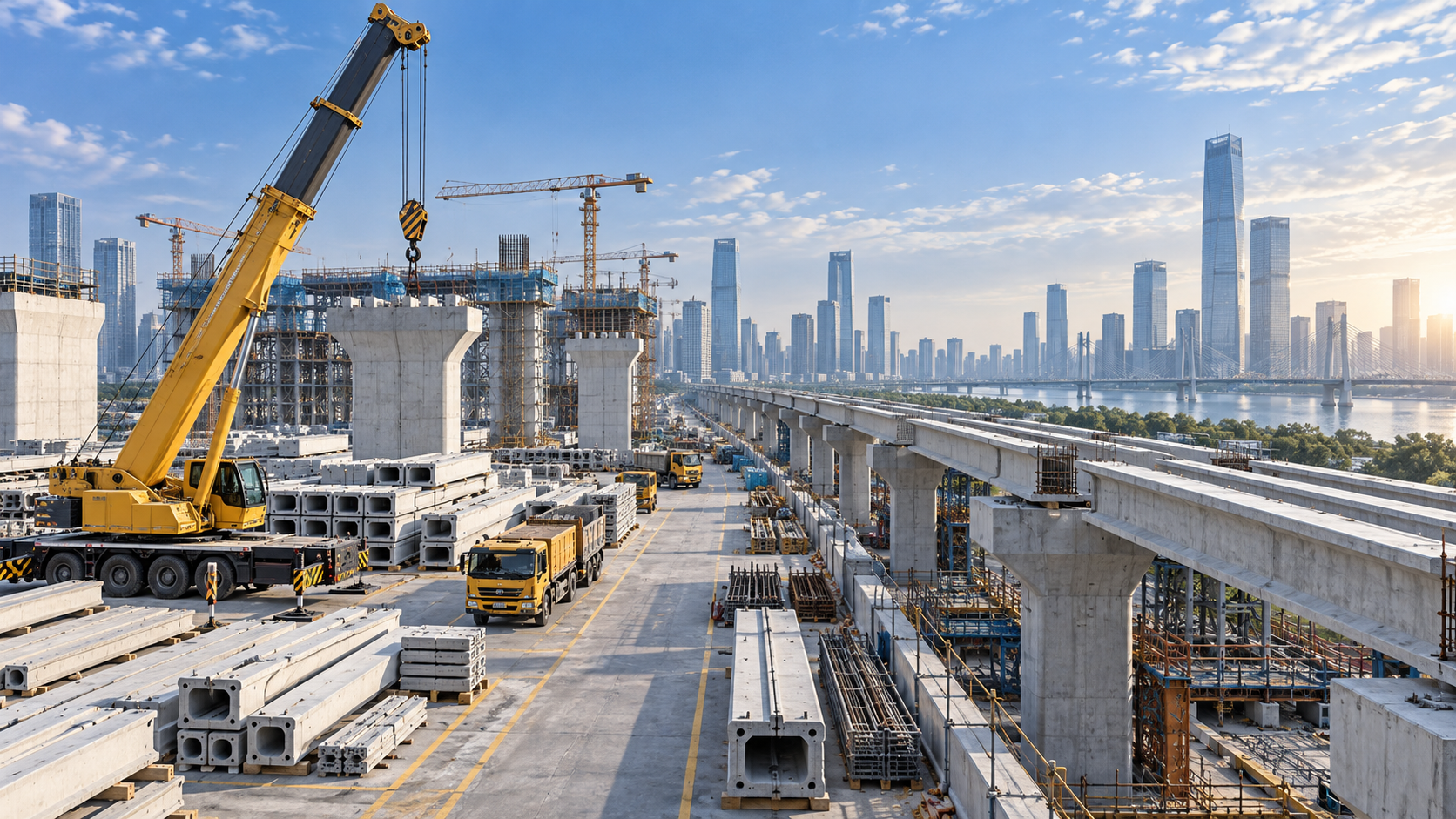
Heavy civil and transport corridors need visibility across distance
Linear projects create a different management problem.
Workfaces move continuously, crews spread out, and progress can look healthy while bottlenecks grow downstream.
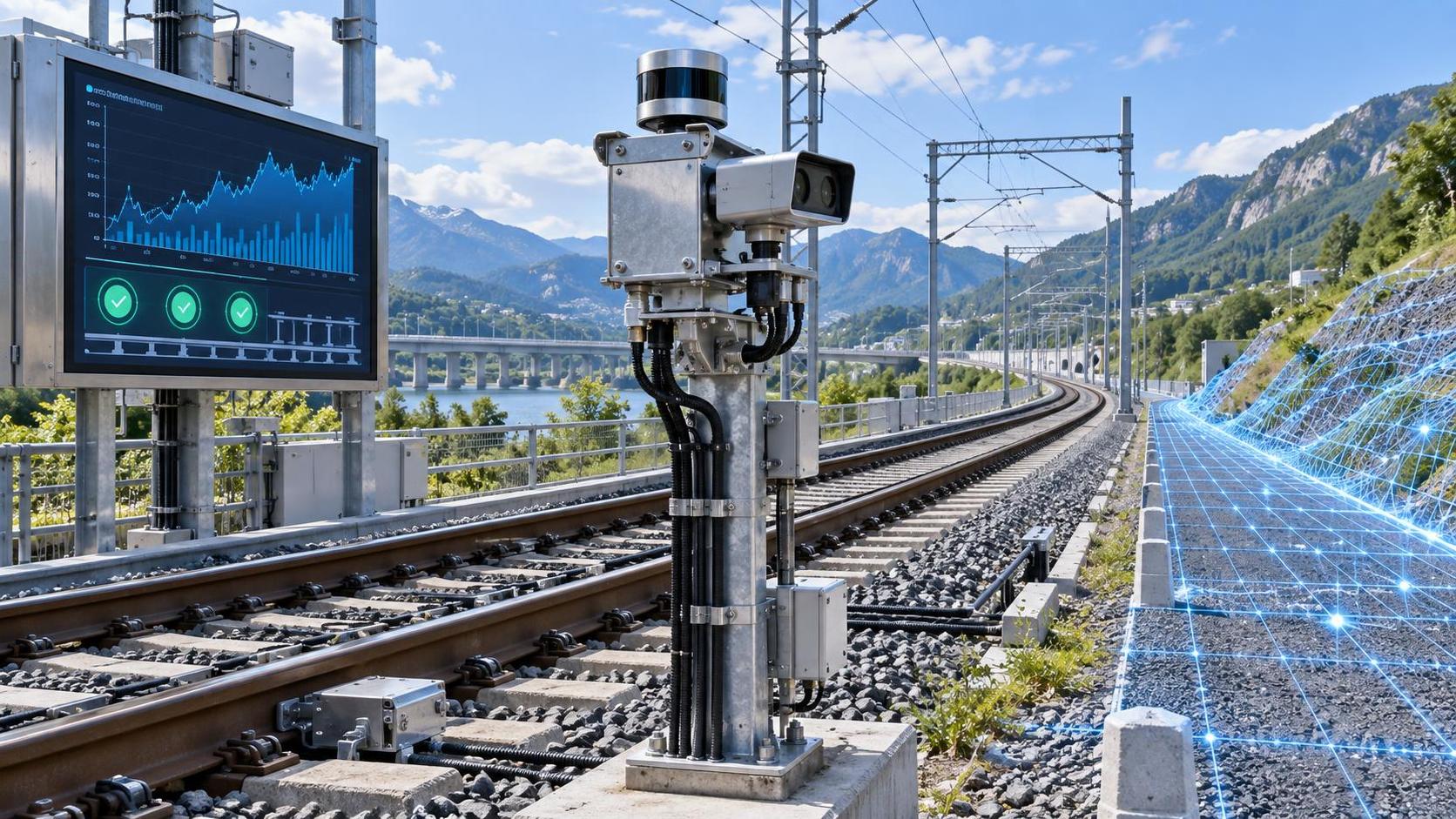
That is why intelligent upgrading often delivers measurable gains through machine guidance, drone surveying, and fleet telemetry.
Earthwork is a common example.
If cut and fill quantities drift from model assumptions, rehandling material later becomes expensive.
Automated grade control reduces that risk at the point of execution.
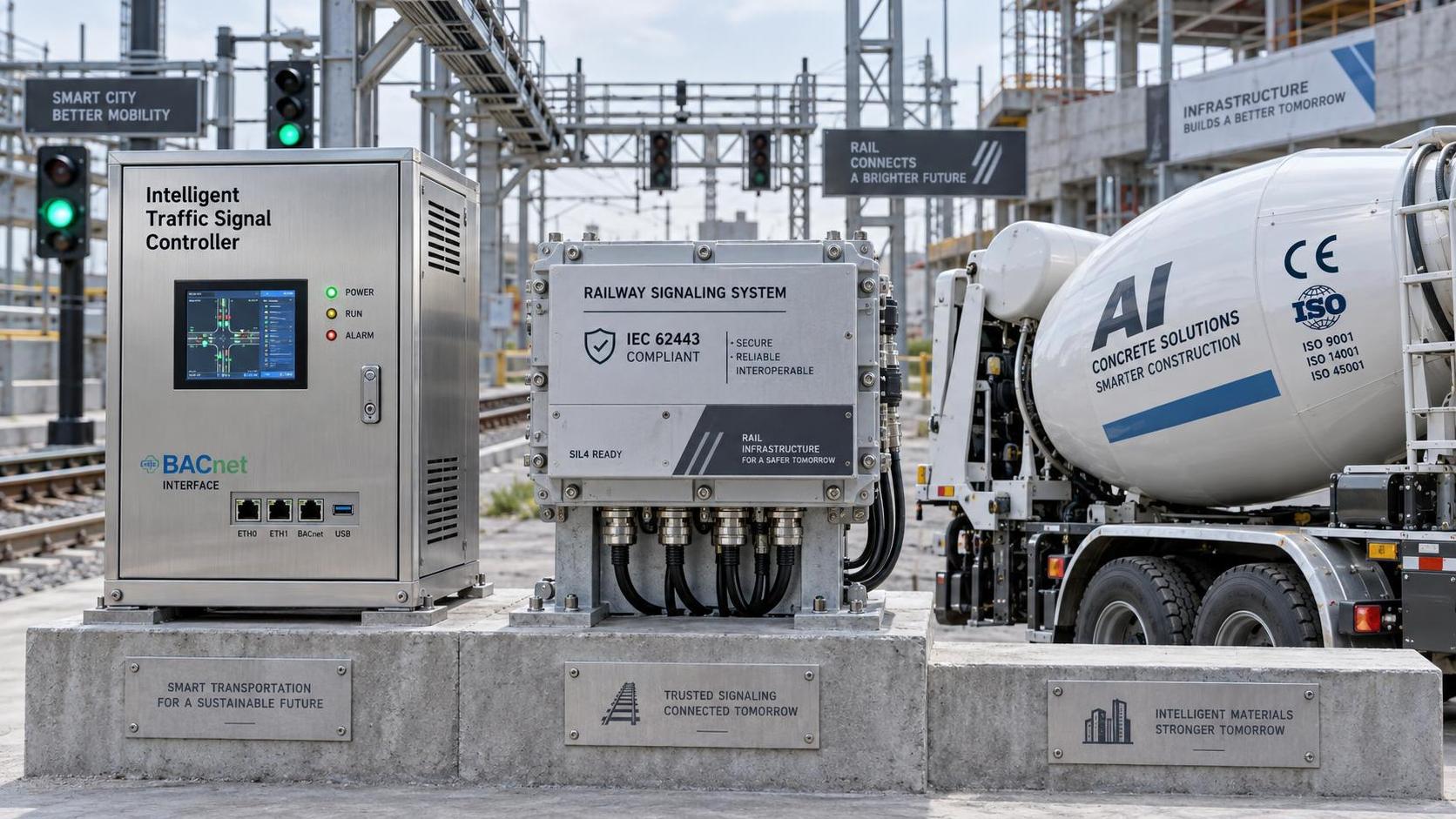
Railway and logistics infrastructure adds another layer.
Maintenance access windows are narrow, and signaling or track components demand higher accuracy.
In such projects, intelligent upgrading should be judged by possession efficiency, inspection cycle reduction, and asset data continuity.
A common misread is to compare these systems only by hardware features.
The better comparison is whether data can move from survey to construction to maintenance without manual rebuilding.
Equipment-intensive operations benefit when automation protects uptime
Some projects do not lose money because crews lack effort.
They lose money because critical machines stop, wait, or operate below safe capacity.
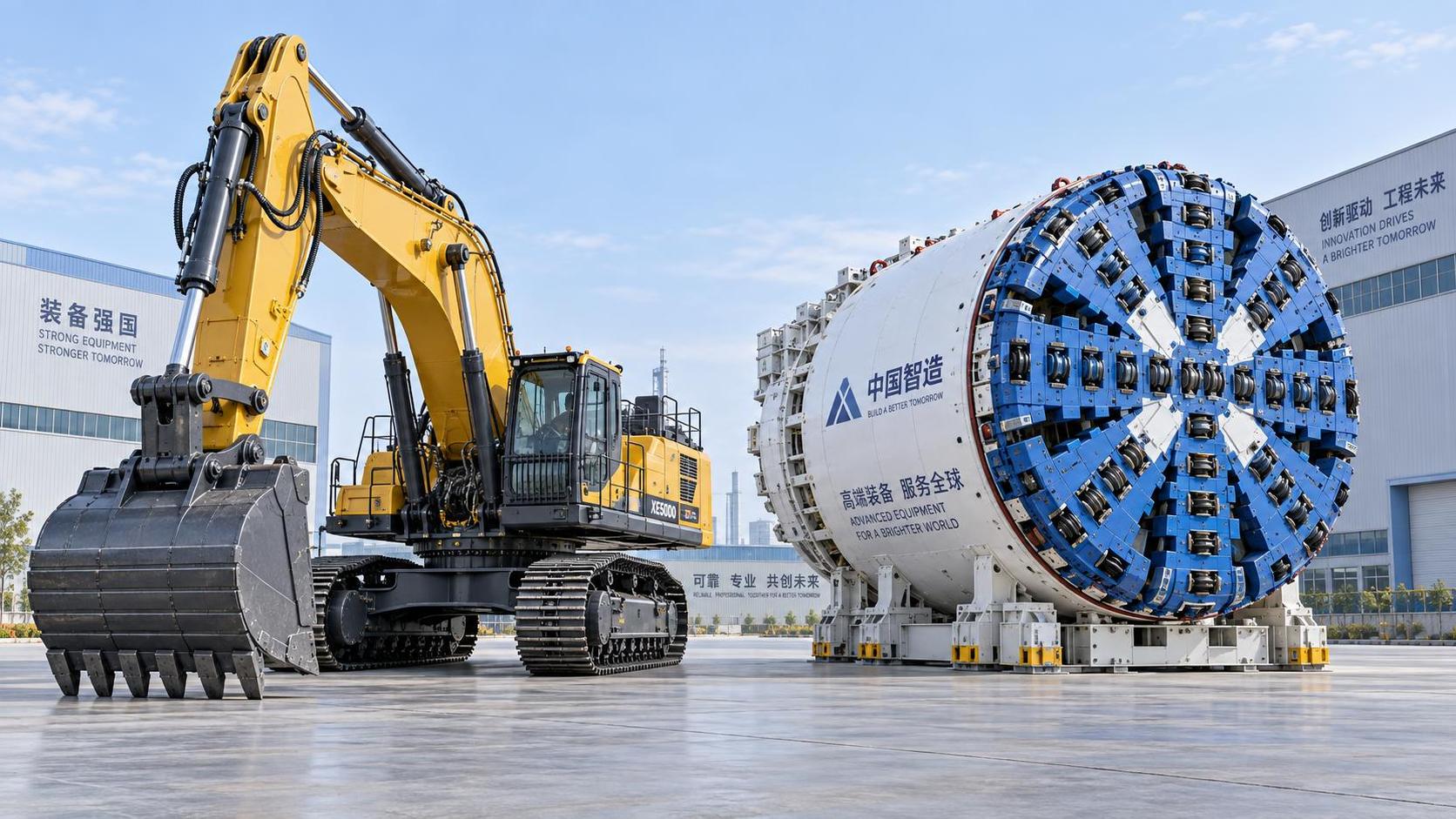
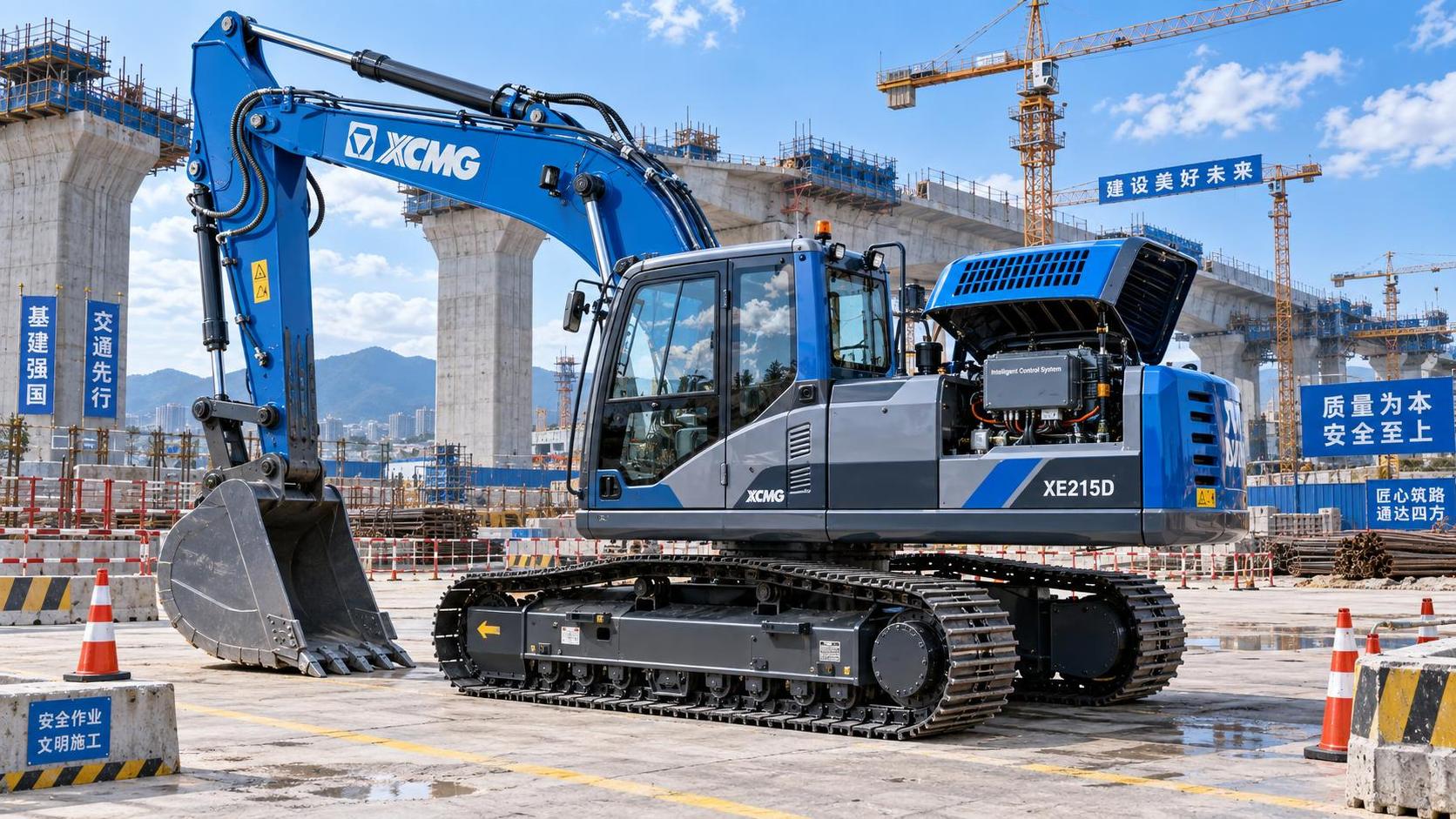
This is where intelligent upgrading connects construction with GIUT’s wider heavy equipment perspective.
Concrete mixers, cranes, fire-response vehicles, and specialist lifting systems now generate operational data continuously.
Yet value appears only when that data supports a maintenance or dispatch decision.
For crane-dependent sites, intelligent upgrading may center on anti-collision systems, lift zoning, and utilization analytics.
For concrete placement, it may focus on batching consistency, route timing, and pour temperature records.
For remote industrial projects, the priority may be predictive maintenance and spare-part planning.
The difference matters because not every machine-rich site needs the same automation stack.
Where demand shifts across common construction settings
A simple comparison helps clarify where intelligent upgrading should start.
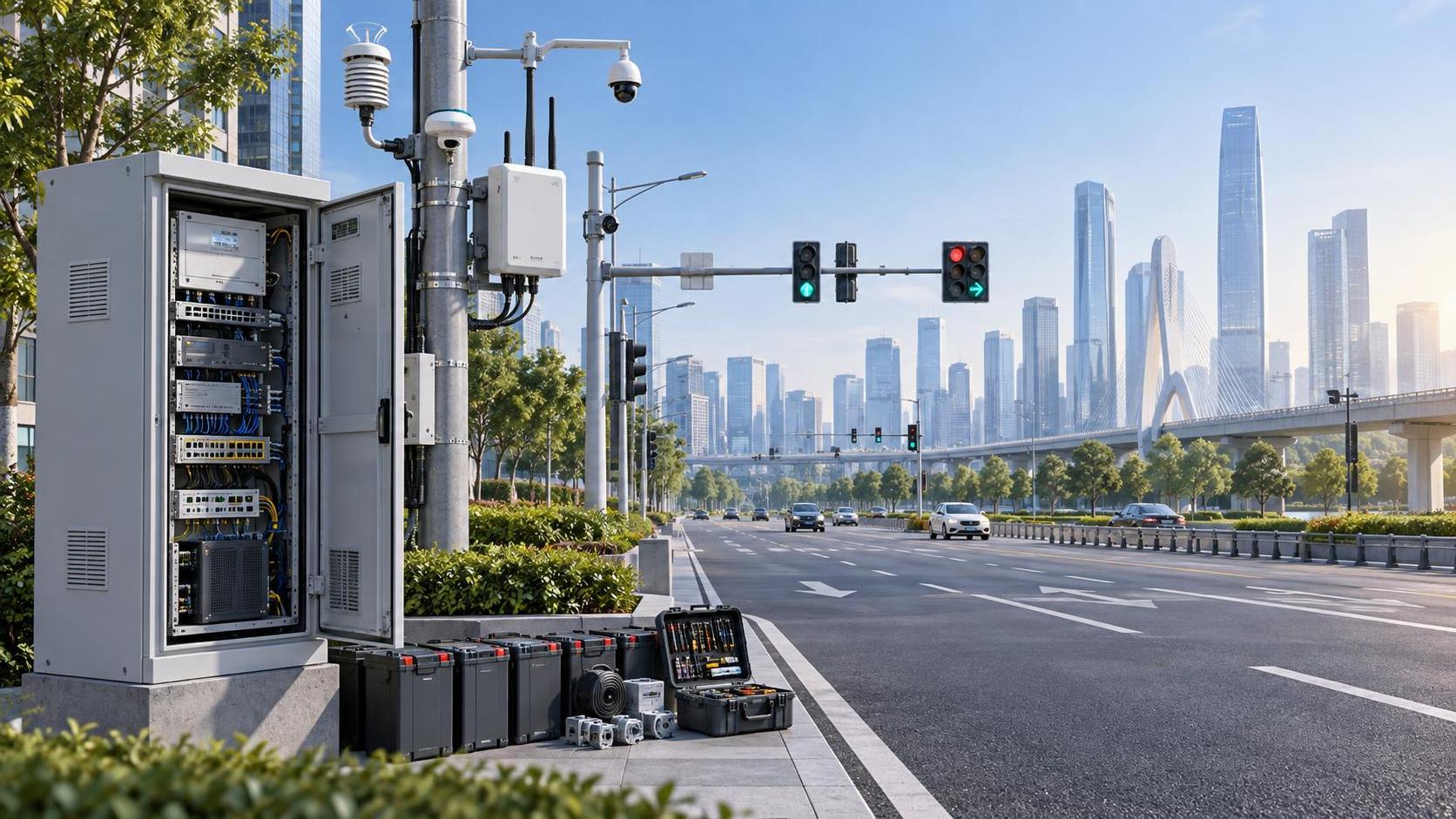
Municipal and smart city work needs integration more than isolated tools
Urban infrastructure upgrades rarely happen on empty land.
They intersect with traffic flow, utilities, public safety, and environmental targets.
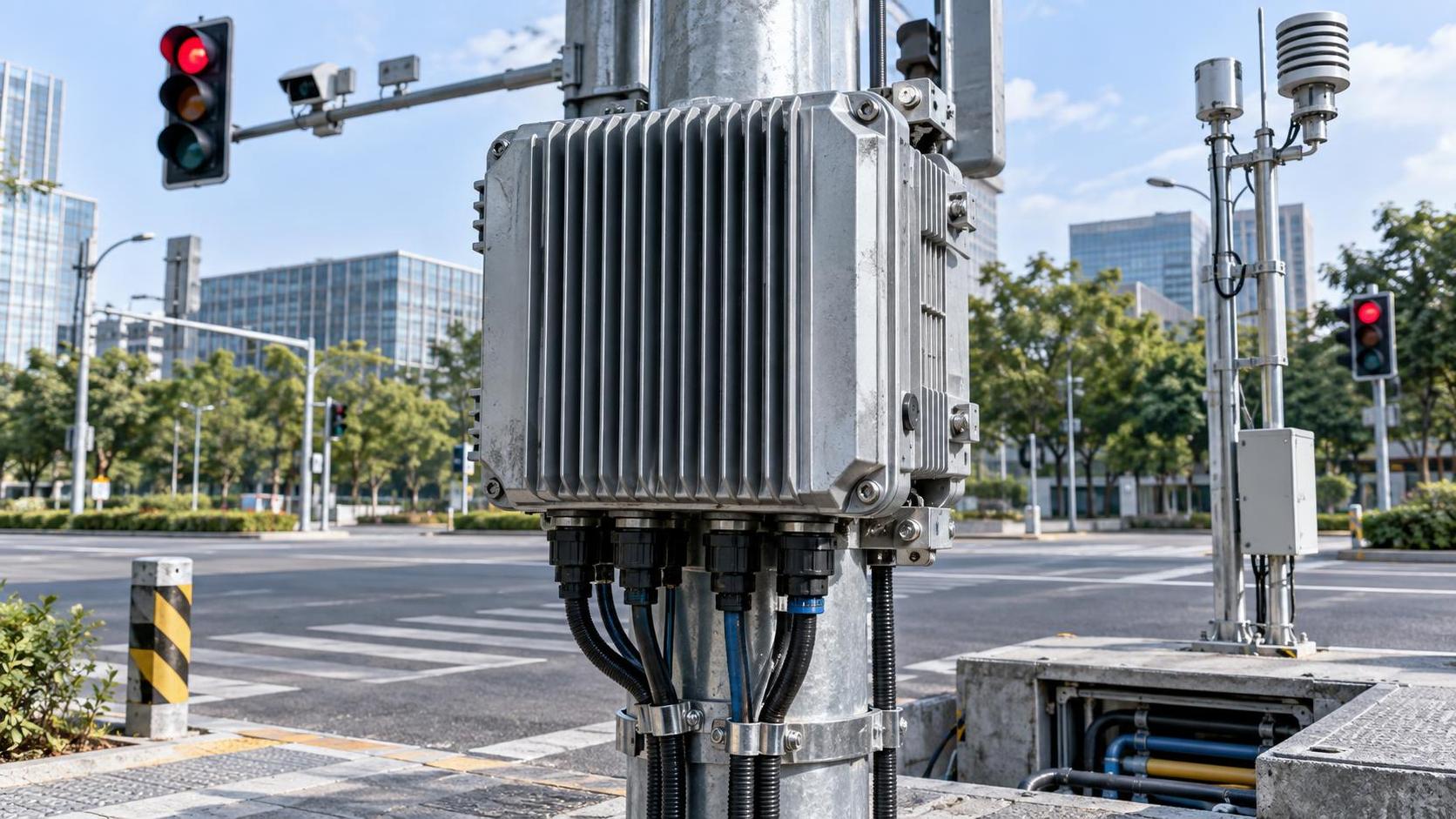
That makes intelligent upgrading especially valuable when construction decisions affect live city systems.
A utility trench may seem smaller than a bridge package.
Still, one mapping error can disrupt telecom, drainage, and transit operations at once.
In this context, intelligent upgrading in construction should be measured by coordination accuracy and disruption avoidance.
That is also why GIUT’s digital twin and smart governance viewpoint is useful.
The project boundary is no longer the only boundary that matters.
Construction data must link back to city operations, asset records, and future maintenance planning.
Misjudgments that weaken intelligent upgrading before it proves value
Several weak decisions appear repeatedly across otherwise capable projects.
- Treating similar sites as identical, even when access, labor mix, or regulation differs.
- Prioritizing purchase price while ignoring integration effort, training time, and data cleanup.
- Automating reporting first instead of fixing unstable workflows underneath.
- Assuming machine data alone is enough without linking schedule, quality, and maintenance records.
- Skipping long-term serviceability checks for sensors, connectivity, and replacement parts.
These are not minor issues.
They are usually the reason an intelligent upgrading program looks impressive during rollout yet underperforms in operation.
A practical way to decide where intelligent upgrading should go next
A useful starting point is to rank workflows by cost leakage, safety exposure, and data fragmentation.
If one activity scores high in all three, it is usually a better automation candidate than a visible but stable process.
Before scaling, confirm five conditions.
- The field problem is clearly defined in operational terms.
- Data sources can be trusted and aligned.
- The system fits environmental, regulatory, and interoperability requirements.
- Maintenance ownership is assigned from the start.
- Success metrics include rework, downtime, delay risk, or safety incidents, not only adoption rates.
Intelligent upgrading in construction creates measurable gains when it follows real site logic.
The next step is to map the highest-friction scenarios, compare operating conditions, and set a fit-for-purpose standard before broader rollout.
That approach is slower than buying technology first, but usually faster at producing durable value.
Get weekly intelligence in your inbox.
No noise. No sponsored content. Pure intelligence.
News Recommendations
 Sep 19, 2026How an electronics application guide helps prevent component mismatchHow an electronics application guide helps prevent component mismatch
 Sep 18, 2026When a resource allocation platform improves project deliveryWhen a resource allocation platform improves project delivery
 Sep 17, 2026What to compare when evaluating mineral processing equipment manufacturersWhat to compare when evaluating mineral processing equipment manufacturers
 Sep 16, 2026How mineral separation optimization can reduce concentrate lossesHow mineral separation optimization can reduce concentrate losses
 Sep 15, 2026How to assess lifecycle costs in urban tech procurementHow to assess lifecycle costs in urban tech procurement
 Sep 14, 2026Heavy industry technology trends reshaping capital investment prioritiesHeavy industry technology trends reshaping capital investment priorities
 Sep 14, 2026Global Industrial Equipment Procurement: How Top OEMs Qualify Suppliers for Mining & Infrastructure ProjectsGlobal Industrial Equipment Procurement: How Top OEMs Qualify Suppliers for Mining & Infrastructure Projects
 Sep 14, 2026Industrial & Mining Equipment Procurement: Balancing Local Sourcing, Lead Time, and Certification RequirementsIndustrial & Mining Equipment Procurement: Balancing Local Sourcing, Lead Time, and Certification Requirements
 Sep 14, 2026Infrastructure & Equipment Upgrades: What Procurement Teams Must Verify Before Signing Off on New ContractsInfrastructure & Equipment Upgrades: What Procurement Teams Must Verify Before Signing Off on New Contracts
 Sep 14, 2026Why Infrastructure Equipment Buyers Are Shifting from Catalog-Based to Capability-Based Supplier SelectionWhy Infrastructure Equipment Buyers Are Shifting from Catalog-Based to Capability-Based Supplier Selection
 Sep 14, 2026Process Automation Project Execution: How to Align Supplier Capabilities with PLC Integration, Cybersecurity & Commissioning MilestonesProcess Automation Project Execution: How to Align Supplier Capabilities with PLC Integration, Cybersecurity & Commissioning Milestones
 Sep 14, 2026Are intelligent traffic systems worth the investment for small cities?Are intelligent traffic systems worth the investment for small cities?
 Sep 14, 2026How do intelligent traffic systems handle sensor failures?How do intelligent traffic systems handle sensor failures?
 Sep 14, 2026What should I check before accepting a smart building system?What should I check before accepting a smart building system?
 Sep 14, 2026Is a smart building system worth the maintenance cost?Is a smart building system worth the maintenance cost?
 Sep 14, 2026What data is needed for reliable resource allocation planning?What data is needed for reliable resource allocation planning?
 Sep 14, 2026How can resource allocation software reduce equipment idle time?How can resource allocation software reduce equipment idle time?
 Sep 14, 2026How should smart devices be maintained in harsh outdoor conditions?How should smart devices be maintained in harsh outdoor conditions?
 Sep 14, 2026Do smart devices improve worker safety on construction sites?Do smart devices improve worker safety on construction sites?
 Sep 14, 2026What environmental risks must be assessed before deep-sea mining?What environmental risks must be assessed before deep-sea mining?
 Sep 14, 2026Is deep-sea mining equipment commercially viable in 2026?Is deep-sea mining equipment commercially viable in 2026?
 Sep 14, 2026What Inspection Checks Should Procurement Teams Perform Before Ordering Dredging Equipment in 2026?What Inspection Checks Should Procurement Teams Perform Before Ordering Dredging Equipment in 2026?
 Sep 13, 2026How to verify an industrial product information source before specifying equipmentHow to verify an industrial product information source before specifying equipment
 Sep 12, 2026Which intelligent traffic systems hardware fits an urban intersection?Which intelligent traffic systems hardware fits an urban intersection?
 Sep 11, 2026How pump capacity affects response coverage for municipal fire fighting vehiclesHow pump capacity affects response coverage for municipal fire fighting vehicles
 Sep 10, 2026What to verify before choosing a heavy industry equipment supplierWhat to verify before choosing a heavy industry equipment supplier
 Sep 09, 2026When do adaptive urban traffic control systems reduce corridor delays?When do adaptive urban traffic control systems reduce corridor delays?