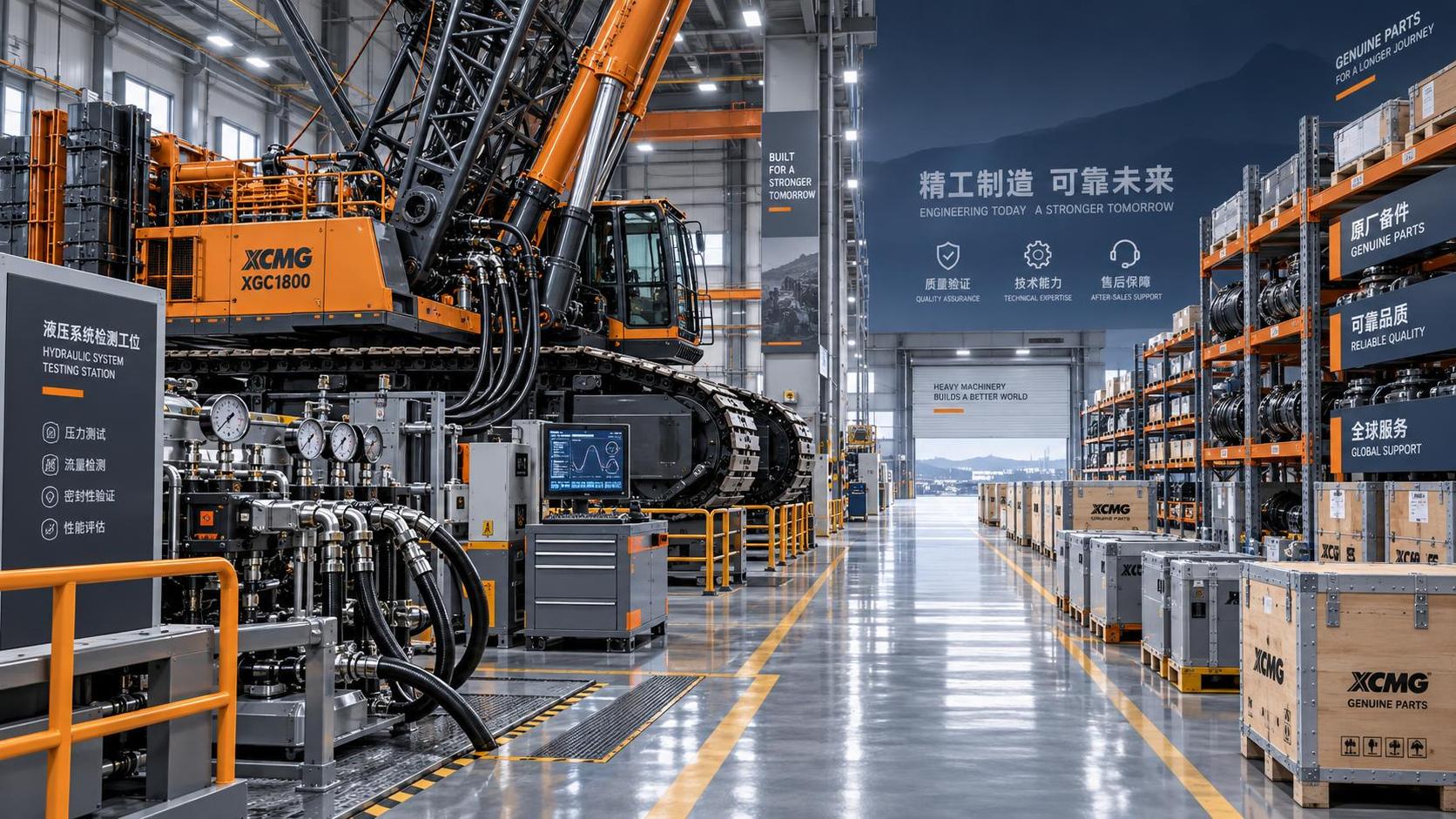
What to Check Before Choosing a Cranes Supplier
Why does choosing a cranes supplier require more than a price comparison?
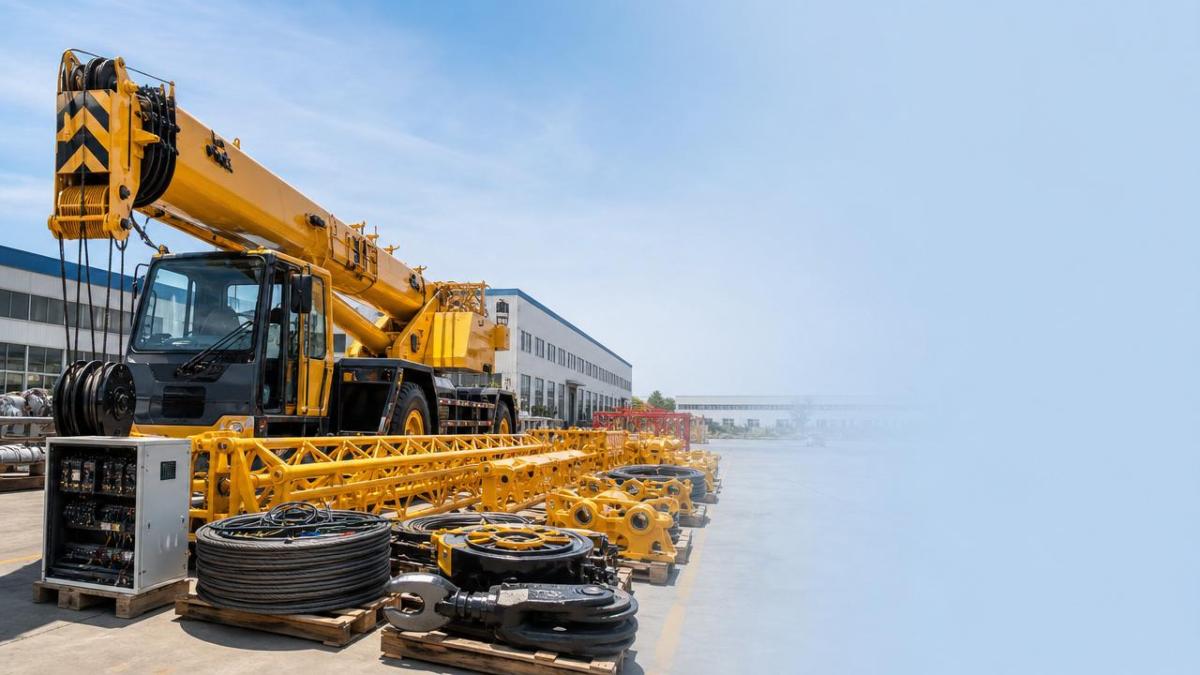
A low quote can look attractive in the first round.
Yet the real cost of a cranes supplier appears later, during installation, operation, maintenance, and unexpected downtime.
In construction, mining, logistics, rail maintenance, and urban infrastructure, cranes sit close to safety-critical workflows.
That means supplier selection affects lifting stability, spare parts access, inspection records, and site productivity.
A dependable cranes supplier should be evaluated like a long-term operating partner, not a one-time equipment trader.
This matters even more as infrastructure projects become smarter, more regulated, and more data-driven.
Across sectors followed by GIUT, equipment decisions increasingly connect with digital jobsite control, lifecycle visibility, and sustainability targets.
So the better question is not only, “Who sells the crane?”
It is, “Which cranes supplier can support compliance, uptime, and total value over the full service life?”
What should be confirmed first before shortlisting any cranes supplier?
Start with fit, not brochure claims.
The right cranes supplier for a compact urban project may be the wrong one for a remote mining site.
Before comparing vendors, define the working context in measurable terms.
- Lifting capacity, outreach, duty cycle, and required operating speed.
- Site conditions such as wind, temperature, dust, corrosion, and ground limitations.
- Power source, control preferences, and integration with existing fleet systems.
- Local compliance needs, inspection standards, and operator training requirements.
- Expected service response time and parts availability within the operating region.
Without this baseline, supplier comparisons become shallow.
One offer may seem cheaper simply because it excludes training, commissioning, telemetry, or preventive maintenance.
Another may include stronger safety systems that reduce future insurance, repair, and stoppage costs.
In practice, a good shortlist begins with matching operational demands to supplier capability, not marketing language.
How can you tell whether a cranes supplier is technically reliable?
Technical reliability shows up in evidence.
A credible cranes supplier should provide clear documentation, traceable manufacturing standards, and consistent engineering answers.
Ask for load charts, component brands, structural material details, welding standards, and test procedures.
Then check whether those documents align with the actual model configuration offered.
Need special attention on these points:
- Certification scope, including whether the listed standards cover the full crane or only selected components.
- Factory testing records, including overload tests, function checks, and electrical verification.
- Control and safety systems, such as overload protection, limit switches, emergency stop logic, and anti-sway options.
- Parts standardization, which affects future replacement cost and maintenance speed.
- Engineering support after delivery, especially for commissioning, retrofits, and troubleshooting.
A useful signal is how the supplier handles technical questions under pressure.
Vague answers often point to weak internal engineering coordination.
Precise answers, backed by drawings and inspection routines, usually indicate stronger process control.
For heavy infrastructure environments, that difference is rarely cosmetic.
It directly affects operational safety and maintenance predictability.
Which commercial details usually separate a good deal from an expensive mistake?
Price is only one line in the decision.
The more important issue is commercial clarity across the full procurement cycle.
A professional cranes supplier should make scope, exclusions, lead time, warranty, and service terms easy to verify.
This is where many hidden costs begin, especially in cross-border equipment sourcing.
This kind of checklist reveals more than bargaining leverage.
It shows whether the cranes supplier understands project execution, not just equipment sales.
When terms are vague, delays and claims become much more likely.
Are certifications and references enough to trust a cranes supplier?
They are necessary, but rarely sufficient on their own.
A certificate confirms a standard at a defined scope and time.
It does not automatically prove consistent field performance across every application.
References help, but they need context.
A strong reference from a warehouse project may not predict results in rail yards, port logistics, or harsh mining conditions.
A more useful approach is to validate references against comparable duty cycles and service demands.
Try to confirm:
- How long the crane has been operating without major structural or control failures.
- Whether the cranes supplier met the promised delivery and commissioning schedule.
- How fast service teams responded during urgent breakdowns.
- Whether spare parts pricing stayed reasonable after the first year.
- If digital monitoring, diagnostics, or reporting tools actually worked as described.
This broader view fits the GIUT mindset well.
Modern infrastructure equipment should be judged not only by hardware, but by data quality, system integration, and lifecycle resilience.
What are the most common warning signs when comparing cranes suppliers?
Some risks appear early if you know where to look.
The first warning sign is inconsistent information between the sales offer and technical documents.
Another is an unusually low quote without a clear explanation of excluded items.
A cranes supplier that avoids detailed conversations about testing, component sourcing, or after-sales responsibility should be treated carefully.
Other red flags often include:
- No clear process for installation supervision or operator familiarization.
- Warranty language that shifts nearly all responsibility to the buyer.
- Limited traceability for key components such as motors, controls, or wire ropes.
- Long response times during the quotation stage.
- References that cannot be verified in similar operating sectors.
In real projects, weak communication before the order often becomes weaker support after delivery.
That pattern is especially costly where cranes support round-the-clock operations or tight construction windows.
What is the smartest next step after identifying a possible cranes supplier?
Move from general comparison to structured verification.
A practical next step is to issue a detailed requirement sheet and request a response in the same format from each cranes supplier.
That makes technical gaps, service differences, and commercial exclusions much easier to spot.
If the project is significant, add a factory audit or remote technical review before final approval.
Where possible, score each supplier across safety, engineering, service reach, lead time, lifecycle cost, and documentation quality.
The goal is not to create paperwork for its own sake.
It is to make sure the selected cranes supplier can support the real demands of the site, the asset, and the project timeline.
A careful decision now usually saves far more than it costs.
It protects uptime, reduces compliance risk, and supports better long-term asset performance.
Before closing the evaluation, review three things once more: actual operating conditions, total lifecycle obligations, and the supplier’s ability to respond when problems are no longer theoretical.
That final check usually reveals whether a cranes supplier is merely competitive on paper or genuinely reliable in the field.
Get weekly intelligence in your inbox.
No noise. No sponsored content. Pure intelligence.
News Recommendations
 Sep 19, 2026How an electronics application guide helps prevent component mismatchHow an electronics application guide helps prevent component mismatch
 Sep 18, 2026When a resource allocation platform improves project deliveryWhen a resource allocation platform improves project delivery
 Sep 17, 2026What to compare when evaluating mineral processing equipment manufacturersWhat to compare when evaluating mineral processing equipment manufacturers
 Sep 16, 2026How mineral separation optimization can reduce concentrate lossesHow mineral separation optimization can reduce concentrate losses
 Sep 15, 2026How to assess lifecycle costs in urban tech procurementHow to assess lifecycle costs in urban tech procurement
 Sep 14, 2026Heavy industry technology trends reshaping capital investment prioritiesHeavy industry technology trends reshaping capital investment priorities
 Sep 14, 2026Global Industrial Equipment Procurement: How Top OEMs Qualify Suppliers for Mining & Infrastructure ProjectsGlobal Industrial Equipment Procurement: How Top OEMs Qualify Suppliers for Mining & Infrastructure Projects
 Sep 14, 2026Industrial & Mining Equipment Procurement: Balancing Local Sourcing, Lead Time, and Certification RequirementsIndustrial & Mining Equipment Procurement: Balancing Local Sourcing, Lead Time, and Certification Requirements
 Sep 14, 2026Infrastructure & Equipment Upgrades: What Procurement Teams Must Verify Before Signing Off on New ContractsInfrastructure & Equipment Upgrades: What Procurement Teams Must Verify Before Signing Off on New Contracts
 Sep 14, 2026Why Infrastructure Equipment Buyers Are Shifting from Catalog-Based to Capability-Based Supplier SelectionWhy Infrastructure Equipment Buyers Are Shifting from Catalog-Based to Capability-Based Supplier Selection
 Sep 14, 2026Process Automation Project Execution: How to Align Supplier Capabilities with PLC Integration, Cybersecurity & Commissioning MilestonesProcess Automation Project Execution: How to Align Supplier Capabilities with PLC Integration, Cybersecurity & Commissioning Milestones
 Sep 14, 2026Are intelligent traffic systems worth the investment for small cities?Are intelligent traffic systems worth the investment for small cities?
 Sep 14, 2026How do intelligent traffic systems handle sensor failures?How do intelligent traffic systems handle sensor failures?
 Sep 14, 2026What should I check before accepting a smart building system?What should I check before accepting a smart building system?
 Sep 14, 2026Is a smart building system worth the maintenance cost?Is a smart building system worth the maintenance cost?
 Sep 14, 2026What data is needed for reliable resource allocation planning?What data is needed for reliable resource allocation planning?
 Sep 14, 2026How can resource allocation software reduce equipment idle time?How can resource allocation software reduce equipment idle time?
 Sep 14, 2026How should smart devices be maintained in harsh outdoor conditions?How should smart devices be maintained in harsh outdoor conditions?
 Sep 14, 2026Do smart devices improve worker safety on construction sites?Do smart devices improve worker safety on construction sites?
 Sep 14, 2026What environmental risks must be assessed before deep-sea mining?What environmental risks must be assessed before deep-sea mining?
 Sep 14, 2026Is deep-sea mining equipment commercially viable in 2026?Is deep-sea mining equipment commercially viable in 2026?
 Sep 14, 2026What Inspection Checks Should Procurement Teams Perform Before Ordering Dredging Equipment in 2026?What Inspection Checks Should Procurement Teams Perform Before Ordering Dredging Equipment in 2026?
 Sep 13, 2026How to verify an industrial product information source before specifying equipmentHow to verify an industrial product information source before specifying equipment
 Sep 12, 2026Which intelligent traffic systems hardware fits an urban intersection?Which intelligent traffic systems hardware fits an urban intersection?
 Sep 11, 2026How pump capacity affects response coverage for municipal fire fighting vehiclesHow pump capacity affects response coverage for municipal fire fighting vehicles
 Sep 10, 2026What to verify before choosing a heavy industry equipment supplierWhat to verify before choosing a heavy industry equipment supplier
 Sep 09, 2026When do adaptive urban traffic control systems reduce corridor delays?When do adaptive urban traffic control systems reduce corridor delays?