How to Compare Cranes for Tight Urban Lifts
How to Compare Cranes for Tight Urban Lifts
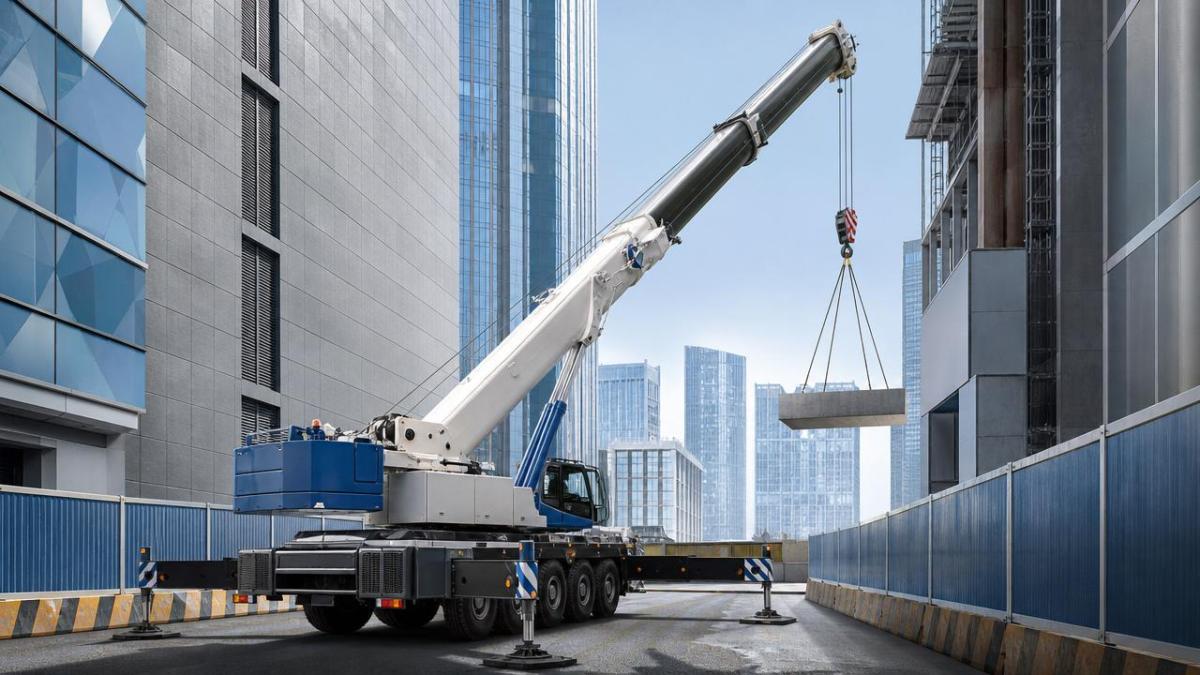
Choosing the right cranes for tight urban lifts can shape safety, speed, and budget control from day one.
In dense city sites, crane comparison is never just about maximum load.
It is about access roads, permit limits, swing radius, ground bearing pressure, and nearby buildings.
That also means the best cranes for one urban lift may be the wrong choice for the next block.
A smart comparison process helps teams reduce uncertainty before mobilization starts.
From a planning view, the goal is simple: match crane capability to the actual urban constraint set.
This guide breaks down how to compare cranes for tight urban lifts with a practical decision lens.
Start With the Lift, Not the Machine
Many crane selection errors begin when teams shortlist equipment before defining the lift profile.
In urban work, lift conditions usually narrow the crane options faster than brand preference ever will.
Begin with five basics.
- Actual lifted weight, including rigging, hook block, spreaders, and tolerance.
- Pick radius and set radius across the full lift path.
- Required hook height and any blind placement conditions.
- Number of lifts per day and schedule pressure.
- Site restrictions during setup, operation, and demobilization.
This is where cranes must be compared on working capacity, not brochure capacity.
A crane rated for a large maximum load may underperform at the required urban radius.
That gap becomes more obvious when lifts must pass over barriers, podium slabs, or existing utilities.
Compare the Main Crane Types for Urban Conditions
Tight urban lifts usually involve mobile cranes, crawler cranes, tower cranes, or compact city cranes.
Each option solves a different problem.
Mobile cranes
Mobile cranes work well when road access is reasonable and lift duration is short.
They offer fast mobilization, flexible repositioning, and lower standby exposure.
The tradeoff is outrigger footprint, traffic disruption, and tighter ground support requirements.
Crawler cranes
Crawler cranes bring strong load charts and good stability for repetitive heavy lifts.
They can be effective on large urban redevelopment sites with enough assembly space.
Still, transport complexity and assembly time can be major constraints in active city districts.
Tower cranes
Tower cranes are often ideal for multi-month vertical construction in very limited footprints.
They reduce street occupation once installed and support steady material flow.
However, they demand upfront engineering, foundation planning, and strict coordination with adjacent airspace.
Compact city cranes and spider cranes
These cranes suit highly constrained access, indoor placement, atriums, or narrow service zones.
They are valuable when conventional cranes cannot enter or cannot set up safely.
Their limitation is obvious: lower capacity and narrower operating envelope.
Focus on Six Comparison Factors That Matter Most
When comparing cranes for urban lifts, six factors usually drive the final decision.
1. Capacity at actual radius
Always compare cranes using the real lift radius and final hook height.
Urban projects often need extra reach to clear facades, scaffold lines, or power setbacks.
2. Setup footprint
Some cranes lift well on paper but fail once lane closures and outrigger spread are mapped.
Measure real occupied area, not just machine dimensions.
3. Ground conditions
Crane comparison must include slab loading, underground structures, basements, tunnels, and utility corridors.
A stronger crane is not better if the site cannot support it safely.
4. Mobilization speed
Short possession windows favor cranes with faster delivery, assembly, and permit processing.
In some city projects, time saved in setup outweighs a higher rental rate.
5. Risk around surroundings
Nearby rail lines, schools, hospitals, occupied towers, and public roads change the risk profile fast.
The right cranes are the ones that reduce exposure, not just complete the lift.
6. Total operating cost
True cost includes permits, escorts, road closures, matting, standby, assembly crews, and lift supervision.
This is often where crane options separate clearly.
Use a Practical Comparison Table
A simple side-by-side table keeps crane selection grounded in project facts.
This kind of structure helps teams compare cranes without being distracted by headline tonnage.
Watch the Urban Risks That Change the Crane Choice
From recent project patterns, the biggest crane selection mistakes come from overlooked urban risk layers.
These issues often shift the preferred crane type late in planning.
- Restricted delivery hours that delay crane assembly.
- Facade protection zones that increase radius requirements.
- Mixed-use occupancy that limits noise and road closure windows.
- Undocumented subsurface conditions below crane supports.
- Overhead restrictions from transit lines or utility corridors.
- Weather funnel effects between tall buildings.
That is why cranes should be reviewed with engineering, logistics, and compliance teams together.
A technically suitable crane can still be a weak project choice if the urban interface is poorly understood.
Build a Better Decision Process
In practice, better crane selection usually comes from a clearer process, not a more complicated spreadsheet.
- Define the critical lifts first, including worst-case radius and height.
- Screen cranes by access and footprint before comparing capacities.
- Review ground loading with temporary works or structural support teams.
- Price full operating scenarios, including permits and disruption controls.
- Run a lift risk review for surrounding assets and public interface.
- Select the crane that offers the best overall control, not just the biggest chart.
This approach creates a more stable basis for decision-making.
It also helps explain the crane choice to clients, regulators, and internal review teams.
Final Takeaway
Comparing cranes for tight urban lifts is really about matching lifting performance to city constraints.
The strongest option is usually the crane that balances radius, footprint, setup speed, compliance, and risk control.
When cranes are evaluated through that lens, teams make faster decisions and avoid expensive late changes.
For any upcoming urban lift, start with the real job conditions, compare cranes on full project impact, and choose the option that protects delivery certainty.
Get weekly intelligence in your inbox.
No noise. No sponsored content. Pure intelligence.
News Recommendations
 Sep 19, 2026How an electronics application guide helps prevent component mismatchHow an electronics application guide helps prevent component mismatch
 Sep 18, 2026When a resource allocation platform improves project deliveryWhen a resource allocation platform improves project delivery
 Sep 17, 2026What to compare when evaluating mineral processing equipment manufacturersWhat to compare when evaluating mineral processing equipment manufacturers
 Sep 16, 2026How mineral separation optimization can reduce concentrate lossesHow mineral separation optimization can reduce concentrate losses
 Sep 15, 2026How to assess lifecycle costs in urban tech procurementHow to assess lifecycle costs in urban tech procurement
 Sep 14, 2026Heavy industry technology trends reshaping capital investment prioritiesHeavy industry technology trends reshaping capital investment priorities
 Sep 14, 2026Global Industrial Equipment Procurement: How Top OEMs Qualify Suppliers for Mining & Infrastructure ProjectsGlobal Industrial Equipment Procurement: How Top OEMs Qualify Suppliers for Mining & Infrastructure Projects
 Sep 14, 2026Industrial & Mining Equipment Procurement: Balancing Local Sourcing, Lead Time, and Certification RequirementsIndustrial & Mining Equipment Procurement: Balancing Local Sourcing, Lead Time, and Certification Requirements
 Sep 14, 2026Infrastructure & Equipment Upgrades: What Procurement Teams Must Verify Before Signing Off on New ContractsInfrastructure & Equipment Upgrades: What Procurement Teams Must Verify Before Signing Off on New Contracts
 Sep 14, 2026Why Infrastructure Equipment Buyers Are Shifting from Catalog-Based to Capability-Based Supplier SelectionWhy Infrastructure Equipment Buyers Are Shifting from Catalog-Based to Capability-Based Supplier Selection
 Sep 14, 2026Process Automation Project Execution: How to Align Supplier Capabilities with PLC Integration, Cybersecurity & Commissioning MilestonesProcess Automation Project Execution: How to Align Supplier Capabilities with PLC Integration, Cybersecurity & Commissioning Milestones
 Sep 14, 2026Are intelligent traffic systems worth the investment for small cities?Are intelligent traffic systems worth the investment for small cities?
 Sep 14, 2026How do intelligent traffic systems handle sensor failures?How do intelligent traffic systems handle sensor failures?
 Sep 14, 2026What should I check before accepting a smart building system?What should I check before accepting a smart building system?
 Sep 14, 2026Is a smart building system worth the maintenance cost?Is a smart building system worth the maintenance cost?
 Sep 14, 2026What data is needed for reliable resource allocation planning?What data is needed for reliable resource allocation planning?
 Sep 14, 2026How can resource allocation software reduce equipment idle time?How can resource allocation software reduce equipment idle time?
 Sep 14, 2026How should smart devices be maintained in harsh outdoor conditions?How should smart devices be maintained in harsh outdoor conditions?
 Sep 14, 2026Do smart devices improve worker safety on construction sites?Do smart devices improve worker safety on construction sites?
 Sep 14, 2026What environmental risks must be assessed before deep-sea mining?What environmental risks must be assessed before deep-sea mining?
 Sep 14, 2026Is deep-sea mining equipment commercially viable in 2026?Is deep-sea mining equipment commercially viable in 2026?
 Sep 14, 2026What Inspection Checks Should Procurement Teams Perform Before Ordering Dredging Equipment in 2026?What Inspection Checks Should Procurement Teams Perform Before Ordering Dredging Equipment in 2026?
 Sep 13, 2026How to verify an industrial product information source before specifying equipmentHow to verify an industrial product information source before specifying equipment
 Sep 12, 2026Which intelligent traffic systems hardware fits an urban intersection?Which intelligent traffic systems hardware fits an urban intersection?
 Sep 11, 2026How pump capacity affects response coverage for municipal fire fighting vehiclesHow pump capacity affects response coverage for municipal fire fighting vehicles
 Sep 10, 2026What to verify before choosing a heavy industry equipment supplierWhat to verify before choosing a heavy industry equipment supplier
 Sep 09, 2026When do adaptive urban traffic control systems reduce corridor delays?When do adaptive urban traffic control systems reduce corridor delays?