Mining Technology Equipment: Key Checks Before Capital Approval
Before capital is committed, mining technology equipment needs a deeper review than model specs, output claims, or supplier brochures. The smartest approvals usually come from checking total cost, site fit, safety exposure, and payback under changing commodity prices.
That matters even more across modern infrastructure ecosystems. GIUT’s research across mining, construction, logistics, and urban technology shows one clear pattern: equipment value is created over years of uptime, not on the purchase date.
A strong approval case for mining technology equipment should therefore connect capital spending to production continuity, compliance confidence, energy efficiency, and residual asset value. The checks below help turn a complex purchase into a decision with clearer numbers.
Start With the Numbers That Actually Move Risk
The first review should focus on what changes downside exposure. Sticker price matters, but it rarely explains the full financial story of mining technology equipment.
Right after the initial cost check, it helps to visualize how the asset performs across its working life, from installation to disposal.
[Image 01: Lifecycle cost comparison for mining technology equipment across purchase, operation, maintenance, and resale stages]
- Verify total cost of ownership, including installation, operator training, spare parts, software licenses, energy use, rebuild cycles, and end-of-life disposal rather than approving from purchase price alone.
- Check whether supplier productivity claims are based on comparable ore bodies, shift patterns, haul distances, moisture levels, and operator skill, not ideal lab-style performance conditions.
- Model downtime cost by hour and compare it with the asset’s reliability record, because one weak component in critical mining technology equipment can erase projected savings quickly.
- Review financing terms against expected production ramp-up, since a mismatched repayment schedule can pressure cash flow before the equipment delivers stable output.
- Estimate residual value using actual secondary market demand, refurbishment potential, and brand support history, because resale strength often improves the approval logic materially.
Why headline efficiency can mislead
Many proposals highlight fuel savings or faster throughput. Those claims sound strong, but they can collapse if site roads, ore hardness, or power quality differ from the test case.
In GIUT’s heavy equipment analysis, the more reliable measure is performance under local constraints. A slightly less advanced machine with stable service support can outperform a premium unit with fragile uptime.
Check Site Compatibility Before Approving Performance Assumptions
A common approval mistake is treating mining technology equipment like a standalone asset. In reality, it must work inside a system of roads, power, communications, drainage, and maintenance capability.
- Confirm the equipment matches bench height, tunnel width, turning radius, ventilation limits, and haul network conditions so nominal capacity can be reached without costly site modifications.
- Review power demand, charging needs, fuel logistics, and communication requirements early, especially when advanced mining technology equipment depends on digital control or remote monitoring systems.
- Assess whether workshops, tools, and technician skills already fit the new asset, because hidden readiness gaps often create long commissioning delays and expensive contractor dependence.
- Check integration with fleet management, dispatch, and safety systems so production data flows cleanly instead of creating manual reporting workarounds and blind operating spots.
- Ask for a site-specific implementation schedule covering delivery, assembly, testing, and operator acceptance, then compare that timeline with seasonal weather and production commitments.
A practical example from expansion projects
During mine expansion, capital teams often prioritize larger units to capture economies of scale. That works only if road geometry, loading tools, and crusher throughput are upgraded at the same pace.
If one part of the chain stays undersized, the new mining technology equipment may spend too much time waiting, idling, or operating below its intended duty cycle.
Make Safety, Compliance, and Sustainability Financial Questions
Safety and compliance should not sit outside the capital case. They directly affect operating continuity, insurance exposure, permitting risk, and long-term asset acceptability.
- Verify conformity with local mine safety rules, emissions standards, noise limits, and emergency response requirements before approval, not after the equipment reaches the site.
- Check whether automation, collision avoidance, dust suppression, and remote operation features reduce incident exposure enough to justify higher upfront capital in risk-adjusted terms.
- Review energy intensity and carbon performance over the asset life, because greener mining technology equipment increasingly supports permitting credibility and future financing access.
- Request proof of certification, inspection records, and cybersecurity safeguards for connected systems, especially when the equipment exchanges operational data with central control platforms.
- Include worker training, lockout procedures, and maintenance safety steps in the approval package so compliance is supported by execution, not paperwork alone.
Where hidden risk often sits
One overlooked issue is software dependency. Modern mining technology equipment can rely on subscriptions, firmware updates, and remote diagnostics that become critical to safe operation.
If those terms are vague, the asset may face compliance gaps later. That is why digital support conditions belong in the same review as mechanical specifications.
Test Supplier Strength, Not Just Machine Strength
Even well-designed mining technology equipment can become a weak investment if supplier support is inconsistent. Service depth often determines whether expected returns are actually realized.
- Evaluate local parts availability, field service response time, and rebuild capability, because long waits for critical components can shut down production faster than expected.
- Check warranty exclusions carefully, especially for wear conditions, operator misuse clauses, software faults, and environmental limitations that may weaken the practical protection level.
- Ask for references from mines with similar geology and operating intensity, then compare support quality, not just equipment ratings or delivered unit counts.
- Review supplier financial stability and product roadmap commitment so the chosen mining technology equipment does not become stranded by weak long-term support.
- Negotiate service-level terms tied to uptime, technician dispatch, and parts fill rates, turning after-sales promises into measurable contractual accountability.
For remote or offshore-adjacent operations
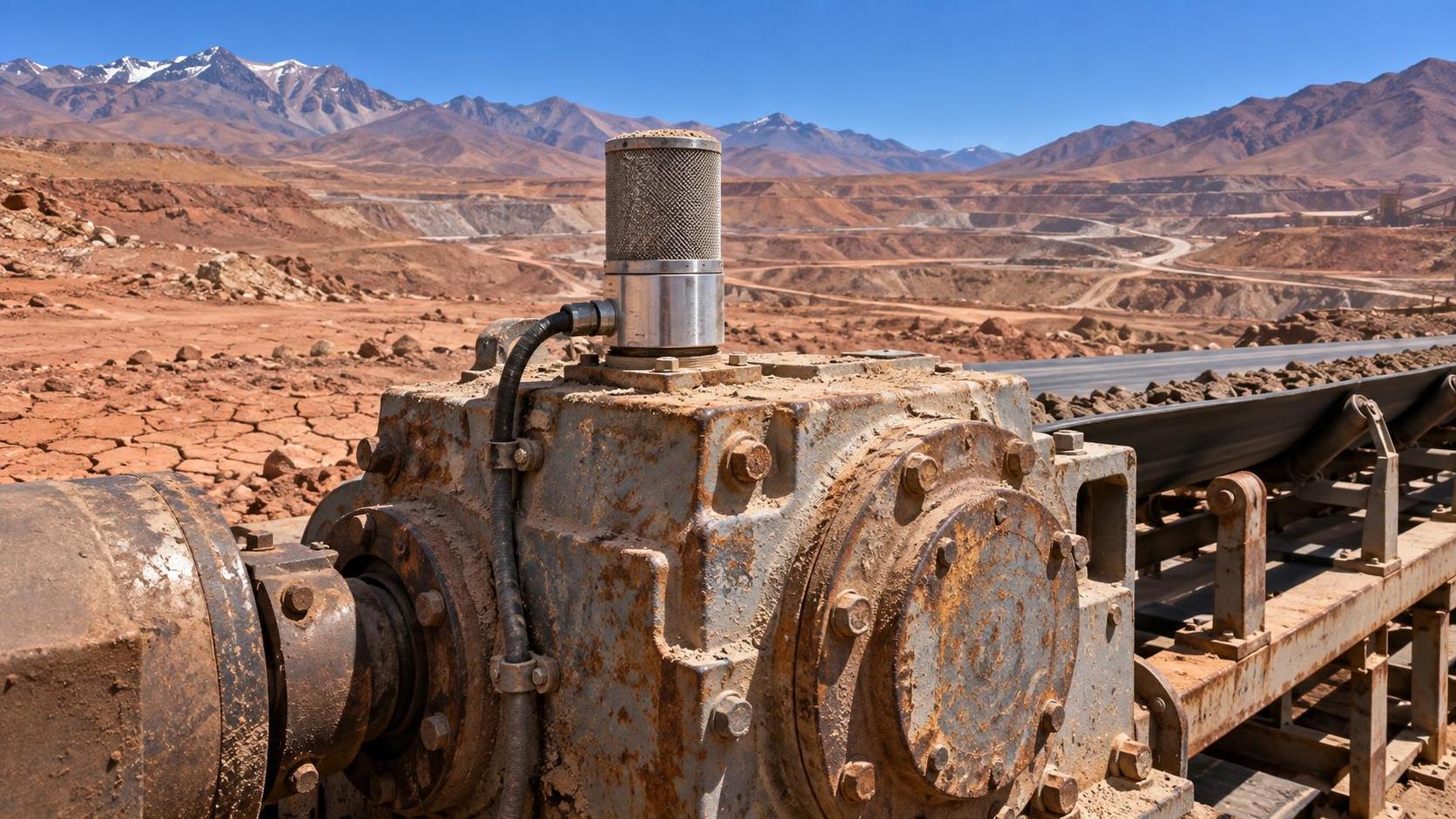
Sites far from industrial centers have less room for service delays. In those cases, supplier resilience can matter more than small efficiency differences between competing models.
GIUT’s cross-sector infrastructure view shows the same pattern in rail and special-purpose fleets: strong support networks protect asset value better than ambitious but unsupported technology jumps.
Use a Simple Approval Table Before Final Sign-Off
A compact scoring table helps compare options consistently. It also makes the approval logic easier to defend when market conditions shift later.
One last filter before approval
If the business case only works under peak production and stable pricing, the risk is probably understated. Better approval decisions come from testing the asset under slower ramp-up and lower-price scenarios.
That approach is especially useful for mining technology equipment, where utilization, maintenance quality, and market cycles can shift returns quickly.
Turn the Review Into a Stronger Next Step
The best capital approvals are rarely based on excitement around new machinery. They are based on clear proof that the chosen mining technology equipment fits the site, survives realistic operating conditions, and protects long-term value.
A useful next step is simple: build an approval note around lifecycle cost, site readiness, safety compliance, supplier support, and downside-case return. If one area stays unclear, the decision is not fully ready.
In a sector shaped by infrastructure demand, energy transition, and smarter industrial systems, disciplined review is what turns equipment spending into durable asset performance. That is where better mining technology equipment decisions begin.
Get weekly intelligence in your inbox.
No noise. No sponsored content. Pure intelligence.
News Recommendations
 Sep 19, 2026How an electronics application guide helps prevent component mismatchHow an electronics application guide helps prevent component mismatch
 Sep 18, 2026When a resource allocation platform improves project deliveryWhen a resource allocation platform improves project delivery
 Sep 17, 2026What to compare when evaluating mineral processing equipment manufacturersWhat to compare when evaluating mineral processing equipment manufacturers
 Sep 16, 2026How mineral separation optimization can reduce concentrate lossesHow mineral separation optimization can reduce concentrate losses
 Sep 15, 2026How to assess lifecycle costs in urban tech procurementHow to assess lifecycle costs in urban tech procurement
 Sep 14, 2026Heavy industry technology trends reshaping capital investment prioritiesHeavy industry technology trends reshaping capital investment priorities
 Sep 14, 2026Global Industrial Equipment Procurement: How Top OEMs Qualify Suppliers for Mining & Infrastructure ProjectsGlobal Industrial Equipment Procurement: How Top OEMs Qualify Suppliers for Mining & Infrastructure Projects
 Sep 14, 2026Industrial & Mining Equipment Procurement: Balancing Local Sourcing, Lead Time, and Certification RequirementsIndustrial & Mining Equipment Procurement: Balancing Local Sourcing, Lead Time, and Certification Requirements
 Sep 14, 2026Infrastructure & Equipment Upgrades: What Procurement Teams Must Verify Before Signing Off on New ContractsInfrastructure & Equipment Upgrades: What Procurement Teams Must Verify Before Signing Off on New Contracts
 Sep 14, 2026Why Infrastructure Equipment Buyers Are Shifting from Catalog-Based to Capability-Based Supplier SelectionWhy Infrastructure Equipment Buyers Are Shifting from Catalog-Based to Capability-Based Supplier Selection
 Sep 14, 2026Process Automation Project Execution: How to Align Supplier Capabilities with PLC Integration, Cybersecurity & Commissioning MilestonesProcess Automation Project Execution: How to Align Supplier Capabilities with PLC Integration, Cybersecurity & Commissioning Milestones
 Sep 14, 2026Are intelligent traffic systems worth the investment for small cities?Are intelligent traffic systems worth the investment for small cities?
 Sep 14, 2026How do intelligent traffic systems handle sensor failures?How do intelligent traffic systems handle sensor failures?
 Sep 14, 2026What should I check before accepting a smart building system?What should I check before accepting a smart building system?
 Sep 14, 2026Is a smart building system worth the maintenance cost?Is a smart building system worth the maintenance cost?
 Sep 14, 2026What data is needed for reliable resource allocation planning?What data is needed for reliable resource allocation planning?
 Sep 14, 2026How can resource allocation software reduce equipment idle time?How can resource allocation software reduce equipment idle time?
 Sep 14, 2026How should smart devices be maintained in harsh outdoor conditions?How should smart devices be maintained in harsh outdoor conditions?
 Sep 14, 2026Do smart devices improve worker safety on construction sites?Do smart devices improve worker safety on construction sites?
 Sep 14, 2026What environmental risks must be assessed before deep-sea mining?What environmental risks must be assessed before deep-sea mining?
 Sep 14, 2026Is deep-sea mining equipment commercially viable in 2026?Is deep-sea mining equipment commercially viable in 2026?
 Sep 14, 2026What Inspection Checks Should Procurement Teams Perform Before Ordering Dredging Equipment in 2026?What Inspection Checks Should Procurement Teams Perform Before Ordering Dredging Equipment in 2026?
 Sep 13, 2026How to verify an industrial product information source before specifying equipmentHow to verify an industrial product information source before specifying equipment
 Sep 12, 2026Which intelligent traffic systems hardware fits an urban intersection?Which intelligent traffic systems hardware fits an urban intersection?
 Sep 11, 2026How pump capacity affects response coverage for municipal fire fighting vehiclesHow pump capacity affects response coverage for municipal fire fighting vehicles
 Sep 10, 2026What to verify before choosing a heavy industry equipment supplierWhat to verify before choosing a heavy industry equipment supplier
 Sep 09, 2026When do adaptive urban traffic control systems reduce corridor delays?When do adaptive urban traffic control systems reduce corridor delays?